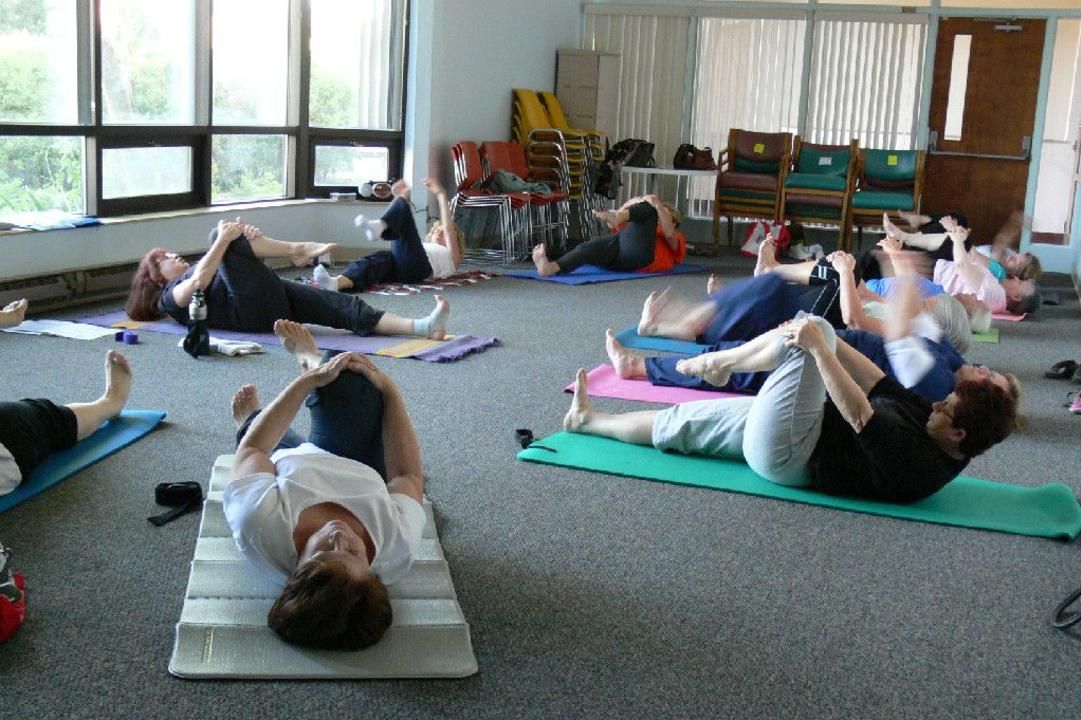

I Spent two years doing nothing but arm workouts and running. Built decent biceps but everything else looked completely imbalanced. Legs were skinny, core was weak, posture sucked. I started training everything equally last year. The transformation shocked me. Finally looked and felt actually fit instead of just having big arms.
Most people make the same mistake I did – focusing obsessively on certain body parts while ignoring others completely. You see it everywhere at gyms. Guys doing endless bicep curls skipping leg day forever. Women stuck on cardio machines never touching weights. Real fitness means developing your entire body together. Total body fitness creates balanced strength, better aesthetics, improved function, and way fewer injuries long-term.
Your body works as one connected system, not isolated parts. Training it that way produces dramatically better results than cherry-picking favorite exercises while neglecting everything else consistently.
Why Balanced Training Actually Matters:
Your body functions as an integrated unit during literally every movement you make. Walking uses legs obviously but also requires core stability and arm swing. Lifting groceries needs leg drive, core bracing, and upper body strength together. Focusing only on certain muscles creates imbalances causing injury and limiting overall performance. Total body fitness ensures all your muscles work together efficiently like they’re actually designed to.
I learned this harsh lesson pulling my back out reaching for something on a high shelf. My arms were strong enough to lift it but my core and legs couldn’t support the movement properly. Doctor explained my muscle imbalances created the injury. That’s when I completely changed my training approach focusing on total body fitness instead of just arms and cardio.
Understanding Full Body Development:
Total body fitness means systematically training every major muscle group throughout the week. Legs, back, chest, shoulders, arms, core – everything gets attention. Not necessarily all in one workout but definitely within each week consistently. This approach builds comprehensive strength and conditioning across your entire physique.
The aesthetic benefits are obvious. Balanced proportions look way better than overdeveloped arms with chicken legs. But functional benefits matter even more honestly. Daily activities become easier when your whole body is strong. Playing with kids, moving furniture, yard work – everything feels lighter and less exhausting. Total body fitness improves quality of life beyond just looking good in photos.
Your metabolism increases significantly with full body training too. More muscle mass burns more calories at rest. Training only arms and running builds minimal muscle compared to working everything. I noticed fat loss accelerated once I started proper total body fitness training. More muscle equals faster metabolism even while sleeping or watching TV.
Essential Components of Complete Fitness:
1. Strength Training Fundamentals:
Lifting weights builds muscle and bone density crucial for long-term health. Total body fitness requires hitting all major movement patterns – pushing, pulling, squatting, hinging, carrying. These fundamental movements train multiple muscle groups simultaneously. Compound exercises like squats, deadlifts, bench press, and rows form the foundation of any solid program.
I structure my week around these big movements. Monday is squat-focused, Wednesday is pressing movements, Friday is pulling and deadlifts. This ensures comprehensive strength development. Each workout includes 2-3 compound movements plus some accessory work. Simple structure that covers everything without overthinking it constantly.
2. Cardiovascular Conditioning:
Heart health matters just as much as muscular strength for total body fitness. Cardio improves endurance, burns calories, and supports recovery between strength sessions. Mix different intensities – some steady state, some intervals. Running, cycling, rowing, swimming all work great. Choose activities you don’t completely hate.
I hated cardio for years honestly. Now I actually enjoy it since finding activities that don’t bore me to death. Hiking on weekends, playing basketball with friends, swimming in summer. Making cardio fun through variety keeps me consistent instead of dreading treadmill sessions.
3. Flexibility and Mobility Work:
Tight muscles limit range of motion causing compensations and injuries. Stretching and mobility work keep your body moving properly. Total body fitness includes maintaining flexibility across all joints. Spend 10-15 minutes daily on stretching or yoga. Focus on areas that feel tight from your workouts.
My hips and shoulders were incredibly tight from years of imbalanced training. Daily stretching gradually improved my range of motion. Squats got deeper, overhead pressing felt better, even walking felt smoother. Don’t skip this component thinking it’s not important enough.
4. Core Stability Training:
Your core connects upper and lower body transferring force during every movement. Weak core limits everything else you do. Planks, dead bugs, pallof presses, and rotational movements build comprehensive core strength. Total body fitness always emphasizes core training because it’s fundamental to everything.
I added dedicated core work three times weekly. My back pain disappeared completely within a month. Lifting weights felt more stable and controlled. Core strength improvement had the biggest overall impact on my total body fitness journey surprisingly.
Weekly Training Split Example:
- Monday: Lower body strength – squats, lunges, leg press, hamstring curls, calf raises
- Tuesday: Upper body push – bench press, overhead press, dips, tricep work, front delts
- Wednesday: Cardio and core – 30 minutes moderate intensity, 15 minutes core circuit training
- Thursday: Upper body pull – rows, pull-ups, lat pulldowns, bicep curls, rear delts
- Friday: Full body power – deadlifts, push press, box jumps, farmer carries, mobility work
- Saturday: Active recovery – yoga, stretching, light walk, foam rolling everything
- Sunday: Complete rest or very light activity like easy hiking or recreational sports
Why Most Programs Fail:
People start programs that are way too complicated or time-consuming. Three-hour workouts six days weekly aren’t sustainable for normal people with jobs and families. You need a total body fitness plan that fits your actual life. Simplicity and consistency beat complexity and perfection every single time.
Programs focusing exclusively on one aspect fail to develop complete fitness. Bodybuilding programs ignore cardio and flexibility. Running programs neglect strength training. CrossFit sometimes pushes intensity beyond what’s safe for beginners. Balanced approach covering all fitness components produces better results with lower injury risk long-term.
Unrealistic expectations cause people to quit before seeing results. Total body fitness transformations take months not weeks. You won’t look like a fitness model after one month. Setting reasonable timelines prevents disappointment. I committed to one year before judging results. That patience paid off with sustainable changes instead of quick fixes.
1. Nutrition’s Critical Role:
You can’t out-train a terrible diet ever. Total body fitness requires adequate nutrition supporting your training. Protein builds muscle, carbs fuel workouts, fats support hormones. Eating appropriate amounts of each matters tremendously. I track my food loosely ensuring I’m hitting protein targets and not overeating overall.
Drastic calorie cuts while training hard just make you tired and weak. Moderate deficit if losing fat, slight surplus if building muscle. Most people should eat at maintenance while focusing on training consistency. Let your body recomposition happen gradually through consistent effort over months.
2. Recovery and Sleep:
Muscles grow during rest, not during training. Inadequate recovery sabotages all your hard work. Total body fitness programs must include proper rest days and adequate sleep. Aim for 7-9 hours nightly minimum. I notice huge performance drops on weeks when sleep suffers.
Active recovery days help more than complete rest sometimes. Light movement promotes blood flow aiding recovery. Walking, easy cycling, or gentle yoga work great. Don’t confuse active recovery with actual training though. These days should feel restorative not exhausting.
3. Progressive Overload Principles:
Your body adapts to training stress by getting stronger. Once adapted, the same workout stops producing results. Progressive overload means gradually increasing demands over time. Add weight, reps, or sets slowly. Total body fitness requires consistent progression across all training areas, not just favorite exercises.
I add 5 pounds to major lifts when I can complete all prescribed reps easily. Takes weeks or months sometimes but ensures steady progress without injury. Trying to add weight every workout leads to form breakdown and injuries eventually.
Common Training Mistakes:

- Skipping leg training because it’s hard, creating severe muscle imbalances long-term
- Doing only cardio thinking it’s enough for total body fitness and health
- Training same muscles daily without adequate recovery time between sessions
- Using momentum and poor form to lift heavier weights than you’re ready for
- Neglecting smaller stabilizer muscles that prevent injuries during big movements
- Not tracking workouts making it impossible to ensure progressive overload happens
Equipment You Actually Need:
Home training for total body fitness doesn’t require expensive equipment, honestly. Adjustable dumbbells, resistance bands, pull-up bar, and exercise mat cover most needs. Maybe add a bench and barbell if space and budget allow. I built solid fitness with just dumbbells and bands for the first six months.
Gym memberships provide more equipment variety obviously. Access to barbells, cable machines, and cardio equipment expands exercise options. But convenience of home training often beats gym access. Choose based on your situation and preferences. Total body fitness is achievable either way with proper programming.
Fancy equipment isn’t necessary despite what fitness influencers push. You don’t need special shoes, compression gear, or expensive supplements. Marketing makes you think you do but results come from consistent training and nutrition. Save your money or invest in quality basics that last years.
Budget-Friendly Options:
Resistance bands cost $20-40 and provide endless exercise variations. Great for traveling or small spaces. I keep bands in my car for hotel workouts when traveling. Totally underrated for building strength and flexibility.
Bodyweight training requires literally zero equipment. Push-ups, squats, lunges, planks – these build impressive total body fitness with just your body. Playgrounds have pull-up bars free to use. Get creative with what’s available around you.
Measuring Your Progress:
Scale weight tells an incomplete story of total body fitness. Take measurements of chest, waist, hips, arms, and thighs monthly. Progress photos in consistent lighting reveal changes you can’t see daily. I compare photos every 8 weeks to see actual visual progress.
Strength increases indicate muscle growth and neurological adaptation. Track weights and reps for main exercises. Can you lift more than last month? Are exercises feeling easier at the same weight? These metrics prove progress even when the scale doesn’t move.
How you feel matters most honestly. Do daily activities feel easier? Is your energy better? Are you sleeping well and recovering properly? Total body fitness improves life quality beyond aesthetics. Pay attention to these functional improvements that really matter.
Performance Benchmarks:
Being able to do 10 proper push-ups, 5 pull-ups, and hold a plank for 60 seconds indicates decent baseline fitness. Work toward these if you’re starting out. They require total body fitness, not just specific muscle strength.
Lifting body weight for squats and deadlifts shows solid lower body development. Benching half your body weight demonstrates decent upper body strength. These aren’t necessary goals but provide objective benchmarks for total body fitness progress.
Adapting Training As You Progress:
Beginners make progress with almost any program initially. Linear progression works great the first 6-12 months. Add weight to the bar every week enjoying steady gains. Total body fitness comes quickly when starting from zero.
Intermediate trainees need more sophisticated programming. Progress slows requiring periodization and varied rep ranges. I switched to weekly undulating programs after my first year. Heavy days, light days, and moderate days throughout the week.
Advanced lifters need even more specialized approaches. Most people never reach truly advanced levels though. Following intermediate programming consistently produces continued results for years. Don’t overthink it unless you’re competing at something.
Dealing With Plateaus:
Everyone hits plateaus where progress stalls completely. First check recovery and nutrition. Often plateaus result from inadequate sleep or undereating. Fix these basics before changing programming.
If recovery and nutrition are solid, change training variables. Different exercises, rep ranges, or intensities. Total body fitness requires varied stimulus over time. I completely change my routine every 3-4 months preventing adaptation and boredom.
Taking a deload week often breaks plateaus surprisingly. Reduce volume and intensity by 50% for one week. Feels counterintuitive but allows full recovery. I always come back stronger after weeks.
Lifestyle Integration:
Total body fitness isn’t just about gym time. Daily movement matters – taking stairs, parking farther away, playing actively with kids. These small activities accumulate significantly over time. I aim for 10,000 steps daily outside formal workouts.
Stress management affects fitness results tremendously. Chronic stress elevates cortisol sabotaging training adaptation. Finding healthy stress outlets matters. Exercise helps but isn’t enough alone. Meditation, hobbies, and social connection all contribute to total body fitness success.
Sleep hygiene practices improve recovery dramatically. Consistent sleep schedule, cool dark room, no screens before bed. These simple changes improved my sleep quality and training results. Don’t underestimate lifestyle factors beyond just exercise and diet.
Social Support Systems:
Training partners increase consistency through accountability. Having someone expecting you at the gym prevents skipping workouts. My gym buddy and I have trained together for eight months, rarely missing sessions. Total body fitness journey is easier with support.
Online communities provide motivation and knowledge sharing. Reddit fitness forums, Facebook groups, or Instagram fitness accounts connect you with like-minded people. I’ve learned tons from online communities and made friends pursuing similar goals.
Don’t let negative people derail your progress. Some friends and family might criticize your commitment to total body fitness. They’re projecting their insecurities usually. Stay focused on your goals regardless of others’ opinions.
Long-Term Sustainability:
Extreme approaches don’t last. Training seven days weekly with perfect nutrition is unrealistic long-term. Build sustainable habits you can maintain for years. I train 4-5 days weekly with flexible eating. This balance prevents burnout while producing steady results.
Total body fitness is a lifelong pursuit not a destination. There’s no finish line where you’re done. Maintaining fitness requires ongoing effort. Accepting this mindset shift makes the journey enjoyable instead of frustrating.
Find activities you actually enjoy. Suffering through hated workouts guarantees eventual quitting. I love lifting weights but hate running. So I lift four days weekly and hike or play sports for cardio. Sustainability comes from enjoyment and variety.
Conclusion
Total body fitness develops balanced strength, conditioning, and mobility across your entire physique. Train all major muscle groups weekly through varied exercises and intensities. Combine strength training, cardio, and flexibility work consistently. Progress takes months of dedication but transforms your body and capabilities completely. Build sustainable habits fitting your actual lifestyle for long-term success always.
FAQs
1. How long does achieving total body fitness take realistically?
Noticeable changes appear in 8-12 weeks typically, significant transformation requires 6-12 months of consistent training and proper nutrition.
2. Can I build total body fitness working out at home?
Absolutely yes, bodyweight exercises and basic equipment like dumbbells and bands provide everything needed for comprehensive fitness development.
3. How many days weekly should I train for optimal results?
Four to five training days with two to three rest days balances progress with adequate recovery for most people.
4. Is total body fitness possible while losing weight?
Yes definitely, beginners especially can build muscle while losing fat simultaneously through proper training and moderate calorie deficit.
5. What’s the biggest mistake preventing total body fitness?
Focusing exclusively on certain body parts while neglecting others, creating imbalances that limit overall progress and increase injury risk.
Summary
Total body fitness requires systematic training of all major muscle groups through strength work, cardiovascular conditioning, and flexibility training. Balanced approach produces better aesthetics, functional strength, and injury prevention. Consistency over months and years matters more than perfect programming or genetics. Build sustainable habits fitting your lifestyle for lasting results.