
Last year I threw out my back reaching for cereal on the top shelf like an idiot. Spent three days barely able to walk and realized my back was embarrassingly weak. I started doing lower back dumbbell exercises at home and honestly couldn’t believe how much better I felt after just a month.
Your lower back supports basically everything you do all day long. Sitting at your desk, picking up your kids, carrying groceries, even just standing around – all of it relies on those muscles. When they’re weak, you’re basically walking around waiting for something to go wrong and trust me, it eventually will.
Stop ignoring your lower back until it’s too late. These seven exercises saved me from constant pain and they’ll do the same for you. Let’s get started.
Why Your Lower Back Needs Strength Training:

Your lower back does way more work than you realize until something goes wrong. Those muscles hold up your entire upper body and help you move in basically every direction. I didn’t appreciate this until I could barely get out of bed without wincing. Weak lower back muscles mess up your posture, make you tired faster, and turn simple movements into potential injuries waiting to happen.
Dumbbells are honestly perfect for training your lower back at home. You don’t need some fancy gym membership or complicated machines that cost thousands of dollars. A decent pair of dumbbells works just fine and lets you train each side independently, which helps fix strength imbalances. The balance required also wakes up all those smaller stabilizer muscles that machines completely ignore. I started with just twenty-pound dumbbells and saw amazing results.
What Strong Lower Back Muscles Actually Do:
Building lower back strength with dumbbells creates this solid foundation that makes everything else easier. My posture improved so much that people kept asking if I’d gotten taller or lost weight. Better posture isn’t just about looking good either – it actually reduces the constant pressure on your spine that causes that nagging pain after sitting all day at work.
Strong lower back muscles protect you from getting hurt during normal life stuff and sports. Your lower back stabilizes literally every movement, so strengthening it takes strain off other muscles and joints. I used to worry about throwing my back out doing yard work or playing pickup basketball, but now I move without that constant fear. Plus athletic performance improves because you generate more power from a strong, stable core.
1. Better Posture Changes Everything:
Weak lower back muscles let your pelvis tilt weird and your spine curve in ways it shouldn’t. Lower back dumbbell exercises strengthen those erector spinae muscles running along your spine that keep everything lined up properly. After a few weeks of consistent training, my wife commented that I looked more confident just standing around. Good posture also makes breathing easier and reduces those tension headaches from slouching over your computer all day.
2. No More Constant Back Pain:
Millions of people deal with chronic lower back pain and weak muscles cause most of it. Strengthening your lower back through targeted exercises provides the support that takes pressure off your spine. I went from popping ibuprofen almost daily to barely needing it anymore. The increased blood flow from exercise also helps healing and reduces that inflammation causing persistent discomfort.
3. Sports Performance Gets Better:
Every sport relies on lower back strength for generating power and preventing injuries. Lower back dumbbell exercises improved my golf swing noticeably, made my runs feel smoother, and let me lift heavier on other exercises. Athletes with strong lower backs move more efficiently and bounce back faster between training sessions. Even if you’re not an athlete, these benefits carry over to playing with your kids or doing physical activities on weekends.
4. Balance and Stability Improve:
Your lower back constantly works to keep you balanced during movement. Strengthening it enhances your body’s awareness of where it is in space, which sounds weird but makes a huge difference. I stopped feeling wobbly on stairs or walking on uneven ground. Better balance reduces fall risk as you age and improves coordination during any complex movement patterns.
The Best Seven Exercises That Actually Work:

These seven movements hit your lower back from different angles and became my go-to routine. I do lower back dumbbell exercises twice weekly and the difference is night and day. Start lighter than you think you should to nail the form before adding challenging weight.
- Romanian deadlifts work your entire backside while really emphasizing lower back and hamstrings
- Single-leg deadlifts challenge your balance while building serious lower back stability
- Good mornings isolate the lower back perfectly and teach you proper hip movement
- Bent-over rows work your whole back but your lower back has to stabilize everything
- Sumo deadlifts hit your lower back and inner thighs with that wider stance
- Renegade rows strengthen your lower back while fighting rotation
- Farmer’s carries build lower back endurance and make your grip insanely strong
Getting the Form Right Matters More Than Weight:
Mastering proper form during lower back dumbbell exercises prevents injuries and actually gets results. The most important thing is keeping your spine neutral throughout each movement – no rounding forward or arching backward excessively. I struggled with this at first because my ego wanted to lift heavier than my form could handle. Ego lifting just gets you hurt, not stronger.
The hip hinge is the foundation of most lower back exercises and you need to get it right. You bend at your hips while keeping your back straight instead of rounding like you’re doing a crunch. Think about sticking your butt backward while keeping your chest up. This protects your spine and properly loads your lower back muscles. I practiced the hip hinge without any weight until it felt natural before adding dumbbells.
Pick the Right Starting Weight:
Choosing appropriate weight for lower back dumbbell exercises requires leaving your ego at the door:
- Start with dumbbells that feel almost too light to establish perfect form first
- You should finish all reps with controlled movement and zero form breakdown
- If your back rounds even slightly or you can’t keep neutral spine, drop the weight
- Increase weight gradually by small jumps once form is completely mastered
- Quality reps always beat quantity or how much weight you’re lifting
- Your lower back recovers slower than other muscles so be patient with progression
Romanian Deadlifts Build Serious Strength:
Romanian deadlifts are probably the best overall lower back exercise you can do with dumbbells. Stand with feet hip-width holding dumbbells in front of your thighs. Push your butt backward while lowering the weights down your legs, keeping them close to your body. Your back stays straight and you’ll feel your hamstrings stretch. Once the dumbbells hit mid-shin, drive your hips forward to stand back up.
I do three sets of eight to twelve reps and this exercise transformed my lower back completely. The key is controlling the way down and really focusing on that hip hinge. Don’t bend your knees too much or it becomes a squat. Keep your shoulders back and chest up the entire time. Start light because you’ll definitely feel lower back dumbbell exercises like this the next day.
1. Good Mornings Isolate Everything:
Good mornings isolate your lower back even more than Romanian deadlifts do. Hold one dumbbell horizontally against your upper chest with both hands. Hinge at your hips and lean your torso forward while keeping your back perfectly straight. Go down until your torso is almost parallel to the ground, then squeeze your glutes and push hips forward to stand.
This exercise really teaches you to load your lower back properly and builds crazy strength. I felt super awkward doing these at first but now they’re one of my absolute favorites. Use lighter weight than you think because the leverage makes even light dumbbells challenging. Three sets of ten to fifteen reps work perfectly for building both strength and endurance.
2. Single-Leg Deadlifts Add Balance Challenge:
This variation adds a balance element that forces your lower back to work overtime. Hold a dumbbell in one hand and stand on the opposite leg. Hinge forward while extending your free leg behind you for balance. Lower the dumbbell toward the ground with a straight back, then return to standing.
Single-leg work shows you exactly where you have imbalances that regular exercises hide. My left side was noticeably weaker at first but caught up with practice. Do two to three sets of eight to ten reps per leg. These lower back dumbbell exercises also strengthen ankles and improve overall balance for sports and daily activities.
Bent-Over Rows Work Lower Back Differently:
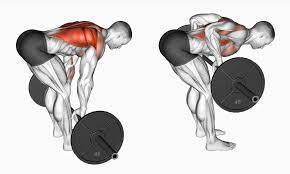
Rows mainly hit your upper back but require serious lower back strength to hold that bent position. Hinge forward at your hips until your torso is almost parallel to the ground while holding dumbbells. Pull the weights up toward your ribs with elbows close to your body. Squeeze your shoulder blades together at the top, then lower with control.
Your lower back works constantly during rows to keep you stable throughout the entire set. This builds incredible endurance in those muscles. I can now hold the bent position way longer without my lower back giving out. Do three sets of ten to twelve reps. If your lower back fatigues before your arms, that’s a clear sign it needs more direct strengthening work.
Mistakes That Screw Up Your Progress:
Watching people do lower back dumbbell exercises at the gym sometimes makes me cringe because the same mistakes happen constantly. Rounding your spine is the biggest problem that immediately puts you at injury risk. Your lower back should keep its natural curve throughout every single exercise. If you can’t maintain proper spine position, drop the weight or rest.
Rushing through reps is another huge issue that wastes time and increases injury risk. Lower back dumbbell exercises need controlled movement with deliberate muscle engagement. I see people swinging weights around using momentum instead of actually working their muscles. Each rep should take three to four seconds with smooth transitions between the up and down phases.
- Using too much weight destroys your form and creates bad movement patterns
- Not engaging your core leaves your spine vulnerable to injury
- Holding your breath instead of breathing steadily throughout movements
- Hyperextending your back at the top strains your spine unnecessarily
- Training lower back when already exhausted compromises form dangerously
- Skipping warm-up sets before jumping to your working weight
- Pushing through actual pain instead of backing off and addressing it
Sumo Deadlifts Hit Different Angles:
Sumo deadlifts use a wider stance that changes the emphasis while still hammering your lower back. Stand with feet wider than shoulders and toes pointed out. Hold dumbbells between your legs and hinge at hips to lower them toward the ground. Keep your chest up and back straight, then drive through your heels to stand while squeezing your glutes.
The wider stance lets some people maintain better form and creates less stress on the spine. I alternate between regular and sumo variations to train my lower back from different angles. These lower back dumbbell exercises also work your inner thighs and glutes more than conventional deadlifts do. Do three sets of eight to twelve reps with controlled form throughout.
1. Renegade Rows Are Brutal But Effective:
Renegade rows combine a plank with rowing for an intense challenge. Get into push-up position with hands gripping dumbbells on the ground. Row one dumbbell up to your ribs while balancing on the other arm and your feet. Alternate sides while fighting to keep your hips level.
Your lower back works like crazy to prevent rotation and keep your body in a straight line. Start with lighter dumbbells because this is way harder than it looks. I could barely do five per side when I started but worked up to three sets of ten. These are some of the most effective lower back dumbbell exercises for building that anti-rotation strength.
2. Farmer’s Carries Look Easy But Aren’t:
Farmer’s carries seem too simple to work but they build tremendous lower back strength. Grab heavy dumbbells in each hand and walk with perfect posture for a set distance or time. Your lower back fires continuously to keep your spine stable and prevent leaning or twisting.
I do farmer’s carries at the end of workouts and they’ve dramatically improved my everyday posture. Start with thirty-second walks and build up to sixty seconds or longer. The weight should be challenging but not so heavy that your form falls apart. These lower back dumbbell exercises also build insane grip strength and mental toughness.
Setting Up Your Training Schedule:
Adding lower back dumbbell exercises to your routine requires smart planning for recovery. Your lower back recovers slower than arms or chest, so training it daily leads to overtraining and injuries. I train lower back twice weekly on non-consecutive days, which stimulates growth while allowing recovery.
Warm up thoroughly before each lower back session with light cardio and dynamic stretching. Do one or two warm-up sets with very light weight before your actual working sets. For most exercises, three to four sets of eight to twelve reps builds both strength and size effectively. Lower back dumbbell exercises should come early in your workout when you’re fresh, not after exhausting yourself.
- Monday includes Romanian deadlifts, good mornings, and rows for lower back
- Tuesday through Wednesday rest or train upper body while lower back recovers
- Thursday hits lower back again with sumo deadlifts, single-leg work, and carries
- Friday through Sunday focus on active recovery with walking and stretching
- Track your weights and reps to ensure you’re progressively overloading
- Take a deload week every fourth week by reducing volume or intensity
Stiff-Leg Deadlifts Stretch and Strengthen:
Stiff-leg deadlifts are similar to Romanian deadlifts but keep your legs straighter. Hold dumbbells in front of your thighs with just a tiny bend in your knees. Hinge forward at hips while lowering the weights down the front of your legs. You’ll feel an intense stretch in your hamstrings and lower back. Drive hips forward to return to standing.
The straighter legs place more emphasis on your lower back and hamstrings. These lower back dumbbell exercises require good flexibility, so don’t force the range if you’re tight. I gradually improved my flexibility over weeks of consistent practice. Do two to three sets of ten to twelve reps. Your lower back will be working hard to keep proper spinal position throughout.
Eating Right Supports Recovery:
Building strong lower back muscles through exercise requires proper nutrition to actually recover and grow. Protein intake is crucial because your muscles need amino acids to repair themselves after training. I aim for about one gram of protein per pound of body weight daily from chicken, fish, eggs, and protein shakes. Without enough protein, your lower back can’t recover properly from training.
Anti-inflammatory foods help reduce soreness and speed recovery between workouts. I eat plenty of salmon, lots of vegetables, berries, nuts, and use olive oil. These foods contain compounds that fight inflammation and promote healing. Staying hydrated matters too because your spinal discs need water to maintain cushioning. I drink at least half my body weight in ounces of water every day.
Hyperextensions Add Extra Challenge:
If you have a hyperextension bench, holding a dumbbell against your chest adds resistance. Position yourself on the bench with hips at the edge. Hold a dumbbell close to your chest and lower your upper body toward the floor by bending at hips. Raise back up by contracting your lower back until your body forms a straight line.
Hyperextensions isolate your lower back better than almost anything else. Start with just body weight if you’re new, then add a light dumbbell as you progress. These lower back dumbbell exercises build incredible endurance in those erector spinae muscles. I do three sets of fifteen to twenty reps at the end of lower back workouts. The burn is intense but totally worth it.
Stretching Prevents Tightness and Soreness:
Stretching your lower back after training reduces soreness and maintains flexibility for proper form. Child’s pose feels absolutely amazing after a tough lower back workout. Kneel down and sit back on your heels while extending your arms forward on the floor. Hold for thirty to sixty seconds while breathing deeply and letting your lower back completely relax.
Cat-cow stretches mobilize your entire spine and feel therapeutic. Get on hands and knees, then alternate between arching your back and rounding it. Move slowly and really focus on the sensation in your lower back. I do these stretches daily, not just after workouts, and my back feels so much better. Maintaining mobility prevents injuries and lets you train with better form.
Bird Dogs Improve Stability:
Bird dogs challenge your lower back’s ability to stabilize while your limbs move. Start on hands and knees holding a light dumbbell in one hand. Extend the opposite leg behind you while reaching forward with the arm holding the weight. Hold briefly, return to start, then switch sides.
These lower back dumbbell exercises improve coordination and anti-rotation strength simultaneously. Your lower back must prevent your torso from twisting or sagging during the movement. I do three sets of ten reps per side as part of warm-ups or core work. Start without weight until your form is perfect, then add a light dumbbell.
Side Bends Target Side Muscles:
Side bends hit the muscles on the sides that support your lower back. Stand holding a dumbbell in one hand at your side. Bend sideways toward the weighted side, then contract the opposite side to return vertical and even lean slightly away.
I was skeptical about side bends but they’ve really balanced out my lower back strength. These lower back dumbbell exercises also improve lateral stability and help prevent injuries during twisting. Do two to three sets of twelve to fifteen reps per side. Use moderate weight because you don’t need super heavy to feel these working.
Measuring Your Progress Over Time:
Tracking progress keeps you motivated and proves your lower back dumbbell exercises are working. I keep a simple training log recording weights, sets, and reps for each exercise. Seeing numbers increase over weeks and months proves you’re getting stronger. Progress isn’t always linear, so don’t panic if you have off days.
Take progress photos every four weeks to see visual changes in posture and physique. Sometimes the mirror shows improvements that the scale doesn’t. I also track how my back feels during daily activities like sitting at work or playing with my kids. Reduced pain and increased confidence during normal movements matter way more than gym numbers.
Conclusion
Lower back dumbbell exercises completely transformed my back from weak and painful to strong and reliable. These seven movements require minimal equipment but deliver incredible results when you perform them consistently with proper form. Start light, master the technique, progress slowly, and watch your lower back strength improve dramatically over time.
FAQs
How often should I do lower back dumbbell exercises each week?
Train your lower back twice weekly on non-consecutive days to allow proper recovery time between challenging workouts for the best results possible.
What weight dumbbells should beginners use for lower back exercises?
Start with lighter weights than you think to master perfect form first, then gradually increase as your strength and technique improve steadily.
Can lower back dumbbell exercises help fix my chronic back pain issues?
Strengthening exercises often reduce chronic pain by better supporting your spine, but definitely consult a doctor if pain persists or gets worse.
Are lower back dumbbell exercises safe for complete beginners to try?
Yes, when performed with proper form and appropriate weights, these exercises are safe and highly beneficial for beginners building foundational back strength.
How long before I actually see results from lower back training?
Most people notice improved strength and reduced discomfort within three to four weeks of consistent training with progressive overload and adequate recovery.
Summary
These seven powerful lower back dumbbell exercises build real strength, reduce pain, and improve posture when performed consistently over time. Master proper form, train smart, progress gradually, and you’ll develop a bulletproof lower back that confidently supports everything you do.