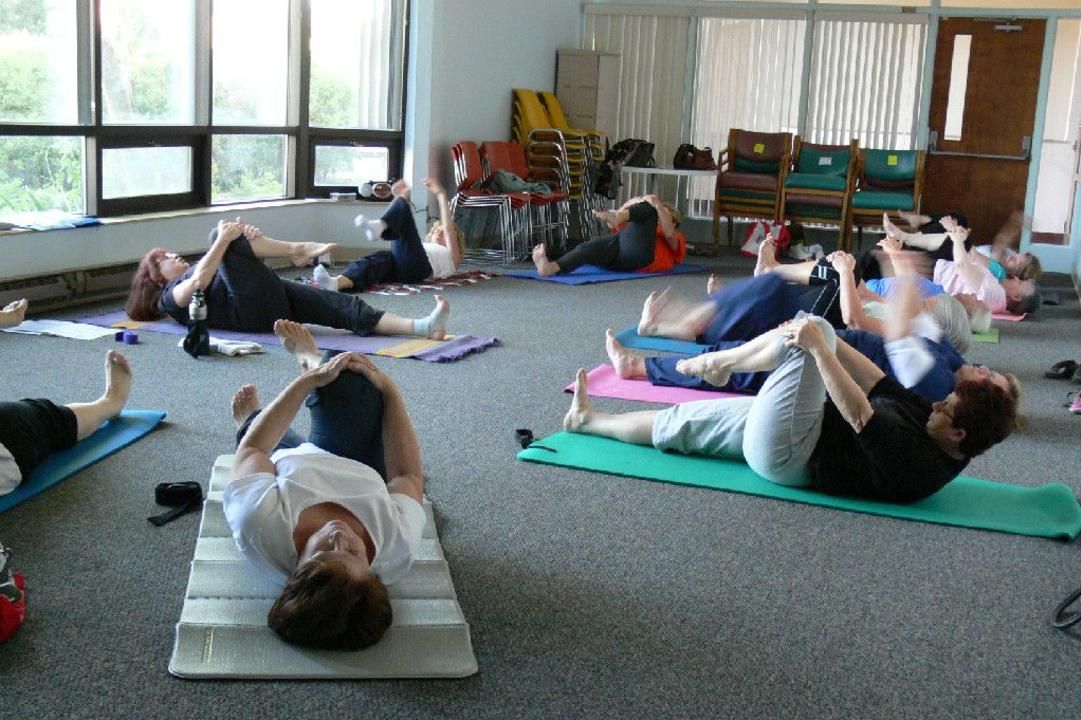
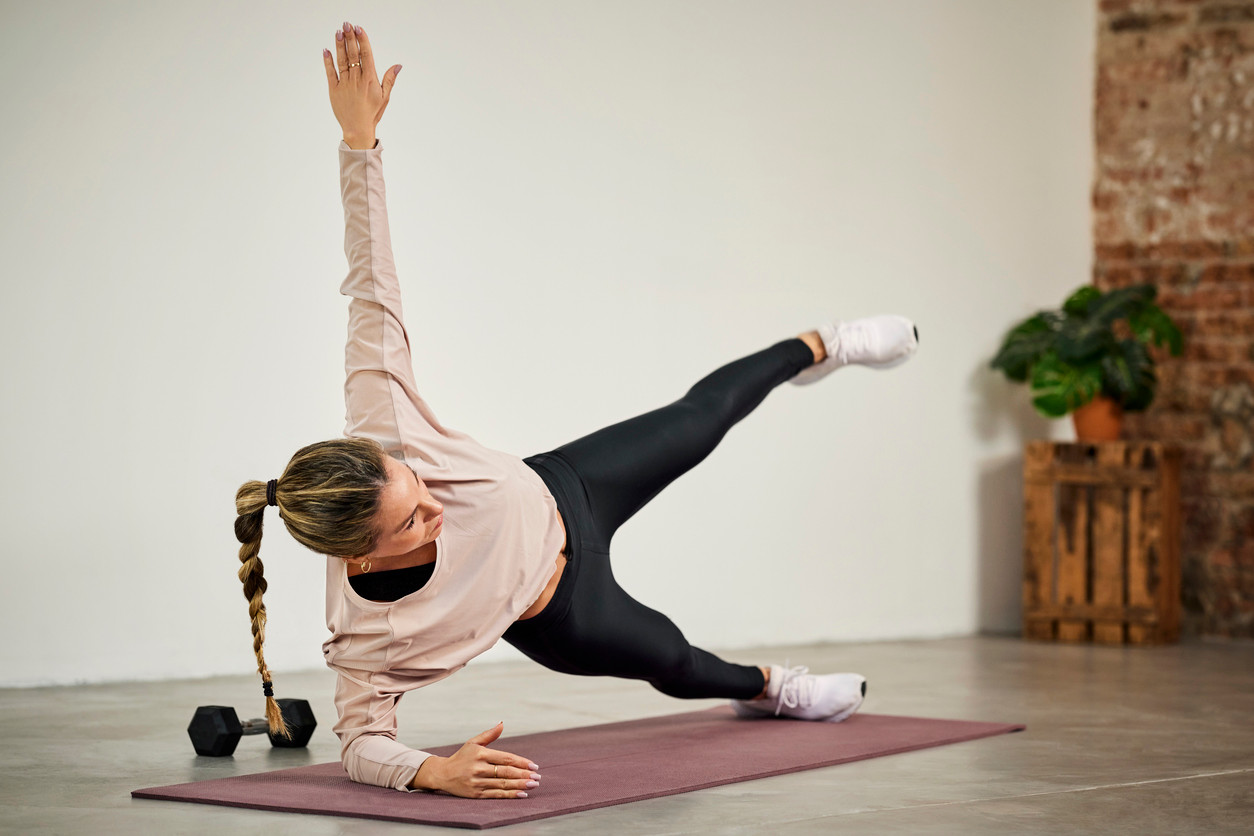
My hips were incredibly tight from sitting at a desk eight hours daily for years. Could barely touch my knees to my chest without serious discomfort. Started doing hip stretches every morning and evening consistently. Within three weeks the tightness decreased dramatically and my lower back pain completely disappeared. Honestly shocked how much better I felt from such simple movements.
Tight hips affect literally everything from walking to sitting to sleeping comfortably throughout the night. Most people don’t realize their hip tightness causes lower back pain, knee issues, and poor posture constantly. Modern life with endless sitting creates chronically tight hip flexors and weak glutes. Hip stretches address these imbalances restoring mobility and eliminating pain naturally. Just ten minutes daily of targeted stretching transforms how your body moves and feels.
These nine essential movements target every angle of your hip joint. No equipment needed, just your body and a small amount of floor space. Relief comes faster than you’d think possible with consistent practice daily.
Why Your Hips Need Daily Attention:
Sitting for hours daily shortens your hip flexors creating chronic tightness and restriction. Your psoas muscle literally adapts to the shortened seated position. Standing up doesn’t automatically reverse this adaptation. Hip stretches actively lengthen these muscles counteracting the damage from sitting all day.
Tight hips pull on your pelvis tilting it forward or backward. This misalignment causes lower back pain and poor posture. I suffered with back pain for years before discovering the root cause was my incredibly tight hips. Once I started regular hip stretches my back pain vanished within a month completely.
Your hips are the foundation for almost every movement you make. Walking, running, squatting, bending – all require mobile hips functioning properly. Limited hip mobility forces other joints to compensate in ways they shouldn’t. This compensation pattern leads to injuries elsewhere. Keeping hips mobile through consistent hip stretches prevents problems throughout your entire body.
The 9 Essential Hip Stretches:
1. Figure 4 Stretch:
Lie on your back with both knees bent and feet flat on the floor. Cross your right ankle over your left knee creating a figure 4 shape. Pull your left thigh toward your chest feeling the stretch deep in your right hip. Hold for 30 seconds then switch sides. This is one of the most effective hip stretches for targeting your piriformis muscle.
The piriformis sits deep in your glutes right over your sciatic nerve. When it’s tight you get pain radiating down your leg. I had terrible sciatic pain until I started doing this stretch daily. The relief was honestly immediate and life-changing.
Keep your head and shoulders relaxed on the floor throughout the stretch. Don’t yank your leg aggressively toward you. Gentle sustained pressure works way better than forcing anything. These hip stretches respond to patience not aggression.
2. Pigeon Pose:
Start in a plank position then bring your right knee forward placing it behind your right wrist. Extend your left leg straight behind you. Lower your hips toward the floor feeling an intense stretch in your right hip. Hold for 60 seconds breathing deeply then switch sides.
This yoga pose is brutal but incredibly effective for opening tight hips. I could barely hold it for 10 seconds initially. Now I can relax into it for a full minute comfortably. Progress with hip stretches happens faster than you’d expect.
Your front shin doesn’t need to be perpendicular to your body. Beginners keep the shin more diagonal which is totally fine. As flexibility improves you can work toward a more open hip angle. Listen to your body instead of forcing positions.
3. Butterfly Stretch:
Sit on the floor bringing the soles of your feet together. Let your knees fall out to the sides naturally. Gently press your knees toward the floor with your elbows. Hold this position for 45-60 seconds. Simple but extremely effective for inner thigh and hip mobility.
I do this stretch while watching TV in the evenings. Makes it feel less like a chore and more like relaxation. Consistency matters more than intensity with hip stretches. Doing them regularly beats occasional aggressive stretching sessions.
Don’t round your back forward trying to get lower. Keep your spine relatively straight. The stretch comes from your hips opening not from slouching forward. Quality of position matters more than how low you can go initially.
4. Low Lunge:
Step your right foot forward into a lunge position. Drop your left knee to the floor. Sink your hips forward feeling the stretch in your left hip flexor. Raise your arms overhead for a deeper stretch. Hold for 45 seconds then switch sides.
This stretch directly targets the hip flexors that get chronically tight from sitting. The first time I did these hip stretches properly I felt muscles I didn’t know existed. That’s how tight my hip flexors were from years of desk work.
Keep your front knee over your ankle not pushing past your toes. The stretch should feel intense but never painful. Sharp pain means you’ve gone too far. Back off slightly and breathe into the stretch instead.
5. Supine Hip Twist:
Lie on your back with arms out to the sides. Bring your right knee to your chest then twist it across your body toward the floor on your left side. Keep both shoulders flat on the ground. Hold for 45 seconds then switch sides.
This rotational stretch hits your hips from a completely different angle. Most hip stretches work in one plane of motion. This one involves rotation which is crucial for complete hip mobility. My golf swing improved noticeably once I added rotational hip stretches.
Let gravity do the work. Don’t force your knee to the floor. Just relax and breathe allowing the weight of your leg to gently stretch your hip. Over time your knee will get closer to the floor naturally.
6. Frog Stretch:
Get on your hands and knees then slowly spread your knees as wide as comfortable. Keep your ankles in line with your knees. Lower down onto your forearms if possible. Hold this position for 60-90 seconds breathing deeply.
This is one of the most intense hip stretches you can do. Targets your inner thighs and groin area aggressively. I felt ridiculous the first time I tried this but the relief in my hips was undeniable. Now it’s a non-negotiable part of my routine.
Move slowly into this position. Going too fast or too wide risks pulling something. Find your edge where you feel a good stretch without pain. Stay there and breathe. The stretch deepens naturally as muscles relax.
7. Standing Hip Circles:
Stand on one leg and lift the other knee to hip height. Slowly circle the lifted leg making the largest circles you can. Do 10 circles in each direction then switch legs. Dynamic movement instead of static stretching.
These hip stretches mobilize the joint through its full range of motion. I do these every morning before workouts. Gets my hips ready for whatever training I’m doing. Also helps identify any tightness or restriction before it becomes a problem.
Start with small circles if large ones feel awkward. The coordination improves quickly with practice. Soon you’ll be doing huge circles smoothly. This dynamic mobility work complements the static hip stretches perfectly.
8. 90/90 Stretch:
Sit on the floor with your right leg bent in front at 90 degrees. Your left leg bends behind you also at 90 degrees. Sit up tall feeling the stretch in both hips simultaneously. Hold for 60 seconds then switch sides.
This stretch is challenging initially. Most people can’t sit upright at all in this position. I had to lean heavily on my hands for support when starting. Months of consistent hip stretches improved my flexibility enough to sit relatively upright now.
Both hips get stretched at once which is incredibly efficient. Your front leg stretches external rotation while your back leg stretches internal rotation. Balanced mobility in both directions is crucial for healthy hip function.
9. Hip Flexor Wall Stretch:
Kneel with your back to a wall. Place the top of your rear foot against the wall. Step your front foot forward into a lunge. Sink your hips down and forward. Hold for 45 seconds then switch sides.
The wall prevents your rear leg from moving giving you a deeper hip flexor stretch. This is advanced compared to the basic low lunge. I worked up to this after months of regular hip stretches building flexibility gradually.
Keep your core engaged, preventing excessive lower back arching. The stretch should be in your hip not your back. Proper alignment ensures these hip stretches target the right muscles safely and effectively.
Daily Stretching Routine:
- Morning: Figure 4 stretch, Butterfly, Standing hip circles taking just 8-10 minutes total
- Mid-day: Low lunge and Supine twist during lunch break or between meetings quickly
- Evening: Pigeon pose, Frog stretch, 90/90 position for 15-20 minutes before bed
- Post-workout: All hip stretches held for 30-45 seconds each after training sessions
- Rest days: Longer holds of 60-90 seconds since you’re not training hard
- Consistency matters more than duration, even 5 minutes daily beats skipping completely
- Listen to your body adjusting which hip stretches you emphasize based on tightness
- Track progress noticing how positions feel easier over weeks and months
Understanding Hip Anatomy:
Your hip joint is a ball and socket allowing movement in multiple directions. Hip flexors lift your knee toward your chest. Glutes extend your hip backward. Adductors bring legs together. Abductors spread legs apart. All these muscles need flexibility for optimal hip function.
Most people have extremely tight hip flexors from sitting and weak glutes from lack of use. This imbalance causes anterior pelvic tilt pulling your lower back into excessive arch. Regular hip stretches lengthen the tight muscles while strengthening exercises activate the weak ones. Both are necessary for complete hip health.
I had a terrible anterior pelvic tilt for years. My stomach stuck out even though I wasn’t fat. The problem was my posture from tight hips. Hip stretches combined with glute exercises fixed my alignment completely. Now my posture is actually good.
1. Common Tightness Patterns:
Office workers typically have tight hip flexors and weak glutes from sitting constantly. Athletes often have tight external rotators from repetitive movement patterns. Runners frequently battle IT band tightness affecting hip mobility. Identifying your specific pattern helps prioritize which hip stretches to emphasize.
I’m definitely the office worker pattern. Ridiculously tight hip flexors, weak glutes, forward pelvic tilt. Hip stretches focusing on hip flexors made the biggest difference for me. Your pattern might be completely different requiring different emphasis.
2. The Posture Connection:
Your hip position determines your spinal alignment. Tight hips pull your pelvis out of neutral position. This affects your entire spine up to your neck. My chronic neck tension improved once I addressed my hip tightness. Everything connects in ways you don’t realize until fixing the root problem.
Forward head posture, rounded shoulders, lower back pain – all potentially stem from tight hips. These hip stretches address foundational issues that cascade throughout your body. Fix the foundation and everything built on top improves naturally.
3. Mobility vs Flexibility:
Flexibility is passive range of motion. Mobility is active range you can control with strength. You need both for healthy hips. Hip stretches build flexibility. Strengthening exercises build mobility. Don’t just stretch without also strengthening or you create unstable flexible joints.
I learned this lesson by pulling my hip doing dynamic movements. Had flexibility but not the strength to control that range. Now I combine hip stretches with exercises like clamshells and hip thrusts. The combination creates stable mobile hips instead of just loose ones.
Common Mistakes to Avoid:
- Bouncing or forcing stretches aggressively causing muscle guarding instead of relaxation
- Holding your breath during hip stretches reducing effectiveness dramatically
- Stretching cold muscles first thing without any warmup movement beforehand
- Only stretching when you feel tight instead of maintaining daily consistent practice
- Comparing your flexibility to others creating unrealistic expectations and frustration
- Rushing through stretches trying to check them off a list quickly
Progressive Improvement:
Start with shorter holds if you’re extremely tight initially. Maybe 15-20 seconds per stretch building up to 45-60 seconds gradually. Pushing too hard too fast causes injuries. I pulled my groin being overly aggressive with hip stretches when starting. Learned patience the hard way.
Track your progress subjectively noticing how positions feel over time. What felt impossible last month might be comfortable now. I couldn’t even attempt pigeon pose initially. Now it’s one of my favorite hip stretches. Progress happens slowly but compounds dramatically.
Take monthly progress videos in the same positions. Visual documentation reveals improvements you can’t feel day-to-day. I look back at old videos shocked at how tight I was. The gradual improvement becomes obvious when comparing months apart.
1. Beginner Modifications:
Use props like yoga blocks, cushions, or folded blankets under your hips. These modifications make hip stretches accessible while building flexibility. I used a thick cushion under my hips for frog stretching initially. Removed it after a few months once flexibility improved.
Don’t feel you need to match the full expression of each stretch immediately. Modify everything to your current ability. Progress comes from consistent practice at appropriate intensity. Forcing advanced positions before you’re ready just causes injury.
2. Advanced Variations:
Once basic hip stretches feel easy, add variations for deeper work. Pigeon pose can be done with your shin perpendicular instead of diagonal. Frog stretch can go deeper lowering your chest to the floor. These progressions keep challenging you as flexibility improves.
I’ve been stretching consistently for two years. The basic positions are comfortable now. Adding advanced variations keeps providing benefits and challenges. Hip stretches never stop improving your mobility if you keep progressing appropriately.
3. Measuring Flexibility:
Test your hip flexion by lying on your back and pulling one knee to your chest. Can you get it to your chest easily? How close does your other leg stay to the floor? These benchmarks show hip flexor and hamstring flexibility.
Test hip rotation in the 90/90 position. Can you sit upright or do you lean heavily on your hands? This shows rotational mobility. These hip stretches specifically target improving these measurable markers over time.
Integration with Exercise:
Hip stretches work perfectly paired with strength training. Stretch after workouts when muscles are warm and receptive. The training creates tightness, the stretching counteracts it. This combination maintains healthy hip function despite heavy training.
I lift weights four times weekly. Every session ends with 10 minutes of hip stretches. This routine keeps me mobile and pain-free despite moving heavy weights regularly. The stretching prevents the tightness that would otherwise accumulate.
Yoga and Pilates incorporate many of these hip stretches naturally. If you practice these disciplines, you’re already doing hip mobility work. Adding a few targeted stretches covers any gaps. Multiple approaches work – find what you’ll actually stick with consistently.
1. Sport-Specific Benefits:
Runners benefit enormously from hip stretches preventing IT band issues and knee pain. The repetitive motion of running creates tightness that stretching counteracts. I run three times weekly and stretch hips daily. Haven’t had IT band problems since establishing this routine.
Cyclists need mobile hips despite the seemingly limited range of motion. The bent hip position for hours creates chronic tightness. Regular hip stretches maintain mobility preventing lower back pain common among cyclists.
2. Injury Prevention:
Tight hips force other joints compensating in ways they shouldn’t. Knees, ankles, and lower back all suffer when hips don’t move properly. Many knee issues actually stem from hip immobility. These hip stretches address root causes preventing injuries elsewhere.
I used to have constant knee pain when running. Physical therapy revealed the problem was my hips not my knees. Hip stretches and strengthening fixed my knee pain completely. Never would have guessed knees and hips connected so directly.
Age-Related Considerations:
Hip mobility naturally decreases with age unless actively maintained. Older adults lose range of motion from inactivity and years of sitting. Regular hip stretches slow this decline dramatically. My 65-year-old mother started stretching hips daily. Her mobility improved significantly within months.
It’s never too late to start. Even people in their 70s and 80s can improve flexibility with consistent practice. Progress might be slower than younger people but it absolutely happens. These hip stretches work at any age when done appropriately.
Younger people should establish good habits now to prevent future problems. Starting hip stretches in your 20s or 30s means maintaining mobility into old age. Don’t wait until you’re stiff and in pain to address hip health.
Long-Term Consistency:
The biggest challenge is maintaining consistency over months and years. Initial motivation fades quickly. Building sustainable habits matters more than intense short-term effort. I stretch my hips daily now without thinking about it. The habit formed through consistent practice.
Attach hip stretches to existing routines. I stretch after my morning coffee and before bed. These anchors ensure I never forget. Find your own triggers making stretching automatic instead of requiring constant motivation.
Missing occasional days doesn’t ruin your progress. Life happens. Just resume your routine without guilt. I’ve missed plenty of days over the past two years. The overall consistency produces results despite imperfect adherence.
Conclusion
These nine hip stretches address every aspect of hip mobility when practiced consistently. Start with basic variations progressing to advanced positions gradually. Dedicate 10-15 minutes daily to hip stretching for optimal results. Combine stretching with strengthening exercises for stable mobile hips. Track progress noticing improvements over weeks and months. Your entire body functions better with healthy mobile hips supporting optimal movement patterns.
FAQs
1. How long until hip stretches show noticeable improvement?
Most people notice changes within 2-3 weeks of daily practice, significant mobility increases typically require 8-12 weeks consistently.
2. Should I stretch before or after workouts?
After workouts when muscles are warm, light dynamic hip stretches before training are okay but save deep static stretching.
3. Can hip stretches fix lower back pain?
Often yes, tight hips frequently cause back pain, addressing hip mobility eliminates back pain for many people completely.
4. How long should I hold each stretch?
Beginners start with 20-30 seconds, work up to 45-60 seconds per stretch as flexibility improves over time.
5. Are hip stretches safe for everyone?
Generally yes with proper form, people with hip injuries or replacements should consult doctors before aggressive stretching.
Summary
Nine essential hip stretches target every angle of hip mobility when practiced daily. Consistency over weeks produces noticeable improvements in flexibility and pain reduction. Combine stretching with strength training for optimal hip health. Start with modifications progressing to advanced variations gradually. Benefits extend throughout your entire body improving posture and movement quality.