I struggled with anxiety and brain fog for years until my therapist introduced me to brain exercises for mental health. Within weeks my focus improved and anxious thoughts decreased so much. These simple mental workouts genuinely transformed how my brain functions every single day.
Brain exercises for mental health are techniques that strengthen neural pathways, reduce stress, and improve how your brain works. These mental workouts target areas responsible for mood, memory, focus, and handling emotions. Regular practice helps with anxiety and depression while boosting overall mental wellbeing you’ll actually feel.
Ready to train your brain like you train your body? These ten brain exercises for mental health will sharpen your mind and calm racing thoughts. Let’s get started right now.
Understanding Brain Exercises for Mental Health:
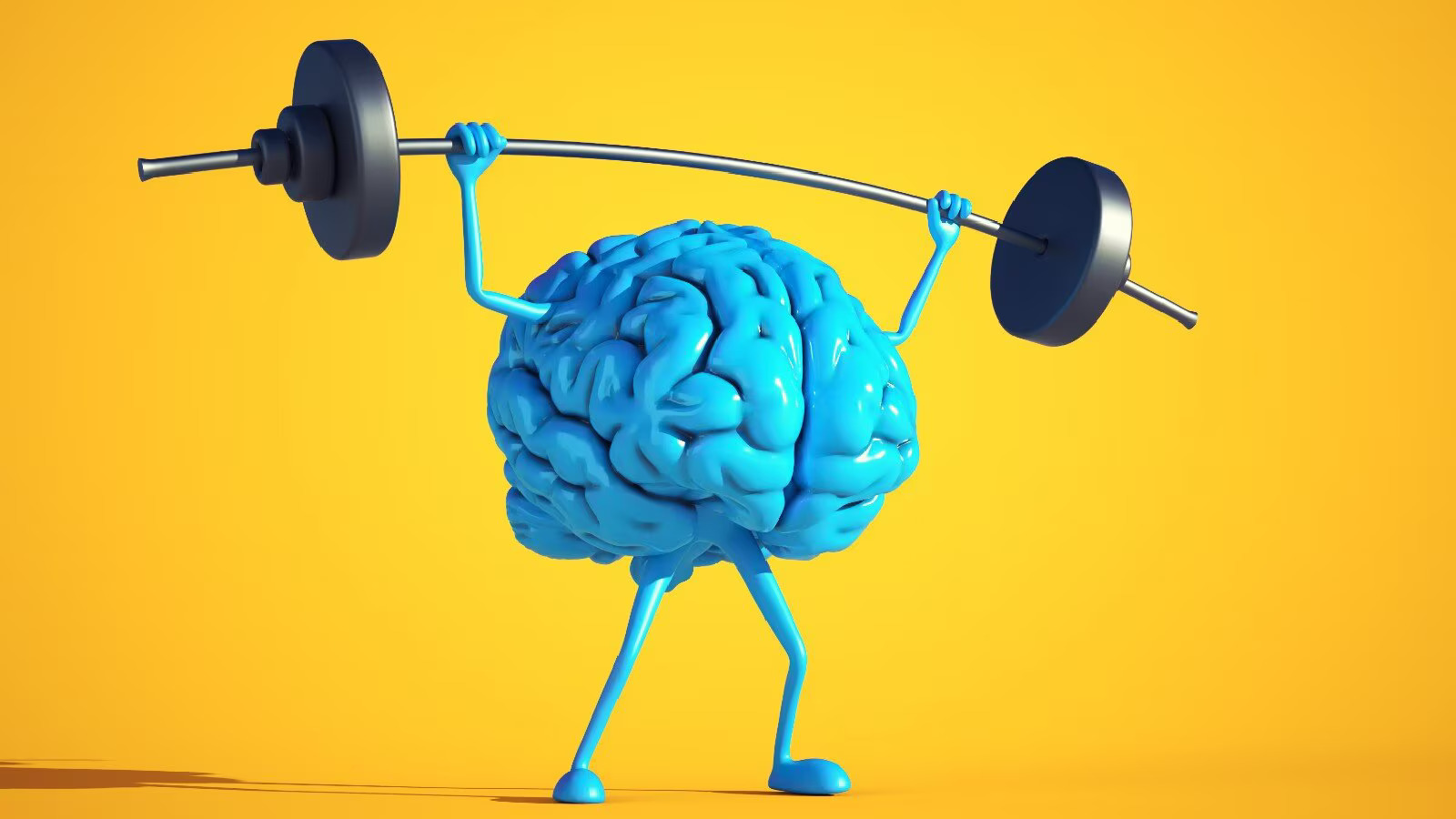
Brain exercises for mental health are activities that strengthen how well your brain works and help you manage emotions better. Your brain is like a muscle that gets stronger with the right workout, same as your biceps grow from lifting weights. I honestly thought my anxiety and terrible focus were just who I was until I learned that brain exercises for mental health could rewire how my brain operates.
The science behind this is pretty wild. When you practice brain exercises for mental health consistently, you’re creating new neural connections through something called neuroplasticity. Your brain adapts based on what you keep doing repeatedly. Negative thought patterns create these strong neural highways, but positive mental exercises build new healthier pathways. After about three weeks I noticed my default thoughts shifted from anxious to more balanced without me even trying.
Why Mental Exercise Matters as Much as Physical:
Most people know physical exercise helps mental health, but brain exercises for mental health directly target your thoughts and emotions in ways running can’t. While working out releases endorphins that boost your mood temporarily, mental exercises restructure how your brain processes thoughts long-term. I do both now and the combination is way more powerful.
Your brain uses about twenty percent of your body’s energy even though it’s only two percent of your body weight. Just like muscles get weak without use, your brain’s abilities decline without regular challenges. Brain exercises for mental health keep your mind sharp, improve memory, enhance problem-solving, and build resilience against anxiety and depression.
I used to rely completely on medication for my anxiety, but adding daily brain exercises for mental health reduced my symptoms so much my doctor lowered my dosage. These exercises aren’t a replacement for professional help, but they’re powerful tools alongside treatment.
1. Reduces Anxiety and Depressive Symptoms:
Brain exercises for mental health designed to interrupt negative thought spirals can seriously reduce anxiety and depression over time. Techniques like mindfulness meditation train your brain to observe anxious thoughts without getting caught up in them.
I used to spiral into full panic attacks regularly, but after weeks of practicing brain exercises for mental health, I catch anxious thoughts early and redirect them before they turn into panic.
This works by strengthening your prefrontal cortex, which controls emotional responses. When this part of your brain is developed through mental exercise, it can better manage the amygdala that triggers fear and anxiety.
Research shows people who regularly practice brain exercises for mental health have thicker prefrontal cortices and way better emotional control. The changes literally show up on brain scans which is pretty cool.
2. Improves Focus and Concentration:
Modern life constantly bombards us with distractions that shred our attention. Brain exercises for mental health that target attention can rebuild your ability to focus deeply. I couldn’t read a book chapter without checking my phone twenty times before this. Now I can focus for long stretches without that constant pull toward distraction that used to drive me nuts.
Attention is like a muscle that gets weaker without training. Specific brain exercises for mental health train your mind to hold focus despite distractions. This improved concentration spills over into work, relationships, and daily activities. My work performance improved so much once I could actually focus on tasks for more than ten minutes without my mind wandering.
3. Enhances Memory and Cognitive Function:
Memory gets worse as you age, but brain exercises for mental health can slow or even reverse this decline. Exercises that challenge your memory force your brain to form new neural connections. I used to forget why I walked into a room constantly which was frustrating, but after months of daily memory exercises my recall improved noticeably.
Working memory, your ability to hold and work with information temporarily, responds really well to brain exercises for mental health. Stronger working memory improves problem-solving, learning, and creativity. I can now follow complicated conversations and remember meeting details without constantly scribbling notes which makes me feel way more competent.
4. Builds Emotional Resilience:
Life throws curveballs constantly and emotional resilience determines how well you bounce back. Brain exercises for mental health strengthen neural pathways connected to emotional regulation. I used to get completely derailed by minor setbacks at work or in relationships. Now I recover much faster and keep perspective during difficult situations that would have destroyed me before.
Resilience isn’t about never feeling bad emotions, it’s about processing them effectively and bouncing back faster. Regular practice of brain exercises for mental health trains your nervous system to handle stress better. This resilience builds over time, making you progressively more capable of handling whatever life throws at you without falling apart.
The Ten Most Effective Brain Exercises:
These ten brain exercises for mental health are backed by research and proven effective through tons of studies. I practice several of these daily and rotate through others to keep my brain challenged. Each exercise targets different parts of mental health, so using multiple types gives you complete benefits.
- Mindfulness meditation trains you to stay present and stops you from obsessing over worries constantly
- Cognitive reframing challenges negative thoughts and builds more balanced thinking habits
- Working memory exercises strengthen your ability to hold and work with information
- Gratitude journaling rewires your brain to notice positive things automatically over time
- Visualization exercises activate the same brain areas as actually doing things physically
- Brain training games challenge how fast you process info and solve problems
- Deep breathing exercises activate your calming nervous system and reduce anxiety immediately
- Reading complex material strengthens neural connections and improves focus abilities
- Learning new skills creates entirely new neural pathways and keeps your brain flexible
- Social connection exercises because meaningful relationships are crucial for mental health
Exercise One – Mindfulness Meditation Practice:
Mindfulness meditation is one of the most researched brain exercises for mental health with thousands of studies confirming it works. This practice involves sitting quietly and observing your thoughts, feelings, and sensations without judging them. I was super skeptical because it seemed too simple to actually do anything. Turns out I was completely wrong, mindfulness meditation has helped my anxiety more than anything else I’ve tried.
Start with just five minutes daily and slowly increase the time as it gets easier. Sit somewhere quiet, close your eyes, and focus on your breath moving in and out. When your mind wanders, which it absolutely will constantly, gently bring your attention back to your breath without beating yourself up. This simple act strengthens neural pathways connected to focus and emotional control. Research shows regular mindfulness meditation physically changes your brain structure. I practice this brain exercise for mental health every morning for fifteen minutes now and it’s completely changed how I experience stress throughout my day.
Common Obstacles to Mental Exercise:
Even though brain exercises for mental health are super beneficial, people run into common obstacles that stop consistent practice. The biggest challenge I hit was impatience with the process. I desperately wanted immediate results and felt discouraged when changes weren’t obvious after just a few days. Mental exercise works gradually over weeks and months, not overnight which requires patience.
Another huge obstacle is thinking brain exercises for mental health are complicated or time-consuming. Tons of people assume they need special equipment or expensive apps. The truth is simple exercises done consistently beat complex techniques done sporadically every time. I started with basic practices requiring no equipment, just five to ten minutes daily. Brain exercises for mental health are accessible, literally anyone can start right now without excuses.
- Expecting immediate results instead of understanding brain changes take weeks to show up noticeably
- Skipping practice on busy or stressful days when mental exercise would benefit you most
- Judging yourself harshly for having a wandering mind during meditation or focus exercises
- Trying to do way too many exercises at once instead of mastering one or two first
- Practicing inconsistently which prevents cumulative benefits from building over time properly
- Believing you’re too damaged for brain exercises for mental health to possibly help you
- Not tracking any progress so you completely miss gradual improvements happening over weeks
Exercise Two – Cognitive Reframing Techniques:
Cognitive reframing is a powerful brain exercise for mental health that involves consciously challenging negative thought patterns. When you catch yourself thinking negatively, you examine that thought objectively and look for alternative perspectives.
I used to catastrophize constantly, turning tiny problems into end-of-the-world scenarios in my head. Learning to reframe these thoughts literally changed my entire life and how I experience daily stress.
The technique works by interrupting automatic negative thoughts before they spiral into anxiety or depression episodes. When you notice a negative thought, pause for a second and ask yourself questions like “Is this thought based on facts or just assumptions?” This questioning activates your thinking brain and reduces activity in your fear center.
I practice this brain exercise for mental health throughout my day whenever I notice anxious thoughts coming up. Over time the reframing becomes more automatic and your brain starts defaulting to balanced thinking.
Identifying Cognitive Distortions:
The first step in cognitive reframing involves recognizing common cognitive distortions that fuel anxiety or depression:
- All-or-nothing thinking where everything is either absolutely perfect or a complete disaster with zero middle ground
- Catastrophizing where you automatically assume the absolute worst outcome will definitely happen for sure
- Mind reading where you assume you know exactly what others are thinking without any evidence
- Fortune telling where you predict negative futures as if they’re certain guaranteed facts
- Overgeneralization where one single negative experience means everything will always go wrong forever
- Discounting the positive where you dismiss good things that happen as just flukes or luck
- Should statements that create massive guilt through rigid rules about how things should be
Exercise Three – Working Memory Challenges:
Working memory exercises are brain exercises for mental health that strengthen your ability to hold and manipulate information temporarily. Simple activities like mentally solving math problems or playing memory games challenge this function. I started with really easy exercises like remembering a four-digit number while doing a simple task, then slowly increased difficulty.
Strong working memory improves decision-making, learning, and emotional regulation because you can mentally hold multiple pieces of information while considering options. People with better working memory tend to have lower anxiety overall.
I practice working memory exercises through apps and simple mental challenges throughout my day. Even basic stuff like remembering your grocery list without writing it down counts as effective brain exercises for mental health.
Exercise Four – Gratitude Journaling Daily:
Gratitude journaling is simple but incredibly powerful brain exercise for mental health that rewires your brain to notice positive things automatically. Spend five minutes each day writing down three to five things you’re genuinely grateful for. I was really skeptical about this feeling too cheesy, but the research is solid and my experience confirmed it works amazingly well.
This practice trains your brain’s filtering system to look for positive information throughout your day. Your brain naturally has a negativity bias that helped our ancestors survive threats, but in modern life this contributes to anxiety and depression. Regular gratitude journaling creates new neural pathways that make noticing good things more automatic.
I practice this brain exercise for mental health every night before bed and it’s shifted my default perspective from focusing on what’s wrong to appreciating what’s going well.
Tracking Your Mental Fitness Progress:
Measuring progress with brain exercises for mental health keeps you motivated and helps identify which practices deliver the most benefit. I track several metrics including mood ratings, anxiety levels, how long I can focus, and specific symptoms I’m targeting. When you’re stuck in difficult mental health challenges, it’s super easy to miss gradual improvements happening.
Keep a simple log noting which brain exercises for mental health you practiced each day and how you felt before and after. Rate your overall mental state on a scale of one to ten daily to track trends. I was genuinely amazed looking back at my logs after two months and seeing how significantly my baseline anxiety had decreased even though day-to-day changes felt pretty minimal.
Exercise Five – Visualization and Mental Imagery:
Visualization is a brain exercise for mental health where you create detailed mental images of desired outcomes or peaceful scenes. Athletes use this technique to improve performance, but it’s equally effective for mental health by activating the same brain regions as actual experiences. I use visualization to mentally rehearse difficult conversations which massively reduces my anxiety when I face them in real life.
The practice works because your brain doesn’t distinguish much between vividly imagined experiences and real ones. When you visualize yourself handling a stressful situation calmly, you’re literally practicing that response pattern in your brain.
I spend ten minutes most mornings visualizing my day going smoothly and myself responding to challenges with calm confidence. This brain exercise for mental health primes my nervous system for positive outcomes and reduces anticipatory anxiety that used to plague me constantly.
Exercise Six – Brain Training Games and Apps:
Digital brain training games offer engaging brain exercises for mental health that challenge processing speed, memory, attention, and problem-solving. While some marketing claims are overstated, research confirms that challenging cognitive games improve specific mental functions with regular practice. I use brain training apps a few times weekly to keep my mind sharp.
The key is picking games that actually challenge you right at the edge of your current ability. Effective brain exercises for mental health should feel difficult but achievable with effort. I started with simple pattern recognition and memory games, slowly progressing to more complex challenges as my abilities improved. These games make mental exercise feel like fun rather than boring work which helps maintain consistency when motivation occasionally dips.
Exercise Seven – Deep Breathing Techniques:
Controlled breathing is one of the most immediate and effective brain exercises for mental health for reducing acute anxiety right in the moment. When you breathe deeply and slowly, you activate your parasympathetic nervous system which calms your body’s stress response. I use breathing exercises multiple times daily, especially when I feel anxiety rising or need to refocus scattered attention.
The most effective technique I’ve found is box breathing, inhale for four counts, hold for four, exhale for four, hold for four, and repeat. This simple practice immediately shifts your nervous system from fight-or-flight to rest-and-digest mode. Your brain gets more oxygen, your heart rate slows, and your thoughts become clearer.
I practice this brain exercise for mental health during stressful work moments, before difficult conversations, and whenever I notice physical symptoms of anxiety like chest tightness or racing thoughts.
Morning Breathing Routine:
Start your day with intentional breathing to set a calm tone:
- Practice five minutes of deep belly breathing immediately after waking before touching your phone
- Try alternate nostril breathing to balance your nervous system and improve mental clarity
- Use breath counting meditation by silently counting each exhale up to ten then starting over
- Really notice how your body and mind feel before and after breathing practice
- Combine breathing with positive affirmations or intentions for your day ahead
- Build this habit by doing it at the exact same time and place every morning
Exercise Eight – Reading Complex Material:
Reading challenging books or articles is an excellent brain exercise for mental health that strengthens neural connections and improves focus. Unlike mindlessly scrolling social media which fragments attention, reading sustained narratives or complex arguments trains your brain to maintain deep focus. I went from barely reading anything to finishing multiple books monthly after making this a consistent practice.
Choose material slightly above your current comfort level that requires genuine concentration to follow. Fiction builds empathy and emotional intelligence by immersing you in different perspectives.
Non-fiction challenges your analytical thinking and expands knowledge. I dedicate thirty minutes daily to focused reading as a brain exercise for mental health and my attention span has improved dramatically in all areas of life.
Exercise Nine – Learning New Skills Continuously:
Acquiring new skills creates entirely new neural pathways and keeps your brain plastic and adaptable. Learning a language, instrument, sport, or any complex skill challenges your brain. I took up learning Spanish last year and the mental challenge genuinely improved my overall cognitive abilities beyond just language skills.
The learning process itself is the brain exercise for mental health, not just reaching mastery. When you struggle with new material, make mistakes, and gradually improve, you’re strengthening your brain’s ability to adapt and grow.
This builds confidence and resilience that carries over into other areas. I practice new skills in small daily sessions rather than occasional marathon sessions which research shows is more effective.
Exercise Ten – Meaningful Social Connection:
Social connection might not seem like a traditional brain exercise for mental health, but meaningful relationships are absolutely crucial for emotional wellbeing and cognitive function. Engaging in deep conversations, empathizing with others, and navigating social dynamics all challenge your brain. I’m naturally introverted and used to isolating myself when stressed, but forcing myself to maintain social connections dramatically improved my mental health.
Quality matters way more than quantity with social connection as a brain exercise for mental health. One deep conversation with a trusted friend provides more benefit than superficial interactions with dozens of acquaintances. I make sure to have at least one meaningful social interaction weekly even when my instinct is to hide at home. These connections remind me I’m not alone and provide perspective my anxious brain can’t generate internally.
Building a Sustainable Mental Exercise Routine:

Creating a sustainable routine with brain exercises for mental health requires starting really small and building gradually. Don’t try to implement all ten exercises immediately which just leads to overwhelm and abandoning the practice completely. I started with literally just five minutes of meditation daily, then added other practices gradually as that first habit became automatic.
Connect brain exercises for mental health to habits you already do through habit stacking for better consistency. I do breathing exercises while my morning coffee brews, practice gratitude journaling right before brushing my teeth at night, and read during lunch break. These anchors to existing routines make new habits stick way better than relying on motivation alone which fluctuates constantly.
Overcoming Mental Exercise Resistance:
Your brain will resist brain exercises for mental health initially because change requires energy and your brain prefers efficient established patterns. I experienced intense resistance when starting meditation, my mind screamed that sitting still was a waste of time. This resistance is totally normal and doesn’t mean the practice isn’t working or isn’t for you.
Push through the initial resistance for at least three weeks before judging whether a practice works for you. Neuroplasticity takes time and most people quit before experiencing cumulative benefits.
I committed to thirty days of daily meditation despite hating it initially, and by day twenty I actually looked forward to the practice. The resistance transformed into genuine enjoyment once my brain adapted to the new routine.
Long-Term Mental Health Transformation:
Committing to brain exercises for mental health long-term creates profound transformation in how you experience life and handle challenges. These aren’t quick fixes but rather fundamental changes in how your brain operates. I’ve practiced various brain exercises for mental health for over two years now and the person I am today is drastically different from who I was before starting.
The compound effects of consistent mental exercise are remarkable and keep building over months and years. Skills and resilience developed through brain exercises for mental health become your new baseline rather than something you consciously practice. My anxiety which once controlled my life is now manageable and doesn’t interfere with my goals or relationships anymore. This transformation came from simple daily practices that seemed too basic to work, but consistency proved more powerful than I imagined.
Conclusion
Brain exercises for mental health offer powerful methods to improve cognitive function, reduce anxiety and depression, and build lasting emotional resilience. These ten practices target different aspects of mental wellbeing through consistent training that rewires your brain. Start with one or two exercises today and build gradually for sustainable transformation.
FAQs
How long before brain exercises for mental health show results?
Most people notice subtle improvements within two to three weeks of consistent daily practice, with significant changes becoming apparent after two to three months.
Can brain exercises for mental health replace therapy or medication?
No, these exercises complement professional treatment but shouldn’t replace therapy or medication prescribed by your healthcare provider for diagnosed conditions requiring professional care.
How much time should I dedicate to brain exercises for mental health daily?
Start with just five to ten minutes daily and gradually increase to twenty to thirty minutes as practices become easier and more automatic.
Which brain exercise for mental health is most effective overall?
Mindfulness meditation has the most research support and broad benefits, though combining multiple exercises tailored to your needs delivers the best results.
Are brain exercises for mental health effective for severe mental illness?
These exercises can help manage symptoms when combined with professional treatment, but severe mental illness requires comprehensive care including therapy and possibly medication.
Summary
These ten powerful brain exercises for mental health strengthen neural pathways, reduce stress and anxiety, and improve overall cognitive function through consistent practice. Start with one simple exercise today, build gradually, and experience genuine mental health transformation through rewiring your brain.