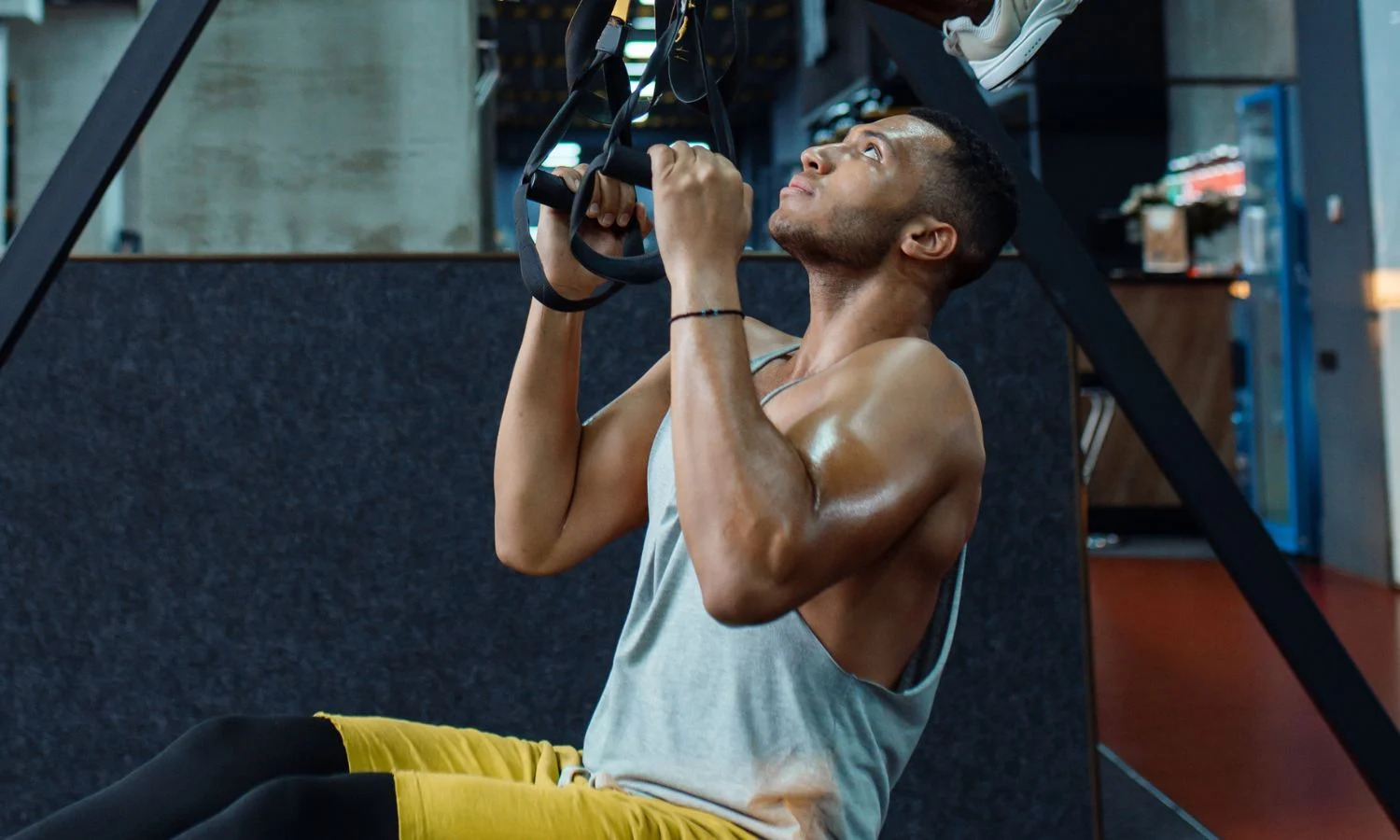
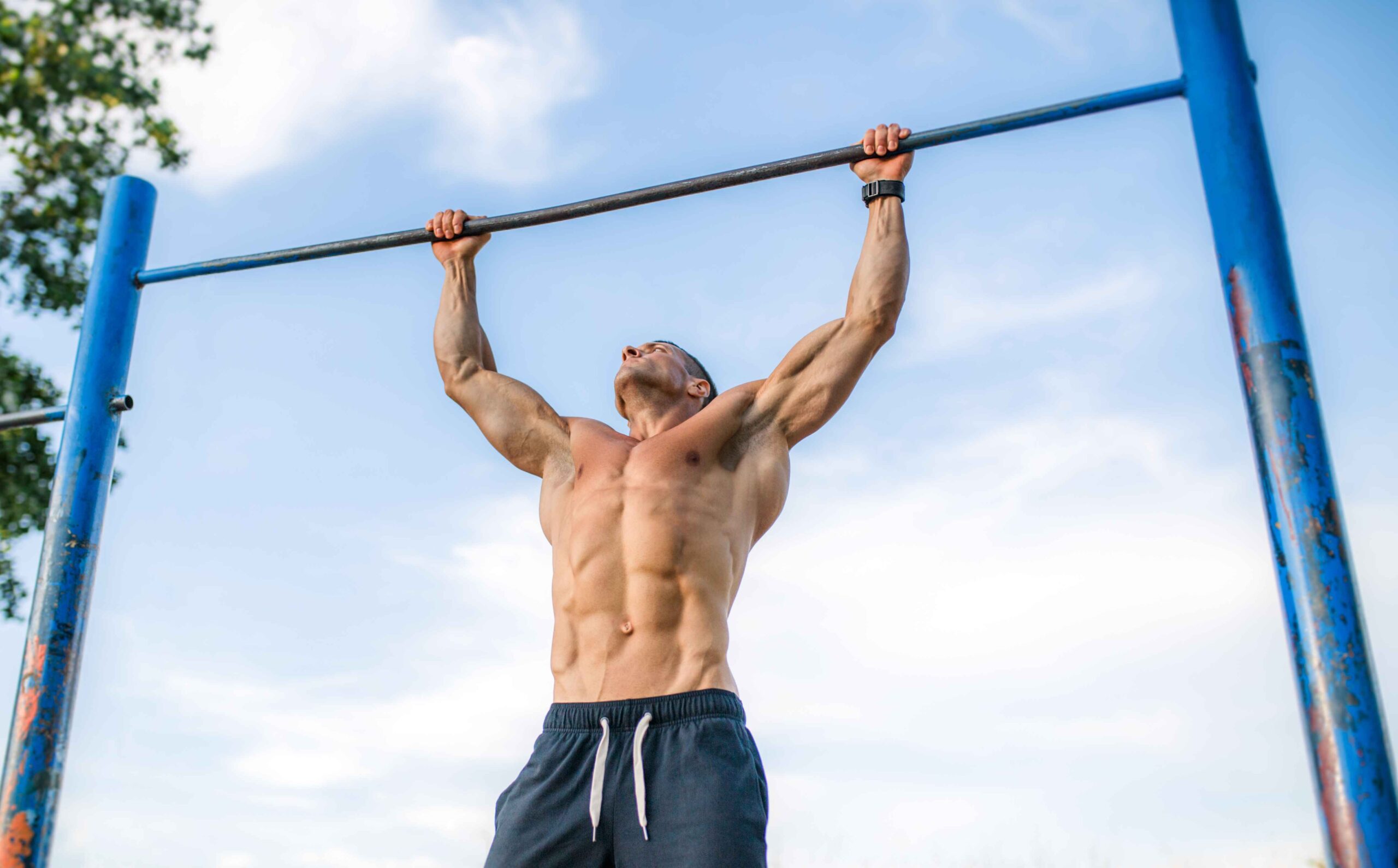
Last winter, my physical therapist watched me struggle reaching overhead cabinets because shoulder pain limited my range completely. She had me just hang from a pull-up bar for ten seconds. Those ten seconds felt like an eternity, my grip screaming, shoulders burning, but something about that dead hang exercise immediately felt right, like my body was begging for it.
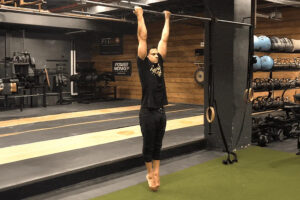
The dead hang exercise involves simply hanging from a bar with straight arms, letting gravity decompress your spine and shoulders naturally. Our ancestors climbed, swung, and hung from things constantly, but modern life has completely eliminated these movement patterns from our daily existence. Spending hours hunched over keyboards creates shoulder dysfunction, poor posture, weak grip strength, and spinal compression that the dead hang exercise addresses more effectively than any complicated rehabilitation protocol.
Stop throwing money at fancy therapy equipment and complicated stretching routines. Sometimes the simplest solutions work best, and the dead hang exercise might be the missing piece your body desperately needs.
How Years of Desk Work Destroyed My Shoulder Function:

Looking back, I can pinpoint exactly when my shoulder problems started—about two years into my first office job where I sat hunched over a computer eight hours daily. My shoulders gradually rolled forward, my upper back rounded, and this terrible posture became my new default position. I didn’t notice the slow degradation happening because it was so gradual, like watching yourself age in the mirror.
The pain started as occasional discomfort reaching overhead or sleeping on my side. Then it progressed to constant nagging aches that wouldn’t go away no matter how much ibuprofen I took. My range of motion decreased to where I couldn’t comfortably reach the top shelf in my kitchen without sharp pinching sensations. Simple activities like putting on a jacket or reaching into the backseat of my car became legitimately painful experiences.
I tried everything before discovering the dead hang exercise—physical therapy focused on stretching, massage therapy, chiropractic adjustments, expensive ergonomic office equipment. These interventions provided temporary relief but never addressed the underlying problem. My shoulders had essentially forgotten how to function properly because I’d spent years never using them through their full range of motion or allowing them to decompress under traction.
What Happened When I Started Practicing Dead Hang Exercise Daily:
My physical therapist’s instruction was stupidly simple: hang from a pull-up bar every single day, working up to holding the dead hang exercise for at least 60 seconds total. Start with whatever I could manage, even if that was just five-second hangs, and gradually build from there. She emphasized that this wasn’t about strength or pulling myself up—just passive hanging with straight arms, letting gravity do the work.
Those first attempts at the dead hang exercise were absolutely humbling. My grip would give out after maybe eight seconds, and my shoulders felt incredibly uncomfortable in ways I couldn’t quite describe. Not painful exactly, but definitely not pleasant either. Everything felt tight and restricted, like my shoulders were locked in place and didn’t want to open up despite gravity literally pulling them down.
But I stuck with it because I was desperate and had nothing to lose. Every morning before showering, I’d hang from the pull-up bar I installed in my doorway. First week, I could barely accumulate 20 seconds total across multiple short hangs. Second week, I was up for 30 seconds. By the fourth week, I could hold a continuous dead hang exercise for 25 seconds, which felt like massive progress compared to where I’d started.
The shoulder changes started becoming noticeable around week three. That constant nagging ache I’d been living with for months began decreasing. My range of motion improved to where reaching overhead didn’t create the same pinching sensations. My posture started naturally improving because my shoulders could actually sit in their proper position instead of being locked forward. The dead hang exercise was literally reversing years of dysfunction in just weeks.
1. Understanding the Shoulder Decompression Effect:
The dead hang exercise creates traction forces that gently separate your shoulder joints, increasing the space within the joint capsule. This decompression releases pressure on irritated tissues, reduces inflammation, and allows better fluid movement that promotes healing. Your shoulders spend all day compressed from gravity and poor posture pushing them together—the dead hang exercise reverses this chronic compression.
When I first started the dead hang exercise, I could actually feel things shifting and moving in my shoulder joints in ways they hadn’t for years. Sometimes there’d be these little pops or cracks as things settled into better positions. My PT explained this was totally normal—my shoulders were basically waking up from years of being stuck in dysfunctional patterns.
2. Improving Shoulder Mobility Through Passive Stretching:
The dead hang exercise stretches your lats, chest, and all the connective tissues around your shoulder girdle without any active effort. Gravity provides the stretching force while you just relax and hang there. This passive approach works better than aggressive manual stretching because your nervous system doesn’t fight against it—you’re not forcing anything, just allowing.
My shoulder flexibility improved dramatically from consistent dead hang exercise practice. Movements that used to feel restricted and limited suddenly had more range. I could reach further behind my back, lift my arms higher overhead, and generally just move my shoulders through bigger ranges without any discomfort or binding sensations.
3. Strengthening Grip Without Dedicated Grip Training:
Your forearm and hand muscles work incredibly hard during the dead hang exercise just to keep you attached to the bar. This constant isometric contraction builds serious grip endurance without needing any fancy grip training tools. My grip strength probably doubled in a couple months just from daily dead hanging practice.
Opening stubborn jar lids became effortless. Carrying heavy grocery bags felt easier. My handshakes got noticeably firmer, which sounds silly but people actually commented on it. All from the dead hang exercise building my grip as a secondary benefit while primarily working my shoulders.
4. Spinal Decompression Benefits Nobody Talks About:
Beyond shoulder health, the dead hang exercise creates spinal traction that decompresses your vertebrae. Gravity pulls your entire body downward while your hands hold you up, creating this gentle stretching force through your entire spine. People who deal with chronic back pain often find massive relief from regular dead hanging practice.
I noticed my posture improving overall—not just shoulders but my entire spine alignment seemed better. That compressed feeling I’d carry around after long days sitting completely disappeared once I made the dead hang exercise a daily practice. My spine felt longer, more open, like I’d gained an inch of height just from decompressing everything regularly.
Essential Equipment and Setup for Dead Hang Exercise:
- Doorway pull-up bar that mounts securely without damaging frames works perfectly for home practice
- Outdoor playground equipment with sturdy overhead bars provides free training opportunities anywhere
- Gym pull-up stations offer various grip widths and comfortable bar diameters for dead hang exercise
- Rings or TRX-style suspension trainers create unstable grips that increase difficulty and engagement
- Chalk or lifting straps help if grip strength limits your dead hang exercise duration initially
- Padded gloves protect hands during longer holds though eventually your skin toughens naturally
- Sturdy step stool or box helps you reach the bar and dismount safely
My Progression Protocol That Built 60-Second Dead Hangs:
Starting from barely managing five-second holds to eventually hitting clean 60-second dead hang exercise holds took me about three months. The progression wasn’t linear—some weeks I’d make big jumps, other weeks I’d seemingly plateau or even regress slightly. Consistency mattered way more than any individual session’s performance.
I followed a simple protocol my PT outlined: hang until my grip gives out or I hit 30 seconds, whichever comes first. Rest for about a minute, then repeat. Try to accumulate 60 total seconds across as many sets as needed. Once I could do 60 seconds in two hangs or less, the goal shifted to hitting that full minute in a single unbroken dead hang exercise hold.
Breaking through plateaus required small variations to the basic dead hang exercise. Sometimes I’d use different grip widths—wider or narrower than my standard shoulder-width grip. Other times I’d focus on actively pulling my shoulder blades down instead of just passively hanging. These slight modifications challenged my body differently and helped push past sticking points.
1. Building Initial Grip Endurance:
Grip failure limited my dead hang exercise duration way before my shoulders fatigued initially. My hands would just open involuntarily after several seconds no matter how hard I tried holding on. This is completely normal for beginners—your grip needs time adapting to supporting your full bodyweight.
Using lifting straps during some dead hang exercise sessions allowed me to work shoulder decompression even when grip was fried. I’d alternate—some days straps to extend hang time and maximize shoulder benefits, other days no straps to specifically build grip. This balanced approach developed both simultaneously.
2. Adding Active Scapular Engagement:
Once passive dead hang exercise became comfortable, adding active shoulder blade depression increased the difficulty and benefits. Instead of just hanging limp, you actively pull your shoulder blades down away from your ears while maintaining straight arms. This engages your lats and lower traps more intensely.
The active variation of the dead hang exercise feels completely different from passive hanging. Your shoulders work way harder, fatigue sets in much faster, but the strengthening effect on your shoulder stabilizers increases dramatically. I still do mostly passive hangs for decompression but include active variations maybe once or twice weekly.
3. Progressing to Single-Arm Dead Hangs:
Single-arm dead hang exercise represents a major progression requiring significantly more grip strength and shoulder stability. Your body wants to rotate as you’re hanging from one arm, forcing your core and shoulders to work overtime preventing that rotation. These are brutally difficult even for short durations.
I still can’t hold a single-arm dead hang exercise for more than maybe ten seconds per side. That’s a long-term goal I’m working toward gradually. The unilateral demand exposes that my left side is noticeably weaker than my right, which I’m addressing through extra single-arm practice on that side.
Common Dead Hang Exercise Mistakes That Limit Results:
Shrugging your shoulders up toward your ears during the dead hang exercise prevents proper decompression and creates unnecessary tension. Your shoulders should be actively depressed—pulled down away from your ears—creating maximum space in the shoulder joints. This distinction between letting everything go limp versus maintaining some scapular control matters enormously.
Bending your arms even slightly turns the dead hang exercise into an isometric pull-up hold, which is a completely different movement targeting different muscles. Your arms must stay completely straight, elbows locked out, to achieve the decompression and mobility benefits the dead hang exercise provides. I catch myself sometimes starting to bend my elbows when fatiguing, and I immediately straighten them or end the set.
Holding your breath creates artificial core tension and prevents you from relaxing into the dead hang exercise fully. Maintain normal breathing throughout—this isn’t a max effort lift where breath holding helps. Breathing normally allows your body to relax more completely into the traction forces.
1. Grip Width Considerations:
Too wide a grip limits how long you can hold the dead hang exercise and can create shoulder discomfort for some people. Too narrow causes your body to swing more and feels unstable. Shoulder-width or slightly wider works best for most people’s anatomy, allowing comfortable hanging without unnecessary joint stress.
I experimented with different grip widths during my first month of dead hang exercise practice. Super wide grips made my shoulders feel sketchy and limited my hang time significantly. Narrower grips felt more stable but still slightly awkward. The sweet spot for me ended up being just outside shoulder-width—close enough for stability but wide enough for good shoulder positioning.
2. Dismounting Safely After Fatigue:
Dropping straight down from the dead hang exercise onto hard floors with zero control invites ankle or knee injuries, especially when your grip suddenly fails. Always have a step stool or box positioned so you can step down with control, or practice bending your knees and dropping the last foot or so with proper landing mechanics.
I face-planted once when my grip gave out unexpectedly during a dead hang exercise and I wasn’t prepared. Luckily I didn’t get hurt beyond some bruised pride, but it taught me to always position my landing carefully and stay present mentally throughout the entire hang.
The Dead Hang Exercise Warm-Up Routine I Never Skip:
Before attempting max-duration dead hang exercise holds, warming up your shoulders and grip prevents injuries and improves performance. I spend five minutes doing arm circles, shoulder rolls, and light stretching to get blood flowing into all the relevant tissues. This prep work makes a noticeable difference in how comfortable those first hangs feel.
Ramping up gradually rather than immediately going for max hangs protects your joints and connective tissues. I do a couple shorter dead hang exercises at maybe 50 to 60 percent effort before attempting anything challenging. These sub-maximal hangs groove the movement pattern and give my body a chance to adapt before the hard work starts.
Dynamic shoulder mobility exercises like wall slides and band pull-aparts specifically prepare the movement patterns the dead hang exercise requires. My shoulders feel way more open and ready after these activation drills compared to just jumping straight onto the bar cold.
1. My Pre-Dead Hang Exercise Mobility Sequence:
Arm circles in both directions for 20 reps each way gets my shoulders moving through full range of motion. Then I do shoulder shrugs—pulling them up toward my ears then actively depressing them down—to practice the scapular control needed during the dead hang exercise. Band pull-aparts for 15 to 20 reps activate my upper back and rear delts.
This entire sequence takes maybe four minutes total but prepares my shoulders perfectly for dead hang exercise work. The difference in how comfortable and stable I feel hanging is night and day compared to skipping the warm-up.
2. Post-Dead Hang Exercise Recovery:
After finishing my dead hang exercise work, I spend a couple minutes gently stretching my forearms and hands since they’ve been working so hard. Simple wrist flexion and extension stretches, opening and closing my hands repeatedly, and shaking everything out helps manage the fatigue and prevents excessive stiffness later.
Light massage or foam rolling my forearms feels amazing after longer dead hang exercise sessions. The constant gripping creates lots of tension in those muscles, and breaking it up manually aids recovery and reduces next-day soreness.
Troubleshooting Pain and Discomfort During Dead Hang Exercise:
Sharp pain in your shoulders during the dead hang exercise isn’t normal and suggests you’re not ready for full bodyweight hanging yet. Use a resistance band looped over the bar for assistance, standing on it to reduce how much weight your shoulders support. This regression allows you to work the movement pattern without overwhelming compromised joints.
Elbow pain during dead hang exercise usually indicates you’re not keeping your arms fully straight or you’re gripping too aggressively. Focus on completely locking out your elbows and gripping the bar firmly but not with a death grip that creates unnecessary tension through your arms.
Hand pain from the bar digging into your palms gets better as your skin toughens, but using a slightly thicker bar diameter or adding thin padding can help initially. I dealt with pretty gnarly calluses and sore hands for the first few weeks of dead hang exercise before my skin adapted. Now my hands are noticeably tougher and hanging doesn’t create the same discomfort.
1. Working Around Shoulder Injuries:
If you’ve got existing shoulder injuries or severe dysfunction, work with a physical therapist before attempting full dead hang exercise. They can assess your specific situation and provide appropriate regressions or alternative exercises that build toward hanging safely. Pushing through significant pain just creates more damage.
My PT had me do wall angels and other corrective exercises for two weeks before even attempting the dead hang exercise. That preparation built some baseline shoulder function so hanging didn’t absolutely wreck me. Skipping this foundational work would’ve probably made things worse rather than better.
2. Grip Fatigue Management Strategies:
If grip strength limits your dead hang exercise before your shoulders get adequate work, several strategies help. Using lifting straps occasionally allows longer hangs focused purely on shoulder decompression without grip interference. Chalk improves friction, helping you hold on longer before your grip fails.
Alternating between regular dead hang exercise and active variations changes which structures fatigue first, allowing more total training volume. When my grip is fried from passive hangs, switching to active scapular hangs uses different muscles and lets me keep training.
Integrating Dead Hang Exercise Into Different Training Styles:
Powerlifters and strength athletes benefit from dead hang exercise improving shoulder health and grip endurance for heavy pulling movements. I now do dead hangs as part of my warm-up before deadlift sessions, and my grip endurance during heavy sets improved noticeably. The shoulder decompression also helps my overhead press feel smoother.
CrossFit and functional fitness athletes need bulletproof shoulders for all the gymnastics movements and overhead work their training demands. Regular dead hang exercise practice builds the shoulder resilience to handle high-volume kipping pull-ups, handstand work, and overhead squats without developing overuse injuries.
Climbers naturally do lots of hanging, but dedicated dead hang exercise with full bodyweight still provides benefits. The complete relaxation and passive decompression differs from dynamic climbing hangs where you’re constantly engaged and shifting. Climbers I know incorporate dead hanging for active recovery and injury prevention.
1. Dead Hang Exercise for Office Workers:
If you sit at a desk all day, the dead hang exercise might be the single most valuable movement you could add to your routine. That constant shoulder compression and forward rounding from keyboard work creates dysfunction the dead hang exercise directly counters. I keep a pull-up bar in my home office doorway and hang for 20 to 30 seconds every couple hours.
These brief dead hang exercise breaks throughout the day make a massive difference in how my shoulders feel by evening. Instead of ending the workday with tight, achy shoulders, I finish feeling relatively loose and comfortable. The cumulative effect of multiple short hangs seems even better than one longer session.
2. Athletes Using Dead Hang Exercise for Recovery:
The dead hang exercise works beautifully as active recovery between intense training sessions. The gentle traction and mobility work aids recovery without adding any real training stress. I use hanging sessions on rest days, focusing on longer duration holds with complete relaxation rather than any intensity.
This active recovery approach seems to reduce muscle soreness and improve my range of motion before the next hard session. My shoulders feel more prepared to train hard again after a day including some dead hang exercise work compared to complete rest.
Advanced Dead Hang Exercise Variations and Progressions:
Weighted dead hang exercise using a dip belt or weighted vest increases the traction forces, providing more intense decompression. I’m not at this level yet, but I’ve seen advanced practitioners using 25 to 50 pounds added for short-duration weighted hangs creating ridiculous shoulder opening and grip challenges.
L-sit dead hang exercise combines core work with the shoulder benefits, holding your legs extended straight out in front at 90 degrees while hanging. This variation is brutally difficult, working your abs intensely while maintaining all the dead hang exercise benefits. I can barely hold the L-position for five seconds currently.
Dynamic dead hang exercise variations include gentle swinging or rotating your body while hanging, moving through different ranges while maintaining the basic hang position. These movements create additional mobility work through your shoulders and spine compared to just static holding.
1. Ring Dead Hang Exercise for Instability:
Hanging from gymnastic rings instead of a fixed bar adds significant instability requiring more shoulder stabilizer engagement. The rings want to rotate and shift, forcing your shoulders to work harder maintaining position. This variation definitely increases difficulty and provides different training stimulus.
I bought gymnastic rings for home use specifically to progress my dead hang exercise beyond what fixed bars offer. The instability makes even short hangs way more challenging, and I notice my shoulder stabilizers working much harder preventing the rings from rotating outward.
2. One-and-a-Half Grip Dead Hang Exercise:
This weird variation has you gripping the bar normally with one hand while your other hand grips your wrist. It creates an asymmetric load challenging your shoulders differently and building unilateral stability. Switching sides each set addresses imbalances and weaknesses you can’t work with standard bilateral hangs.
The one-and-a-half grip dead hang exercise exposes that my left shoulder is noticeably weaker and less stable than my right. I can feel it struggling more to maintain position compared to when my right shoulder takes the primary load. This information helps me address those imbalances through targeted work.
Tracking Your Dead Hang Exercise Progress Over Time:
Timing your hangs with a stopwatch provides objective progress measurement. I record my longest single hang and total accumulated time across multiple sets after each session. Watching those numbers gradually increase over weeks proves the training is working even when daily progress isn’t obvious.
Video recording your dead hang exercise occasionally reveals form issues you can’t feel. I filmed myself and discovered I was shrugging my shoulders way more than I realized, reducing the decompression benefits. Correcting that compensation based on video feedback improved my results noticeably.
Subjective improvements in shoulder comfort, range of motion, and daily pain levels often matter more than pure hang duration numbers. I track how my shoulders feel during various activities—reaching overhead, sleeping on my side, putting on shirts—and those real-world improvements demonstrate the dead hang exercise is genuinely fixing dysfunction.
Setting Reasonable Dead Hang Exercise Goals:
Working up to 60-second continuous hangs represents a solid foundational goal that most people can achieve with consistent practice. Beyond that point, you can pursue longer durations, weighted variations, or more advanced progressions depending on your interests.
I initially set a three-month goal of hitting one unbroken 60-second dead hang exercise. Achieving that felt incredibly satisfying and proved I’d built real capability from essentially zero. Now my goals focus more on maintaining that ability and exploring different variations rather than chasing extreme duration numbers.
Conclusion
The dead hang exercise transformed my shoulder health from chronically painful and dysfunctional to comfortable and mobile through one stupidly simple daily practice. No fancy equipment, complicated techniques, or expensive therapy required—just consistent hanging practice letting gravity decompress everything. If you’ve got shoulder issues from modern life, try dead hanging daily for a month and prepare to be shocked at the results.
FAQs
How long should beginners hold the dead hang exercise initially?
Start with whatever you can manage, even five seconds. Gradually build to accumulating 60 total seconds across multiple short hangs before pursuing longer single holds.
Can the dead hang exercise fix rotator cuff problems?
It often helps by improving shoulder positioning and reducing impingement, though severe rotator cuff damage may require professional medical treatment and rehabilitation programming.
Should my feet touch the ground during dead hang exercise?
No, you need complete bodyweight suspension for proper traction effects. Use a higher bar or bend your knees if needed to clear the ground.
How often should I practice dead hang exercises weekly?
Daily practice works well since intensity is low. At minimum, three to four sessions weekly provides enough stimulus for shoulder health improvements.
Is dead hang exercise safe during pregnancy?
Consult your doctor, but generally yes in early pregnancy. Later stages when relaxing hormone loosens joints may require more caution or modified approaches.
Summary
The dead hang exercise addresses shoulder dysfunction, poor posture, weak grip strength, and spinal compression through one accessible movement pattern requiring just a bar and gravity. Consistent daily practice rebuilding this lost movement capacity creates genuine therapeutic effects modern life desperately needs. Hang from something today and start reversing years of accumulated dysfunction.