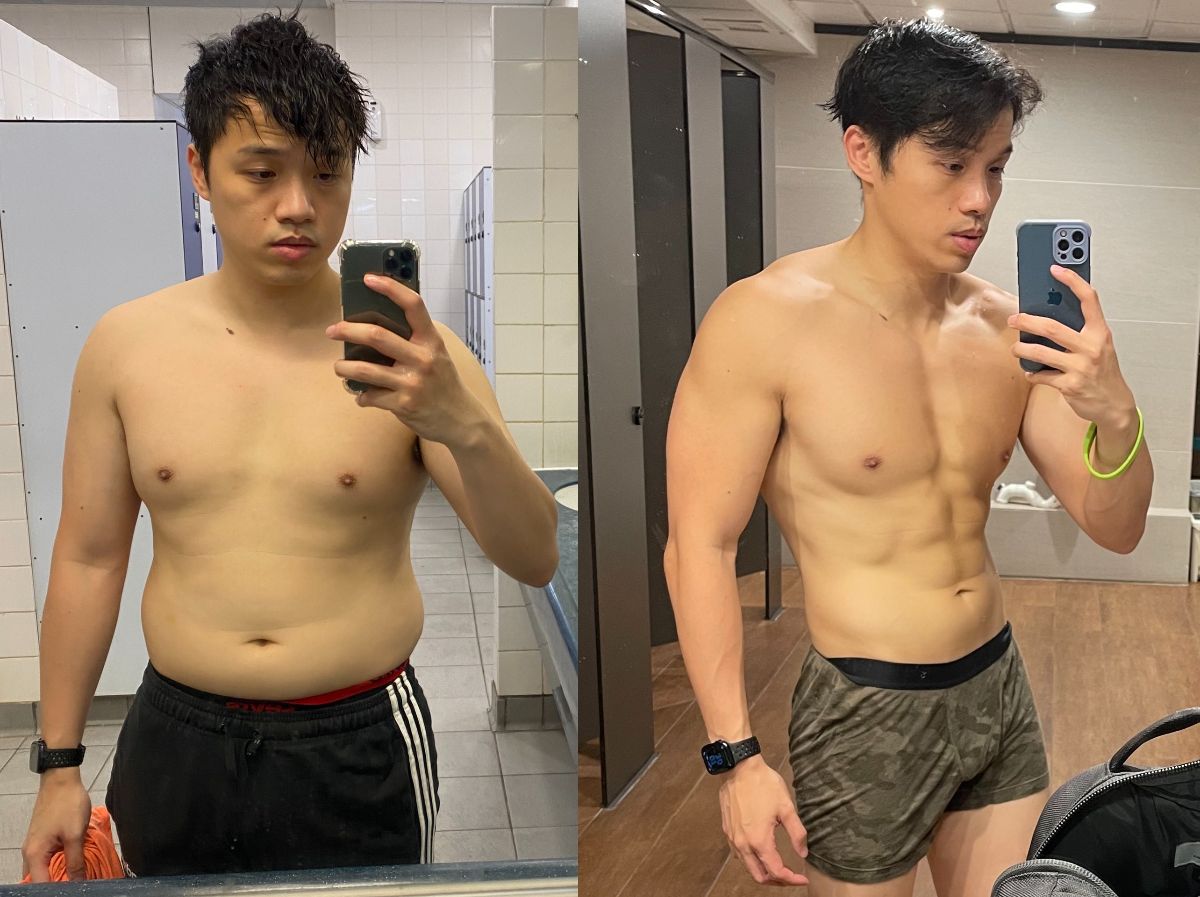
I struggled with traditional cardio for months seeing minimal weight loss results that frustrated me constantly. Running hurt my knees and the elliptical bored me to tears within minutes. Discovering the gym bicycle completely changed my approach to cardio and my body transformed rapidly.
Many people dismiss stationary bikes as easy workouts for beginners only. They assume cycling can’t burn serious calories or create significant weight loss compared to running. This misconception prevents them from experiencing one of the most effective fat-burning tools available. The gym bicycle provides intense calorie-burning workouts while being low-impact on joints. Modern bikes offer resistance levels and interval programs that challenge even advanced athletes. Understanding how to use gym bicycle weight loss strategies properly transforms this underrated equipment into your secret weapon.
Stop underestimating what cycling can do for your weight loss journey. The results might shock you completely.
The Science Behind Cycling For Fat Loss:
Cardiovascular exercise burns calories during the workout and elevates metabolism afterward. The gym bicycle delivers this benefit while protecting your joints from the pounding impact of running. Your body burns calories to fuel the pedaling motion and to recover from the workout afterward. This afterburn effect, scientifically called EPOC, continues burning calories for hours after you finish riding.
I was burning about 400 calories per hour on the gym bicycle according to my heart rate monitor. That’s comparable to running without destroying my knees. The key is maintaining proper intensity throughout the workout. Easy leisurely pedaling won’t create significant weight loss results. You need to push yourself into higher heart rate zones regularly.
Resistance levels on modern gym bicycles simulate hill climbing increasing calorie burn dramatically. I alternate between lower resistance with faster pedaling and high resistance intervals. This variation keeps my body guessing, preventing adaptation that stalls progress. The gym bicycle weight loss results I’ve achieved came from strategic intensity variation, not just showing up and pedaling mindlessly for thirty minutes.
Interval Training Protocols:
High-intensity interval training on the gym bicycle creates superior fat loss compared to steady-state cardio. I do thirty-second sprint efforts followed by ninety seconds of recovery pedaling. Repeat this pattern for twenty minutes and you’ve completed an incredibly effective workout. The intensity during those sprint intervals pushes my heart rate into the 85-90% maximum range creating serious calorie burn.
My traditional steady-state cardio sessions burned maybe 300 calories in forty-five minutes. The interval approach burns 400 calories in just twenty-five minutes. The time efficiency matters tremendously when you’re busy. I can complete an effective gym bicycle weight loss workout during my lunch break now. No more excuses about not having time for cardio.
Tabata protocol represents the most intense interval option I’ve tried on the gym bicycle. Twenty seconds of absolute maximum effort followed by ten seconds of rest. Repeat for eight rounds totaling just four minutes. This sounds easy until you actually try it. The intensity is absolutely brutal but the results are undeniable. I do Tabata intervals twice weekly supplementing longer moderate rides.
1. Beginner Interval Strategy:
Start with a 2:1 work-to-rest ratio if you’re new to intervals. Thirty seconds of increased effort followed by sixty seconds of easy recovery pedaling. Complete ten rounds with a five-minute warmup and cool-down. This gentle introduction to intervals prevents overwhelming beginners while still providing superior results compared to steady-state riding.
I gradually decreased my rest periods as fitness improved. Eventually I reached 1:1 ratios of work to rest. The progression kept my body adapting and the gym bicycle weight loss continued steadily. Never jump straight into advanced protocols without building a base fitness level first.
2. Advanced Intensity Techniques:
Pyramid intervals vary work period length throughout the session. Start with thirty seconds hard effort, then sixty seconds, ninety seconds, two minutes, then work back down the pyramid. The changing intervals prevent mental boredom while challenging your cardiovascular system differently. I use pyramid intervals when regular intervals start feeling too routine.
Tempo intervals maintain sustained higher intensity for longer periods. Five minutes at 80% max heart rate followed by three minutes recovery. Repeat four times for an incredibly challenging workout. The gym bicycle weight loss results from tempo work come from sustained calorie burn at high rates without the recovery periods of traditional intervals.
3. Recovery Importance:
Rest days between intense gym bicycle sessions allow your body to adapt and grow stronger. I learned this lesson after overtraining for three weeks straight. My performance declined, I felt exhausted constantly, and weight loss actually stalled. Backing off to four intense sessions weekly with three easier days allowed progress to resume immediately.
Active recovery rides at very low intensity promote blood flow without taxing your system. I pedal easily for thirty minutes on recovery days. This gentle movement helps remove metabolic waste products from muscles while keeping me active. The gym bicycle weight loss approach requires strategic recovery not just constant maximum effort.
Proper Form And Positioning:
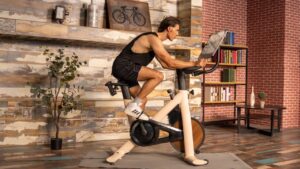
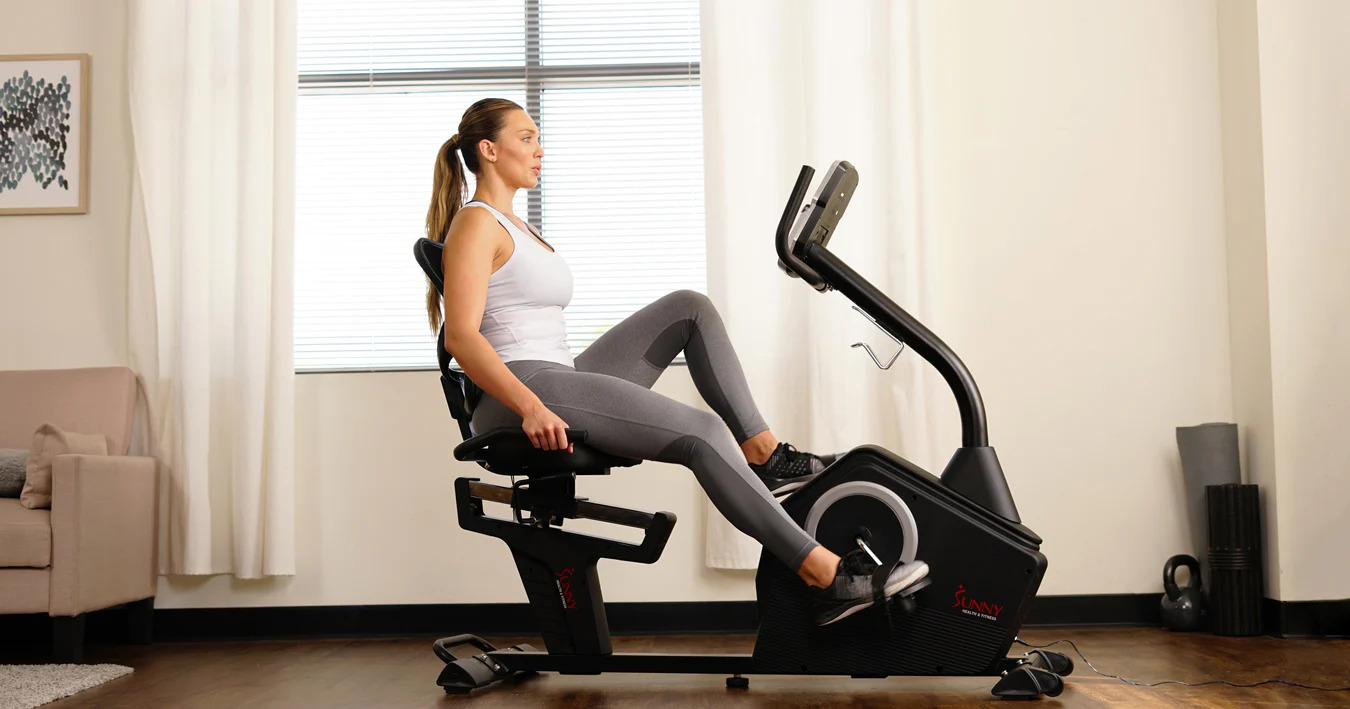
Incorrect bike setup causes discomfort and reduces workout effectiveness dramatically. Seat height should allow slight knee bend at the bottom of the pedal stroke. Too low causes knee pain while too high reduces power output. I spent time perfecting my gym bicycle setup and the difference in comfort and performance was immediately noticeable.
Handlebar position affects comfort during longer rides. I prefer handlebars level with the seat for upright positioning during recovery intervals. Dropping them lower creates a more aggressive position for maximum power during sprints. Adjusting handlebar height between
intervals aren’t practical so find a comfortable middle position.
Foot position on pedals matters more than most people realize. The ball of your foot should sit directly over the pedal axle. Too far forward or back creates inefficient power transfer and potential injury. I focus on pushing down through my heels during the power phase maximizing force application. This technique improves gym bicycle weight loss results by increasing calorie burn through better power output.
- Keep core engaged supporting lower back during longer rides
- Maintain slight elbow bend preventing locked-out arm position
- Shoulders relaxed and dropped away from ears avoiding tension
- Look forward not down maintaining neutral spine alignment
- Grip handlebars lightly reducing arm fatigue and tension
- Breathe deeply and rhythmically matching breathing to pedal cadence
Tracking Progress Effectively:
Measuring heart rate during workouts ensures you’re training in optimal zones for fat loss. I wear a chest strap monitor that’s far more accurate than handlebar sensors. The data shows exactly when I’m working hard enough to drive gym bicycle weight loss results. Staying in the 70-85% max heart rate zone during intervals burns maximum calories.
Tracking distance and speed over time shows fitness improvements clearly. When I started, five miles in twenty minutes felt challenging. Now I can complete seven miles in the same time at the same perceived effort. This progression proves my cardiovascular fitness is improving. Better fitness means higher calorie burn during workouts creating faster weight loss.
Watt output provides the most accurate measure of work performed. My gym bicycle displays watts constantly. I aim for specific watt targets during intervals. Watching this number increase over weeks shows concrete fitness gains. The gym bicycle weight loss I’ve achieved correlates directly with my ability to sustain higher watt outputs for longer periods.
1. Apps And Technology:
Cycling apps like Zwift gamify indoor training making it far more engaging. I connect my gym bicycle to Zwift and ride virtual courses racing against others worldwide. The competitive element pushes me harder than I would go alone. The increased intensity from gamification accelerates gym bicycle weight loss results significantly.
Fitness trackers that sync with gym equipment provide comprehensive data analysis. I review weekly reports showing total calories burned, average heart rate, and workout duration trends. This information helps me adjust training volume and intensity for optimal results. Data-driven decisions replaced guesswork making my gym bicycle weight loss efforts far more effective.
2. Body Measurements:
Scale weight alone doesn’t tell the complete story. I take measurements of waist, hips, thighs, and arms monthly. Sometimes the scale doesn’t move but I lose inches indicating fat loss and muscle gain occurring simultaneously. These measurements prevented me from getting discouraged during plateau periods when gym bicycle weight loss seemed to stall.
Progress photos reveal changes that daily mirror inspection misses. I take front, side, and back photos monthly wearing the same clothes. Comparing photos from three months apart shows dramatic changes that weren’t obvious week to week. The visual proof keeps motivation high during challenging periods.
3. Performance Benchmarks:
Establishing baseline fitness tests allows tracking improvement objectively. I do a twenty-minute maximum effort time trial monthly recording average watts and distance covered. Watching these numbers improve proves fitness gains even when weight loss temporarily stalls. The performance improvements from consistent gym bicycle work validate the effort invested.
Resting heart rate decreases as cardiovascular fitness improves. Mine dropped from 72 to 58 beats per minute over six months. This fifteen beat decrease indicates significant cardiovascular adaptation from consistent training. Lower resting heart rate means my heart works more efficiently even during non-exercise activities improving overall health beyond just weight loss.
Nutrition Timing Strategies:

Working out fasted versus fed creates different metabolic responses affecting fat burning. I tried both approaches extensively. Fast morning rides on the gym bicycle felt harder initially but I adapted within two weeks. The theory suggests fasted training increases fat oxidation since glycogen stores are depleted overnight. My personal experience aligns with this though results vary individually.
Post-workout nutrition windows matter for recovery and continued fat loss. I consume protein within thirty minutes of finishing intense gym bicycle sessions. This supports muscle recovery while keeping overall calories controlled. Protein prevents muscle loss during weight loss ensuring the pounds lost come from fat not valuable muscle tissue.
Pre-workout nutrition provides energy for harder training sessions. I eat a small amount of easily digestible carbs thirty minutes before riding. Half a banana or some applesauce works perfectly. This fuels high-intensity intervals allowing me to push harder than when training completely fasted. The increased intensity from proper fueling creates better gym bicycle weight loss results overall.
1. Hydration Impact:
Dehydration reduces performance significantly even at just 2% bodyweight fluid loss. I learned this lesson after completing a workout without drinking enough water. My power output dropped noticeably in the second half. Now I drink water before, during, and after every gym bicycle session. Proper hydration maintains performance allowing maximum calorie burn.
Electrolyte drinks during longer sessions prevent cramping and maintain performance. Anything over forty-five minutes benefits from electrolyte supplementation in my experience. The gym bicycle weight loss workouts I do frequently exceed an hour making electrolyte replacement important for sustained performance.
2. Meal Planning:
Aligning total daily calories with expenditure creates the deficit necessary for weight loss. I track everything eaten ensuring I maintain a 500-calorie daily deficit. The gym bicycle burns 400-600 calories per session depending on intensity. This creates a substantial calorie deficit when combined with reasonable dietary control. Consistency with both exercise and nutrition drives reliable steady weight loss.
Protein intake at 0.8-1 gram per pound of bodyweight preserves muscle during weight loss. I weigh 180 pounds and eat 150-180 grams of protein daily. This feels like a lot of protein but it’s necessary for maintaining muscle mass. The gym bicycle weight loss I’ve achieved includes minimal muscle loss because of adequate protein intake throughout the process.
3. Supplement Considerations:
Caffeine before workouts enhances performance and fat oxidation slightly. I drink black coffee thirty minutes before gym bicycle sessions. The caffeine increases alertness and perceived energy allowing harder training. The effect isn’t dramatic but every little advantage helps when pursuing aggressive weight loss goals.
BCAAs during longer fasted training sessions may help preserve muscle. The evidence is mixed but I use them anyway during fasted morning rides exceeding forty-five minutes. Whether they actually help or it’s a placebo effect, I feel better using them. The gym bicycle weight loss results haven’t suffered so I continue this practice.
Common Mistakes Preventing Results:
Riding at the same comfortable pace every workout prevents progression. Your body adapts to consistent stimuli becoming more efficient. More efficient means burning fewer calories for the same work. I vary intensity and duration every session preventing this adaptation. The variety keeps my body guessing maximizing gym bicycle weight loss potential.
Gripping handlebars too tightly wastes energy and causes arm fatigue. I consciously relax my grip checking in periodically during workouts. Loose hands allow better blood flow and reduces unnecessary tension. This small adjustment lets me ride longer and harder improving overall calorie burn.
Ignoring resistance settings limits intensity potential severely. I see people pedaling frantically with zero resistance accomplishing very little. Their heart rates barely elevate and calorie burn remains minimal. Proper resistance creates the intensity necessary for significant gym bicycle weight loss results. Add enough resistance that you’re working hard to maintain desired cadence.
- Inconsistent workout frequency prevents body adaptation and limits results
- Inadequate rest between intense sessions leads to overtraining and plateaus
- Poor bike setup causes discomfort forcing shorter less effective workouts
- Multitasking during rides reduces intensity and focus on workout quality
- Unrealistic expectations leading to premature discouragement and quitting
- Neglecting strength training which complements cardio for better body composition
Long-Term Sustainability:
Finding enjoyment in the activity ensures long-term adherence to your program. I genuinely enjoy my time on the gym bicycle now which seemed impossible initially. The combination of good music, data tracking, and visible progress made it enjoyable. Sustainable gym bicycle weight loss requires finding ways to make the activity something you look forward to.
Setting process goals instead of only outcome goals maintains motivation. I focus on completing four quality workouts weekly rather than only watching the scale. This shifts attention to controllable actions versus unpredictable results. The process goals keep me consistent even when weight loss temporarily stalls.
Building a routine around gym bicycle sessions creates automatic behavior requiring less willpower. I ride every Monday, Wednesday, Friday, and Saturday morning. This consistency became a habit requiring no decision-making. The automatic nature of the routine ensures I don’t skip workouts when motivation is low. Habits drive long-term gym bicycle weight loss success far better than relying on motivation alone.
Conclusion
The gym bicycle provides effective low-impact cardio for significant weight loss when used strategically. Focus on interval training, proper setup, and consistent progressive effort. Track metrics showing fitness improvements beyond just scale weight. Combine cycling with appropriate nutrition creating the calorie deficit necessary for fat loss success.
FAQ’s
1. How many calories can I burn during gym bicycle workouts?
Most people burn 400-600 calories per hour depending on intensity level, body weight, and individual metabolic factors affecting calorie expenditure.
2. How often should I use the gym bicycle for weight loss?
Four to five sessions weekly provides optimal results, allowing recovery time while maintaining consistency necessary for significant weight loss progress.
3. Is the gym bicycle better than running for weight loss?
Both burn similar calories, but cycling reduces joint impact significantly making it sustainable long-term especially for heavier individuals or those with joint issues.
4. Can I build muscle using only the gym bicycle?
Cycling builds some leg muscle but adding resistance training creates better overall body composition and boosts metabolism more effectively than cycling alone.
5. How long until I see weight loss results from cycling?
Most people notice changes within 2-3 weeks with significant visible results appearing after 8-12 weeks of consistent effort and proper nutrition.
Summary
Gym bicycle training provides effective low-impact cardio for substantial weight loss when combined with interval training and proper nutrition. Track progress through multiple metrics beyond scale weight. Consistency and progressive intensity increases drive long-term sustainable results successfully.