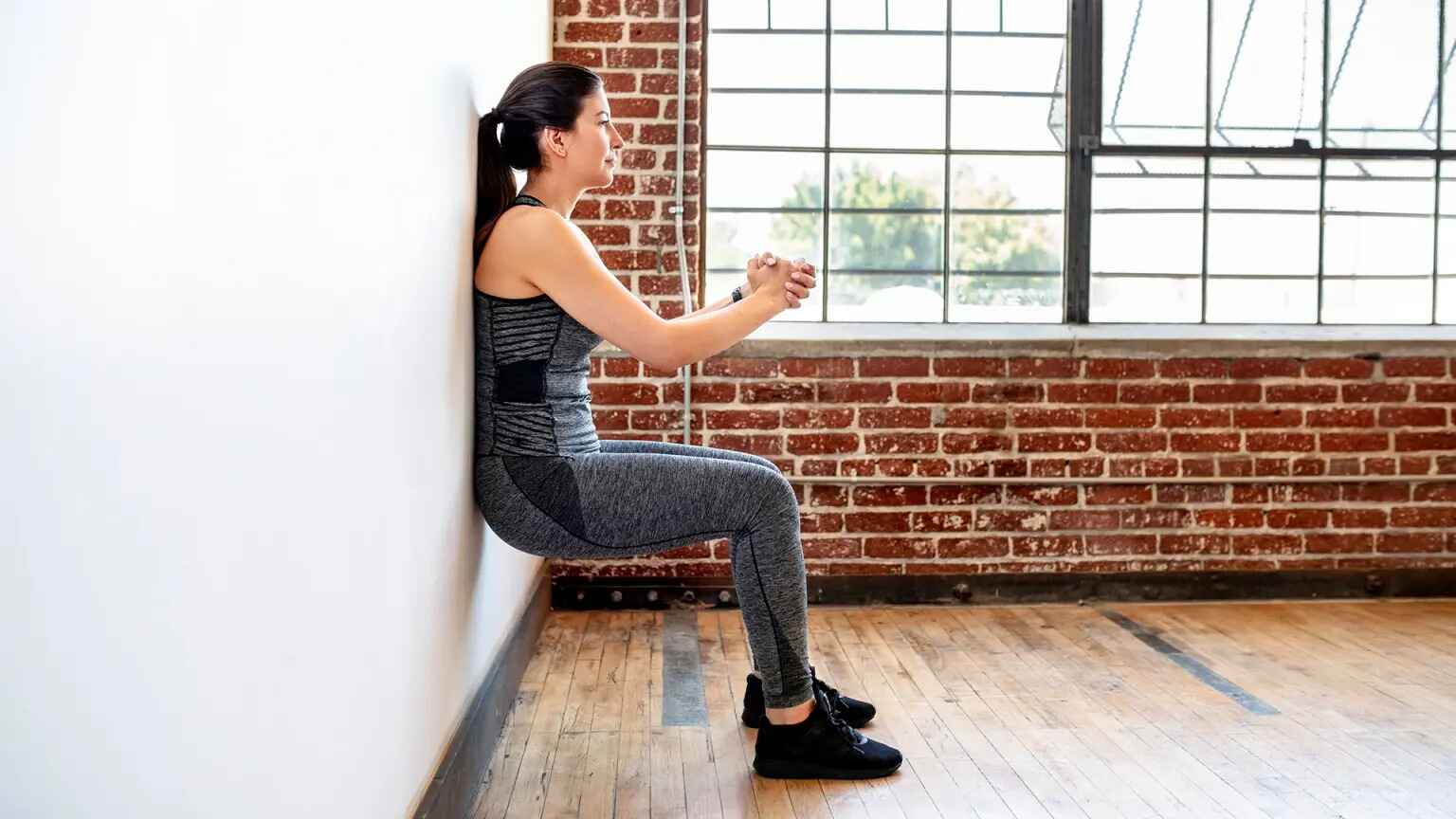
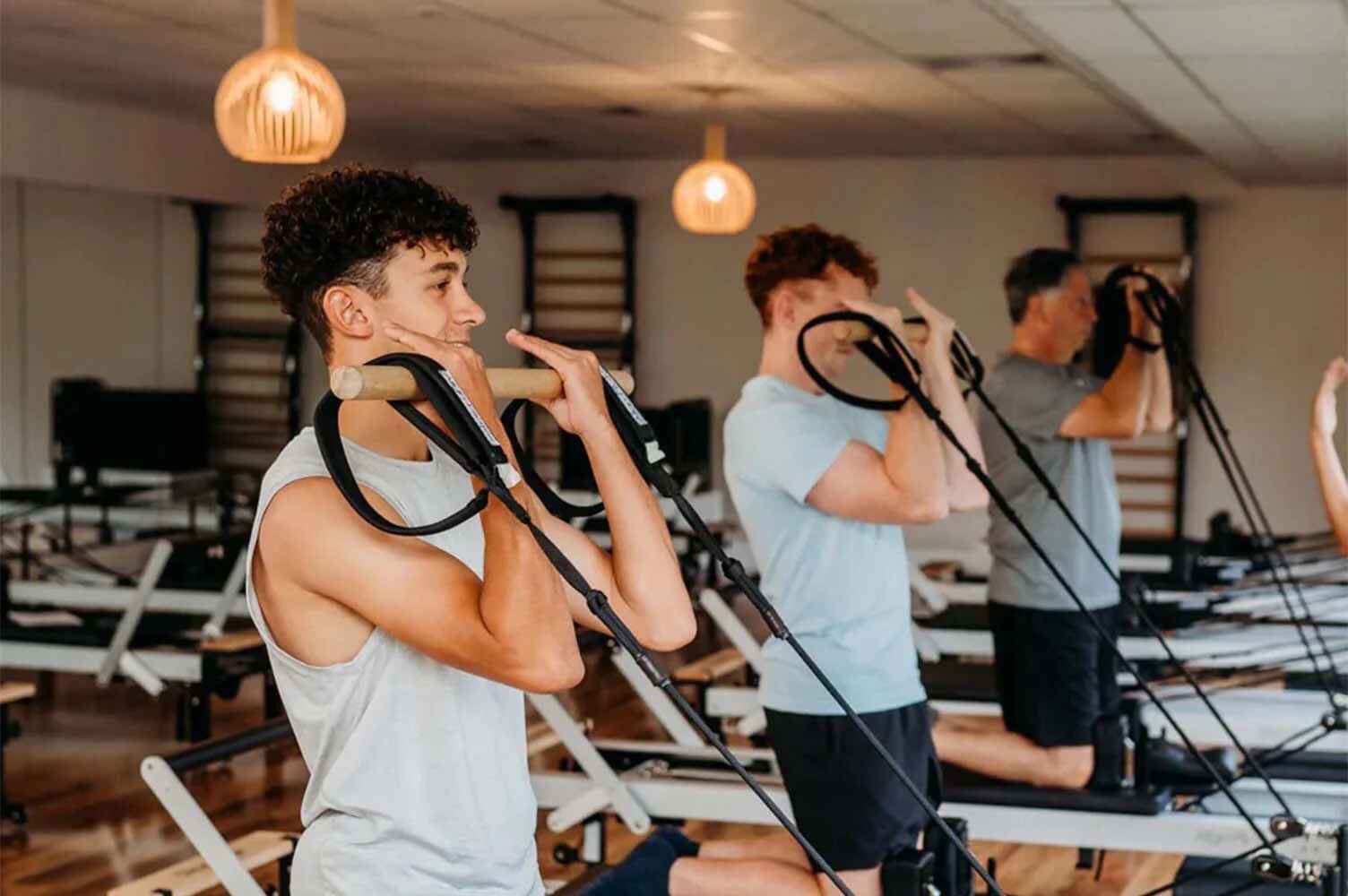
Last year, my girlfriend dragged me to a Pilates class after I’d spent months mocking it as “stretching for rich people who don’t want to really work out.” Twenty minutes into that first session, my entire body was shaking, sweat was pouring down my face, and I couldn’t hold basic positions. That humbling experience made me seriously question whether it is Pilates strength training or just fancy flexibility work.
The question “is Pilates strength training” gets asked constantly because Pilates doesn’t fit neatly into traditional exercise categories most people understand. This movement system emphasizes controlled movements, core stability, muscular endurance, and mind-body connection through precise exercises performed on mats or specialized equipment. Unlike lifting heavy weights for low reps, Pilates builds strength through sustained muscular tension, eccentric control, and stabilization demands that challenge your muscles differently than conventional resistance training.
Stop thinking dumbbells and barbells are the only legitimate strength-building tools. When you’re honestly asking is Pilates strength training, you need to reconsider what strength actually means beyond just moving maximum weight.
Why Traditional Gym Bros Completely Misunderstand Pilates:
I was absolutely one of those guys who dismissed Pilates as not real exercise because it didn’t involve heavy iron or maximum effort sets to failure. In my mind, if you weren’t lifting progressively heavier weights or doing brutal conditioning circuits, you weren’t actually training—just wasting time with wellness nonsense marketed to people afraid of real workouts.
That condescending attitude got shattered during my first Pilates class when exercises that looked easy destroyed me completely. Holding my body in positions that required constant core engagement while performing controlled leg or arm movements taxed my muscles in ways I’d never experienced. My abs would cramp, my shoulders burned, my legs shook violently—all from bodyweight movements I’d assumed would be trivially easy.
The question “is Pilates strength training” became way more nuanced once I experienced it firsthand. Sure, you’re not squatting 300 pounds or deadlifting heavy, but you’re absolutely building strength—just a different type emphasizing control, stability, and muscular endurance rather than pure maximum force production. Both approaches have value; they’re just targeting different aspects of physical capability.
What really opened my eyes was noticing how Pilates exposed weaknesses my traditional training had completely missed. I could bench press respectably and squat decent weight, but I couldn’t hold a plank with proper form for 60 seconds or perform a teaser without my entire core failing. Pilates revealed that my “strength” had huge gaps where stability and control should exist.
The Science Behind Is Pilates Strength Training:
Research examining whether is Pilates strength training shows that regular practice does increase muscular strength, though through different mechanisms than heavy resistance training. Pilates builds strength primarily through time under tension—your muscles work continuously throughout extended exercises rather than brief explosive efforts. This sustained tension triggers muscle fiber recruitment and metabolic stress that stimulate adaptation and strength gains.
The eccentric emphasis in Pilates—controlled lowering and lengthening of muscles—provides a particularly potent strength-building stimulus. When you’re slowly lowering your legs during exercises or controlling your body position against resistance, your muscles work incredibly hard in lengthened positions. This eccentric loading builds both strength and flexibility simultaneously, creating functional strength through full ranges of motion.
Studies comparing Pilates to traditional strength training show different but complementary outcomes. Heavy lifting builds maximum strength and power more effectively. Pilates develops core stability, muscular endurance, and movement control more comprehensively. The ideal approach for most people probably incorporates both, using each method for its unique benefits rather than viewing them as competing alternatives.
1. Core Strength Development Through Pilates:
When people ask is Pilates strength training for your core, the answer is absolutely yes—arguably more effectively than most traditional ab exercises. Every Pilates movement requires core stabilization, meaning your abs, obliques, and deep stabilizers work continuously throughout entire sessions. This constant engagement builds incredible core strength and endurance.
I thought I had a strong core from doing weighted planks and ab wheel rollouts, but Pilates completely humbled me. Exercises requiring me to stabilize my torso while moving limbs independently revealed how weak my core actually was in functional, dynamic contexts. My abs would fatigue within minutes despite being able to hold static positions for much longer.
2. Muscular Endurance vs. Maximum Strength:
Pilates builds muscular endurance—your muscles’ ability to sustain effort over time—more than pure maximum strength. You’re typically performing higher repetitions with controlled tempo rather than brief maximum efforts. This endurance capacity is incredibly valuable for daily life, sports performance, and injury prevention even if it doesn’t translate to lifting the heaviest possible weight.
So is Pilates strength training for building maximum strength? Not really—you won’t develop one-rep max strength like powerlifters through Pilates alone. But you’ll build functional strength endurance that serves you well in real-world activities requiring sustained muscular effort and control.
3. Stabilizer Muscle Activation:
Pilates exercises demand tremendous work from stabilizer muscles that often get neglected in traditional strength training. Your rotator cuff, deep core muscles, hip stabilizers, and scapular stabilizers all work overtime during Pilates maintaining proper positioning and control. Strengthening these supporting muscles improves overall movement quality and reduces injury risk.
I noticed my shoulder health improved dramatically after incorporating Pilates alongside my regular lifting. The stabilizer work addressed weaknesses that were causing occasional tweaks and discomfort during pressing movements. Asking is Pilates strength training for injury prevention yields a definite yes based on how it strengthens your body’s stabilization systems.
4. Progressive Resistance in Pilates:
Pilates does incorporate progressive resistance, though differently than adding weight plates. Progression comes through exercise variations, increased range of motion, reduced support, and reformer spring resistance adjustments. Advanced Pilates exercises require significantly more strength than beginner versions, providing a progression pathway similar to traditional strength training.
The reformer machine uses springs creating variable resistance throughout movements. Adjusting spring tension changes difficulty, allowing progressive overload as you adapt. So when asking is Pilates strength training with progressive resistance, reformer work definitely qualifies even though it looks nothing like conventional weightlifting.
Different Types of Pilates and Strength Benefits:
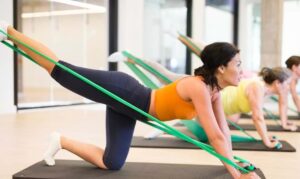
- Mat Pilates uses bodyweight resistance requiring maximum core strength and control throughout exercises
- Reformer Pilates incorporates spring resistance providing adjustable loading for varied strength challenges
- Clinical Pilates focuses on rehabilitation and corrective exercise addressing injuries and movement dysfunction
- Classical Pilates follows Joseph Pilates’ original exercise sequence emphasizing traditional movements
- Contemporary Pilates evolves the system incorporating modern exercise science and additional equipment
- Power Pilates or athletic Pilates increases intensity and dynamic movements for fitness-focused populations
- Prenatal Pilates modifies exercises for pregnancy supporting maternal strength and pelvic floor health
My Personal Experience Combining Pilates with Traditional Training:
I now attend Pilates classes twice weekly alongside my regular strength training three times weekly, and this combination works incredibly well. The Pilates sessions improve my movement quality, address stability weaknesses, and provide active recovery that doesn’t interfere with my heavy lifting. My traditional training builds maximum strength and muscle mass that Pilates alone wouldn’t deliver.
This hybrid approach answers the question “is Pilates strength training” with nuance—it’s strength training of a specific type that complements rather than replaces conventional resistance work. I’m stronger, more mobile, less injury-prone, and moving better than when I only lifted weights or only did Pilates. The synergy between methods produces better overall results than either alone.
The recovery benefits particularly surprised me. Pilates sessions on days between heavy lifting help me feel better and move more freely rather than just resting completely. The controlled movements and stretching under tension seem to enhance recovery while still providing training stimulus. My lifting performance actually improved once I added Pilates, probably because the stability and mobility work addressed limitations that were holding back my main lifts.
1. How Pilates Improved My Squat and Deadlift:
My squat depth and control improved noticeably after several months of Pilates practice. The hip mobility and core stability I developed translated directly to better positioning under the barbell. I could hit deeper squats with better form, and my stability in the bottom position felt more solid.
Similarly, my deadlift lockout strength improved from the glute and core engagement Pilates emphasized. The mind-muscle connection and posterior chain awareness carried over beautifully to my heavy pulls. So is Pilates strength training that improves your main lifts? In my experience, absolutely yes through improved stability and movement patterns.
2. Addressing Imbalances and Asymmetries:
Pilates revealed that my right side was significantly stronger and more coordinated than my left across multiple movement patterns. Single-leg exercises exposed strength imbalances my bilateral lifting had masked completely. Working on these asymmetries through Pilates probably prevented injuries that would’ve eventually developed from unchecked imbalances.
The unilateral emphasis in Pilates—lots of single-leg and single-arm work—forces each side to work independently. This addresses compensation patterns where your strong side does extra work during bilateral movements. Traditional strength training can actually worsen imbalances if you’re not careful, while Pilates tends to reveal and correct them.
3. Mental Focus and Movement Quality:
The concentration required during Pilates carries over to better mind-muscle connection during weight training. I’m more aware of what my body is doing during lifts, better at identifying and correcting form issues, and more precise in my movement execution. This mental component answers is Pilates strength training for your brain as much as your body—definitely yes.
Pilates teaches you to move with intention and control rather than just muscling through exercises. That skill transfers to everything else you do physically, improving movement quality across all activities. The neurological adaptations from Pilates practice enhance your body awareness and control in ways pure strength training doesn’t emphasize as much.
Common Misconceptions About Is Pilates Strength Training:
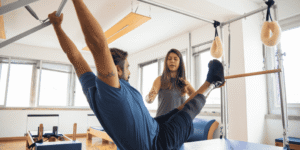
People assume Pilates is only for women, which is completely false and unfortunate. Joseph Pilates, the system’s founder, was a man who developed these exercises for overall fitness and rehabilitation. Male athletes, dancers, and fitness enthusiasts benefit enormously from Pilates when they get past the gendered marketing that often surrounds it.
Another myth suggests Pilates is too easy to build real strength, which only comes from people who’ve never actually tried challenging Pilates exercises. Advanced movements require tremendous strength, control, and endurance. The difficulty comes from precision and sustained tension rather than moving maximum weight, but it’s absolutely challenging when performed correctly.
Some people think is Pilates strength training only for your core, ignoring how it strengthens your entire body. While core work is central to Pilates, the system includes exercises targeting legs, arms, back, and every muscle group. A comprehensive Pilates practice builds balanced full-body strength, not just abs.
1. Pilates Won’t Make You Bulky:
This concern comes up constantly, usually from women worried about looking too muscular. Pilates builds lean, functional strength without significant muscle hypertrophy. The movement patterns and resistance levels don’t trigger the same muscle-building response as heavy progressive resistance training. So is Pilates strength training that adds bulk? No, it creates toned, defined muscles without significant size increases.
I haven’t gained any noticeable muscle mass from Pilates despite practicing regularly for over a year. My muscles look more defined because I’m leaner and have better muscle control, but I haven’t gotten bigger. The strength I’ve built is functional and endurance-based rather than size-focused.
2. You Need Equipment for Effective Pilates:
While reformer machines and other apparatus enhance Pilates practice, mat Pilates provides excellent strength training using only bodyweight. I started with mat classes at home before ever touching reformer equipment, and those bodyweight exercises were brutally challenging. Is Pilates strength training without equipment? Absolutely—mat work alone builds significant strength and capability.
That said, reformers and other equipment do add dimensions to practice that mat work alone doesn’t provide. The variable resistance and movement options expand what’s possible. But claiming you can’t do Pilates or build strength without expensive equipment is completely false.
Pilates for Specific Populations and Goals:
Athletes from various sports increasingly incorporate Pilates addressing sport-specific needs. Runners benefit from the hip stability and core strength preventing common running injuries. Golfers improve rotational power and spinal mobility through Pilates practice. Cyclists develop better core endurance supporting long rides without lower back fatigue.
Older adults find Pilates particularly valuable, maintaining strength, balance, and mobility as they age. The low-impact nature protects joints while still providing strength stimulus. When asking is Pilates strength training for seniors, the research strongly supports yes—it builds strength while being gentler on aging bodies than high-impact alternatives.
Rehabilitation contexts use Pilates extensively helping people recover from injuries or manage chronic conditions. Physical therapists often incorporate Pilates principles addressing movement dysfunction and rebuilding strength after injury. The controlled, precise movements allow safe progression from injury back to full function.
1. Postpartum Strength Rebuilding:
New mothers benefit tremendously from Pilates rebuilding core and pelvic floor strength after pregnancy. The emphasis on deep core activation and pelvic floor engagement addresses postpartum weakness and dysfunction better than many traditional exercises. Is Pilates strength training for postpartum recovery? Absolutely, with proper modifications and progression.
I’ve watched my girlfriend rebuild her core strength through postnatal Pilates after having our daughter. The targeted work addressed diastasis recti and pelvic floor weakness in ways her previous exercise habits couldn’t. Within months, her core strength exceeded pre-pregnancy levels through dedicated Pilates practice.
2. Office Workers and Postural Strength:
People sitting at desks all day develop specific weaknesses and imbalances that Pilates addresses beautifully. The postural emphasis strengthens upper back, opens chest muscles, and builds core endurance supporting better sitting and standing posture. Is Pilates strength training for desk workers? Definitely yes, targeting exactly the areas that get weak from prolonged sitting.
My posture improved dramatically from Pilates practice. I naturally stand and sit taller now without consciously thinking about it. The strength I built in my upper back and core makes maintaining good posture effortless rather than a constant effort.
3. Crossover Benefits for Other Training:
The body awareness, stability, and control developed through Pilates enhances performance in virtually every other physical activity. Yogis find better strength and control. Weightlifters develop improved stability. Dancers gain additional core strength and precision. The question is Pilates strength training that improves other activities gets a resounding yes.
Measuring Progress in Pilates Practice:
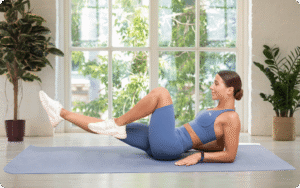
Unlike traditional strength training where you track weight on the bar, Pilates progress shows through improved movement quality, increased exercise difficulty, better form, and enhanced control. You might progress from modified to full versions of exercises, hold positions longer, or move through greater ranges of motion.
I measure my Pilates progress through exercises I can now perform that were impossible months ago. That first class, I couldn’t do a proper teaser or hold a side plank with leg lifted. Now those movements are challenging but achievable. Seeing concrete capability improvements answers is Pilates strength training that creates measurable progress—absolutely.
Body composition changes provide another progress marker. Many people get more toned and defined from regular Pilates even without significant weight loss. The muscle strengthening and improved posture create a leaner appearance. I didn’t lose much weight from adding Pilates, but I definitely look more athletic and defined.
Setting Realistic Pilates Goals:
Building Pilates strength takes consistent practice over months, not weeks. I practiced twice weekly for about three months before really noticing significant strength improvements. Patience and consistency matter more than intensity when developing Pilates capabilities.
Setting specific movement goals helps maintain motivation. Maybe you want to hold a plank for two minutes, perform ten roll-ups with perfect form, or nail the hundred exercises without rest. These concrete targets give you something to work toward beyond vague notions of “getting stronger.”
Conclusion
The question is Pilates strength training doesn’t have a simple yes or no answer—it builds specific types of strength through sustained muscular tension, stability demands, and controlled movement that differ from but complement traditional resistance training. Pilates develops core strength, muscular endurance, stability, and movement control that enhance overall fitness and daily function. Whether it’s right for you depends on your goals, but dismissing Pilates as not real strength training reveals a narrow understanding of what strength actually encompasses.
FAQs
Is Pilates strength training effective for building muscle mass?
Pilates builds lean, toned muscle but not significant mass like heavy progressive resistance training. It strengthens without substantial hypertrophy for most practitioners.
Can Pilates replace traditional strength training completely?
For general fitness and core strength, yes. For maximum strength and muscle building, Pilates alone is insufficient and works best complementing conventional resistance training.
How often should I do Pilates for strength benefits?
Two to three sessions weekly provides noticeable strength improvements. Daily practice is safe for most people given Pilates’ low-impact nature and recovery demands.
Is Pilates strength training suitable for complete beginners?
Yes, beginner modifications make Pilates accessible for any fitness level. Start with basic mat exercises or beginner reformer classes before progressing to advanced movements.
Do men benefit from Pilates or is it mainly for women?
Men benefit equally from Pilates’ strength, flexibility, and stability training. The gendered marketing doesn’t reflect the universal value of the exercise system.
Summary
Is Pilates strength training? Yes, building functional strength through sustained tension, stability demands, and controlled movement rather than maximum force production. Pilates complements traditional lifting beautifully, addressing stability and endurance while conventional training builds maximum strength. Both methods contribute to comprehensive fitness addressing different aspects of physical capability and performance.