
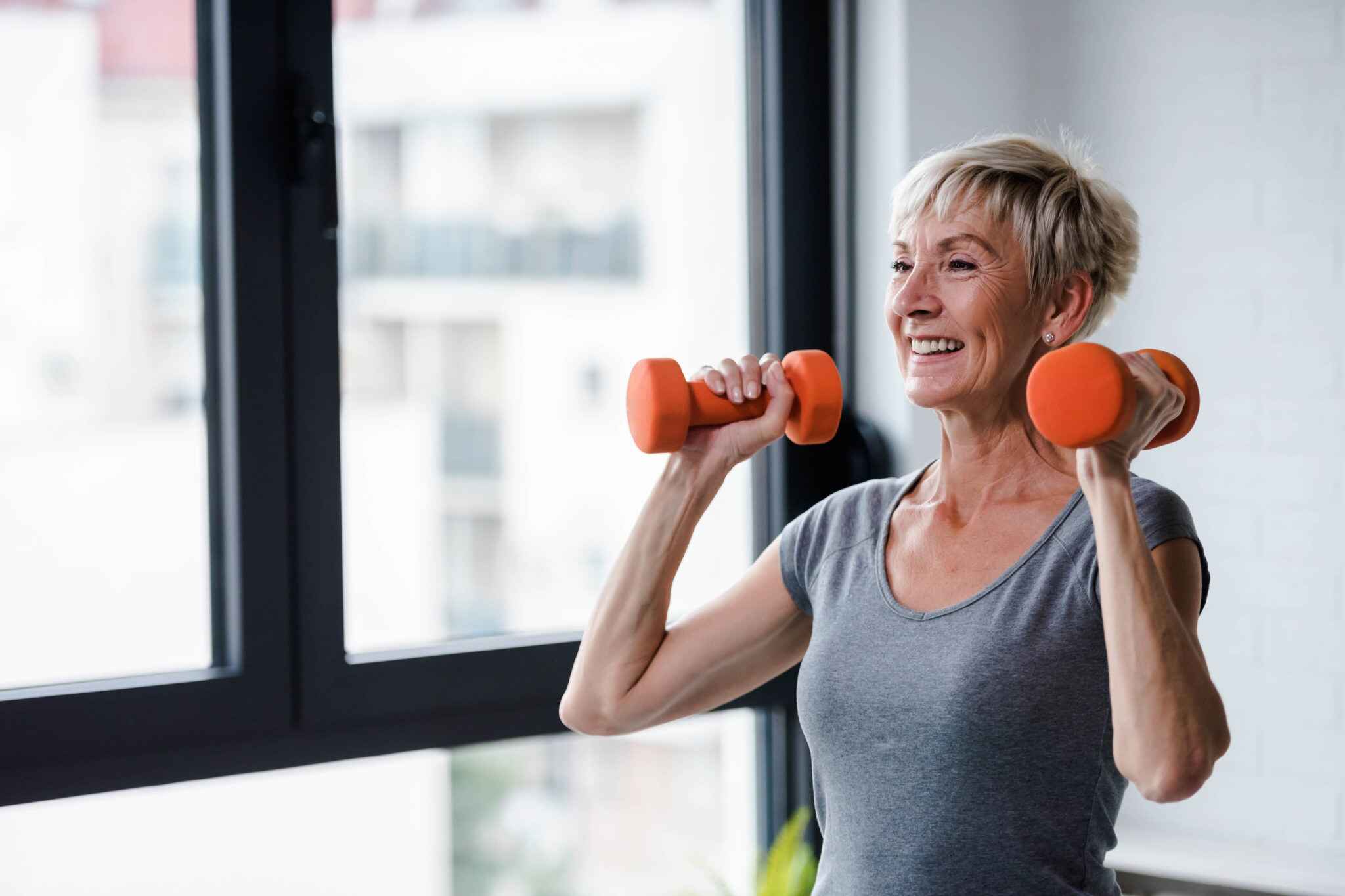
Three years ago, my 58-year-old mother could barely get up from the floor without grabbing furniture for support. Her doctor warned about declining bone density and increasing fall risk, suggesting she might need to accept these limitations as inevitable aging. Instead, she started strength training for women over 50 at my insistence, and within six months she was doing goblet squats, push-ups, and carrying her own groceries without struggle or pain.
Women over 50 face unique physiological challenges including accelerated bone density loss from menopause, muscle mass decline averaging 3 to 8 percent per decade, metabolic slowdown, increased injury risk, and hormonal changes affecting body composition dramatically. Strength training for women over 50 addresses all these issues simultaneously by building bone density, preserving and building muscle mass, maintaining metabolic rate, improving balance and coordination, and optimizing hormone profiles in ways that cardio or flexibility work alone simply cannot match.
Stop accepting physical decline as inevitable and start fighting back with strength training for women over 50. The biggest risk isn’t training too hard—it’s not training at all and watching your body deteriorate unnecessarily.
The Devastating Effects of Muscle Loss After Menopause:
Sarcopenia—age-related muscle loss—accelerates dramatically for women after menopause when estrogen levels plummet. Estrogen plays crucial roles in maintaining muscle mass, and its decline creates this perfect storm where building and maintaining muscle becomes increasingly difficult while losing it happens more easily. Without intervention through strength training for women over 50, you can lose 30 to 50 percent of your muscle mass between ages 50 and 80.
This muscle loss isn’t just cosmetic—it directly impacts your functional independence, metabolic health, and longevity. Less muscle means weaker bones, slower metabolism, increased fall risk, difficulty with daily activities, and higher likelihood of needing assisted living eventually. My mom was heading down this exact path before starting her strength training journey, and watching her decline scared me into action.
The metabolism connection particularly matters because muscle tissue burns calories even at rest while fat tissue doesn’t. As you lose muscle without strength training for women over 50, your resting metabolic rate drops, making weight management increasingly difficult. You end up in this terrible cycle where you eat less and less trying to maintain weight, feel constantly hungry and deprived, yet still gain fat because your metabolism has slowed so dramatically.
Strength training for women over 50 reverses this process by rebuilding lost muscle, preserving existing muscle, and even adding new muscle mass despite age-related challenges. My mom actually gained about eight pounds of muscle in her first year of training while losing 12 pounds of fat. Her weight only changed slightly, but her body composition transformed completely—more muscle, less fat, dramatically improved function.
Bone Density Crisis That Nobody Discusses Openly:
Osteoporosis and osteopenia affect millions of women over 50, dramatically increasing fracture risk from even minor falls or impacts. Hip fractures particularly devastate older women—many never fully recover their independence after breaking a hip. The bone density loss accelerates after menopause for the same hormonal reasons muscle loss does, creating compounding risks.
Here’s what most women don’t realize: calcium supplements and medication alone provide limited protection without the mechanical stress from strength training for women over 50. Your bones need loading—actual weight-bearing stress—to trigger the cellular processes that build and maintain bone density. Walking provides some benefit, but progressive resistance training creates the significant loading forces bones require to stay strong.
My mom’s DEXA scans showed borderline osteopenia when she started training. Her doctor had recommended medication, which she wanted to avoid if possible. After 18 months of consistent strength training for women over 50, her follow-up scan showed improved bone density in her hips and spine—actual reversal of the decline, not just slowing it down. Her doctor was genuinely shocked and asked exactly what she’d been doing.
The specific exercises matter for bone building through strength training for women over 50. Squats load your hips and spine. Deadlifts stress your entire posterior chain. Overhead pressing loads your shoulders and upper spine. These compound movements with progressive resistance create the mechanical stress bones need to adapt and strengthen.
1. Getting Started Safely Without Injury:
Many women over 50 feel intimidated starting strength training because they’ve never lifted weights before or haven’t trained in decades. The fear of injury or looking foolish in the gym prevents them from even trying. My mom felt this way initially, worried she was too old or weak to start something new and challenging.
Starting conservatively with bodyweight exercises or very light weights builds confidence and movement competency before progressing to heavier loads. My mom began with bodyweight squats to a chair, wall push-ups, and resistance band rows. These simple movements taught proper patterns without overwhelming her physically or mentally.
Working with a qualified trainer experienced in training older adults helps tremendously for strength training for women over 50. The trainer can assess your starting capabilities, teach proper form, provide appropriate progressions, and ensure you’re challenging yourself without taking stupid risks. My mom worked with a trainer for three months learning the basics before transitioning to more independent training.
2. Building Progressive Overload Gradually:
Progressive overload—gradually increasing training difficulty over time—drives all improvements from strength training for women over 50. But the progression must be patient and sustainable, not aggressive like younger lifters might tolerate. Adding five pounds to an exercise every week works great for a 25-year-old; a 60-year-old might need several weeks at each weight before progressing.
My mom’s squat progression exemplifies this patient approach. She started with bodyweight squats to a chair, focusing purely on form for two weeks. Then she held a five-pound dumbbell goblet-style, working at that weight for three weeks. Then eight pounds for another three weeks. This gradual progression allowed her body to adapt without injury or excessive soreness.
Listening to your body becomes crucial for strength training for women over 50. Some days you’ll feel great and handle your planned workout easily. Other days joint aches, fatigue, or other factors mean backing off is wise. My mom learned to differentiate between productive challenge and pushing into potential injury territory—training smart beats training hard at this stage.
3. Addressing Common Age-Related Limitations:
Arthritis, previous injuries, joint replacements, and other health conditions require modifications to standard strength training for women over 50. Most conditions don’t prevent strength training entirely—they just require thoughtful exercise selection and progression avoiding problematic movements.
My mom has mild knee arthritis that flares occasionally. We modified her training by avoiding deep squats when her knees are bothering her, substituting leg presses or shallower squat variations that don’t aggravate the joint. On good days, she squats deeper. This flexibility keeps her training consistently without unnecessary setbacks.
Range of motion limitations from tight tissues or joint restrictions can be worked around initially, then gradually improved through the training itself. My mom couldn’t reach full overhead position when starting strength training because of shoulder tightness. We worked within her available range, and over months her mobility improved from the training itself combined with targeted stretching.
Essential Strength Training for Women Over 50 Exercises:
- Goblet squats build lower body strength and bone density safely with controllable weight
- Push-ups or incline push-ups develop upper body pushing strength and shoulder stability
- Dumbbell or cable rows strengthen upper back preventing the forward-rounded posture common with aging
- Overhead press builds shoulder strength and loads spine for bone density benefits
- Deadlift variations strengthen entire posterior chain and teach crucial hip hinge pattern
- Lunges or step-ups work legs unilaterally improving balance and addressing strength imbalances
- Plank variations build core stability supporting all other movements and protecting lower back
Designing Your Strength Training for Women Over 50 Program:
Training frequency of two to three sessions weekly provides excellent results for most women over 50 without excessive fatigue or recovery demands. My mom trains three times weekly on non-consecutive days, allowing full recovery between sessions. This frequency provides adequate stimulus for continued strength gains and muscle preservation.
Full-body workouts each session work better than body-part splits for strength training for women over 50. Training your entire body each session provides more frequent stimulus to each muscle group, which research suggests optimizes muscle protein synthesis in older adults. My mom performs squats, pushing, pulling, and core work every session rather than splitting body parts across different days.
Session duration of 45 to 60 minutes including warm-up prevents excessive fatigue while providing sufficient training volume. Longer sessions increase injury risk and burnout without proportional benefits. My mom’s workouts run about 50 minutes—ten minutes warming up, 35 minutes on main exercises, five minutes cooling down and stretching.
1. Sample Weekly Training Schedule:
Monday focuses on goblet squats, incline push-ups, dumbbell rows, and planks—fundamental movement patterns covering the full body. Wednesday includes deadlifts, overhead dumbbell press, lat pulldowns, and side planks for variation while hitting similar patterns. Friday returns to squat variations, cable or band rows, push-up variations, and core work.
This schedule provides three full-body strength training for women over 50 sessions with rest days between allowing recovery. The other four days my mom walks for 20 to 30 minutes for cardiovascular health and additional movement without intense training stress.
2. Warm-Up Protocols for Older Bodies:
Adequate warm-up becomes increasingly important for strength training for women over 50 as joints and tissues need more preparation than younger bodies. My mom spends 10 minutes warming up with light cardio, dynamic stretching, and activation exercises specific to her planned workout.
Her warm-up routine includes five minutes on a bike or rowing machine at easy pace getting blood flowing. Then arm circles, leg swings, torso rotations preparing joints for movement. Finally, bodyweight versions or very light weight for her main exercises—bodyweight squats before weighted squats, for example—grooving the movement patterns before adding challenging loads.
3. Recovery and Rest Days:
Recovery matters enormously for strength training for women over 50 because older bodies need more time repairing from training stress. Adequate rest between sessions prevents overtraining, reduces injury risk, and actually allows the strength improvements to occur. My mom initially wanted to train daily, thinking more was better, until we explained that growth happens during recovery, not during training itself.
Rest days include light activity like walking or gentle stretching but no intense training. This active recovery promotes circulation and mobility without creating additional stress requiring recovery. My mom walks her dog, does yoga occasionally, or just rests completely depending on how she feels.
Nutrition Supporting Strength Training for Women Over 50:
Protein needs actually increase with age, yet many older women eat less protein than when they were younger. Research suggests women over 50 need approximately one gram of protein per pound of bodyweight to support muscle maintenance and growth from strength training. My mom weighs 140 pounds and targets 120 to 140 grams of protein daily through Greek yogurt, chicken, fish, eggs, and protein powder.
Adequate overall calorie intake supports training performance and recovery from strength training for women over 50. Under-eating sabotages muscle building and leaves you constantly fatigued. My mom tracks her intake periodically ensuring she’s eating enough to fuel her activity level—roughly 1,800 to 2,000 calories daily maintaining her weight while building muscle.
Calcium and vitamin D support bone health alongside the mechanical stress from strength training for women over 50. My mom takes vitamin D supplements since testing showed her levels were low, and she focuses on calcium-rich foods like dairy products, leafy greens, and fortified foods. These nutrients provide the building blocks bones need to strengthen from training stimulus.
1. Meal Timing Around Training:
Eating protein-rich meals before and after strength training for women over 50 supports performance and recovery. My mom has Greek yogurt with fruit about an hour before training, providing energy without digestive discomfort. Post-workout she has a protein shake immediately, then a balanced meal an hour or two later.
This meal timing probably provides small benefits beyond just hitting daily protein totals. The pre-workout food gives her energy for better training performance. The post-workout protein provides immediate amino acids for muscle recovery. Whether the timing matters or just the total daily intake is debatable, but it seems to work well for her.
2. Hydration Considerations:
Older adults often have diminished thirst signals, leading to chronic mild dehydration affecting performance and recovery from strength training for women over 50. My mom sets reminders to drink water throughout the day, targeting 64 ounces minimum. She drinks extra before, during, and after training sessions.
Proper hydration improves energy levels, helps regulate body temperature during training, supports joint health, and aids recovery processes. My mom noticed less joint stiffness and better training performance once she addressed her previously inadequate water intake.
Overcoming Mental Barriers and Building Confidence:

Many women over 50 feel intimidated entering gyms dominated by younger people or fear being judged for their age, size, or lack of experience. My mom almost quit strength training for women over 50 after her first gym visit because she felt completely out of place and self-conscious.
Finding supportive training environments makes an enormous difference—whether that’s women’s-only gyms, senior-focused fitness centers, or training at off-peak times when facilities are less crowded. My mom switched to training at 10 AM when the gym is mostly older adults, which completely changed her comfort level.
Celebrating small victories maintains motivation during the strength training for women over 50 journeys. My mom tracks every workout, noting when she adds weight, completes more reps, or achieves better form. These incremental improvements demonstrate progress even when dramatic physique changes aren’t yet visible.
1. Dealing with Skepticism from Family and Friends:
Some family members and friends questioned whether strength training for women over 50 was safe or appropriate, suggesting my mom stick to “safer” activities like walking or water aerobics. This well-meaning but misguided concern almost derailed her training before she saw results.
Having educational resources and her doctor’s support helped my mom respond to skeptics. Her physician enthusiastically supported her strength training after seeing her bone density and overall health improvements. Armed with medical backing and research about strength training benefits for older women, she confidently continued despite others’ doubts.
2. Building Long-Term Adherence:
Strength training for women over 50 provides best results when it becomes a permanent lifestyle rather than temporary intervention. My mom has trained consistently for three years now, and it’s just part of her weekly routine like showering or eating breakfast—not something she debates or negotiates with herself.
Finding enjoyment in the training itself, not just the results, supports long-term adherence. My mom genuinely enjoys her workouts now—the challenge, the sense of accomplishment, the social aspects of her gym community. Training has become intrinsically rewarding rather than just a means to an end.
Medical Considerations and Safety Precautions:
Consulting your physician before starting strength training for women over 50 makes sense, especially if you have existing health conditions or haven’t exercised regularly. My mom’s doctor performed basic screening, confirmed she was healthy for exercise, and provided guidelines about warning signs to watch for.
Blood pressure monitoring matters for women with hypertension doing strength training. My mom checks her blood pressure occasionally to ensure her training isn’t causing elevations. Proper breathing during exercises—avoiding breath-holding—helps manage blood pressure during resistance training.
Certain medications affect exercise response and recovery from strength training for women over 50. Beta-blockers alter heart rate response. Diuretics affect hydration needs. Discussing your medications with your doctor ensures you understand how they might impact your training.
When to Modify or Stop:
Sharp pain during exercises signals something is wrong requiring immediate cessation and assessment. My mom experiences occasional muscle soreness and fatigue from training, which is normal. Sharp, sudden pain is different and means stop immediately.
Dizziness, chest pain, or unusual shortness of breath during strength training for women over 50 requires stopping and seeking medical evaluation. These symptoms could indicate cardiac issues or other serious problems requiring professional assessment.
Hormonal Changes and Training Adaptations
Menopause dramatically alters hormone profiles affecting muscle building, fat distribution, recovery, and mood. Lower estrogen makes building muscle more challenging but absolutely not impossible through proper strength training for women over 50. The approach needs appropriate expectations and patience.
Sleep disruption from menopause interferes with recovery from strength training. My mom dealt with terrible sleep for years, which definitely affected her training initially. Addressing sleep through better habits, occasionally medication, and managing other menopause symptoms improved her recovery and training results.
Hot flashes and temperature regulation issues can make training uncomfortable. My mom trains in a well-cooled gym, wears moisture-wicking clothes, and keeps a cold towel handy for hot flashes during workouts. These simple accommodations make strength training for women over 50 more tolerable despite menopause symptoms.
Body Composition Changes Over 50:
Even with perfect training and nutrition, body composition changes differently after 50 compared to younger years. Fat tends accumulating around the midsection more readily. Building muscle takes longer and requires more precise training and nutrition. My mom’s physique improvements came more slowly than they would have at 30, but they absolutely came with consistent effort.
Accepting these realities while still pursuing improvement creates a healthier mindset than expecting your 50-year-old body to respond like your 30-year-old body did. My mom has built impressive strength and muscle while acknowledging her body composition won’t match fitness models decades younger. That acceptance allows her to appreciate her actual achievements rather than feeling frustrated by unrealistic standards.
Social and Emotional Benefits Beyond Physical Changes:
Strength training for women over 50 builds confidence extending far beyond the gym. My mom carries herself differently now—standing taller, moving more confidently, feeling capable in her body in ways she hadn’t for decades. This psychological shift might be more valuable than the physical improvements.
The social connections formed through training provide community and accountability. My mom has friends she’s made at the gym who train around the same time. They encourage each other, celebrate wins together, and provide social support that enhances her overall wellbeing.
Maintaining independence is the ultimate goal for strength training for women over 50. My mom wants to live independently for as long as possible, avoiding nursing homes or needing daily assistance. The strength, balance, and functional capacity she’s building through training directly support this goal.
Inspiring Other Women:
My mom has become an informal ambassador for strength training for women over 50 among her friends and acquaintances. Several of her friends have started training after witnessing her transformation. She’s proud to show other women what’s possible with consistent effort regardless of age.
This ripple effect matters enormously—every woman who starts training becomes an example for others considering it. My mom never imagined she’d inspire anyone, but she’s genuinely helping other women improve their health and quality of life through her example.
Tracking Progress and Celebrating Achievements:
Strength increases provide clear, objective progress markers for strength training for women over 50. My mom’s goblet squat went from 10 pounds to 40 pounds over two years. Her push-ups progressed from wall push-ups to full push-ups from her toes. These concrete achievements prove her training is working.
Functional improvements often mean more than gym performance. My mom can now get up from the floor easily, carry all her groceries in one trip, garden without back pain, and play with her grandchildren without exhaustion. These real-world capabilities demonstrate the value of her strength training better than any gym metric.
Medical markers like bone density scans, body composition analysis, and blood work quantify health improvements from strength training for women over 50. My mom’s improved bone density, increased muscle mass, better cholesterol ratios, and improved blood sugar control all validate her training efforts through objective medical data.
Setting New Goals:
Once initial goals are achieved through strength training for women over 50, setting new challenges maintains motivation and progression. My mom’s first goal was simply getting stronger and feeling better. Now she’s pursuing specific strength milestones—like performing a proper pull-up, which she’s never done in her life.
These evolving goals keep training engaging and purposeful. Without new challenges to pursue, training can become stale and adherence often drops. My mom constantly has some performance goal she’s working toward, keeping her engaged and progressing.
Conclusion
Strength training for women over 50 reverses many effects of aging by building bone density, preserving and building muscle mass, maintaining metabolic rate, improving balance and functional capacity, and enhancing overall quality of life. The common belief that older women should avoid challenging exercise is not just wrong—it’s actively harmful, accelerating decline that resistance training prevents. Start today with conservative, progressive training and watch your body rediscover capabilities you thought were gone forever.
FAQs
Is strength training safe for women over 50 with no prior experience?
Yes, when started conservatively with proper instruction. Begin with bodyweight or light resistance, focusing on form before adding significant weight or intensity.
How often should women over 50 strength train for best results?
Two to three sessions weekly provides excellent results for most women, allowing adequate recovery while providing sufficient stimulus for muscle building and strength gains.
Can strength training really improve bone density in older women?
Yes, research clearly shows progressive resistance training increases bone density in postmenopausal women, reducing fracture risk more effectively than medication alone for many women.
What if I have arthritis or joint problems—can I still strength train?
Usually yes, with appropriate modifications. Strength training often reduces arthritis symptoms by strengthening muscles supporting affected joints. Consult your physician for specific guidance.
How long until I see results from strength training over 50?
Most women notice improved strength and functional capacity within 4 to 8 weeks. Visible body composition changes and bone density improvements require 3 to 6 months or more of consistent training.
Summary
Strength training for women over 50 provides powerful interventions against age-related muscle loss, bone density decline, metabolic slowdown, and functional limitations. Progressive resistance training with proper nutrition builds strength, preserves independence, and enhances quality of life regardless of starting age or fitness level. Your body retains remarkable capacity for positive adaptation—start training today and reclaim the strength and vitality you deserve.