
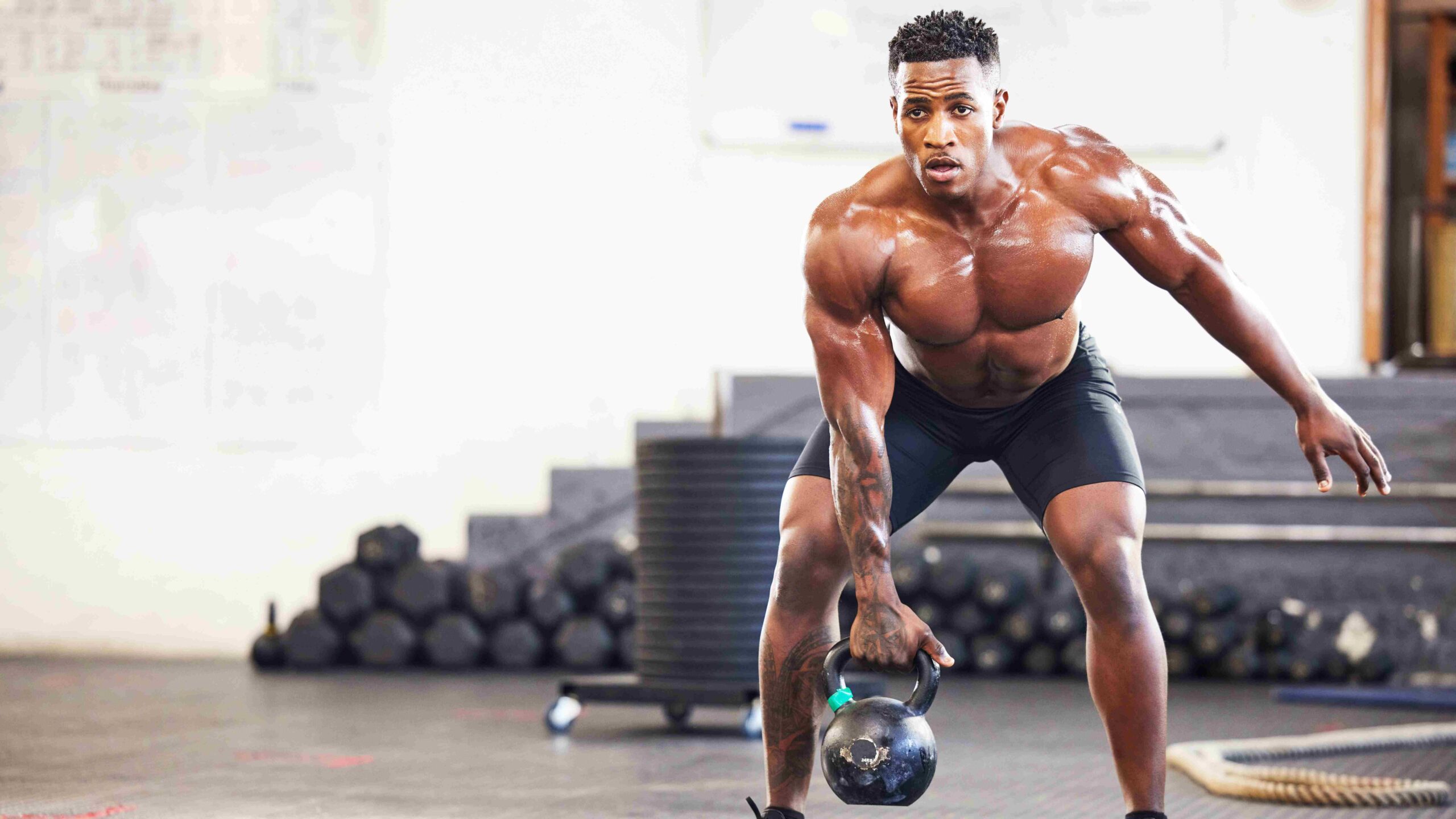
Four years ago, I walked into a new gym and saw people swinging these cannonball-looking weights around in ways that looked absolutely ridiculous. My traditional bodybuilding mindset dismissed kettlebell strength training as a gimmick—just another fitness fad that would fade away soon. Then I actually tried swinging a kettlebell and realized within minutes I’d been completely wrong about everything.
Kettlebell strength training differs fundamentally from barbell and dumbbell work because the weight’s center of mass extends beyond your hand, creating unique leverage demands and movement patterns impossible with traditional implements. This offset loading challenges your grip, core stability, and coordination differently while allowing ballistic movements like swings and snatches that build explosive power alongside strength. The combination of strength, power, endurance, and mobility work within single kettlebell training sessions delivers comprehensive fitness from minimal equipment and time investment.
Stop thinking you need expensive gym access or complicated equipment to build serious fitness. Kettlebell strength training delivers full-body conditioning from one simple tool you can use literally anywhere—home, garage, park, hotel room.
Why I Was Completely Wrong About Kettlebell Strength Training:

My background was traditional bodybuilding and powerlifting—barbells, dumbbells, machines, isolation exercises, high volume. I’d built decent size and strength through these methods, so when I saw kettlebell strength training, it looked like inefficient nonsense. Why swing a weight when you could just lift heavier weight in controlled movements?
That arrogance got destroyed during my first proper kettlebell session. The trainer had me do basic swings with a 35-pound bell, which seemed insultingly light compared to the hundreds of pounds I could deadlift. Twenty swings later, my hamstrings, glutes, and grip were absolutely torched. My heart rate was through the roof. I was breathing hard like I’d sprinted. This “easy” movement with “light” weight had kicked my ass in ways my heavy deadlifts never did.
The efficiency of kettlebell strength training became immediately apparent. In 15 minutes, I’d worked my entire posterior chain, gotten serious cardiovascular conditioning, challenged my grip endurance, and worked stabilizer muscles I didn’t even know existed. That same training effect might take 45 minutes with traditional methods using multiple exercises and equipment.
What really opened my eyes was how kettlebell strength training exposed weaknesses my conventional training had missed. I had strong prime movers—quads, chest, lats—but terrible core stability, weak grip endurance, poor hip mobility, and basically zero power development. Kettlebells addressed all these deficiencies through movements that integrated strength, stability, and explosiveness rather than isolating individual muscles.
Now kettlebell strength training forms the foundation of my fitness program. I still do some barbell work occasionally, but kettlebells provide 80 percent of my training volume. The results—improved conditioning, better movement quality, less joint pain, more functional strength—convinced me that simpler approaches often beat complicated ones.
The Foundational Kettlebell Swing That Changes Everything:
The kettlebell swing represents the most important movement in kettlebell strength training, teaching the hip hinge pattern while building posterior chain strength, power, and cardiovascular conditioning simultaneously. You drive your hips back loading your hamstrings and glutes, then explosively extend your hips projecting the kettlebell forward and up through that hip snap, not arm strength.
Learning proper swing technique took me weeks because it required completely relearning how to generate power. I was so conditioned to use my arms and upper body that letting my hips do the work felt unnatural initially. My trainer kept reminding me: “The arms are just ropes, the power comes from your hips.” Eventually that cue clicked and my swings transformed.
The cardiovascular demand from kettlebell swings surprised me most. Performing sets of 20 to 30 swings with 30 seconds rest creates conditioning stimulus rivaling sprints or hard rowing intervals. My heart rate spikes to 160-plus beats per minute during heavy swing sessions—genuine cardiovascular training happening during “strength” work.
The posterior chain development from consistent swing practice is legitimately impressive. My hamstrings and glutes are more developed now from kettlebell strength training than they ever were from years of deadlifts and leg curls. The explosive nature of swings seems to recruit muscle fibers differently than slow, controlled movements.
1. Progression from Two-Hand to Single-Arm Swings:
Two-hand swings teach the basic pattern with maximum stability. Once that movement feels solid, single-arm swings add significant anti-rotation demands as your core fights to prevent your torso twisting during the swing. The unilateral loading also addresses strength imbalances between sides.
I started with two-hand swings for probably six weeks before attempting single-arm versions. That first single-arm swing felt completely different—my core had to work so much harder preventing rotation. My grip fatigued faster holding the entire weight in one hand. The progression made familiar movements challenging again.
2. Heavy Swings for Power Development:
Once technique is solid, loading up heavier kettlebells builds serious power and strength through kettlebell strength training. I work up to swings with a 70-pound kettlebell for sets of 10 to 15 reps, and the force production required challenges me completely differently than lighter bells for higher reps.
Heavy swings demand maximum hip drive and power generation. There’s no faking it or using momentum—either you explosively extend your hips or the weight doesn’t move properly. This maximal intent power training translates beautifully to athletic performance in other activities.
3. Swing Variations for Different Stimuli:
American swings taking the kettlebell fully overhead add range of motion and shoulder mobility demands. Power swings emphasizing maximum height challenge your explosive capability. Double kettlebell swings multiply the loading and intensity. These variations keep kettlebell strength training engaging while challenging your body differently.
I rotate through different swing variations weekly to prevent adaptation and boredom. One session might emphasize heavy two-hand swings. Another focuses on high-rep single-arm work. Another incorporates double kettlebell swings for brutal conditioning. This variety drives continued progress while keeping training interesting.
Turkish Get-Up for Total Body Integration:
The Turkish get-up might look ridiculous—you’re lying on the ground holding a kettlebell overhead, then standing up through a complex sequence of movements, then reversing back down—but it’s genuinely one of the most effective total-body exercises in kettlebell strength training. Every muscle in your body works stabilizing that weight overhead while you transition through multiple positions.
Learning the get-up took me longer than any other kettlebell movement because there’s so many steps and so much happening simultaneously. I started with bodyweight only, learning the movement sequence without any load. Then I used a shoe balanced on my fist to ensure I was maintaining vertical arm position throughout. Eventually I added an actual kettlebell, starting ridiculously light.
The get-up revealed weakness everywhere. My shoulder stability was terrible on my left side. My hip mobility limited certain transitions. My core couldn’t maintain tension through the entire movement initially. Kettlebell strength training through get-ups addressed all these limitations systematically.
Now I can perform get-ups with a 53-pound kettlebell smoothly and controlled through the entire sequence. That improvement came from hundreds of repetitions building the strength, stability, and coordination required. The transfer to other movements and daily activities is remarkable—I move better overall from all that integrated practice.
Get-Up as Movement Assessment:
The get-up functions as both training and assessment in kettlebell strength training. Difficulties at specific positions reveal mobility restrictions, stability deficits, or strength weaknesses requiring attention. My left shoulder instability during the overhead position told me I needed dedicated shoulder work.
Filming your get-ups and reviewing the footage shows compensations and form breakdowns you can’t feel during the movement. I discovered I was rushing through certain positions rather than controlling them fully. Slowing down and owning every position dramatically improved my get-up quality.
Essential Kettlebell Strength Training Exercises:
- Kettlebell swings build explosive posterior chain power and cardiovascular conditioning
- Turkish get-ups develop total-body integration, stability, and mobility through complex movement
- Goblet squats teach proper squat mechanics while building leg strength with manageable loading
- Kettlebell presses overhead strengthen shoulders and core stability through strict vertical pressing
- Rows with kettlebell develop upper back strength and address postural muscles
- Cleans bring kettlebell to rack position building power and transitioning between exercises
- Snatches combine clean and press into one explosive movement challenging entire body
Building Effective Kettlebell Strength Training Programs:

Minimalist programming works beautifully with kettlebell strength training—you don’t need complicated periodization or dozens of exercises. Simple programs focusing on fundamental movements performed consistently produce excellent results. I follow a basic template: swings, get-ups, and one pressing or squatting movement each session.
Training frequency of three to four sessions weekly provides adequate stimulus without excessive fatigue. Kettlebell strength training is demanding enough that daily training often leads to overuse issues. I train Monday, Wednesday, Friday with occasional Saturday sessions when I’m feeling good.
Session duration of 30 to 45 minutes delivers comprehensive training without unnecessary volume. Kettlebell work is efficient—you accomplish more in less time compared to traditional training. My typical session includes five minutes warming up, 25 to 30 minutes on main work, and five to ten minutes cooling down.
1. Simple Strength Template:
This basic kettlebell strength training template builds strength and power effectively: Start with 5 to 10 minutes of swings as primary movement. Follow with 3 to 5 Turkish get-ups per side. Finish with a strength movement like presses, squats, or rows for 3 to 5 sets.
I’ve followed variations of this simple template for years with consistent progress. Some sessions I go heavier on swings and lighter on get-ups. Other days I emphasize the strength movement. The flexibility within the basic structure keeps things fresh while maintaining focus.
2. Conditioning-Focused Kettlebell Training:
For cardiovascular emphasis, kettlebell strength training can structure sessions around intervals, complexes, or continuous work. Swing intervals with work-rest ratios create brutal conditioning. Kettlebell complexes stringing multiple movements together tax your entire system.
I dedicate one weekly session to pure conditioning using kettlebell strength training methods. Maybe 10 rounds of 30-second swings with 30-second rest. Or a 20-minute complex alternating swings, cleans, presses, and squats. These sessions leave me completely gassed but build incredible work capacity.
3. Sport-Specific Kettlebell Applications:
Different sports benefit from tailored kettlebell strength training approaches. Combat athletes emphasize explosive power through swings and snatches. Endurance athletes build strength-endurance through high-rep work. Team sport athletes develop rotational power through exercises like kettlebell swings with rotation.
The explosive nature of kettlebell movements translates beautifully to athletic performance across many sports. The strength, power, and conditioning built through kettlebell strength training carries over to basically any physical activity you pursue.
Proper Technique Preventing Common Injuries:
Kettlebell strength training is generally safe when performed correctly but can cause injury with poor technique. The ballistic nature of swings and snatches means technique errors create significant forces in bad positions. Lower back pain from swinging with rounded spine represents the most common injury from improper form.
Learning from qualified instructors prevents most technique issues with kettlebell strength training. I worked with a certified kettlebell instructor for my first three months, ingraining proper movement patterns before training independently. That foundation prevented the injuries many self-taught kettlebell users develop.
Hand care matters for kettlebell strength training because the handle creates friction during ballistic movements. Proper grip technique and gradually building calluses prevents the hand tears that plague beginners. I ripped my hands open several times early on before learning better grip technique.
1. Shoulder Safety During Kettlebell Work:
Overhead positions during kettlebell strength training require adequate shoulder mobility and stability. Forcing overhead movements without proper preparation risks impingement or strain. I assess shoulder health regularly and modify training if any issues develop.
The dynamic nature of kettlebell snatches creates significant shoulder demands. Building progressively from controlled presses to power cleans to eventually snatches allows shoulder adaptation rather than jumping into advanced movements prematurely.
2. Grip Development and Management:
Grip strength limits performance in kettlebell strength training for most beginners. Your hands aren’t conditioned to the sustained gripping during high-rep swings or holds during get-ups. Building grip gradually prevents overuse injuries while developing the strength needed.
I supplement kettlebell strength training with dedicated grip work—dead hangs, farmer’s carries, plate pinches—building the hand and forearm strength supporting my kettlebell practice. The improved grip transfers to everything else I do physically.
Selecting Appropriate Kettlebell Weights:
Men typically start with 16kg (35 pounds) for swings and 12kg to 16kg (26 to 35 pounds) for other movements. Women usually begin with 12kg (26 pounds) for swings and 8kg to 12kg (18 to 26 pounds) for other exercises. These starting weights allow learning proper technique without being overwhelmed by excessive resistance.
I started my kettlebell strength training with a 16kg bell for swings and 12kg for everything else. Those weights felt appropriate for learning movements with some challenge but not so heavy I couldn’t maintain form, allowing me to build confidence, consistency, and strength without risking injury.
Conclusion
Kettlebell strength training completely changed how I view fitness. What I once dismissed as a gimmick became the most effective, time-efficient, and joint-friendly training system I’ve ever used. With just one simple tool, I built strength, power, conditioning, mobility, and resilience that years of traditional lifting failed to deliver. Whether your goal is fat loss, athletic performance, or simply moving and feeling better, kettlebell strength training proves that simple, well-executed movements beat complicated programs every time.
FAQs
1. Is kettlebell strength training good for beginners?
Yes. Beginners can start with light kettlebells and basic movements like swings, goblet squats, and presses to safely build strength and technique.
2. Can kettlebell training replace gym workouts?
Absolutely. Kettlebell strength training can fully replace gym workouts by developing strength, conditioning, mobility, and endurance with minimal equipment.
3. How many days per week should I do kettlebell training?
Three to four sessions per week is ideal for most people, allowing enough recovery while still making consistent progress.
4. Does kettlebell training help with fat loss?
Yes. The combination of strength and cardiovascular demand makes kettlebell workouts highly effective for burning calories and improving body composition.
5. What is the most important kettlebell exercise?
The kettlebell swing is the foundation—it builds power, conditioning, and posterior chain strength while teaching proper hip hinge mechanics.
Summary
Kettlebell strength training builds grip, core, power, and conditioning through swings and get-ups. With minimal equipment and simple programming, it delivers full-body results anywhere while proper technique and progressive loading maximize strength gains and prevent injuries.