
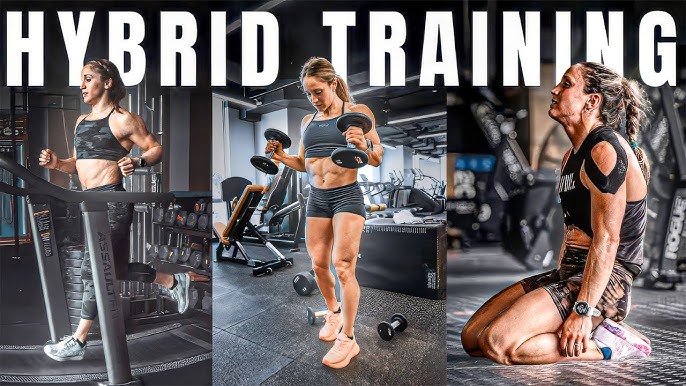
Two years ago, I was stuck choosing between powerlifting for strength and CrossFit for conditioning, feeling frustrated that specializing meant sacrificing other fitness qualities. Then I discovered hybrid strength training combining multiple training methods, and within months I was stronger, leaner, and more athletic than either approach alone ever delivered.
Hybrid strength training blends different training methodologies—powerlifting, bodybuilding, conditioning, endurance work, mobility training—into cohesive programs that develop multiple fitness qualities simultaneously instead of specializing in just one area. This integrated approach builds maximum strength alongside cardiovascular conditioning, muscle size with athletic performance, and power development without sacrificing mobility or endurance. Athletes, tactical professionals, and anyone wanting comprehensive fitness without glaring weaknesses benefit enormously from hybrid strength training’s balanced development.
Your body can absolutely be strong AND conditioned AND mobile AND powerful all at once. Hybrid strength training proves you don’t need to sacrifice one fitness quality to develop another like conventional wisdom suggests.
Why Traditional Training Programs Left Me Frustrated:

I spent years bouncing between different training philosophies trying to find the perfect approach. I’d follow powerlifting programs for months, getting really strong on the big three lifts but losing all my conditioning and gaining unwanted body fat. Then I’d switch to pure conditioning work, improving my endurance and getting leaner but watching my hard-earned strength disappear completely.
This constant back-and-forth was maddening. Every time I built something valuable, I’d have to sacrifice it chasing a different goal. My powerlifting friends would mock my conditioning work as “cardio killing gains.” My CrossFit buddies dismissed heavy lifting as unnecessary for functional fitness. I felt trapped between incompatible training cultures that refused to acknowledge other approaches had merit.
The breaking point came when I realized I wanted capabilities from multiple domains—I wanted to deadlift 500 pounds AND run a decent 5K AND do muscle-ups AND maintain single-digit body fat. Traditional specialized programs couldn’t deliver that combination. That’s when I started researching hybrid strength training approaches that intentionally developed multiple qualities rather than sacrificing some for others.
Discovering coaches who successfully combined strength, conditioning, and athletic development changed everything. These hybrid strength training programs proved you could absolutely maintain serious strength while building excellent conditioning if you programmed intelligently. The key was strategic organization, appropriate volume management, and understanding how different training stimuli interact rather than assuming they’re mutually exclusive.
The Science Behind Hybrid Strength Training Effectiveness:
Hybrid strength training works because the human body adapts to the specific demands placed on it through training. When you only do heavy strength work, you develop maximum force production but neglect cardiovascular adaptations and muscular endurance. Pure endurance training builds aerobic capacity but provides insufficient stimulus for maximum strength or muscle growth. Hybrid approaches provide varied stimuli triggering comprehensive adaptations.
The interference effect—where endurance training supposedly kills strength gains—gets exaggerated in fitness culture. Yes, running marathons while trying to maximize your squat creates conflicts. But moderate conditioning work actually enhances recovery between strength sessions, improves work capacity allowing more quality training volume, and supports body composition that enhances relative strength. Intelligent hybrid strength training manages these interactions rather than avoiding them entirely.
My body composition, strength, and conditioning all improved simultaneously once I started proper hybrid strength training. My squat increased from 315 to 405 pounds while my mile time dropped from 8:30 to 6:45 and my body fat decreased from 18 percent to 11 percent. This comprehensive improvement seemed impossible based on conventional training wisdom but happened naturally through strategic programming.
Research supports hybrid strength training’s effectiveness for developing well-rounded fitness. Studies comparing concurrent training (combining strength and endurance) to single-mode training show concurrent approaches produce superior overall fitness despite slightly smaller gains in any single quality compared to specialized training. For most people, being 90 percent as strong as a powerlifter while also having decent endurance beats being 100 percent as strong but unable to climb stairs without getting winded.
1. Balancing Strength and Conditioning Work:
The biggest challenge in hybrid strength training is balancing strength work and conditioning without one undermining the other. Scheduling matters enormously—doing intense conditioning immediately before heavy squats sabotages the squat session. Running a hard 5K right after deadlifts when you’re already fatigued risks injury and provides poor training stimulus for either quality.
I structure my hybrid strength training with strength work and conditioning on separate days when possible, or with several hours between sessions if training twice daily. Monday might be heavy lower body strength, Tuesday conditioning and upper body accessories, Wednesday rest or light activity, Thursday heavy upper body strength, Friday conditioning and lower body accessories. This separation allows each session to receive appropriate focus and energy.
When combining modalities in single sessions during hybrid strength training, I always prioritize the quality I’m emphasizing that day. If it’s a strength-focused session, I lift heavy first when fresh, then add lighter conditioning work. On conditioning-emphasized days, I do my cardio or metabolic work first, then maybe some lighter strength maintenance work. This prioritization ensures the primary training goal receives optimal effort.
2. Managing Training Volume Appropriately:
Total training volume requires careful management in hybrid strength training because you’re doing more total work than specialized programs. Adding conditioning work on top of full powerlifting volume creates excessive fatigue and prevents recovery. You need to adjust volumes in each domain to allow adequate recovery while still providing sufficient stimulus for adaptation.
My hybrid strength training uses slightly reduced volume in each area compared to specialized programs. My strength work might be 70 to 80 percent of a pure powerlifting program’s volume. My conditioning is maybe 60 to 70 percent of what a dedicated endurance athlete does. But the combination of both produces better overall fitness than either alone at full volume while managing fatigue appropriately.
Monitoring recovery markers helps optimize hybrid strength training volume. I track sleep quality, resting heart rate, appetite, mood, and training performance. When recovery indicators decline, I reduce volume or take additional rest rather than pushing through and accumulating excessive fatigue. This responsive approach prevents overtraining while maximizing productive training stress.
3. Periodization Strategies for Hybrid Programs:
Periodization—planned variation in training emphasis over time—works beautifully for hybrid strength training. Rather than trying to maximize everything simultaneously year-round, you can emphasize different qualities in different training blocks while maintaining others. A strength-focused block might reduce conditioning volume but maintain enough to preserve aerobic base. A conditioning phase would decrease strength volume while keeping enough to maintain strength levels.
My hybrid strength training follows roughly 8 to 12 week blocks with different emphasis. I might spend 10 weeks focused on strength development, performing heavy compound lifts 3 to 4 times weekly with moderate conditioning 2 to 3 times weekly. Then I’ll shift to an 8-week conditioning emphasis, reducing strength frequency to twice weekly for maintenance while increasing conditioning volume and intensity. This undulating approach develops everything over time without the unsustainable fatigue of maximizing all qualities constantly.
The maintenance volumes in hybrid strength training are surprisingly low. You can maintain strength with maybe 30 to 40 percent of the volume required to build it initially. Similarly, you can preserve conditioning with significantly less work than developing it requires. This maintenance principle allows hybrid programs to develop one quality while preserving others using minimal volume.
Essential Components of Effective Hybrid Strength Training:

- Heavy compound lifts (squats, deadlifts, presses) build maximum strength and muscle mass
- Moderate-intensity strength work develops muscular endurance and supports muscle growth
- High-intensity interval training provides cardiovascular conditioning without excessive muscle loss
- Steady-state cardio builds aerobic base and enhances recovery between intense sessions
- Explosive movements (jumps, throws, Olympic lift variations) develop power and athleticism
- Mobility and flexibility work maintains movement quality across all training modalities
- Proper nutrition and recovery protocols support the demands of multi-modal training
Programming Your First Hybrid Strength Training Block:
Starting hybrid strength training requires thoughtful program design rather than just randomly mixing different workouts. The most common mistake is trying to do everything at maximum volume and intensity simultaneously, which creates unsustainable fatigue and forces you to quit or scale back dramatically. Smart hybrid strength training builds comprehensive fitness through strategic organization, not through crushing yourself into the ground.
I recommend beginners to hybrid strength training start conservatively, underestimating how much you can handle initially. It’s far better to build up gradually and make consistent progress than to start overly aggressive, burn out in three weeks, and abandon the approach entirely. Your body needs time adapting to the varied training stimuli hybrid programs provide.
My first hybrid strength training block looked nothing like my current programming. I started with just two strength sessions and two conditioning sessions weekly, each relatively brief and moderate in intensity. That modest beginning allowed me to gauge my recovery capacity and gradually add volume and intensity as my body adapted. Within six months I’d worked up to my current more demanding schedule, but that patient progression prevented the burnout I’d experienced with previous training approaches.
1. Sample Beginner Hybrid Strength Training Week:
Monday focuses on lower body strength—squats, Romanian deadlifts, and accessories for 45 to 60 minutes. Tuesday is conditioning work—maybe 20 to 30 minutes of interval training or a longer steady run. Wednesday rests or does light activity like walking or yoga. Thursday hits upper body strength—bench press, rows, and accessories for 45 to 60 minutes. Friday returns to conditioning, perhaps a different modality than Tuesday. Weekend includes one additional short conditioning session or rest depending on recovery.
This basic template for hybrid strength training provides two strength sessions hitting your full body across the week, three conditioning sessions building cardiovascular fitness, and adequate recovery time. The strength work builds and maintains muscle and maximum strength. The conditioning develops your aerobic system and work capacity. Together they create balanced development without excessive fatigue.
2. Adjusting Based on Individual Response:
Everyone responds differently to hybrid strength training volume and intensity. Some people recover quickly and can handle more total work. Others need more conservative approaches with extra recovery time. Paying attention to your individual response and adjusting accordingly matters more than following any template rigidly.
I needed more recovery time than most hybrid strength training programs suggested initially. Following standard templates left me constantly tired and making minimal progress. Once I added an extra rest day weekly and reduced my conditioning volume slightly, everything improved. My strength started progressing again, my conditioning sessions felt stronger, and I stopped feeling perpetually run down.
Tracking your training response through performance metrics helps optimize hybrid strength training. If your strength numbers are stalling or declining, you might need more recovery or less conditioning volume. If your conditioning isn’t improving, perhaps you need more volume or intensity in that domain. Use objective data guiding your adjustments rather than just guessing.
3. Progressive Overload Across Modalities:
Progressive overload applies to hybrid strength training just like specialized programs—you need to gradually increase training stress over time to force continued adaptation. The complexity is managing progression across multiple qualities simultaneously without creating unsustainable total stress.
I progress different elements of hybrid strength training on different timelines. My main strength movements progress weekly or bi-weekly, adding small amounts of weight or reps consistently. My conditioning might progress through increased duration, reduced rest intervals, or higher intensity every few weeks. These staggered progressions prevent everything becoming harder simultaneously, which would quickly become unmanageable.
Nutrition Supporting Hybrid Strength Training Demands:
Hybrid strength training creates unique nutritional demands because you’re simultaneously trying to fuel strength training, support muscle recovery, provide energy for conditioning work, and potentially manage body composition. This multi-faceted challenge requires more thoughtful nutrition than specialized training where you’re just trying to maximize one quality.
Protein needs for hybrid strength training are significant—probably 0.8 to 1 gram per pound of bodyweight to support muscle maintenance and growth from strength training while providing amino acids for recovery from conditioning work. I consume roughly 180 grams of protein daily at 185 pounds, getting it from chicken, fish, eggs, Greek yogurt, and protein powder.
Carbohydrate requirements for hybrid strength training typically exceed pure strength training needs because conditioning work depletes glycogen stores that need replenishment. I eat substantially more carbs—probably 300 to 400 grams daily during heavy training blocks—compared to the 200 to 250 grams I consumed doing only strength training. That additional carbohydrate fuels my conditioning sessions and supports recovery.
1. Meal Timing for Hybrid Training:
When you’re training multiple times daily or performing different modalities in single sessions during hybrid strength training, meal timing becomes more relevant. I try eating complete meals 2 to 3 hours before training when possible, providing steady energy without digestive discomfort. Post-training nutrition within an hour or two supports recovery, particularly after harder sessions.
My typical hybrid strength training day includes protein and carbs before my morning strength session, a post-workout shake immediately after, then a full meal a couple hours later. If I’m doing afternoon conditioning, I’ll have another snack an hour before that session for energy. This meal frequency and timing supports the multiple training bouts without causing energy crashes or digestive issues.
2. Hydration and Recovery Nutrition:
Hydration demands increase substantially with hybrid strength training, especially the conditioning components. I drink significantly more water—probably 100 to 120 ounces daily—compared to when I only did strength training. Conditioning work through sweating creates fluid losses requiring replacement for performance and recovery.
Recovery nutrition beyond just protein and carbs matters for hybrid strength training. I supplement with creatine supporting strength performance, fish oil for inflammation management, and vitamin D since testing showed deficiency. These additions support the multi-faceted demands hybrid training creates beyond what whole food alone provides.
Common Hybrid Strength Training Mistakes to Avoid:

Trying to maximize everything simultaneously represents the most common hybrid strength training error. You cannot run a high-volume powerlifting program, train for a marathon, and do CrossFit simultaneously without completely destroying yourself. Smart hybrid training requires accepting that you’ll develop multiple qualities to good levels rather than maximizing any single quality.
I made this mistake initially, trying to keep all my strength numbers progressing rapidly while also dramatically improving my conditioning. The result was constant fatigue, declining performance in everything, and eventual burnout forcing a complete deload. Once I accepted developing solid but not elite capabilities across domains, my hybrid strength training actually started working.
Neglecting recovery is another major hybrid strength training pitfall. The combined stress from strength and conditioning work exceeds what either alone creates. You need adequate sleep, proper nutrition, and strategic rest days for your body to adapt positively. I prioritize 8 hours of sleep nightly and take at least one complete rest day weekly, sometimes two if fatigue accumulates.
1. Ignoring Technique Under Fatigue:
Hybrid strength training often involves performing technical lifts when somewhat fatigued from conditioning work or previous sessions. Maintaining strict technique even when tired prevents injuries that would derail your training. I’ve seen people’s form completely fall apart trying to squat heavy after hard conditioning earlier in the day.
I never compromise on movement quality during hybrid strength training regardless of fatigue. If I’m too tired to maintain proper squat depth and position, I reduce the weight or end the session rather than grinding through with terrible form. This discipline has kept me injury-free through years of demanding training.
2. Poor Exercise Selection:
Some exercises and modalities combine better than others in hybrid strength training. Heavy deadlifts and long-distance running both heavily tax your lower back and central nervous system—programming both with high volume simultaneously creates excessive fatigue and injury risk. Smarter hybrid programs pair complementary rather than competing modalities.
I structure my hybrid strength training carefully considering these interactions. My heavy lower body strength days don’t include high-volume squats and deadlifts in the same session. My running is moderate distance and frequency, not marathon training volume. These thoughtful choices allow consistent training without the injuries that poor exercise selection creates.
Mental and Lifestyle Benefits of Hybrid Training:
Hybrid strength training provides mental variety that prevents the boredom single-modality training often creates. Having different types of sessions—heavy strength days, conditioning days, power work, endurance sessions—keeps training engaging rather than monotonous. I genuinely look forward to the varied training my hybrid program provides compared to the mental fatigue of doing only heavy lifting constantly.
The comprehensive fitness from hybrid strength training supports diverse activities and sports without specific preparation. I can hike, play pickup basketball, help friends move furniture, join a trail run—basically anything active—without feeling completely unprepared or destroyed afterward. That capability improves quality of life beyond just gym performance.
Building balanced fitness through hybrid strength training reduces injury risk in daily life by developing strength, conditioning, mobility, and work capacity simultaneously. I’m strong enough to safely handle physical demands, conditioned enough to sustain activity without exhaustion, mobile enough to move well, and resilient enough to recover from exertion. This comprehensive physical preparation matters more than any single fitness quality for most people’s lives.
1. Improved Body Composition:
The combination of strength training and conditioning in hybrid programs produces excellent body composition results. The strength work builds and maintains muscle mass. The conditioning burns calories and improves metabolic health. Together they create lean, muscular physiques better than either modality alone typically produces.
My body composition improved dramatically through hybrid strength training compared to my powerlifting-only phase where I was strong but carrying excess body fat. I’m now leaner with similar or better strength levels plus vastly superior conditioning. The balanced approach created the physique and performance I’d wanted but couldn’t achieve through specialized training.
2. Building Long-Term Sustainability:
Hybrid strength training creates sustainable long-term training practices by developing well-rounded fitness that remains relevant throughout life. Pure powerlifting becomes harder to maintain as you age when joint health declines. Pure endurance training doesn’t build the strength maintaining functional independence. Hybrid approaches develop multiple qualities supporting lifelong health and capability.
I envision continuing hybrid strength training indefinitely because it addresses multiple aspects of fitness I want to maintain. The strength work preserves muscle mass and bone density as I age. The conditioning protects cardiovascular health. The mobility work maintains movement quality. This comprehensive approach supports healthy aging better than specialized training.
Adjusting Hybrid Strength Training for Different Goals:
Tactical athletes like military, law enforcement, and firefighters benefit enormously from hybrid strength training because their jobs demand diverse physical capabilities. They need strength for carrying equipment or people, endurance for sustained operations, power for explosive movements, and mental toughness for operating under stress. Hybrid programs develop this multi-faceted fitness their professions require.
General population fitness enthusiasts wanting comprehensive health and capability without competitive athletic ambitions are perfectly suited for hybrid strength training. Building good strength, decent conditioning, some muscle mass, and maintaining healthy body composition serves most people’s needs better than specializing in one narrow domain.
Competitive athletes can use hybrid strength training during off-seasons developing qualities their sport doesn’t specifically emphasize. A competitive powerlifter might include more conditioning and mobility work during off-season hybrid training to improve overall health and work capacity before returning to specialized peaking for competition.
1. Hybrid Training for Fat Loss:
Hybrid strength training provides excellent tools for fat loss by combining muscle-building strength work with calorie-burning conditioning. The strength training preserves muscle mass during caloric deficits preventing the metabolic slowdown pure cardio-based fat loss creates. The conditioning provides additional calorie expenditure supporting the deficit.
I successfully lost 20 pounds of fat while maintaining my strength levels through hybrid strength training with moderate caloric restriction. The balanced approach allowed me to lean out without the muscle loss and strength decline I’d experienced during previous fat loss attempts using only diet and cardio.
2. Hybrid Training for Athletic Performance:
Sport athletes can incorporate hybrid strength training principles developing strength and conditioning appropriate for their sport’s demands. A soccer player might emphasize sprint conditioning and lower body strength. A basketball player might focus on vertical jump power and repeated sprint ability. The hybrid approach builds sport-relevant fitness rather than just general capability.
Tracking Progress Across Multiple Domains:
Measuring improvement in hybrid strength training requires tracking multiple metrics since you’re developing varied qualities. I monitor my main lift numbers (squat, deadlift, bench), conditioning benchmarks (mile time, max reps in timed workouts), body composition (weight and body fat percentage), and subjective measures (energy levels, recovery, how I feel).
This comprehensive tracking reveals whether my hybrid strength training is working or needs adjustment. If my strength is improving but conditioning is declining, I need more conditioning volume or intensity. If both are stalling, I probably need better recovery. The multiple data points provide a clearer picture than any single metric.
Setting appropriate goals for hybrid strength training means accepting you won’t progress as rapidly in any single quality as specialized training would provide. I might add 10 pounds to my squat over a training block where a pure powerlifting program might add 20 pounds. But I’m also improving my conditioning, which the powerlifting program wouldn’t address at all.
Celebrating Non-Scale Victories:
The benefits of hybrid strength training often show up in ways beyond gym performance metrics. Feeling energetic throughout the day, recovering quickly from physical demands, moving well without aches and pains, fitting into clothes better—these improvements matter tremendously even if they’re harder to quantify than pounds on the bar.
I track these subjective improvements alongside objective metrics because they represent the real-world benefits hybrid strength training provides. Yeah, I’m proud of my strength numbers and conditioning benchmarks, but the daily quality of life improvements honestly matter more to me than any gym achievement.
Conclusion
Hybrid strength training develops comprehensive fitness by intelligently combining strength work, conditioning, power development, and mobility training into cohesive programs. This balanced approach builds multiple physical qualities simultaneously, creating well-rounded capability serving diverse activities and supporting long-term health better than specialized training. Start conservatively, manage volume carefully, prioritize recovery, and enjoy developing the complete fitness your body deserves.
Frequently Asked Questions
Can hybrid strength training build serious strength and muscle?
Yes, though perhaps not quite as much as pure bodybuilding or powerlifting. You’ll build substantial strength and muscle while also developing conditioning specialized programs neglect completely.
How many days per week should I train with hybrid programs?
Four to six days works well for most people—2-3 strength sessions, 2-3 conditioning sessions. Beginners might start with 4 total sessions building up gradually.
Will conditioning work kill my strength gains?
Not when programmed intelligently. Moderate conditioning actually enhances recovery and work capacity. Excessive volume or poor scheduling can interfere, but balanced hybrid training avoids this.
What’s the best way to start hybrid strength training as a beginner?
Start conservatively with 2 strength and 2 conditioning sessions weekly. Build volume and intensity gradually over months rather than trying to do everything maximally immediately.
Can I use hybrid training while trying to lose fat?
Yes, hybrid strength training works excellently for fat loss. The strength work preserves muscle while the conditioning burns calories, creating optimal body composition changes during deficits.
Summary
Hybrid strength training combines strength development, cardiovascular conditioning, power work, and mobility into comprehensive programs building well-rounded fitness. This balanced approach develops multiple physical qualities simultaneously through strategic programming, appropriate volume management, and adequate recovery. Start with conservative volumes, progress patiently, and experience the transformative power of building complete capability rather than narrow specialization.