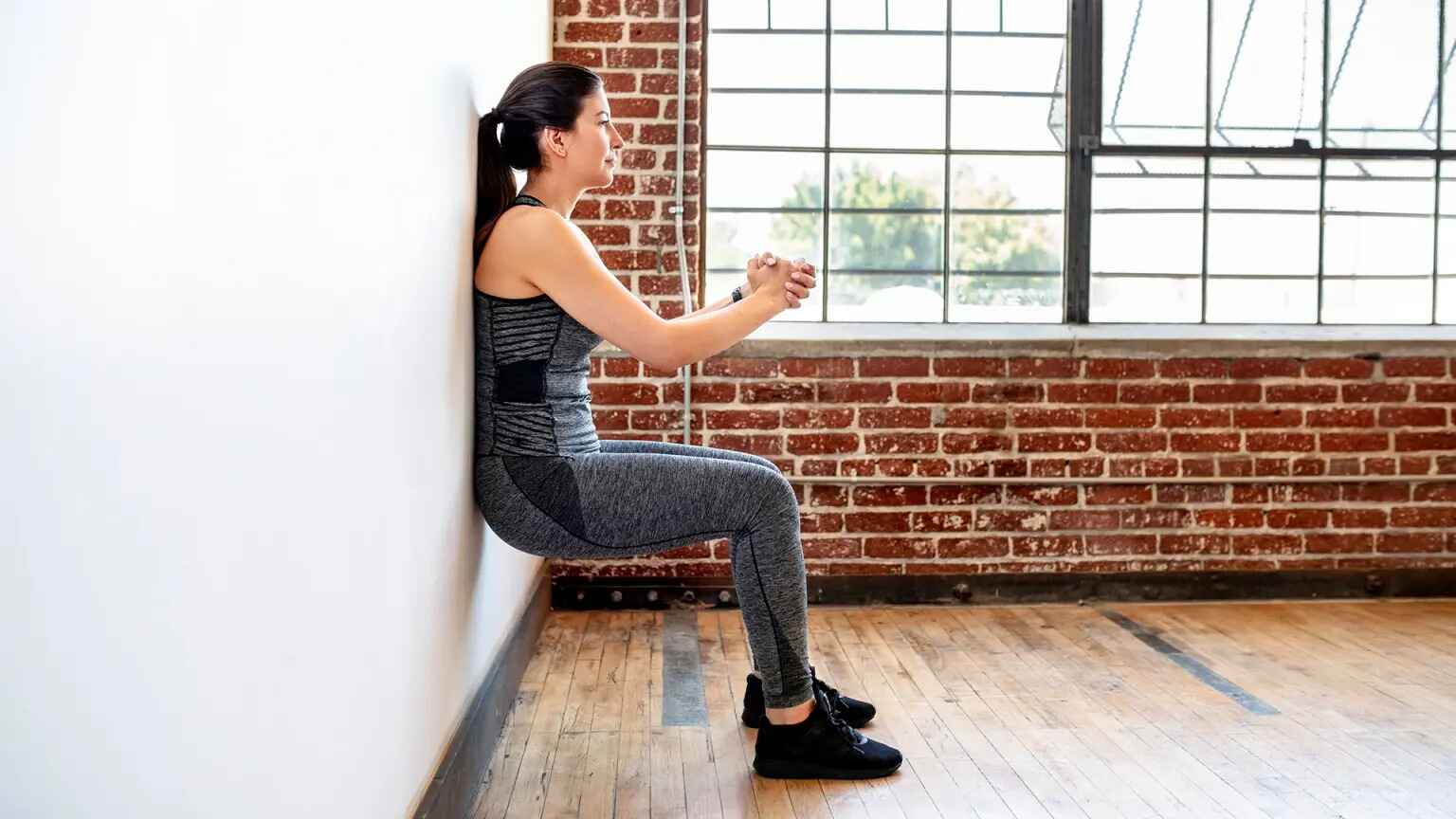
Six months ago, my trainer had me hold a wall sit for what she promised would be “just one minute” as part of my leg workout. Forty-five seconds in, my quads were absolutely screaming, sweat was pouring down my face, and I was questioning every life choice that led to that moment of pure suffering discovering benefits of wall sitting exercise.
The benefits of wall sitting exercise come from isometric muscle contraction—your muscles working intensely while maintaining a static position rather than moving through ranges of motion. This sustained tension under load builds muscular endurance, mental toughness, joint stability, and surprisingly significant strength gains despite the lack of movement. Wall sits require zero equipment, take minimal space, and deliver legitimate training stimulus that complements or even replaces traditional leg exercises for certain goals.
Stop judging wall sitting exercise as too simple or easy to be effective. The benefits of wall sitting exercise will humble even strong lifters when they actually try holding proper position for meaningful duration.
Why I Completely Underestimated Wall Sits:
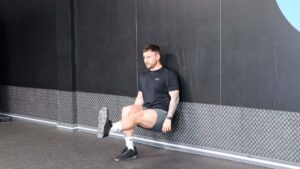
My leg training background was traditional—squats, leg presses, lunges, all the standard dynamic movements. When my trainer first mentioned adding wall sitting exercise, I internally rolled my eyes thinking it was filler work for people who couldn’t handle real training. Just sitting against a wall with bent knees? How could that possibly compare to squatting heavy weights?
That arrogance lasted approximately thirty seconds into my first actual wall sit attempt. The burning sensation in my quads intensified rapidly as I held the position. My legs started shaking uncontrollably around 45 seconds. By one minute, I literally couldn’t hold the position anymore despite my legs not actually moving or lifting any external weight. The muscular fatigue was absolutely brutal.
What shocked me most about the benefits of wall sitting exercise was the carryover to my other leg training. After incorporating wall sits regularly for several weeks, my squat endurance improved dramatically. Sets that used to leave my quads burning and force me to rack the bar became more manageable. My legs had developed the ability to sustain tension and work through discomfort that wall sitting had specifically trained.
The mental toughness component of wall sitting exercise became equally valuable. Holding that uncomfortable position while every fiber in your quads is screaming to stop builds psychological resilience that transfers to everything else. When you’re deep in a heavy squat set and want to quit, having developed the mental strength to push through wall sit pain makes continuing more achievable.
Now wall sitting exercise is a staple in my leg training. I use it as a finishing movement, destroying whatever’s left in my quads after main work, or occasionally as a standalone leg workout when I can’t get to the gym. The benefits of wall sitting exercise have earned my respect through brutal personal experience showing that simple doesn’t mean easy or ineffective.
Isometric Strength Development Through Wall Sits:
Isometric training—muscle contraction without movement—builds strength differently than traditional dynamic exercises. The benefits of wall sitting exercise include developing strength specifically at the joint angle you’re holding, which transfers to improved performance throughout similar ranges of motion.
Wall sitting exercise targets your quads, glutes, and calves through sustained isometric contraction in a partial squat position. Your muscles work intensely maintaining that position against gravity trying to pull you down. This constant tension creates significant training stimulus despite the lack of movement.
Research on isometric training shows it builds strength primarily at the specific angle being held, with some transfer to ranges about 15 to 20 degrees on either side. The benefits of wall sitting exercise for squat strength make sense given the similar position—the wall sit holds you in a position similar to the bottom third of a squat, strengthening exactly that range.
I’ve found my squat lockout strength improved from regular wall sitting exercise. That sticking point where the weight feels heaviest became more manageable once my quads developed the ability to maintain tension through sustained holds. The isometric strength built through wall sits transferred beautifully to dynamic squat performance.
1. Joint Angle Specificity:
The benefits of wall sitting exercise are most pronounced at the specific knee and hip angles you’re holding. A wall sit with knees bent 90 degrees builds strength primarily around that position. Varying your wall sit depth—higher or lower against the wall—trains different portions of the squat range.
I incorporate varied wall sit depths getting comprehensive strength development. Sometimes I hold higher positions with knees at maybe 120 degrees. Other sessions I go deeper to 90 degrees or even lower. This variation ensures benefits of wall sitting exercise across my full squat range.
2. Muscle Fiber Recruitment:
Sustained isometric holds during wall sitting exercise recruit and fatigue muscle fibers progressively. As fibers tire, your body recruits additional fibers maintaining the contraction. This progressive recruitment potentially stimulates more total muscle fibers than dynamic exercises where some fibers never fully engage.
The burn you feel during wall sitting exercise results from metabolic byproduct accumulation in working muscles as they sustain contraction. This metabolic stress is a known trigger for muscle adaptation and growth. The benefits of wall sitting exercise include this metabolic stimulus despite not moving through a range of motion.
Muscular Endurance Building:
Perhaps the most significant benefits of wall sitting exercise involve developing muscular endurance—your muscles’ ability to sustain effort over time. Dynamic exercises train your muscles to produce force through movement. Wall sits train them to maintain force through sustained contraction, building endurance that complements strength.
Activities of daily living often require sustained muscle contraction more than maximum strength. Holding a toddler, carrying groceries, maintaining posture—these tasks demand muscular endurance that wall sitting exercise specifically trains. I notice everyday activities feeling easier from the muscular endurance benefits of wall sitting exercise.
Athletic performance in many sports benefits from muscular endurance more than maximum strength. Skiing requires sustained leg tension controlling position down slopes. Cycling demands sustained quadriceps contraction pedaling over distance. The muscular endurance from wall sitting exercise directly improves performance in these activities.
I incorporated wall sitting exercise preparing for a ski trip, and my legs felt dramatically more resilient on the slopes compared to previous years. I could ski longer runs without the quad fatigue that used to force frequent breaks. The sustained contraction training from wall sits prepared my legs for skiing’s demands.
1. Progressive Overload Through Time:
The benefits of wall sitting exercise allow simple progressive overload—just increase the duration you can hold the position. Starting at 30 seconds and building to 2 or 3 minutes represents clear, measurable progress requiring no additional equipment or complexity.
I track my wall sit times like I track weights on my lifts. Seeing the duration increase from 45 seconds initially to over 2 minutes now provides concrete evidence of improved muscular endurance. This quantifiable progress keeps me motivated and engaged with wall sitting exercise.
2. Adding External Resistance:
Once bodyweight wall sits become too easy, adding external load increases difficulty. Holding a weight plate or wearing a weighted vest during wall sitting exercise creates additional resistance requiring more muscular force to maintain the position. These benefits of wall sitting exercise with added weight bridge the gap toward maximum strength development.
I now sometimes hold a 25 or 45-pound plate during wall sits when bodyweight alone isn’t sufficiently challenging. The added resistance creates a completely different level of difficulty, building more strength alongside the endurance benefits of wall sitting exercise.
Mental Toughness and Mind-Muscle Connection:
The psychological challenge of wall sitting exercise might exceed the physical demands. Holding an uncomfortable position while your muscles burn intensely and your mind screams to quit builds mental toughness transferring to everything you do. The benefits of wall sitting exercise include this psychological resilience developed through voluntary suffering.
I’ve learned more about myself through wall sitting exercise than almost any other training. The mental battle of continuing when every instinct says stop teaches you about your actual capabilities versus your perceived limitations. You discover you can endure more discomfort than you believed possible.
The mind-muscle connection developed during wall sitting exercise improves how effectively you engage muscles during all exercises. The intense focus required maintaining the isometric hold teaches conscious muscle control that carries over to dynamic movements. I feel my quads working more effectively during squats from the awareness wall sits developed.
Learning to breathe properly and relax unnecessary tension during wall sitting exercise while maintaining the hold is a skill applicable everywhere. The benefits of wall sitting exercise include this body awareness and tension management that improves movement quality across all activities.
1. Breathing Under Tension:
Many people hold their breath during challenging exercises, which limits performance and creates unnecessary stress. Wall sitting exercise teaches breathing calmly while under significant muscular tension. I focus on steady, controlled breathing during wall sits, which keeps me calmer and allows longer holds.
This breathing skill from wall sitting exercise transfers beautifully to heavy lifting. I can now maintain better breathing patterns during difficult squat sets because wall sits trained me to breathe under sustained tension. The benefits of wall sitting exercise include this often-overlooked respiratory control.
2. Meditation and Focus:
The sustained nature of wall sitting exercise creates meditative qualities requiring present-moment focus. You cannot think about work stress or dinner plans while your quads are screaming—you’re completely present managing the discomfort. This forced mindfulness provides mental benefits beyond pure physical training.
I sometimes use wall sitting exercises specifically for stress management and mental clarity. The intense physical demand quiets mental chatter, leaving me feeling centered and calm afterward. These psychological benefits of wall sitting exercise add value beyond just leg strength.
Injury Prevention and Rehabilitation:
The low-impact nature of wall sitting exercise makes it valuable for injury prevention and rehabilitation when dynamic exercises might aggravate issues. The benefits of wall sitting exercise include strengthening muscles and joints without the impact forces or range-of-motion demands potentially problematic during injury recovery.
Knee rehabilitation often incorporates wall sits because they strengthen the quadriceps and stabilize the knee joint without requiring full range flexion or extension that might irritate healing tissues. I’ve used wall sitting exercise recovering from minor knee tweaks when squatting would’ve been painful.
Prehabilitation—preventing injuries before they occur—benefits tremendously from wall sitting exercise strengthening stabilizer muscles and improving joint control. The sustained contraction trains muscles to maintain proper joint positioning, which prevents the compensation patterns leading to injury.
The benefits of wall sitting exercise for older adults particularly matter for maintaining independence and preventing falls. Building leg strength and endurance through low-impact wall sits supports functional capabilities without the injury risks high-impact or complex exercises create.
1. Quadriceps Strengthening for Knee Health:
Strong quadriceps protect your knees by properly controlling patellar tracking and absorbing forces during activities. Wall sitting exercise builds quad strength that stabilizes and protects knee joints. I’ve noticed less occasional knee discomfort since incorporating regular wall sits.
Physical therapists frequently prescribe wall sitting exercise for knee rehabilitation because it strengthens quads safely without excessive joint stress. The benefits of wall sitting exercise for knee health make it valuable both preventing and recovering from knee issues.
2. Building Joint Stability:
The isometric contraction during wall sitting exercise improves neuromuscular control of your hip, knee, and ankle joints. Your nervous system learns to precisely control joint position under load, which enhances stability during all activities. This stability from wall sitting exercise prevents the unstable joint positions that cause injuries.
Accessibility and Convenience:
Perhaps the most practical benefits of wall sitting exercise involve requiring absolutely zero equipment and minimal space. Any wall anywhere provides everything needed for an effective leg workout. This accessibility removes all barriers preventing consistent training.
I’ve done wall sitting exercises in hotel rooms while traveling, in my office during work breaks, at parks, basically anywhere with a wall. This convenience supports consistency that gym-dependent exercises can’t match. The benefits of wall sitting exercise accumulate through this easy, frequent training access.
Time efficiency represents another major advantage—wall sitting exercise delivers legitimate training stimulus in just a few minutes. A complete wall sit workout might take 5 to 10 minutes total. This efficiency allows fitting effective leg training into busy schedules where hour-long gym sessions aren’t feasible.
The benefits of wall sitting exercise make it perfect for people intimidated by gyms or lacking access to facilities. You need literally nothing except a wall and the willingness to work. This simplicity democratizes effective leg training removing financial and logistical barriers.
1. Home Workout Integration:
Wall sitting exercise fits perfectly into home workout routines requiring no equipment purchases or space allocation. I include wall sits in my home workout days when I can’t get to the gym, ensuring my legs still get quality training. The benefits of wall sitting exercise prevent gaps in my training regardless of circumstances.
2. Active Break Productivity Hack:
Short wall sit breaks during work-from-home days provide physical activity breaking up sedentary time while occupying minimal time. I’ll do a 60-second wall sit every couple hours, which refreshes me mentally while providing legitimate leg training. These brief sessions accumulate meaningful benefits of wall sitting exercise without disrupting my work schedule.
Complementing Dynamic Leg Training:
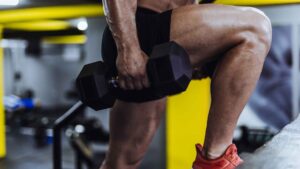
Wall sitting exercise shouldn’t replace your regular leg training but rather complements it perfectly. The isometric strength and endurance from wall sits enhance your performance on dynamic exercises like squats and lunges. I use wall sitting exercise as a finishing movement after my main leg work, thoroughly exhausting my quads after they’re already fatigued from squats and leg presses.
The benefits of wall sitting exercise as a squat accessory are substantial. By specifically strengthening the positions where you’re weakest, wall sits eliminate sticking points in your squat. My squat depth improved from the strength and stability wall sitting exercise built in bottom positions.
Endurance athletes benefit from wall sitting exercise building the sustained muscular contraction required for their sports. Runners, cyclists, and triathletes can add leg-specific endurance without additional impact stress from more running or riding. The benefits of wall sitting exercise provide training variety that complements sport-specific work.
I recommend everyone incorporate wall sitting exercise regardless of their primary training focus. The unique stimulus provides benefits you simply cannot get from dynamic exercises alone, making wall sits valuable additions to any program.
Finisher and Burnout Sets:
Using wall sitting exercise as a workout finisher completely destroys whatever’s left in your legs after your main exercises. After finishing my squat and leg press work, I’ll do a maximum-effort wall sit holding until absolute failure. This burnout delivers additional training volume and intensity taking my legs to complete fatigue.
The metabolic stress from wall sitting exercise finishers creates serious muscle-building stimulus. The benefits of wall sitting exercise as finishers include both the immediate exhaustion and the adaptation from sustained metabolic stress.
Programming Wall Sitting Exercise Effectively:
Beginners should start with multiple short holds building total time under tension gradually. Maybe 3 sets of 20 to 30 seconds initially, resting 60 seconds between sets. This conservative approach prevents excessive soreness while building the foundation for longer holds and capturing early benefits of wall sitting exercise.
I started my wall sitting exercise practice with 30-second holds that felt brutally difficult. Gradually extending duration as that became manageable built my capacity systematically. Now I can hold 2 to 3 minute wall sits comfortably, but that capability took months of progressive training to develop.
Intermediate practitioners might aim for 60 to 90 second holds or use techniques like descending sets—holding until failure, resting briefly, then holding again. These advanced protocols maximize the benefits of wall sitting exercise for developing muscular endurance and mental toughness.
Adding wall sitting exercise 2 to 3 times weekly provides adequate stimulus without excessive fatigue. I include wall sits after my main leg training twice weekly and occasionally as a standalone quick workout on rest days. This frequency delivers consistent benefits of wall sitting exercise without overuse issues.
Tracking Progress Systematically:
Recording your wall sit times and tracking improvement over weeks motivates continued practice. I log every wall sit session noting duration, any added weight, and how difficult it felt. Watching those times increase provides clear evidence the benefits of wall sitting exercise are accumulating.
Setting specific time goals—maybe building from 60 seconds to 2 minutes over 8 weeks—creates concrete targets driving your training. The benefits of wall sitting exercise become more meaningful when you’re working toward defined objectives rather than just randomly holding positions.
Conclusion
The benefits of wall sitting exercise deliver legitimate leg strength, muscular endurance, mental toughness, and joint stability from one simple movement requiring zero equipment or space. This accessible exercise builds capabilities complementing dynamic leg training while being sustainable for lifelong practice. Stop dismissing wall sits as too simple—try holding proper position for serious duration and experience the humble power of sustained isometric contraction.
FAQs
How long should I hold a wall sit as a beginner?
Start with 20 to 30 second holds for 3 sets. Build duration gradually as it becomes manageable, progressing toward 60+ second holds over weeks.
Can wall sitting exercise replace squats in my workout?
No, wall sits complement but don’t replace dynamic squats. Use both for comprehensive leg development—squats for dynamic strength, wall sits for isometric endurance.
Will wall sitting exercise build visible muscle in my legs?
Wall sits primarily build muscular endurance rather than size. They’ll contribute to overall leg development when combined with dynamic exercises but won’t maximize hypertrophy alone.
What’s the proper knee angle for wall sitting exercise?
Thighs parallel to the ground (90-degree knee angle) is standard. Beginners can start higher; advanced practitioners might go slightly deeper for increased difficulty.
How often should I do wall sits weekly?
Two to three times weekly provides excellent results. More frequent training is possible given low injury risk, though muscular fatigue may limit performance if overdone.
Summary
The benefits of wall sitting exercise include significant leg strength, exceptional muscular endurance, mental toughness development, and improved joint stability—all from one equipment-free movement accessible anywhere. This underrated exercise complements dynamic leg training while building unique capabilities traditional exercises cannot develop alone. Add wall sits to your routine and discover the profound effectiveness of sustained effort.