I had chronic lower back pain for two years that wouldn’t go away no matter what I tried. Physical therapist finally explained that my psoas muscle was incredibly tight from sitting all day. Started doing specific psoas stretch exercises daily. Within three weeks the constant ache disappeared completely. Can’t believe one tight muscle caused so much misery for so long.
Your psoas muscle connects your spine to your legs deep in your core. Most people have never heard of it despite it affecting literally everything you do. Sitting for hours daily shortens this crucial muscle creating a cascade of problems throughout your body. Tight psoas causes lower back pain, hip discomfort, poor posture, and restricted movement patterns. A proper psoas stretch addresses these issues directly releasing tension stored deep in your core. Just ten minutes daily of targeted stretching transforms how your body feels and moves.
These six techniques work when done correctly and consistently. Relief comes faster than you’d expect from such simple movements honestly.
Why Your Psoas Needs Attention:

Modern life destroys your psoas through constant sitting. Your hip flexors stay in a shortened position for eight hours daily at a desk. Standing up doesn’t automatically reverse this adaptation. The muscle literally becomes shorter and tighter over time. A dedicated psoas stretch routine actively lengthens this muscle counteracting the damage from sitting constantly.
Tight psoas pulls your pelvis into anterior tilt. This exaggerated arch in your lower back compresses spinal discs and facet joints. The chronic compression causes the persistent back pain so many people suffer daily. I dealt with this for years before discovering a proper psoas stretch was the solution. Once I addressed the root cause, symptoms vanished completely.
Your psoas affects way more than just your back. It influences your breathing, digestion, and even your emotional state. Trauma and stress get stored physically in this muscle. People describe feeling emotional release during deep psoas stretch work. I didn’t believe this until experiencing it myself. The physical and emotional relief from addressing psoas tightness is honestly profound.
The 6 Most Effective Psoas Stretches:
1. Classic Kneeling Hip Flexor Stretch:
Kneel on your right knee with your left foot flat on the floor in front. Keep your torso upright and gently push your hips forward. You’ll feel the psoas stretch deep in your right hip. Hold for 45-60 seconds then switch sides. This is the foundation psoas stretch everyone should master first.
The key is keeping your pelvis in a neutral position. Don’t let your lower back arch excessively. Tuck your tailbone slightly under and engage your glutes. This alignment ensures the psoas stretch targets the right muscle instead of stressing your lower back.
I do this stretch every single morning without fail. It’s become as automatic as brushing my teeth. The consistency is what made all the difference for my back pain. Missing even a few days and I notice tightness creeping back in.
2. Standing Psoas Stretch:
Stand facing a wall with your right foot back in a lunge position. Both feet point straight forward. Keep your back leg completely straight. Lean your hips toward the wall feeling the stretch deep in your right hip flexor. Hold for 60 seconds then switch sides.
This standing variation works great when you can’t get on the floor. I do this psoas stretch at my desk during work breaks. Takes literally two minutes and prevents tightness from accumulating during long sitting sessions.
The straight back leg is crucial here. Bending your knee reduces the effectiveness significantly. Keep that leg locked out feeling the stretch run from your hip all the way down your thigh. Proper alignment makes all the difference.
3. Supine Psoas Stretch:
Lie on your back at the edge of a bed or bench. Pull your left knee to your chest while letting your right leg hang off the edge toward the floor. The hanging leg weight provides the psoas stretch. Hold for 90 seconds then switch sides.
This is honestly my favorite psoas stretch. Gravity does the work so you can completely relax into it. The deep release in my hip flexor feels incredible every time. Sometimes I fall asleep in this position. It’s so relaxing.
Don’t force the hanging leg down aggressively. Let gravity gently stretch it over time. Forcing creates muscle guarding which defeats the purpose. Patience and breathing deeply allows the muscle to release naturally.
4. Low Lunge with Arm Reach:
Start in a low lunge position with your right knee on the floor. Reach both arms overhead and lean slightly back. This adds spinal extension to the basic psoas stretch creating a deeper release. Hold for 45 seconds then switch sides.
The arm reach intensifies the stretch significantly. I couldn’t do this variation initially because my psoas was too tight. Worked up to it gradually over a few weeks. Now it’s one of the most effective psoas stretch techniques in my routine.
Keep your core engaged, preventing excessive lower back arching. The stretch should feel intense but never painful. Sharp pain means you’ve gone too far. Back off slightly and focus on breathing into the stretch instead.
5. Pigeon Pose Variation:
Start on hands and knees then bring your right knee forward placing it behind your right wrist. Extend your left leg straight behind you. Walk your hands forward lowering your chest toward the floor. This psoas stretch also opens your hip rotators simultaneously.
Pigeon pose is brutal when you first attempt it. I could barely hold it for 15 seconds initially. Months of consistent practice made it comfortable. Now I can hold this psoas stretch for several minutes while watching TV in the evenings.
Use props like yoga blocks or cushions under your hips if needed. Making the position accessible matters more than achieving some perfect alignment. Work within your current ability and progress gradually.
6. Resistance Band Psoas Stretch:
Lie on your back with a resistance band around your right foot. Extend your right leg straight up. Keep your left leg extended on the floor. The band allows gently pulling your leg toward your head while your left hip flexor gets stretched from the extended position. Hold for 60 seconds each side.
This psoas stretch provides the most control over intensity. Adjust how hard you pull the band based on what feels appropriate. I use this variation when I’m extra tight and need a gentler approach than other techniques.
The extended bottom leg is what provides the psoas stretch. The top leg with the band is just positioning. Don’t miss this crucial detail. I did this stretch wrong for weeks before someone corrected my form.
Daily Stretching Protocol:
- Morning: Kneeling hip flexor stretch and Standing variation taking 5 minutes total right after waking
- Lunch break: Standing psoas stretch at your desk or in bathroom for 3 minutes mid-day
- Evening: Supine stretch and Pigeon pose for 10-15 minutes before bed winding down
- Post-workout: Low lunge with arm reach after any training session while muscles are warm
- Rest days: Longer holds of 90-120 seconds since you’re not training hard that day
- Minimum commitment: At least one psoas stretch held for 60 seconds daily without exception
- Listen to your body adjusting which techniques you emphasize based on current tightness
- Track progress noticing how positions feel easier over weeks and months of practice
Understanding Psoas Function:
Your psoas originates on your lumbar vertebrae and inserts on your femur. It’s the only muscle connecting your spine directly to your legs. This unique position makes it crucial for posture, movement, and core stability. A proper psoas stretch maintains this muscle’s optimal length.
The psoas flexes your hip bringing your knee toward your chest. It also stabilizes your spine and pelvis during movement. Walking, running, standing, sitting – all require your psoas working properly. Tightness in this muscle affects literally every movement you make throughout the day.
I never realized how important this one muscle was until mine became dysfunctional. Suddenly everything hurt and felt off. Once I addressed it through consistent psoas stretch work, my entire movement quality improved dramatically. It’s honestly the most important muscle nobody knows about.
1. The Sitting Problem:
Every hour sitting shortens your psoas by keeping it in a contracted position. Your body adapts to this position making it your new normal. Standing up doesn’t fix it automatically. You need active psoas stretch work reversing the adaptation.
I sit for probably 10 hours daily between work and commuting. Without dedicated stretching my psoas would be permanently shortened. The daily psoas stretch routine counteracts the sitting damage preventing chronic tightness.
2. Compensation Patterns:
Tight psoas forces other muscles to compensate in ways they shouldn’t. Your lower back overworks trying to stabilize. Your glutes weaken from disuse. Your hamstrings tighten to counterbalance the anterior pull. These compensation patterns create pain and dysfunction throughout your entire body.
Addressing the root cause through psoas stretch work allows everything else to normalize. My hamstrings loosened up once my psoas released. My glutes started firing properly again. Everything connects in ways you don’t realize until fixing the primary issue.
3. The Stress Connection:
Your psoas tightens during fight-or-flight stress responses. Chronic stress means chronically tight psoas. This creates a feedback loop where tight muscle maintains stress response. A deep psoas stretch can actually help regulate your nervous system.
I notice my psoas tightens during stressful work periods. The stretching provides both physical and mental relief. Breaking that stress-tension cycle through intentional psoas stretch practice helps me manage anxiety better than I expected.
Common Mistakes People Make:
- Arching their lower back excessively during psoas stretch positions defeating the purpose entirely
- Holding their breath instead of breathing deeply reducing effectiveness dramatically throughout
- Bouncing or forcing the stretch creating muscle guarding instead of relaxation and release
- Only stretching when they feel pain instead of maintaining daily consistent preventive practice
- Expecting immediate results rather than understanding improvement takes weeks of dedication consistently
- Comparing their flexibility to others creating unrealistic expectations and discouragement unnecessarily
Progressive Improvement:
Start with shorter holds if you’re extremely tight initially. Maybe 20-30 seconds per psoas stretch building up to 60-90 seconds gradually over weeks. Pushing too hard too fast causes injuries or makes the muscle guard more.
I started holding stretches for just 15 seconds because anything longer felt unbearable. Gradually increased duration as my psoas were released. Now I can hold positions for several minutes comfortably. Progress happens slowly but compounds dramatically over time.
Track your progress by noting how positions feel week to week. What felt impossible last month might be comfortable now. I keep a simple journal tracking my psoas stretch practice and noting improvements. Seeing the progress written down keeps me motivated.
1. Breathing Techniques:
Deep breathing activates your parasympathetic nervous system. This relaxation response allows muscles to release tension more easily. Breathe deeply into your belly during every psoas stretch. I count breaths rather than seconds sometimes.
Inhale through your nose for 4 counts. Exhale through your mouth for 6 counts. This breathing pattern enhances the effectiveness of any psoas stretch significantly. The combination of stretch and breath work produces better results than stretching alone.
2. Adding Movement:
Gentle rocking or pulsing in stretched positions can release tension better than static holds alone. Move in and out of the psoas stretch slightly, finding areas of particular tightness. I rock gently during the supine variation finding tight spots and breathing into them.
Don’t confuse this with bouncing aggressively. Gentle subtle movement exploring your range of motion works. Aggressive bouncing triggers protective muscle tension defeating the purpose of the psoas stretch completely.
3. Measuring Progress:
Take monthly photos in the same psoas stretch positions. Visual documentation reveals improvements you can’t feel day-to-day. I look back at old photos shocked at how limited my range was. The gradual improvement becomes obvious when comparing months apart.
Test your hip flexion by lying down and pulling one knee to your chest. How close does it get? How does the other leg behave? These benchmarks show improvements in psoas length over time from consistent stretching.
Integration with Strengthening:
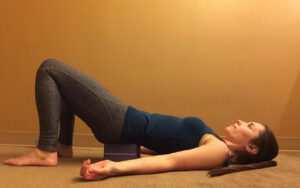
Stretching alone creates flexible but potentially unstable joints. Combine psoas stretch work with core and glute strengthening for optimal results. The combination creates mobile stable hips instead of just loose ones.
I learned this lesson by tweaking my hip during a workout. Had flexibility but not the strength to control that range. Now I do planks, dead bugs, and glute bridges alongside my psoas stretch routine. The balanced approach prevents injuries.
Strong glutes counterbalance tight hip flexors. They work together maintaining proper pelvic position. Focusing only on psoas stretch without strengthening glutes leaves the imbalance partially addressed. Both components are necessary.
1. Exercise Selection:
Exercises that strengthen your core without overworking hip flexors work best. Planks, bird dogs, and dead bugs all fit this criteria. Avoid sit-ups or leg raises that further tighten your psoas while trying to strengthen your core.
I do three sets of planks and bird dogs most days. This strengthening work paired with my psoas stretch routine keeps everything balanced. My lower back feels stable and strong instead of just flexible.
2. Sport-Specific Considerations:
Runners need exceptional psoas flexibility due to the repetitive hip flexion. Regular psoas stretch work prevents the chronic tightness that leads to IT band issues and knee pain. I run three times weekly and stretch psoas daily maintaining healthy function.
Cyclists spend hours in hip flexion creating extreme psoas tightness. The bent position is even worse than sitting at a desk. Cyclists absolutely need dedicated psoas stretch routines preventing the chronic pain so common in the sport.
Age-Related Changes:
Psoas naturally tightens with age from years of sitting and decreased activity. Older adults often have severely shortened hip flexors affecting their posture and gait. Regular psoas stretch work slows this decline dramatically at any age.
It’s never too late to start. My 70-year-old father began stretching his psoas after years of back pain. His mobility improved significantly within months. Age just means you might progress slower but improvement absolutely happens.
Younger people should establish good habits now to prevent future problems. Starting psoas stretch routines in your 20s or 30s means maintaining healthy function into old age. Don’t wait until you’re in pain to address hip flexor health.
When to Seek Professional Help:
If psoas stretch work causes sharp pain instead of just discomfort, consult a professional. Some pain might indicate actual injury requiring different treatment. I’m not a medical professional, just someone sharing what worked for me.
Physical therapists can assess your specific situation and provide personalized guidance. They helped me understand my particular pattern of tightness and compensation. The few sessions I had were incredibly valuable.
Persistent pain despite consistent stretching might indicate something beyond simple muscle tightness. Don’t ignore your body’s warning signals. Get professional evaluation if things aren’t improving after a few weeks of dedicated psoas stretch practice.
Long-Term Consistency:
Building sustainable habits matters more than intense short-term effort. I stretch my psoas daily now without thinking about it. The habit formed through consistent practice over months. Find your own routine and stick with it.
Attach psoas stretch work to existing habits. I stretch after my morning coffee and before bed. These triggers ensure I never forget. The routine became automatic instead of requiring constant motivation.
Missing occasional days doesn’t ruin your progress. Life happens. Just resume your routine without guilt or stress. I’ve missed plenty of days over the past two years. The overall consistency produces results despite imperfect adherence.
Conclusion
These six psoas stretch techniques address deep hip flexor tightness when practiced consistently daily. Start with basic variations progressing to advanced positions gradually over weeks. Dedicate 10-15 minutes daily to psoas stretching for optimal results. Combine stretching with core and glute strengthening for balanced hip function. Track progress noticing improvements over weeks and months consistently. Your entire body functions better with a healthy psoas.
FAQ’s
1. How long until psoas stretch work shows noticeable improvement?
Most people notice changes within 2-4 weeks of daily practice, significant mobility increases typically require 8-12 weeks of consistency.
2. Should I stretch my psoas before or after workouts?
After workouts when muscles are warm, light dynamic stretching before training okay but save deep psoas stretch for afterward.
3. Can psoas tightness really cause lower back pain?
Absolutely yes, tight psoas is one of the most common causes of chronic lower back pain in sedentary people.
4. How long should I hold each psoas stretch position?
Beginners start with 20-30 seconds, work up to 60-90 seconds per stretch as flexibility improves over consistent weeks.
5. Is daily psoas stretch practice necessary or excessive?
Daily practice is ideal for sedentary people sitting hours daily, active people might maintain it 3-4 times weekly.
Summary
Six essential psoas stretch techniques target deep hip flexor tightness when practiced consistently. Combine stretching with strengthening for optimal hip health and function. Start with modifications progressing to advanced variations gradually over months. Benefits extend throughout your entire body improving posture, movement quality, and eliminating chronic back pain completely.