
Threw my back out last March lifting boxes during a move. Pain was absolutely excruciating for three days straight. Couldn’t stand up straight, couldn’t sit comfortably, sleeping was torture. Doctor said typical back muscle strain recovery time is two to six weeks. Mine took five weeks to feel normal again. Longest five weeks of my entire life honestly.
Back pain stops your life completely when it hits hard. Every single movement reminds you something’s wrong. Standing hurts, sitting hurts, lying down sometimes hurts worst of all. You’re desperate for answers about how long this nightmare will last. Back muscle strain recovery time varies significantly based on severity and how you handle it. Minor strains might resolve in days while severe tears take months. Understanding what affects recovery helps you heal faster and avoid making things worse.
The difference between a two-week recovery and a three-month recovery often comes down to what you do in those first few critical days after injury.
Why Recovery Time Varies So Much:

Not all back strains are created equal honestly. A minor muscle pull from awkward bending might heal in a week. A severe tear from lifting too heavy could take two months or more. Back muscle strain recovery time depends heavily on injury severity initially. The amount of muscle fiber damage directly determines healing timeline required.
Your actions immediately after injury matter enormously too. Continuing to push through pain makes everything way worse. I tried ignoring mine the first day and regretted it massively. Made the injury significantly worse requiring longer recovery. Resting appropriately in those first 48 hours can cut back muscle strain recovery time in half compared to powering through stupidly.
Understanding Different Strain Severities:
Back muscle strains get classified into three grades based on damage severity. Grade 1 involves minor tearing of muscle fibers with mild pain and stiffness. These typically heal within 1-2 weeks with proper rest. Grade 2 means moderate tearing with significant pain and reduced range of motion. Back muscle strain recovery time for these runs is 3-6 weeks usually.
Grade 3 represents complete muscle tears with severe pain and inability to use the muscle properly. These can take 2-3 months or more to heal fully. Sometimes require medical intervention beyond basic rest. My injury was probably a grade 2 based on the pain level and how long it took healing completely.
Doctor visits help determine severity accurately. They can assess the injury properly and rule out more serious problems like herniated discs. Don’t try self-diagnosing severe back pain. I waited three days before seeing a doctor which probably extended my back muscle strain recovery time unnecessarily.
Factors Affecting Your Recovery:
1. Age and Overall Health:
Younger people generally heal faster than older adults naturally. Your body’s repair mechanisms slow with age unfortunately. Someone in their 20s might recover in two weeks while someone in their 50s takes six weeks for the same injury. This isn’t fair but it’s biological reality affecting back muscle strain recovery time significantly.
Overall health status matters tremendously too. Good nutrition, healthy weight, and regular exercise all speed healing. I was in decent shape when injured which probably helped. Poor health, obesity, or chronic conditions like diabetes slow recovery considerably. Take care of your body generally and it’ll take care of you when injured.
2. Following Treatment Properly:
Doctors give specific instructions for managing back strains. Rest initially, then gradually reintroduce movement, do prescribed exercises. Actually following these instructions makes huge differences in back muscle strain recovery time. I followed everything religiously and recovered on the faster end of the expected timeline.
So many people ignore medical advice thinking they know better. They rush back to normal activities too soon and reinjure themselves. This restarts the entire healing process from scratch. Patience and compliance with treatment pays off massively in faster complete recovery.
3. Stress and Mental Health:
Chronic stress impairs healing through elevated cortisol levels. Your body can’t heal properly while constantly stressed out. I noticed my back felt worse during stressful work weeks and better during relaxed weekends. Managing stress through whatever works for you helps back muscle strain recovery time significantly.
Depression and anxiety also slow physical healing measurably. The mind-body connection is real and powerful. Getting mental health support if you’re struggling helps your physical recovery too. Don’t neglect your mental state while dealing with physical injury.
4. Previous Injuries:
Prior back injuries make new ones heal slower and recur more easily. Scar tissue from old injuries lacks the strength and flexibility of healthy muscle. Thankfully, my back had never been injured before this incident. People with chronic back problems often face longer back muscle strain recovery time with each new episode unfortunately.
This is why preventing future injuries becomes crucial after recovering. Strengthening exercises and proper body mechanics matter even more after your first back strain. Don’t assume you’re invincible once healed.
Typical Recovery Timeline:

- Days 1-3: Acute phase with severe pain, inflammation, and muscle spasm limiting all movement significantly
- Days 4-7: Pain intensity decreases somewhat, can move more carefully, inflammation starting to reduce noticeably
- Week 2: Significant improvement in pain and mobility, can perform basic daily activities with caution
- Weeks 3-4: Most pain gone, movement almost normal, beginning gentle strengthening exercises safely
- Weeks 5-6: Feeling mostly normal, gradually returning to regular activities and exercise routines
- Months 2-3: Complete healing of muscle tissue, full strength and flexibility restored for severe strains
- Back muscle strain recovery time varies by individual and injury severity significantly always
What You Should Do Immediately:
Ice the injured area for 15-20 minutes every few hours the first two days. This reduces inflammation and numbs pain somewhat. I iced constantly those first few days which definitely helped. Heat comes later after inflammation subsides but ice first is crucial for limiting initial damage.
Rest but don’t become completely immobile. Total bed rest actually slows back muscle strain recovery time surprisingly. Gentle walking and basic movements prevent stiffness while allowing healing. I forced myself to walk around my apartment every hour despite pain. Movement felt terrible initially but prevented getting completely locked up.
Over-the-counter anti-inflammatories like ibuprofen reduce pain and inflammation. Take them as directed on the bottle. These helped me function during the worst days. Don’t exceed recommended dosages thinking more is better. That’s dangerous and doesn’t actually speed healing.
When to Seek Medical Help:
Severe pain that doesn’t improve after a few days needs professional evaluation. Could indicate more serious injury than simple strain. I saw my doctor on day three when pain wasn’t decreasing at all. Better safe than sorry with back injuries honestly.
Numbness, tingling, or weakness in your legs signals potential nerve involvement. This is not a simple muscle strain anymore. Get medical attention immediately if you experience these symptoms. Nerve damage is serious and requires different treatment affecting back muscle strain recovery time significantly.
Loss of bladder or bowel control is a medical emergency. Go to the ER immediately if this happens. This indicates serious spinal cord compression requiring urgent intervention. Thankfully this is rare but you need to know the warning signs.
Activities to Avoid During Recovery:
Heavy lifting obviously needs to be avoided completely. Nothing over 10 pounds for the first few weeks minimum. I had friends help with groceries and other lifting during recovery. Swallow your pride and ask for help rather than reinjuring yourself stupidly.
Twisting movements stress healing muscles unnecessarily. No golf, tennis, or activities involving rotation. Even reaching for things while twisted felt terrible on my back. Face items directly instead of twisting to reach them.
High-impact activities like running or jumping should wait until you’re pain-free. These jar the spine and strain healing muscles. Stick with walking initially then gradually progress to more demanding activities. Rushing back to intense exercise is the quickest way to extend your back muscle strain recovery time dramatically.
Safe Exercises to Start:
Gentle walking is perfect for maintaining movement without aggravating injury. Start with 5-10 minute walks and build gradually. Walking was the only exercise I could tolerate the first two weeks. Kept me from going stir-crazy stuck at home.
Pelvic tilts lying on your back engage core muscles gently. These felt good even during the acute phase. Do 10-15 repetitions a few times daily. Simple but effective for maintaining some muscle activation.
Cat-cow stretches on hands and knees mobilize the spine safely. Move slowly through the positions without forcing anything. I added these around week two and they provided nice relief. Listen to your body and stop if anything hurts sharply.
Rehabilitation Exercises:
1. Early Phase Stretches:
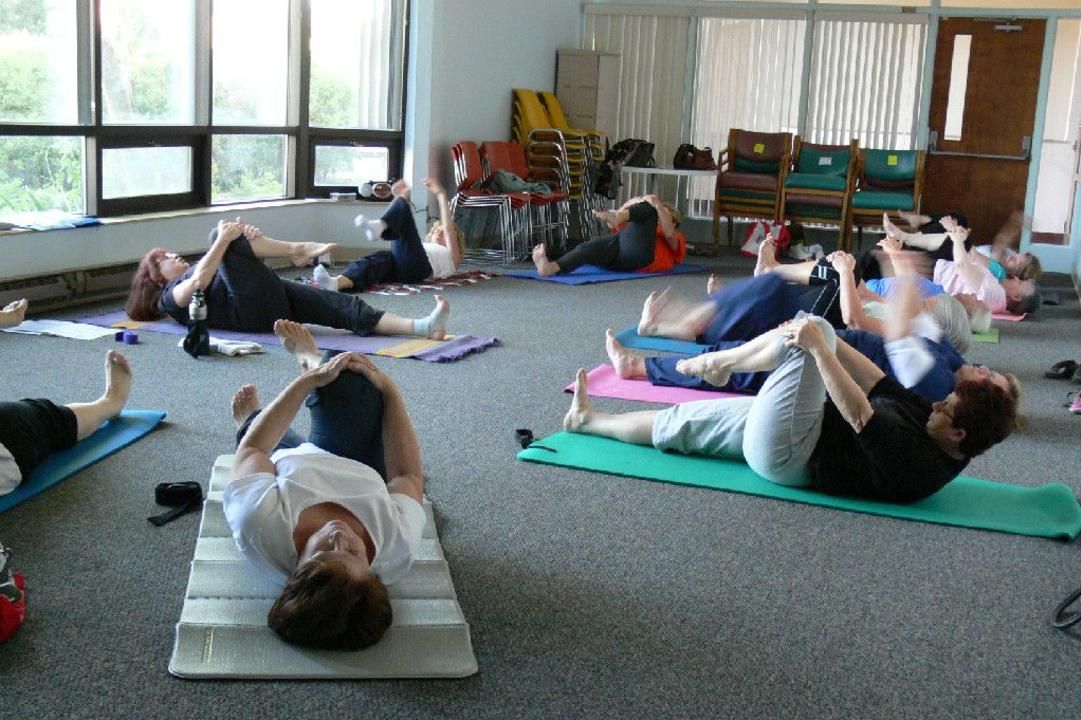
Knee-to-chest stretches lying on your back gently stretch lower back muscles. Hold each knee for 20-30 seconds. I started these around day 10 when acute pain subsided. Felt good to finally stretch after days of stiffness.
Hamstring stretches help too since tight hamstrings pull on your lower back. Lie on your back, lift one leg, and gently pull it toward you with a towel. Hold 30 seconds each leg. Tight hamstrings definitely contributed to my injury so I focused heavily on stretching them.
2. Strengthening Progression:
Bridges strengthen glutes and core without stressing back excessively. Lie on your back with knees bent, lift hips up, hold briefly. Start with 10 repetitions and build gradually. These became part of my daily routine around week three.
Planks build core stability protecting your back long-term. Start with short holds like 10-15 seconds and progress slowly. Don’t push into pain. Core strength is crucial for preventing future back muscle strains and reducing recovery time if reinjury occurs.
Bird dogs challenge core stability and coordination. On hands and knees, extend opposite arm and leg simultaneously. These felt awkward initially but really helped my recovery. Added them around week four when stronger.
3. Returning to Normal Exercise:
Gradually reintroduce normal activities over weeks not days. Maybe 50% intensity and volume first week back, 75% the next, then full intensity. I rushed this initially and had a minor setback. Learn from my mistake and progress conservatively.
Pay attention to your body’s signals carefully. Some soreness is normal but sharp pain means it stops immediately. I learned to distinguish between good workout soreness and bad injury pain. This awareness prevents reinjury during the return to activity phase.
Common Mistakes That Extend Recovery:
Ignoring pain and pushing through makes everything worse. I did this initially before getting smart. Extended my back muscle strain recovery time by at least a week from stubbornness. Pain is your body’s warning system – listen to it always.
Not doing prescribed exercises seems lazy but actually slows healing. These exercises promote blood flow and prevent stiffness. I was diligent about my rehab exercises and recovered faster than predicted. Consistency with the boring simple stuff pays off huge.
Returning to normal activities too quickly risks reinjury. This is probably the most common mistake causing extended back muscle strain recovery time. Your back might feel 80% better but isn’t fully healed yet. Give it proper time before resuming everything.
1. Poor Posture Habits:
Slouching stresses your back constantly delaying healing. I became hyperaware of my posture during recovery. Sitting up straight felt uncomfortable initially but definitely helped. Good posture reduces strain on healing muscles significantly.
Staying in one position too long causes stiffness and pain. Change positions frequently throughout the day. I set timers to remind myself to move around every 30 minutes. Keeping mobile prevents muscles from tightening up.
2. Inadequate Sleep:
Your body does most of the healing during deep sleep. Poor sleep quality extends back muscle strain recovery time measurably. I prioritized sleep during my recovery getting 8-9 hours nightly. Made a noticeable difference in how I felt daily.
Finding comfortable sleeping positions is challenging with back pain. Side sleeping with a pillow between your knees worked best for me. Experiment to find what works for your specific injury location.
Preventing Future Strains:
Proper lifting technique prevents most back injuries honestly. Bend at your knees, keep the load close, engage your core, lift with your legs. Sounds basic but most injuries happen from ignoring these principles. I now follow proper form religiously after learning my lesson painfully.
Regular core strengthening makes your back more resilient. Strong abs and back muscles protect your spine from injury. I do core work 3-4 times weekly now as injury prevention. Haven’t had back problems since making this a priority.
Maintaining flexibility through regular stretching reduces injury risk. Tight muscles are more prone to straining. Daily stretching routine takes 10 minutes but pays huge dividends. Much easier than dealing with another back injury and long recovery.
Workplace Ergonomics:
Desk jobs wreak havoc on backs over time. Proper chair height, monitor position, and taking regular breaks matter enormously. I adjusted my entire workspace after recovering. My back feels so much better during long work days now.
Standing desks or alternating between sitting and standing helps many people. I use a standing desk converter now working standing 2-3 hours daily. Variety in positions prevents the chronic stress that leads to injury.
When Recovery Takes Longer:

Some back strains just take longer healing despite doing everything right. Severe grade 2 or any grade 3 strains require extended back muscle strain recovery time. Don’t compare your timeline to others with different injury severities.
Complications like scar tissue formation can slow healing too. Physical therapy helps address these issues when basic home care isn’t enough. I considered PT around week four but improved enough to avoid it. Don’t hesitate seeking professional help if recovery stalls.
Underlying conditions like arthritis or disc problems complicate recovery. These require addressing separately from the acute muscle strain. Your doctor can evaluate whether something else is contributing to prolonged symptoms.
Physical Therapy Benefits:
Professional guidance ensures you’re doing exercises correctly and safely. Improper form can worsen injury even with good exercises. PT would’ve probably shortened my back muscle strain recovery time if I’d started earlier.
Manual therapy techniques like massage and mobilization promote healing. These feel good and increase blood flow to injured area. Some people swear by these treatments for faster recovery.
Personalized exercise programs target your specific weaknesses and imbalances. Generic exercises are okay but customized plans are better. PT identifies your individual issues contributing to injury susceptibility.
Long-Term Outlook:
Most people recover completely from back muscle strains with no lasting issues. Back muscle strain recovery time ends with full return to normal function typically. My back feels completely normal now almost a year later.
Some people experience chronic issues if injury was severe or poorly managed. This is why proper initial treatment and rehabilitation matter so much. Don’t skip steps trying to speed recovery.
Staying active and maintaining good habits prevents recurrence. I’m more careful now but not paranoid. Being smart about lifting and core strengthening keeps me pain-free.
Conclusion
Back muscle strain recovery time typically ranges from two weeks to three months depending on severity. Proper initial management with rest, ice, and gentle movement speeds healing significantly. Follow medical advice, do prescribed exercises consistently, and gradually return to activities. Most people recover completely without lasting problems. Patience during recovery prevents reinjury and chronic issues developing long-term.
FAQs
1. How long does typical back muscle strain recovery time take?
Mild strains heal in 1-2 weeks, moderate strains take 3-6 weeks, severe strains require 2-3 months or more total.
2. Should I rest completely or stay active during recovery?
Gentle activity like walking helps recovery, complete bed rest actually slows healing and causes stiffness and weakness.
3. When can I return to exercise after back strain?
Wait until pain-free for basic activities, then gradually reintroduce exercise at reduced intensity over several weeks minimum.
4. Will my back muscle strain recovery time be faster with treatment?
Yes, proper treatment with rest, ice, gentle exercise, and anti-inflammatories significantly speeds healing compared to doing nothing.
5. Can I prevent future back strains after recovering?
Absolutely, core strengthening, proper lifting technique, good posture, and regular stretching dramatically reduce future injury risk significantly.
Summary
Back muscle strain recovery time varies from weeks to months based on severity and treatment approach. Minor strains heal quickly with rest while severe tears require extended recovery periods. Proper initial management, consistent rehabilitation exercises, and gradual return to activity ensure complete healing. Prevention through strengthening and proper mechanics reduces future injury risk.