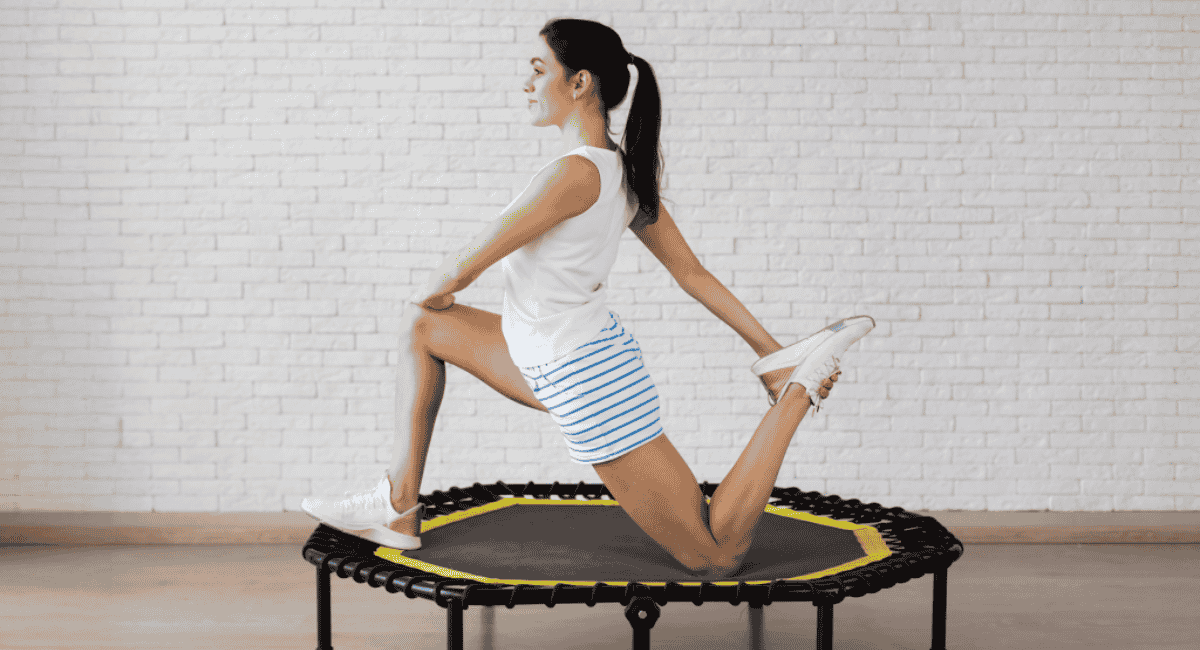
Last spring, my neighbor invited me to try her rebounding exercise class, and I honestly thought it looked ridiculous—a bunch of adults bouncing on mini-trampolines like kids at a birthday party. Thirty minutes later, I was completely soaked in sweat, my legs were burning, and I’d discovered one of the most effective low-impact workouts I’d ever experienced.
The benefits of rebounding exercise extend far beyond the fun factor of bouncing on a mini-trampoline, offering genuine physiological advantages including enhanced lymphatic drainage, improved cardiovascular conditioning, strengthened bones and joints, better balance and coordination, and surprisingly effective calorie burning—all with minimal impact stress on your joints. This unique exercise modality provides therapeutic benefits for recovery, rehabilitation, and general fitness while being accessible to people of virtually any age or fitness level who might struggle with traditional high-impact exercise.
Your preconceptions about trampolines being toys are preventing you from discovering legitimate fitness benefits. The benefits of rebounding exercise include serious health improvements backed by actual research, not just marketing hype.
Why I Was Completely Wrong About Rebounding:
My athletic background was traditional—running, lifting weights, playing sports. When I first saw rebounding exercise, it looked like silly aerobics for people who couldn’t handle “real” workouts. The gentle bouncing seemed way too easy to provide any meaningful fitness benefits. I assumed anyone doing rebounding was either injured, elderly, or just not serious about fitness.
That arrogant attitude got obliterated during my first rebounding exercise session. The instructor had us doing various bouncing patterns, high knees, jumping jacks, and twisting movements on the trampolines. Within five minutes, my heart rate was elevated significantly. By ten minutes, I was genuinely working hard. After thirty minutes, I’d gotten a workout that rivaled my running sessions for cardiovascular demand while my joints felt completely fine.
The efficiency shocked me most about the benefits of rebounding exercise. I’d burned probably 300 calories in half an hour, worked my legs intensely, elevated my heart rate substantially, challenged my balance and coordination, and walked out feeling energized rather than beaten down. My usual running sessions left me similarly tired but with achy knees and general joint fatigue I didn’t experience after rebounding.
What really opened my eyes was learning the science behind the benefits of rebounding exercise. The unique mechanics of bouncing create G-force changes—you experience increased gravitational force at the bottom of each bounce, then decreased force at the peak. This constant variation challenges your body differently than steady-state exercise, triggering adaptations you can’t get from traditional cardio. The lymphatic drainage benefits particularly intrigued me since I’d never considered how exercise affects that system.
Now I incorporate rebounding exercise twice weekly alongside my other training. It provides excellent active recovery on days between heavy lifting sessions, offers low-impact cardio that doesn’t aggravate my occasional knee issues, and frankly it’s just fun in ways treadmill running never was. The benefits of rebounding exercise convinced me through direct experience that effective training doesn’t need to beat up your body.
Lymphatic System Activation Through Rebounding:
One of the most unique benefits of rebounding exercise involves stimulating your lymphatic system—the network of vessels and organs that remove waste, toxins, and excess fluid from your body. Unlike your cardiovascular system with the heart pumping blood, your lymphatic system lacks a pump and relies on muscle contractions and body movement to circulate lymph fluid throughout your body.
Rebounding exercise creates ideal conditions for lymphatic drainage through the constant acceleration and deceleration during bouncing. Each bounce generates forces that push lymph fluid through the system more effectively than most other exercises. The rhythmic up-and-down motion acts like a pump, moving lymph through vessels and nodes where toxins and waste products are filtered out.
I noticed improved recovery and reduced muscle soreness once I added rebounding exercise regularly. The enhanced lymphatic drainage apparently helps remove metabolic waste from hard training sessions more efficiently. I feel less puffy and bloated, my digestion seems better, and my energy levels improved—all potential indicators of better lymphatic function from consistent rebounding.
Research on benefits of rebounding exercise shows significant increases in lymphocyte activity during and after rebounding sessions. Lymphocytes are white blood cells crucial for immune function, and their increased circulation during rebounding potentially strengthens your immune system. I’ve anecdotally gotten sick less frequently since starting regular rebounding, though obviously that’s not scientific proof.
1. Detoxification Support:
The lymphatic stimulation from rebounding exercise supports your body’s natural detoxification processes. By moving lymph fluid more efficiently, you’re helping transport cellular waste to elimination organs more effectively. The benefits of rebounding exercise for detoxification aren’t about some magical cleanse—just supporting your body’s existing waste removal systems.
I feel like my body processes and eliminates things more efficiently with regular rebounding exercise. Less bloating, clearer skin, better energy—subjective improvements that might result from enhanced lymphatic drainage. Whether these benefits come specifically from rebounding or just from consistent exercise generally is hard to say, but I definitely feel better.
2. Immune Function Enhancement:
Improved lymphatic circulation from rebounding exercise potentially strengthens immune function by increasing lymphocyte movement and activity. Your lymphatic system plays crucial roles in immune response, and anything improving its function might support your body’s ability to fight infections and illness.
The benefits of rebounding exercise for immune health make sense theoretically, though proving direct causation is difficult. Since starting rebounding, I’ve recovered faster from minor illnesses and gotten sick less often, but correlating that to rebounding specifically versus other health habits is impossible.
Cardiovascular Benefits Without Joint Impact:
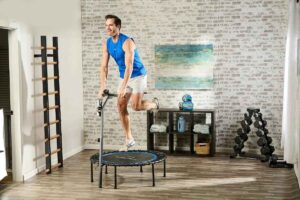
Traditional cardiovascular exercise like running creates significant joint impact—each foot strike generates forces several times your body weight pounding through your ankles, knees, and hips. The benefits of rebounding exercise include similar cardiovascular conditioning without that destructive impact because the trampoline surface absorbs much of the force.
My heart rate during rebounding exercise sessions reaches 140 to 160 beats per minute—definitely cardiovascular training intensity. I’m breathing hard, sweating, and getting genuine cardio work. But my joints feel completely fine afterward unlike the achy knees and ankles I’d get from running similar duration and intensity.
Studies measuring the benefits of rebounding exercise show it provides cardiovascular conditioning comparable to jogging while reducing impact stress by roughly 80 percent. You’re getting similar aerobic benefits with dramatically less joint punishment. For people with arthritis, previous injuries, or just aging joints, this impact reduction makes sustainable cardio possible when running or other high-impact options aren’t viable.
I can do rebounding exercises daily if I want because it doesn’t beat me up like running does. The low-impact nature allows frequent training without the recovery demands high-impact cardio creates. This training frequency advantage is one of the key benefits of rebounding exercise—you can accumulate more total cardio volume because you’re not limited by joint recovery.
1. Calorie Burning Efficiency:
The benefits of rebounding exercise include surprisingly effective calorie burning despite the seemingly easy nature of bouncing. A 150-pound person burns approximately 200 to 300 calories during 30 minutes of moderate-intensity rebounding—comparable to jogging at similar perceived exertion.
I wear a heart rate monitor during rebounding exercise and consistently burn 250 to 350 calories in 30-minute sessions depending on intensity. That’s legitimate calorie expenditure contributing to weight management and fat loss goals when combined with appropriate nutrition.
2. Improved Circulation:
Beyond just cardiovascular conditioning, rebounding exercise improves overall circulation throughout your body. The constant movement and G-force variations enhance blood flow to extremities and organs. The benefits of rebounding exercise for circulation support cardiovascular health and potentially help with issues like poor peripheral circulation.
My hands and feet used to get cold easily, but that’s improved since starting regular rebounding exercise. Whether that’s specifically from rebounding or just from being more active generally, I can’t say definitively, but better circulation seems plausible given how rebounding affects your entire vascular system.
Bone Density and Skeletal Health:
Weight-bearing exercise provides a crucial stimulus for bone health by creating mechanical stress that triggers bone-building processes. The benefits of rebounding exercise include this bone-strengthening stimulus through the impact forces generated during bouncing, but with significantly less joint stress than activities like running create.
Each landing during rebounding exercise creates gravitational forces that stress your skeletal system, signaling your bones to maintain or increase density. This mechanical loading is exactly what bones need to stay strong, and rebounding provides it in a controlled, moderate-impact way that’s sustainable long-term.
Research on benefits of rebounding exercise shows improvements in bone density among regular participants, particularly valuable for older adults at risk for osteoporosis. The weight-bearing nature combined with low injury risk makes rebounding an excellent bone health exercise across age ranges.
I’m in my thirties now, and maintaining bone density becomes increasingly important as I age. The benefits of rebounding exercise for skeletal health provide insurance against future bone loss while being gentle enough on joints that I can continue this practice indefinitely.
Joint Strengthening Without Damage:
Unlike high-impact activities that can damage joints over time, rebounding exercise strengthens the muscles, tendons, and ligaments around joints while minimizing cartilage wear. The benefits of rebounding exercise for joint health come from controlled loading that builds supporting structures without excessive stress.
My knees used to bother me from years of running and basketball. Since incorporating rebounding exercise regularly, I’ve experienced less knee pain and better stability. The strengthening of supporting muscles without pounding impact seems to have improved my joint health rather than degrading it further.
Balance, Coordination, and Proprioception:
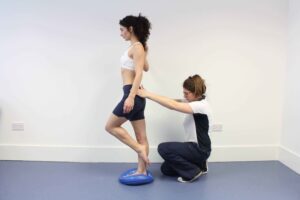
The unstable surface of a rebounder challenges your balance and coordination constantly as you bounce. Your body must make continuous micro-adjustments maintaining stability, which develops proprioception—your awareness of your body’s position in space. These benefits of rebounding exercise improve functional fitness beyond just cardiovascular conditioning.
I’ve noticed substantially better balance and body control since starting rebounding exercise regularly. Movements that used to feel awkward now feel smooth and coordinated. My ankle stability improved, reducing the occasional rolling or tweaking I’d experience during other activities.
For older adults, the benefits of rebounding exercise for balance and coordination are particularly valuable. Improved balance reduces fall risk, which becomes increasingly important with aging. The rebounder provides a safe environment to challenge balance because you can hold onto a stability bar and the surface is forgiving if you do lose balance.
Athletes benefit from rebounding exercise’s proprioceptive challenges too. The constant adjustments train your nervous system’s ability to control movement, which transfers to sports performance. I’ve found my agility and quickness improved in recreational basketball from the balance work rebounding provides.
1. Core Strengthening:
Maintaining stability on the unstable rebounder surface requires constant core engagement. The benefits of rebounding exercise include significant core strengthening as your abdominals, obliques, and lower back muscles work continuously stabilizing your torso during bouncing.
My core strength and definition improved noticeably from regular rebounding exercise. I wasn’t specifically targeting abs, but the constant stabilization apparently provided substantial training stimulus. My core feels more engaged and controlled during all activities now.
2. Neurological Benefits:
The complex coordination required during rebounding exercise challenges your brain and nervous system, potentially providing cognitive benefits alongside physical ones. Learning new bouncing patterns, coordinating arm and leg movements, and maintaining rhythm all engage your neurological systems.
The benefits of rebounding exercise for brain health are harder to quantify than physical improvements, but the cognitive engagement definitely feels present. I find rebounding mentally stimulating in ways mindless treadmill walking isn’t—I’m focused, coordinated, present in the movement.
Versatility and Accessibility for All Fitness Levels:
One of the most valuable benefits of rebounding exercise is its accessibility to people of virtually any fitness level. Complete beginners can start with gentle bouncing barely leaving the surface, while advanced exercisers can perform intense plyometric movements, sprints, and complex choreographed routines all on the same rebounder.
I’ve worked with my 65-year-old mother trying rebounding exercise, and she could participate comfortably at her fitness level. She bounces gently with one hand on a stability bar, getting cardiovascular benefit without risk or discomfort. Meanwhile, I’m doing high-intensity interval sprints and jumping jacks on mine. The same equipment serves completely different fitness levels.
Injury rehabilitation and recovery benefit enormously from rebounding exercise. The low-impact nature allows people recovering from injuries to maintain cardiovascular fitness without aggravating healing tissues. Physical therapists increasingly incorporate rebounders for this exact purpose.
The benefits of rebounding exercise extend to people who struggle with traditional cardio for various reasons. Joint problems, excess weight, balance issues, or just dislike of running—rebounding provides alternatives that sidestep these barriers while still delivering cardiovascular conditioning.
1. Home Workout Convenience:
Rebounders are relatively inexpensive (decent models cost $100 to $300) and require minimal
space—just a few feet of clearance. This makes the benefits of rebounding exercise accessible through home workouts without gym memberships or elaborate equipment. I keep mine in my garage and can get a complete workout in 20 to 30 minutes without leaving my house.
The convenience factor matters enormously for long-term adherence. I can bounce for 15 minutes when I’m short on time, or do longer sessions when available. No commute to a gym, no waiting for equipment, no schedule constraints. This accessibility is one of the underappreciated benefits of rebounding exercise.
2. Weather-Independent Training:
Unlike running or outdoor cycling, rebounding exercise happens indoors unaffected by weather. Rain, snow, extreme heat or cold—none of it prevents your workout. This consistency supports year-round training habits that weather-dependent activities sometimes disrupt.
I live in an area with brutal winters that make outdoor running miserable for months. The benefits of rebounding exercise include maintaining my cardio through winter without suffering through frozen runs or resorting to boring treadmills. I can bounce comfortably in my climate-controlled garage regardless of conditions outside.
Mental Health and Mood Enhancement:
Exercise generally improves mood and mental health, but rebounding exercise seems particularly effective for psychological benefits. The rhythmic bouncing apparently has meditative, stress-reducing qualities. The benefits of rebounding exercise include genuine mental health improvements beyond just the general mood boost from any physical activity.
I find rebounding exercise more mentally restorative than running or other cardio. The rhythmic motion creates this almost meditative state where my mind clears and stress dissipates. Twenty minutes of bouncing leaves me mentally refreshed in ways grinding through a difficult run doesn’t quite match.
The fun factor matters too—bouncing is inherently playful and enjoyable in ways most adult exercise isn’t. The benefits of rebounding exercise include actually looking forward to your workouts rather than dreading them. I genuinely enjoy my rebounding sessions, which supports long-term consistency.
Research shows rhythmic, repetitive movements like rebounding potentially increase endorphin release and reduce cortisol levels. These neurochemical changes explain why rebounding exercise feels so good psychologically and why the mood benefits seem to exceed other comparable-intensity cardio.
1. Stress Reduction:
The meditative quality of rhythmic bouncing during rebounding exercise provides effective stress management. The focus required prevents ruminating on work problems or other stressors. The benefits of rebounding exercise for stress relief make it valuable beyond just physical fitness.
I specifically use rebounding exercise on particularly stressful days because it reliably improves my mental state. Twenty minutes of bouncing consistently leaves me feeling calmer, more centered, and better able to handle whatever challenges I’m facing.
2. Energy and Vitality:
Despite being genuine exercise that should theoretically tire you out, rebounding exercise often leaves you feeling more energized rather than depleted. The benefits of rebounding exercise include this paradoxical energy boost—you’ve worked hard but feel invigorated rather than exhausted.
I often rebound in the afternoon when my energy naturally dips. Instead of reaching for coffee, I’ll bounce for 15 minutes. I consistently feel more alert and energetic afterward than if I’d just sat through the afternoon slump.
Building Effective Rebounding Exercise Routines:
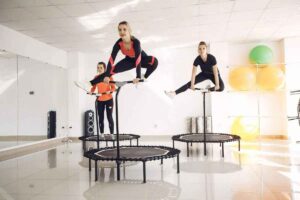
Starting with rebounding exercise requires just a few minutes of gentle bouncing to familiarize yourself with the surface and movement. Begin with basic two-footed bounces barely leaving the rebounder, getting comfortable with the feeling before progressing to more dynamic movements. The benefits of rebounding exercise accumulate even from these simple beginnings.
My first rebounding exercise sessions were just 10 minutes of basic bouncing with occasional marching steps or arm movements added for variety. That modest beginning built the foundation for more intense workouts as my comfort and fitness improved. Progressing gradually prevents injury and builds sustainable habits.
Intermediate rebounding exercise incorporates varied movements—high knees, butt kicks, jumping jacks, twists, and choreographed sequences. These variations challenge your body differently and prevent boredom while maximizing the benefits of rebounding exercise. I rotate through different routines keeping things interesting.
Advanced rebounding can include intense interval training, plyometric movements, or even strength exercises performed on the unstable surface. The benefits of rebounding exercise expand as you progress to these challenging variations, but proper progression prevents injury.
1. Sample Beginner Routine:
Start with 2 minutes of gentle bouncing warming up your body. Progress to 1 minute of marching in place on the rebounder, then 1 minute of gentle two-footed bounces, repeating this pattern for 10 to 15 minutes total. Cool down with 2 minutes of gentle bouncing. This simple routine delivers benefits of rebounding exercise without overwhelming beginners.
2. Intermediate Interval Training:
After warming up, alternate 30 seconds of high-intensity movement (high knees, jumping jacks, sprint bouncing) with 30 seconds of gentle recovery bouncing. Repeat for 15 to 20 minutes. This interval approach maximizes cardiovascular benefits of rebounding exercise while remaining manageable.
I use this interval format for most rebounding exercise sessions now. The varied intensity prevents boredom while delivering excellent cardio conditioning. My heart rate spikes during intense intervals then recovers during easy bouncing—perfect training stimulus.
Safety Considerations and Contraindications:
While the benefits of rebounding exercise are numerous and it’s generally very safe, some situations require caution or medical clearance. People with certain conditions—severe osteoporosis, recent surgeries, detached retinas, or severe balance disorders—should consult physicians before starting rebounding exercise.
Pregnancy considerations for rebounding exercise vary by trimester and individual circumstances. Some women continue rebounding throughout pregnancy with modifications, while others need to stop or never start. Medical guidance is essential. The benefits of rebounding exercise don’t justify risks to pregnancy.
Starting conservatively prevents the most common rebounding exercise injuries, which typically involve ankle rolls or falls from losing balance. Using a stability bar initially and progressing gradually as coordination improves minimizes these risks. I always recommend beginners use models with stability bars for safety.
1. Proper Rebounder Selection:
Quality matters significantly for rebounding exercise safety and effectiveness. Cheap trampolines designed as toys often lack proper tension and stability for serious exercise. Invest in a fitness rebounder specifically designed for adult exercise to safely enjoy the benefits of rebounding exercise.
I use a mid-range fitness rebounder that costs about $200. It’s stable, has appropriate bounce tension, and includes a removable stability bar. This quality level provides safe, effective rebounding exercise without the thousands some commercial models cost.
2. Form and Technique:
Proper rebounding exercise form maintains neutral spine alignment, engages your core, and lands with slight knee flexion absorbing impact. Poor form reduces the benefits of rebounding exercise and increases injury risk. Keep your gaze forward, shoulders back, and movements controlled.
I focus on quality movement during rebounding exercise rather than just bouncing frantically. Controlled, purposeful bouncing with good form delivers better results and lower injury risk than sloppy, chaotic movement.
Conclusion
The benefits of rebounding exercise extend far beyond the novelty of bouncing on a mini-trampoline, offering legitimate cardiovascular conditioning, lymphatic drainage, bone strengthening, balance improvement, and joint-friendly training accessible to virtually any fitness level. This low-impact modality provides therapeutic and fitness benefits supporting long-term health without the joint destruction high-impact activities create. Don’t dismiss rebounding as silly—try it and experience the surprising effectiveness of this enjoyable, sustainable exercise.
FAQs
Is rebounding exercise actually effective for weight loss?
Yes, rebounding burns 200-300 calories per 30 minutes while being sustainable long-term due to low impact, supporting weight loss combined with appropriate nutrition.
Can older adults safely do rebounding exercise?
Yes, rebounding is excellent for older adults. Start gently using a stability bar, progressing gradually. The low-impact nature protects aging joints while providing cardiovascular benefits.
How often should I do rebounding exercises for best results?
Three to five sessions weekly provides excellent cardiovascular and health benefits. Daily rebounding is safe given the low impact if recovery allows.
Do I need expensive equipment for rebounding exercise?
No, quality fitness rebounders cost $100-300. Avoid cheap toy trampolines lacking proper stability. Mid-range fitness models provide everything needed for effective rebounding.
Will rebounding exercise help with cellulite or skin tone?
Rebounding may improve lymphatic drainage and circulation potentially reducing fluid retention, though effects on cellulite specifically aren’t well-established. Cardiovascular benefits and muscle toning help overall appearance.
Summary
The benefits of rebounding exercise deliver comprehensive health improvements through lymphatic activation, cardiovascular conditioning, bone strengthening, balance enhancement, and mood elevation—all with minimal joint impact. This accessible, enjoyable exercise modality suits virtually any fitness level while supporting long-term sustainability traditional high-impact activities often lack. Start bouncing today and discover why this simple movement creates such profound wellness benefits.