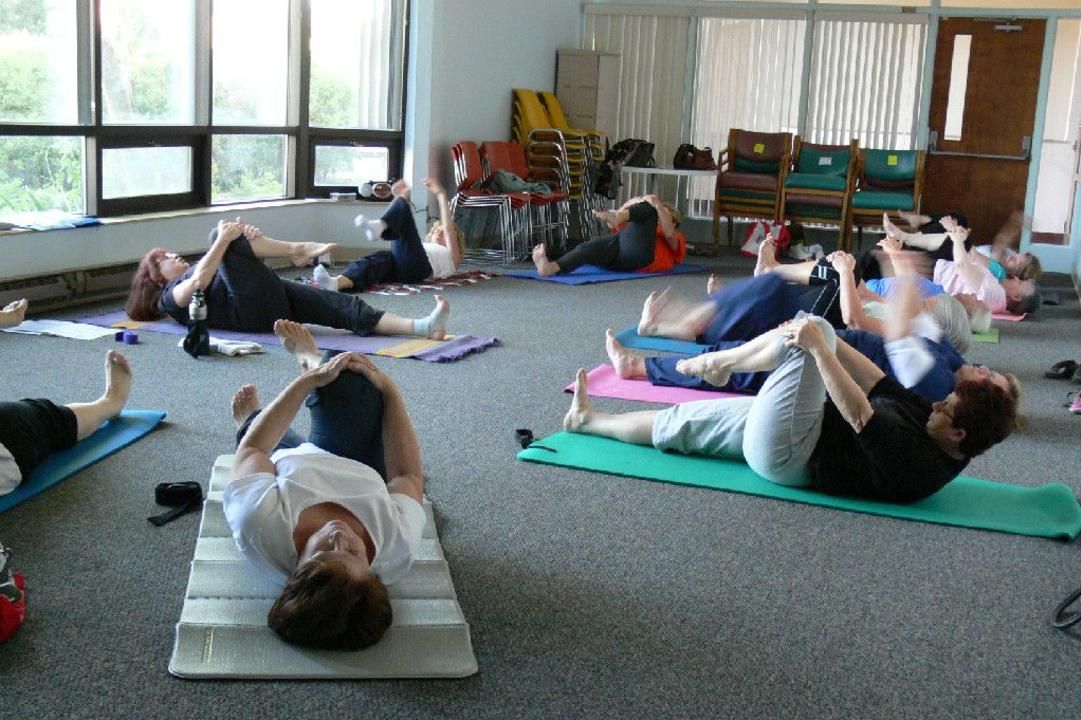

Struggled with constant soreness and slow recovery for months training five days weekly. Could barely function some mornings after leg day. I started researching and trying different supplements last year. Within three weeks of finding the right combination my recovery improved dramatically. Can actually train hard consistently now without feeling destroyed constantly.
Recovery determines how hard and how often you can actually train. Training breaks your muscles down, recovery builds them back up stronger. Without proper recovery you’re just beating yourself up for nothing. Best muscle recovery supplements speed this process significantly when combined with proper sleep and nutrition. Not talking about magic pills that do the work for you. These are tools that support your body’s natural healing processes.
The difference between dragging yourself to the gym versus showing up feeling fresh and ready comes down to how well you recover. Smart supplementation makes that recovery faster and more complete consistently.
Why Recovery Supplements Actually Work:

Your body needs specific nutrients to repair muscle tissue damaged during training. Food provides most of these but sometimes gaps exist in your diet. Best muscle recovery supplements fill these nutritional gaps ensuring optimal healing. Think of them as insurance policies guaranteeing you’re getting everything needed for recovery.
Timing matters with recovery nutrition too. Your muscles are most receptive to nutrients immediately after training. Taking the right supplements at the right times maximizes their effectiveness. I noticed huge differences when I started timing supplements properly around my workouts. Recovery isn’t just about what you take but when you take it.
Science Behind Muscle Recovery:
Training creates micro-tears in muscle fibers. This damage is necessary for growth but requires proper repair. Your body uses amino acids from protein to rebuild these fibers stronger. Without adequate protein your muscles can’t repair properly no matter how much you rest.
Inflammation after workouts is normal but excessive inflammation slows recovery. Best muscle recovery supplements often include anti-inflammatory compounds reducing excessive inflammation without blocking the beneficial kind needed for adaptation. This balance is crucial for optimal results.
Energy systems depleted during training need replenishment too. Glycogen stores in muscles get used up during intense workouts. Carbohydrates restore these stores but certain supplements help this process happen faster. Faster glycogen replenishment means better performance in your next workout.
Top Supplements for Faster Recovery:
1. Protein Powder:
Whey protein is the gold standard for post-workout recovery. Digests quickly getting amino acids to muscles fast. I use whey protein within 30 minutes of finishing every workout. This alone probably cut my recovery time in half honestly. Best muscle recovery supplements always include quality protein in some form.
Casein protein digests slowly making it perfect before bed. Provides steady amino acid release throughout the night when your body does most recovery work. I take casein every night and notice I wake up less sore. The slow release feeds your muscles for hours while sleeping.
Plant-based proteins work great for people with dairy issues. Pea, rice, and hemp proteins combined provide complete amino acid profiles. My vegetarian friend gets excellent recovery using plant protein blends. Don’t let dairy intolerance stop you from getting adequate protein for recovery.
2. Creatine Monohydrate:
Creatine is probably the most researched and proven supplement ever. Helps regenerate ATP giving your muscles energy during workouts. Also pulls water into muscle cells supporting recovery and growth. Five grams daily is the standard dose that works for basically everyone.
I was skeptical about creatine initially. Seemed too simple to actually work. I started taking it consistently and my strength jumped noticeably within two weeks. Recovery between sets improved too. This is one of the best muscle recovery supplements you can take regardless of your goals.
No loading phase is necessary despite what you might read. Just take five grams daily and it builds up in your system gradually. Been taking it for over a year now without any issues. Super cheap too, like $20 for a six-month supply.
3. BCAAs (Branched-Chain Amino Acids):
BCAAs include leucine, isoleucine, and valine. These amino acids directly stimulate muscle protein synthesis. Taking them during workouts reduces muscle breakdown while training. I sip BCAAs throughout my workouts and definitely notice less soreness afterward.
The leucine content matters most for recovery. Look for BCAA products with higher leucine ratios like 2:1:1. Some research suggests BCAAs are less important if you’re already getting enough protein from food and shakes. I keep using them because they seem to help but they’re not absolutely essential like protein.
4. L-Glutamine:
Glutamine is the most abundant amino acid in your muscles. Gets depleted during intense training. Supplementing helps replenish levels supporting recovery and immune function. I added glutamine when I kept getting sick from overtraining. Helped my immune system stay strong while training hard.
Take 5-10 grams post-workout or before bed. Mix easily with protein shakes or just water. Not as dramatically effective as protein or creatine but definitely part of the best muscle recovery supplements stack for serious athletes. More subtle benefits that accumulate over time.
Daily Supplement Stack:
- Morning: Multivitamin with breakfast covering any nutritional gaps in diet overall
- Pre-workout: Creatine with water 30 minutes before training begins consistently
- During workout: BCAAs mixed in water sipping throughout entire training session
- Post-workout: Whey protein shake within 30 minutes of finishing last exercise
- Evening: Fish oil with dinner for anti-inflammatory omega-3 fatty acids
- Before bed: Casein protein and glutamine supporting overnight recovery processes
- Rest days: Continue creatine, protein, and fish oil maintaining consistent levels
Supporting Supplements Worth Considering:
Beyond the essentials, several other supplements support recovery when budget allows. Vitamin D deficiency is incredibly common affecting recovery and performance. Getting blood work done revealed I was deficient. Supplementing brought my levels up and I felt noticeably better. Best muscle recovery supplements stack should address any deficiencies first.
Magnesium helps muscle relaxation and sleep quality. Many people don’t get enough from food alone. I take magnesium before bed and sleep deeper. Better sleep means better recovery obviously. This is a cheap supplement that makes a real difference for most people.
Zinc supports testosterone production and immune function. Both crucial for recovery from intense training. I added zinc when my workouts were suffering and recovery dragged. Hard to say if it helped directly but zinc deficiency definitely impairs recovery so supplementing makes sense.
1. Anti-Inflammatory Options:
Curcumin from turmeric reduces inflammation naturally. Studies show it helps with muscle soreness and recovery. I take it daily and my joints feel better. Quality matters here though – look for products with black pepper extract improving absorption significantly.
Omega-3 fatty acids from fish oil are among the best muscle recovery supplements for reducing inflammation. Take at least 2-3 grams of combined EPA and DHA daily. I noticed less joint pain after adding fish oil consistently. Cheap insurance for long-term health too.
Tart cherry juice or extract reduces exercise-induced muscle damage and soreness. Tastes terrible honestly but works really well. I take the capsule form avoiding the nasty taste. Great natural option without any weird chemicals or side effects.
2. Sleep and Stress Support:
Magnesium glycinate specifically improves sleep quality better than other forms. Deep sleep is when most recovery happens. I sleep noticeably better taking magnesium before bed. Can’t overstate how important quality sleep is for recovery from hard training.
Ashwagandha helps manage cortisol levels. High cortisol from stress sabotages recovery completely. I started taking it during a stressful work period and maintained my training progress. Helps keep stress from destroying your gains and recovery.
Quality and Safety Considerations:
Not all supplements are created equal unfortunately. The supplement industry isn’t well regulated so quality varies wildly. Third-party testing from organizations like NSF or Informed Sport ensures products contain what labels claim. Only buy best muscle recovery supplements from reputable brands with third-party testing.
I learned this lesson by buying cheap protein that tasted disgusting and mixed poorly. Spent more on quality brands and the difference was obvious. Worth paying a bit more for products that actually work and don’t taste like chemicals.
Check for banned substances if you compete in tested sports. Some products contain ingredients that’ll get you flagged in drug tests. Even seemingly innocent supplements sometimes have contamination. Better safe than banned from your sport.
1. Ingredient Transparency:
Avoid proprietary blends hiding actual ingredient amounts. You deserve to know exactly what you’re taking. Transparent labeling means the company has nothing to hide about their formula. Best muscle recovery supplements clearly list all ingredients and amounts.
Watch for unnecessary fillers and additives. Some products are mostly filler with tiny amounts of active ingredients. Read labels carefully and do basic math. If a serving is 10 grams but only contains 500mg of active ingredients, the rest is filler and waste.
2. Budget-Friendly Approaches:
You don’t need every supplement out there. Focus on protein, creatine, and omega-3s as your foundation. These three provide the most bang for your buck. Everything else is supplementary and optional depending on your specific needs and budget.
Buy in bulk when possible, saving significant money long-term. My five-pound tub of protein costs way less per serving than individual packets. Creatine in bulk is ridiculously cheap. Plan ahead and stock up when finding good deals.
Common Mistakes People Make

Taking supplements but ignoring sleep and nutrition is completely backwards. Supplements enhance recovery but can’t replace fundamentals. I see people spending hundreds on supplements while sleeping five hours nightly and eating garbage. Fix your basics before worrying about advanced supplementation.
More isn’t better with most supplements. Taking double doses doesn’t have double benefits. Your body can only use so much and excretes the rest. Follow recommended dosages unless specifically advised otherwise by a doctor. Wasting money on excessive doses helps nothing except your expensive pee.
Inconsistency ruins supplement effectiveness. Taking best muscle recovery supplements occasionally won’t produce results. Need consistent daily use over weeks to see benefits. Set reminders on your phone if you forget easily. I use a pill organizer preparing a week ahead so I never miss doses.
1. Unrealistic Expectations:
Supplements support recovery but don’t replace training and effort. Some people think supplements alone will build muscle and improve fitness. Doesn’t work that way at all. They optimize results from hard work but can’t create results without the work.
Give supplements time to work properly. Most take 2-4 weeks of consistent use before noticing differences. I almost quit creatine after one week thinking it didn’t work. Glad I stuck with it because benefits became obvious by week three. Patience matters with supplementation.
2. Ignoring Individual Needs:
What works for your training partner might not work for you. Bodies respond differently to various supplements. My friend gets great results from pre-workout caffeine but it makes me jittery and anxious. Experiment finding what works best for your specific body and goals.
Dietary restrictions affect supplement choices too. Vegans need different protein sources than omnivores. People with allergies must read labels carefully. Best muscle recovery supplements for you depend on your individual situation and constraints.
Timing Strategies That Work:
Post-workout nutrition window is real and important. Getting protein and carbs within an hour of training maximizes recovery. I’m religious about my post-workout shake because the difference is noticeable. Miss that window and recovery definitely suffers compared to hitting it consistently.
Pre-sleep supplements support overnight recovery when your body does most repair work. Casein protein before bed has been game-changing for me. Wake up less sore and more recovered. Eight hours of sleep represents a huge opportunity for recovery that most people waste.
Rest day supplementation maintains consistent nutrient levels. Don’t skip supplements just because you’re not training that day. Your muscles are still recovering and adapting. Consistency seven days weekly produces better results than just taking best muscle recovery supplements on training days.
Meal Integration:
Take supplements with food when possible, improving absorption and reducing stomach upset. Fat-soluble vitamins like D need dietary fat for absorption. I take most supplements with meals avoiding the nausea that sometimes happens on an empty stomach.
Spread protein intake throughout the day rather than loading it all post-workout. Your muscles can only synthesize so much protein at once. Four servings of 30-40 grams works better than two huge servings of 80 grams. Distribution matters for maximizing recovery benefits.
Monitoring Your Progress:
Track your recovery subjectively noting how you feel day to day. Are you less sore? Sleeping better? Feeling stronger? These qualitative measures matter just as much as objective ones. I keep notes in my phone about recovery quality and supplement changes.
Performance improvements indicate better recovery. Lifting heavier weights or completing tougher workouts shows adequate recovery between sessions. When I dialed in my best muscle recovery supplements my training volume jumped noticeably. Better recovery allows more productive training.
Resting heart rate and heart rate variability indicate recovery status. These metrics reveal whether you’re recovering properly or overtraining. I use a fitness tracker monitoring these daily. They’ve helped me adjust training and supplementation avoiding overtraining.
Adjusting Based on Feedback:
If recovery isn’t improving with supplements, something else needs addressing. Sleep, nutrition, or training volume might be the real problem. Supplements optimize recovery but can’t fix fundamental issues. I had to reduce training volume once because no amount of supplements helped overtraining.
Try one supplement at a time ideally. Makes it easier identifying what actually helps versus what’s useless for you. Adding five supplements simultaneously means you can’t tell which ones work. I learned this through trial and error over months of experimentation.
Long-Term Supplement Strategy:
Cycle certain supplements occasionally giving your body breaks. I cycle off creatine for four weeks yearly though research suggests this isn’t necessary. Old habit I maintain but probably doesn’t matter much honestly.
Regular blood work identifies deficiencies needing attention. Get comprehensive panels yearly checking vitamin D, iron, B12, and other markers. My doctor found low vitamin D explaining my recovery struggles. Supplementing fixed the deficiency and improved recovery dramatically.
Update your supplement stack as training intensity changes. Training for a marathon requires different best muscle recovery supplements than powerlifting training. Adjust your approach matching current training demands and goals.
When to Seek Professional Guidance:
Sports nutritionists help optimize supplementation for specific goals. They provide personalized recommendations based on your training, diet, and needs. I consulted one when preparing for a competition. Worth the investment for serious athletes wanting every advantage.
Doctors should approve supplements if you take medications. Some supplements interact with prescription drugs dangerously. Always disclose supplement use to your doctor avoiding potential problems. Safety matters more than marginal recovery improvements.
Conclusion
Best muscle recovery supplements include protein powder, creatine, and omega-3s as your foundation. BCAAs, glutamine, and various micronutrients provide additional support when needed. Quality matters significantly so invest in reputable brands with third-party testing. Combine supplements with adequate sleep, good nutrition, and smart training for optimal results. Consistency over weeks and months produces dramatic improvements in recovery and performance.
FAQs
1. What are the best muscle recovery supplements for beginners?
Start with quality whey protein, creatine monohydrate, and omega-3 fish oil covering essential recovery needs without overwhelming yourself.
2. How long until I notice recovery improvements from supplements?
Most people notice differences within 2-4 weeks of consistent daily use, some supplements work faster than others.
3. Can I take all these supplements together safely?
Yes, the supplements mentioned are safe together for healthy adults, but consult your doctor if taking medications.
4. Are expensive supplements better than budget options?
Not necessarily, focus on third-party tested brands with transparent labeling, price doesn’t always indicate quality or effectiveness.
5. Do I need best muscle recovery supplements if I eat well?
Food comes first always, supplements fill gaps and optimize recovery, they enhance but don’t replace good nutrition.
Summary
Best muscle recovery supplements accelerate healing, reduce soreness, and support consistent hard training. Protein powder, creatine, and omega-3s form the essential foundation. Add BCAAs, glutamine, and micronutrients based on individual needs and budget. Quality, consistency, and proper timing maximize supplement effectiveness. Combine supplementation with sleep, nutrition, and smart training for optimal results.