8 Essential Butterfly Stretch Variations For Perfect Flexibility!
My hips were incredibly tight from running and sitting at a desk all day for years. Could barely sit cross-legged without serious discomfort in my inner thighs. I started doing the butterfly stretch every morning and evening consistently. Within three weeks the tightness decreased dramatically and my hip mobility improved significantly. Honestly, such a simple movement made huge differences.
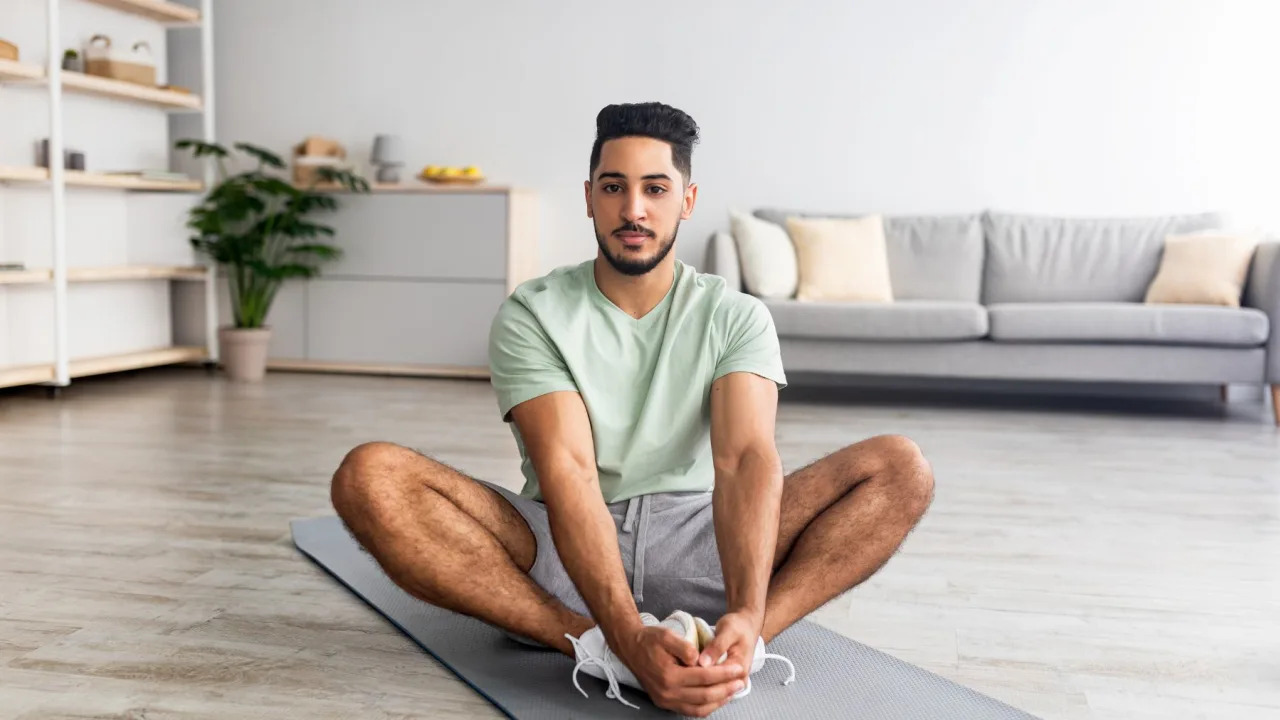
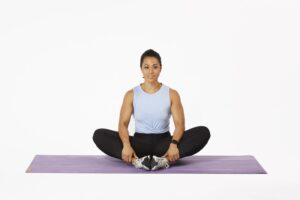
The butterfly stretch is probably the most recognizable hip opener in existence that everyone has seen. Sit with the soles of your feet together, let your knees fall out to the sides, and that’s the basic position. Simple yet incredibly effective for opening tight hips and inner thighs when done correctly. Most people learned this stretch in elementary school gym class but never truly understood proper technique or variations. Your hip mobility affects everything from walking to squatting to preventing lower back pain.
Just five minutes daily of stretch practice transforms how your body moves and feels. These eight variations provide complete hip flexibility development for any fitness level or goal.
Why Your Hips Need This Stretch:
Modern life keeps your hips in limited ranges of motion constantly. Sitting closes the front of your hips. Standing or walking rarely takes your hips through full range. The stretch specifically opens your hip adductors and rotators that get neglected. These muscles tighten from lack of use creating restriction and discomfort.
Tight hips pull on your pelvis affecting your lower back position. This misalignment causes chronic pain that seems unrelated to hip tightness. I suffered with back pain for months before discovering my incredibly tight hips were the root cause. Regular butterfly stretch practice fixed my back completely.
Athletes need excellent hip mobility for performance and injury prevention. Runners, cyclists, weightlifters – all benefit enormously from the stretch. Limited hip mobility forces other joints to compensate in ways they shouldn’t. This compensation pattern leads to injuries elsewhere. Opening your hips through consistent stretch work prevents these problems naturally.
The 8 Essential Butterfly Stretch Variations:
1. Classic Butterfly Stretch:
Sit on the floor bringing the soles of your feet together in front of you. Hold your feet or ankles with your hands. Gently press your knees toward the floor using your elbows. Hold for 60-90 seconds breathing deeply. This foundational stretch everyone should master first before attempting variations.
Keep your spine relatively straight instead of rounding forward. The stretch comes from your hips opening not from slouching your back. I did this wrong for years wondering why it didn’t help. Proper alignment makes all the difference in effectiveness.
Don’t bounce or force your knees down aggressively. Gentle sustained pressure works way better than violent movements. Let gravity and time do the work while you relax into the stretch. Forcing creates muscle guarding defeating the entire purpose.
2. Reclining Butterfly Stretch:
Start in the classic position then slowly lower your back to the floor. Let your knees fall out to the sides with feet still together. Arms rest at your sides or overhead. Hold for 90-120 seconds. This passive variation of the butterfly stretch provides deep release without active effort.
Gravity does all the work in this position. You just relax completely, allowing your hips to open gradually. I do this stretch variation before bed every night. The combination of stretching and relaxation helps me sleep better.
Place cushions or yoga blocks under your knees if the stretch feels too intense. Making it accessible matters more than achieving some perfect position. Work within your current ability and progress gradually over weeks.
3. Active Butterfly Stretch:
Start in the classic position. Instead of static holding, gently pulse your knees up and down like butterfly wings. Do 20-30 small pulses feeling your hips open more with each rep. This dynamic butterfly stretch warms up your hips before static holds.
The movement increases blood flow to the area. Muscles respond better to stretching when they’re warm. I do this active version first then hold the static stretch afterward. The combination works better than either alone.
Keep the pulses small and controlled. Big aggressive movements don’t help. Gentle rhythmic movement exploring your range of motion prepares your hips for deeper stretching.
4. Seated Forward Fold Butterfly Stretch:
Start in the classic position. Hinge forward from your hips keeping your back straight. Reach your hands forward toward the floor in front of your feet. Hold for 60 seconds. This variation adds a forward fold element intensifying the stretch.
The forward lean changes the angle of the stretch. Hits your hip rotators from a different direction than the upright version. I notice tightness in different areas depending on whether I’m upright or folded forward during the stretch.
Don’t round your spine trying to get your head to the floor. Maintain length through your back hinging from your hips. Quality of position matters more than how far forward you can reach initially.
5. Wall-Assisted Stretch:
Lie on your back with your butt against a wall. Bring the soles of your feet together letting your knees fall toward the wall on either side. Gravity pulls your knees down creating a passive butterfly stretch. Hold for 2-3 minutes breathing deeply.
This is my favorite variation honestly. The wall support lets me completely relax into the position. The stretch deepens naturally as I breathe and let go of tension. Sometimes I fall asleep in this position. It’s so relaxing.
Adjust your distance from the wall finding the sweet spot. Too close and it’s too intense. Too far and you don’t feel much. Experiment finding your optimal position for this stretch variation.
6. Standing Butterfly Stretch:
Stand with feet wider than hip-width apart. Turn toes out like a ballet dancer. Squat down as low as comfortable. Press your elbows against your inner thighs pushing your knees out. Hold for 45 seconds. This standing version of the stretch works great when you can’t get on the floor.
I do this at work during bathroom breaks. Takes literally one minute and prevents tightness from accumulating during long sitting periods. The stretch doesn’t require a gym or special equipment. Just your body and a willingness to move.
Keep your weight in your heels preventing yourself from falling forward. Your back stays relatively upright throughout. The stretch should be in your inner thighs and hips not your knees.
7. Resistance Band Stretch:
Sit in the classic position. Loop a resistance band around your knees. Press your knees out against the band resistance. Hold for 20 seconds then relax. Repeat 5-8 times. This active variation strengthens while stretching creating mobile stable hips.
The resistance adds an element that passive stretch positions can’t provide. Building strength through your range of motion prevents injuries. I learned this lesson by pulling my groin during a workout. Had flexibility but not strength to control that range.
Use light resistance initially. The point is gentle activation not maximal effort. This butterfly stretch variation pairs perfectly with passive holds creating balanced hip development.
8. Butterfly Stretch with Hip Circles:
Start in the classic position. Keeping your feet together, make small circles with your knees. Do 10 circles in each direction. This mobilization version of the stretch explores your hip range actively.
The circular movement finds tight spots that static stretches miss. I discovered areas of restriction I didn’t know existed doing this stretch variation. The active exploration helps release stubborn tightness.
Keep circles small and controlled initially. As your hips open you can make larger circles. Progress gradually letting your body adapt to the new ranges of motion safely.
Daily Stretch Routine:
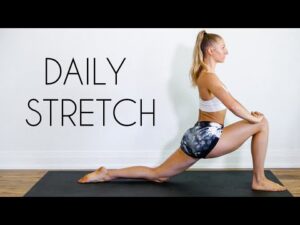
- Morning: Classic stretch and Active pulses for 5 minutes after waking up
- Mid-day: Standing variation during work breaks or between tasks quickly preventing tightness
- Evening: Reclining and Wall-assisted versions for 10 minutes before bed relaxing completely
- Post-workout: Forward fold and Resistance band variations while muscles are warm from training
- Rest days: Longer holds of 2-3 minutes since you’re not training hard that day
- Minimum commitment: At least one butterfly stretch held for 60 seconds daily without exception
- Listen to your body adjusting which variations you emphasize based on current tightness
- Track progress noticing how positions feel easier over weeks and months of practice
Understanding Hip Anatomy:
Your hips are ball and socket joints allowing movement in multiple directions. Hip adductors bring your legs together. Hip rotators turn your legs in and out. The butterfly stretch primarily targets these muscle groups opening restricted areas.
Tight hips restrict your movement patterns forcing compensation elsewhere. Your knees and lower back often pay the price for immobile hips. Opening your hips through regular butterfly stretch practice alleviates stress on surrounding joints.
I had chronic knee pain from running. Physical therapy revealed my tight hips were forcing my knees to compensate. The butterfly stretch combined with hip strengthening fixed my knee pain completely. Never would have guessed hips and knees connected so directly.
1. Common Tightness Patterns:
Runners typically have tight hip flexors and adductors from repetitive motion. The butterfly stretch addresses the adductor tightness specifically. I run three times weekly and stretch my hips daily to maintain healthy function.
Office workers often have to keep everything tight from sitting constantly. The butterfly stretch helps but needs to be combined with hip flexor stretching. Both components are necessary for complete hip mobility.
2. The Posture Connection:
Your hip mobility determines your pelvic position. Tight hips can pull your pelvis into anterior or posterior tilt. This affects your entire spinal alignment. The butterfly stretch addresses foundational hip tightness improving posture throughout your body.
I had terrible posture with a forward head and rounded shoulders. Addressing my hip tightness through consistent butterfly stretch practice improved my posture more than I expected. Everything connects in ways you don’t realize initially.
3. Breathing and Relaxation:
Deep breathing enhances any stretch dramatically. Inhale slowly through your nose. Exhale slowly through your mouth relaxing deeper into the butterfly stretch. This breathing pattern during stretching produces better results than holding your breath.
I count breaths instead of seconds sometimes. Ten deep breaths per hold ensures I’m breathing properly while maintaining adequate duration. The combination of breath work and butterfly stretch creates profound relaxation.
Common Mistakes to Avoid:
- Rounding your back excessively trying to get lower defeating the purpose completely
- Bouncing your knees aggressively causing muscle guarding instead of relaxation and release
- Holding your breath during the butterfly stretch reducing effectiveness by half at least
- Comparing your flexibility to others creating unrealistic expectations and unnecessary frustration always
- Only stretching when you feel tight instead of maintaining daily preventive practice consistently
- Forcing positions beyond your current range risking injury instead of gradual progress
Progressive Improvement:
Start with shorter holds if you’re extremely tight initially. Maybe 20-30 seconds per butterfly stretch building to 60-90 seconds gradually. Pushing too hard too fast causes injuries or makes muscles guard more protectively.
I started barely tolerating 15 seconds. My hips were so tight it felt unbearable holding longer. Gradually increased duration as tightness released. Now I can hold the butterfly stretch for several minutes comfortably without discomfort.
Track your progress by noting how positions feel week to week. What felt impossible last month might be comfortable now. I keep simple notes on my phone tracking my butterfly stretch practice and improvements.
Using Props Effectively:
Yoga blocks or cushions under your knees make the butterfly stretch accessible. Don’t feel you need to force your knees to the floor immediately. Props let you work at appropriate intensity while building flexibility gradually.
I used thick cushions under both knees for the first month. Removed them gradually as flexibility improved. Now I don’t need props but I’m glad I used them initially to prevent injury.
Measuring Flexibility Gains:
Take monthly photos in the butterfly stretch position. Visual documentation reveals improvements you can’t feel daily. I look back at old photos shocked at how high my knees were. The gradual progress becomes obvious when comparing months apart.
Measure the distance from your knees to the floor monthly. Write it down tracking changes over time. These objective measurements show your butterfly stretch practice is working even when you can’t feel daily improvements.
Adding Gentle Pressure:
Once you’re comfortable holding the butterfly stretch, add gentle pressure on your knees with your hands or elbows. This progressive overload gradually increases your range of motion. Don’t rush this progression. Master the basic hold first.
I added pressure after two months of consistent practice. The additional intensity deepened my stretch without causing injury. Patience with progression prevents setbacks from moving too fast.
Integration with Strengthening:
Flexibility without strength creates unstable joints. Combine the butterfly stretch with hip strengthening exercises. Clamshells, side leg raises, and hip thrusts build strength through your new range of motion.
I learned this lesson by tweaking my hip during a workout. Had flexibility but not strength to control that range. Now I do strength work alongside my butterfly stretch routine. The balanced approach prevents injuries.
1. Exercise Pairings:
Exercises that strengthen hip abductors and rotators complement the butterfly stretch perfectly. These muscles work together maintaining proper hip function. Focusing only on stretching without strengthening leaves your hips vulnerable.
I do resistance band exercises for my hips three times weekly. This strengthening paired with daily butterfly stretch practice keeps everything balanced. My hips feel stable and mobile instead of just loose.
2. Sport-Specific Benefits:
Yoga practitioners benefit enormously from mastering the butterfly stretch. It’s foundational for many advanced poses requiring deep hip opening. The time invested here pays dividends throughout your entire practice.
Martial artists need exceptional hip mobility for kicks and movements. The butterfly stretch is essential in their training routines. I train Brazilian Jiu-Jitsu and notice my flexibility advantage comes from consistent hip stretching.
Age-Related Considerations:
Hip flexibility naturally decreases with age from years of limited movement. Older adults often have severely restricted hips affecting their mobility. Regular butterfly stretch practice slows this decline dramatically at any age.
It’s never too late to start stretching. My 68-year-old mother began doing the butterfly stretch after years of hip pain. Her mobility improved significantly within months. Age just means you might progress slower but improvement absolutely happens.
Younger people should establish good habits now to prevent future problems. Starting the butterfly stretch in your 20s or 30s means maintaining healthy function into old age. Don’t wait until you’re stiff and in pain to address hip mobility.
When to Seek Professional Help:
If the butterfly stretch causes sharp pain instead of just discomfort, consult a professional. Some pain might indicate actual injury requiring different treatment. I’m not a medical professional just sharing what worked for me.
Physical therapists can assess your specific situation providing personalized guidance. They helped me understand my particular pattern of tightness and compensation. The few sessions I had were incredibly valuable for my recovery.
Persistent tightness despite weeks of consistent butterfly stretch practice might indicate something beyond simple muscle restriction. Don’t ignore your body’s signals. Get professional evaluation if things aren’t improving after a month of dedicated practice.
Long-Term Consistency:
Building sustainable habits matters more than intense short-term effort. I do the butterfly stretch daily now without thinking about it. The habit formed through consistent practice over months becoming as automatic as brushing my teeth.
Attach stretching to existing routines. I stretch after my morning coffee and before bed. These triggers ensure I never forget. The butterfly stretch routine became automatic instead of requiring constant motivation.
Missing occasional days doesn’t ruin your progress. Life happens. Just resume your routine without guilt. I’ve missed plenty of days over the past two years. The overall consistency from regular butterfly stretch practice produces results despite imperfect adherence.
Conclusion
These eight butterfly stretch variations address deep hip tightness when practiced consistently daily. Start with basic positions progressing to advanced variations gradually over weeks. Dedicate 5-10 minutes daily to the butterfly stretch for optimal results. Combine stretching with hip strengthening for balanced function. Track progress noticing improvements over weeks and months. Your entire body moves better with healthy flexible hips.
FAQs
1. How long until the butterfly stretch shows noticeable improvement?
Most people notice changes within 2-3 weeks of daily practice, significant flexibility increases typically require 8-12 weeks of consistency.
2. Should I feel pain during the butterfly stretch?
Mild discomfort is normal, sharp pain is not, work within your comfortable range gradually expanding it over time.
3. Can the butterfly stretch help with lower back pain?
Often yes, tight hips frequently contribute to back pain, addressing hip mobility eliminates back issues for many people.
4. How long should I hold the butterfly stretch position?
Beginners start with 20-30 seconds, work up to 60-90 seconds per hold as flexibility improves over consistent weeks.
5. Is daily butterfly stretch practice necessary or excessive?
Daily practice is ideal for best results, less frequent practice still helps but produces slower improvements over time.
Summary
Eight essential butterfly stretch variations target deep hip and inner thigh tightness when practiced consistently. Combine static holds, dynamic movements, and resistance work for complete hip development. Start with basic positions progressing gradually over months. Benefits extend throughout your body improving posture, movement quality, and eliminating chronic pain completely.