
My first gym bag was a disaster that ruined my laptop and workout clothes. Water bottles leaked everywhere, sweaty gear contaminated clean items, and zippers broke within weeks. Finding the right gym backpack completely transformed my fitness routine and daily organization.
Hauling gym equipment in a regular backpack creates chaos and damages your belongings constantly. Wet towels soak into clean work clothes, protein shakers leak onto electronics, and shoulder straps dig painfully during long commutes. A proper gym backpack solves these problems with specialized compartments and durable construction designed specifically for active lifestyles. The right bag protects expensive gear while keeping everything organized and accessible throughout your busy day.
Your workout gear deserves better protection than a random duffel provides. Invest in quality that actually supports your goals.
Why Specialized Design Matters:
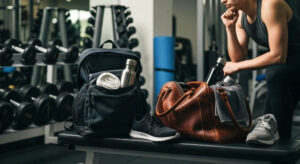
Regular backpacks weren’t built for sweaty gym clothes and heavy equipment simultaneously. I learned this expensive lesson when my work laptop died from water bottle leakage. The repair cost more than a quality gym backpack would have. That experience taught me the value of investing in purpose-built gear that protects everything properly.
A gym backpack features waterproof compartments separating wet from dry items completely. Ventilated shoe pockets prevent that awful smell from contaminating everything else. Reinforced bottoms handle heavy weights without tearing. These specialized features make the difference between functional organization and constant frustration with inadequate storage solutions.
The weight distribution in a proper gym backpack matters tremendously for comfort during long commutes. Padded shoulder straps and back panels prevent the painful digging that regular bags cause. I used to arrive at the gym with sore shoulders from my old bag. My current gym backpack distributes weight so evenly I barely notice carrying it even when fully loaded.
Essential Compartment Features:
Multiple compartments keep your life organized when juggling work and fitness. My gym backpack has a laptop sleeve, main compartment for clothes, separate shoe pocket, and smaller pockets for accessories. Everything has its designated space preventing the jumbled mess I dealt with before. Finding items quickly saves time and frustration every single day.
The shoe compartment in a quality gym backpack is completely separate and ventilated. This prevents your dirty sneakers from touching clean clothes or work items. I can throw my shoes in immediately after working out without worrying about contamination. The ventilation prevents moisture buildup that creates terrible odors ruining your entire bag.
Water-resistant materials protect electronics and important documents from inevitable leaks and sweat. My gym backpack uses water-resistant fabrics and YKK waterproof zippers in critical areas. This gives me confidence carrying my laptop, phone, and work papers alongside gym gear. The peace of mind is worth every penny I paid for quality construction.
1. Laptop Protection:
A dedicated padded laptop sleeve is non-negotiable if you commute from work to the gym. My 15-inch laptop fits perfectly in its protective compartment completely separate from wet gym items. The padding protects against impacts during commuting. I’ve dropped my gym backpack multiple times without any damage to my computer.
Some bags claim laptop protection but use thin fabric without real padding. Check that the compartment has substantial cushioning on all sides. Your expensive electronics deserve proper protection not just a separate pocket made from the same material as everything else.
2. Wet/Dry Separation:
The waterproof wet compartment changed everything for me. I can pack my wet swimsuit or sweaty clothes immediately after working out. They’re completely sealed away from everything else. No more wet towels soaking into my clean work shirt during the commute home. This feature alone justifies investing in a proper gym backpack.
Make sure the wet compartment has waterproof zippers and sealed seams. Some bags advertise wet pockets but they’re not truly waterproof. Water seeps through regular zippers defeating the entire purpose. Test this feature before relying on it with expensive items.
3. Accessory Organization:
Small pockets for keys, wallet, phone, and headphones prevent losing items in the main compartment. I used to waste ten minutes digging for my keys in my old bag. My current gym backpack has designated pockets for everything small. Grab my keys instantly without unpacking the entire bag.
Internal mesh pockets let you see contents at a glance. I keep resistance bands, lifting grips, and other small accessories in these visible pockets. The organization makes packing faster and ensures I never forget essential items at home.
4. Shoe Ventilation:
The shoe compartment needs proper ventilation preventing horrible odors from developing. My gym backpack has mesh panels allowing air circulation. Even after intense workouts, the shoe pocket doesn’t develop that disgusting gym bag smell. The ventilation keeps everything fresher between washes.
Some cheap bags have shoe pockets that are just fabric compartments. These trap moisture creating bacterial growth and awful smells. Proper ventilation isn’t optional if you want your gym backpack lasting more than a few months before becoming unbearably stinky.
Durability Factors:
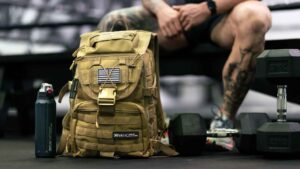
Cheap bags fall apart after a few months of daily gym use. I went through three inferior bags before investing in a quality gym backpack. The durable one I bought two years ago still looks nearly new despite constant heavy use. Quality construction saves money long-term compared to repeatedly replacing cheap bags.
YKK zippers represent the gold standard in zipper reliability. Cheaper zippers break constantly under the stress of heavy gym gear. Every quality gym backpack I’ve owned uses YKK zippers exclusively. They glide smoothly and never snag or break even after thousands of uses. This small detail makes an enormous difference in bag longevity.
Reinforced stitching at stress points prevents tears and separation. My gym backpack has triple stitching on shoulder straps and bottom seams. These areas take the most abuse from heavy weights and constant movement. The reinforcement ensures nothing rips apart even when I’m carrying maximum weight.
- Water-resistant fabrics protect contents from rain and spills preventing disasters
- Reinforced bottom panels handle heavy weights without tearing or wearing through
- Heavy-duty zippers operate smoothly thousands of times without breaking or jamming
- Triple-stitched stress points prevent separation at shoulders and attachment points
- Abrasion-resistant materials withstand daily friction against rough surfaces
- Quality hardware like buckles and clips that won’t snap under normal use
Comfort Design Elements:
A gym backpack might be perfectly organized but useless if it’s uncomfortable to carry. Padded shoulder straps distribute weight preventing the painful digging I experienced with my old bag. The padding should be thick and dense, not thin foam that compresses into nothing after a few weeks.
Breathable back panels prevent that sweaty back situation during commutes. My gym backpack has a mesh back panel creating airflow between the bag and my back. Even on hot summer days, I don’t arrive at work with a soaked shirt. The ventilation makes carrying heavy loads far more comfortable.
Chest and waist straps stabilize the load preventing bouncing during movement. I clip these straps when biking to the gym. The gym backpack stays firmly in place instead of shifting around throwing off my balance. This stability matters tremendously when you’re carrying heavy items or moving quickly.
1. Strap Adjustability:
Proper strap adjustment customizes fit for different body types and clothing layers. My gym backpack straps adjust easily accommodating a t-shirt in summer or heavy jacket in winter. The quick adjustment system means I can modify it in seconds depending on what I’m wearing that day.
Some bags have straps that loosen constantly during use. Quality gym backpack straps lock securely at your chosen length. I never have to stop and readjust during my commute. The straps stay exactly where I set them until I deliberately change the adjustment.
2. Load Distribution:
Center of gravity placement affects carrying comfort dramatically. A well-designed gym backpack keeps weight close to your back preventing pulling that causes shoulder and back pain. The main compartment should sit high on your back not sagging low pulling backward constantly.
I can carry thirty pounds in my current gym backpack comfortably. My old bag felt unbearable at twenty pounds because of poor weight distribution. The difference comes entirely from thoughtful design placing heavy items optimally for balanced carrying.
3. Grab Handles
Top and side handles allow carrying options beyond just wearing as a backpack. Sometimes I grab my gym backpack by the top handle running between meetings. The reinforced handle supports the full weight without strain. This versatility makes the bag more functional in various situations throughout the day.
Check that handles are securely attached and comfortable to grip. Some bags have thin handles that dig into your hand painfully. Padded handles make carrying by hand far more comfortable when you don’t want to wear the bag on your back.
Material Selection:
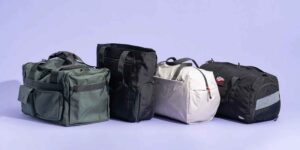
Polyester and nylon are the most common gym backpack materials each with distinct advantages. Polyester resists water better and costs less typically. Nylon is stronger and more abrasion-resistant but usually costs more. Both work well for gym backpacks when quality construction is used.
Ballistic nylon represents the premium option for maximum durability. Originally developed for military use, it’s incredibly tough and long-lasting. My high-end gym backpack uses ballistic nylon and shows zero wear after two years of daily abuse. The material costs significantly more but provides unmatched longevity.
Coated fabrics add water resistance without requiring completely waterproof materials. My gym backpack has a polyurethane coating creating a water-resistant barrier. Light rain beads up and rolls off instead of soaking through. For heavy rain I still use a rain cover but the coating handles everyday moisture exposure perfectly.
- Ripstop fabrics prevent small tears from spreading across entire panels
- Treated materials resist odors and bacteria keeping bags fresher longer
- UV-resistant fabrics prevent sun damage and color fading over time
- Easy-clean materials wipe down quickly removing dirt and gym grime
- Eco-friendly options made from recycled materials for environmentally conscious buyers
Maintenance And Care:
Washing your gym backpack regularly prevents disgusting buildup of bacteria and odors. I wash mine monthly, throwing it in the washing machine on a gentle cycle. Most quality bags handle machine washing fine though always check manufacturer instructions first. Air dry completely before using again, preventing mildew growth.
Treating zippers with zipper lubricant keeps them operating smoothly. I use a small amount of beeswax-based zipper lubricant every few months. This simple maintenance prevents jamming and extends zipper life significantly. The few minutes spent on this saves replacing the entire gym backpack when zippers fail.
Spot cleaning between full washes keeps things fresh. I wipe down the interior with disinfecting wipes weekly focusing on areas that contact sweaty gym clothes. This quick maintenance prevents odor buildup and bacterial growth. The gym backpack stays much fresher with regular quick cleanings versus only washing occasionally.
1. Storage Tips:
Empty your gym backpack completely between uses allowing it to air out fully. I hang mine in an open area not stuffed in a closet. The air circulation prevents moisture and odor buildup. Bacteria thrive in dark closed spaces so keeping the bag open and aired out matters tremendously.
Store heavy items at the bottom maintaining structural integrity. Constant weight pressing down from the top can deform cheaper bags over time. Proper storage when not in use extends the life of your gym backpack significantly.
2. Repair Options:
Quality gym backpack brands often offer repair services fixing zippers, straps, and other components. This extends bag life far beyond cheaper options you simply replace when something breaks. I had a zipper replaced on my premium bag for twenty dollars. A new cheap bag would have cost sixty dollars making the repair the obvious choice.
Learning basic repairs yourself saves even more money. Replacing a buckle or sewing a small tear takes minimal skill. YouTube has tutorials for nearly any gym backpack repair you might need. These simple fixes keep your bag functional for years beyond its normal lifespan.
Smell Prevention:
Bacteria causes the terrible gym bag smell everyone dreads. Preventing bacterial growth prevents odors completely. I spray the inside of my gym backpack with a vinegar-water solution weekly. The vinegar kills bacteria without toxic chemicals. This simple habit keeps my bag smelling fresh constantly.
Never store wet items in your gym backpack for extended periods. Remove sweaty clothes and wet towels immediately when you get home. Leaving them packed creates the perfect environment for bacterial growth and horrible smells. This discipline prevents most odor problems people experience with gym bags.
Conclusion
Investing in a quality gym backpack with proper compartments and durable construction protects your gear while keeping you organized. Look for waterproof wet compartments, ventilated shoe pockets, padded laptop protection, and comfortable carrying features. Maintain your bag properly and it will serve you reliably for years supporting your fitness journey daily.
FAQ’s
1. What size gym backpack should I choose for daily use?
A 30-40 liter capacity works perfectly for most people carrying gym gear plus laptop and daily essentials comfortably.
2. Are expensive gym backpacks worth the higher price?
Quality bags last years longer than cheap ones, better protecting contents and proving more economical long-term through durability.
3. Can I wash my gym backpack in a washing machine?
Most quality bags handle gentle machine washing fine, but always check manufacturer care instructions before washing thoroughly.
4. How do I prevent my gym backpack from smelling bad?
Remove wet items immediately, air out the bag between uses, and clean regularly with disinfecting wipes preventing bacterial growth.
5. What’s the most important feature in a gym backpack?
Separate wet/dry compartments matter most, protecting clean items and electronics from moisture while allowing immediate packing of sweaty gear.
Summary
A proper gym backpack features specialized compartments for shoes, wet items, and electronics with durable water-resistant construction. Choose quality materials and comfortable carrying systems. Regular maintenance extends bag life supporting your active lifestyle for years successfully.