Last summer during a family gathering, I couldn’t open a pickle jar that my 60-year-old aunt opened effortlessly after I struggled and failed. Everyone laughed, but that moment stung because I realized my grip strength had become pathetically weak despite considering myself relatively fit. I bought my first hand exerciser the next day, determined never to face that embarrassment again.
Your hand and forearm strength affects literally every physical activity you do—from lifting weights at the gym to carrying groceries, opening containers, playing sports, or even just shaking hands confidently. A quality hand exerciser builds crushing grip strength, finger dexterity, forearm development, and injury prevention through targeted resistance training for your hands. Research consistently shows grip strength correlates with overall health, longevity, and functional capacity as we age, making hand exercise training way more important than most people realize.
You don’t need fancy gym equipment or complicated routines to build serious grip strength. A simple hand exercise you can use literally anywhere—watching TV, during work breaks, while commuting—provides all the training stimulus your hands need to become noticeably stronger within weeks.
My Journey from Embarrassingly Weak to Respectably Strong:
That pickle jar incident wasn’t actually my first clue about grip weakness—I’d been ignoring warning signs for months. My hands would fatigue quickly during any sustained gripping activity. Carrying heavy grocery bags hurt my hands more than my arms. At the gym, my grip always failed before my back muscles during pull exercises, limiting my training. Opening tight lids, using hand tools, even prolonged handshakes became uncomfortable because my hands lacked the strength for these basic tasks.
I’d somehow built decent overall strength through regular gym training but completely neglected my grip and forearm development. My program included zero direct hand work—I just assumed gripping barbells and dumbbells during my regular lifts provided adequate stimulus. Turns out that passive gripping during compound movements builds minimal grip strength compared to dedicated hand exerciser training specifically targeting these muscles.
Starting with a basic hand exercise felt ridiculous initially—this little spring-loaded device seemed like a toy, not serious training equipment. But attempting my first rep quickly humbled me. The 100-pound resistance level I’d purchased felt genuinely challenging, and I could barely complete ten consecutive squeezes before my hand cramped up completely. My forearms would be pumped and burning after just a couple sets, revealing how underdeveloped these muscles really were.
The progress came faster than I expected though. Within two weeks of using my hand exercise during random moments throughout the day—while watching TV, during work calls, basically whenever I had a free hand—I noticed improvements. Carrying groceries felt easier. My gym performance improved because my grip stopped failing first. Opening jars became effortless. These functional gains motivated me to stay consistent because I was experiencing real-world benefits almost immediately.
Three months into serious hand exercise training, my grip strength had genuinely transformed. I tested myself on a grip dynamometer at my gym and measured 120 pounds of crushing force compared to maybe 85 pounds before starting. That’s over 40 percent improvement in just 12 weeks from maybe 15 minutes of total training time weekly. The hand exerciser had delivered results that far exceeded the minimal time investment required.
Different Types of Hand Exerciser Equipment Explained:
Basic spring-loaded hand exercisers remain the most common type, using a simple coiled spring providing adjustable or fixed resistance levels. These classic gripper-style hand exercisers cost anywhere from five to thirty dollars depending on quality and come in various resistance levels from super light for rehabilitation up to 300-plus pounds for serious strength athletes. I own probably four different resistance levels now, using lighter ones for high-rep endurance work and heavier ones for pure strength training.
Adjustable hand exerciser models let you dial in specific resistance rather than buying multiple fixed-resistance units. These variable options cost more initially—usually 20 to 40 dollars—but provide more training flexibility as your strength progresses. Some people prefer adjustable versions for the convenience, though personally I like having dedicated hand exerciser tools at specific resistances so I can immediately grab the right one without adjustment.
Therapy putty or grip strengthening balls offer a completely different resistance feel compared to traditional hand exercises grippers. The putty provides continuous resistance you can manipulate into various shapes, working your fingers and hands through different movement patterns. These rehabilitation-style tools complement traditional hand exerciser training nicely, addressing finger dexterity and coordination alongside pure crushing strength.
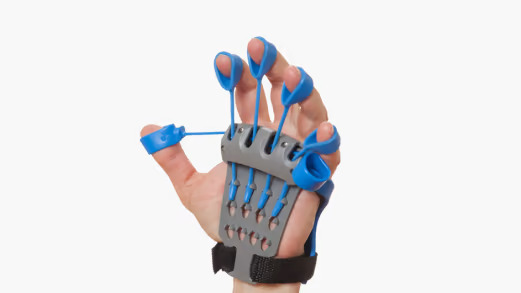
Finger extension bands train the often-neglected opening muscles in your hand, providing balance to all the closing/squeezing work from standard hand exercise equipment. Your finger extensors get worked minimally during daily activities since most movements involve gripping and closing your hand. Training the antagonist muscles with extension bands prevents imbalances and reduces injury risk, especially for people who do lots of computer work or other repetitive finger flexion activities.
1. Captains of Crush Hand Exerciser Standards:
The Captains of Crush hand exerciser series represents the gold standard for serious grip strength training. These precision-manufactured grippers range from the Guide level (around 60 pounds) up to the legendary Number 4 (365 pounds) that maybe a dozen people worldwide have ever closed. The quality and reputation of CoC hand exerciser tools makes them worth the premium price if you’re serious about building elite grip strength.
I currently use the Captains of Crush Trainer (100 pounds) for warm-ups and high reps, the Number 1 (140 pounds) for working sets, and I’m slowly building toward closing the Number 1.5 (167.5 pounds) that I can almost but not quite shut completely yet. These hand exercise tools have become daily training partners I genuinely look forward to using.
2. Budget-Friendly Hand Exerciser Options:
You don’t need expensive equipment to build solid grip strength. Basic adjustable hand exercise models from sporting goods stores work perfectly fine for most people’s needs. I started with a fifteen-dollar Amazon special that served me well for months before I got more serious and invested in quality hand exerciser equipment.
The cheap hand exercise options might not last as long or provide quite as smooth resistance as premium models, but they’ll absolutely build your grip strength if used consistently. Don’t let equipment costs become an excuse—even a basic ten-dollar hand exerciser will transform your grip if you actually use it regularly.
3. Digital Hand Exerciser with Tracking:
Some modern hand exercise models include digital displays tracking reps, max force, and training data. These tech-enabled versions appeal to people who love metrics and quantified progress. Personally, I find the data interesting but not necessary—my hand exercise training is simple enough that I don’t need electronics tracking everything.
The digital hand exerciser tools cost significantly more than basic models, usually 40 to 80 dollars or more. If you’re a data nerd who finds that info motivating, they might be worth it. Otherwise, save your money and put it toward buying multiple resistance levels of regular hand exerciser equipment instead.
Building an Effective Hand Exerciser Training Program:

Progressive overload applies to hand exerciser training just like any other strength work—gradually increasing difficulty over time drives continued improvement. You can progress by adding resistance (moving to heavier hand exerciser models), increasing reps and sets, or changing tempo and training density. I rotate through different progression methods to keep challenging my grip in new ways.
Training frequency with hand exercise equipment can be surprisingly high since your hands and forearms recover relatively quickly from grip work. I train grip 4 to 6 days weekly, sometimes even daily when I’m focused on rapid improvement. The key is managing volume appropriately—you’re doing short, intense sessions rather than crushing your hands into oblivion daily.
My typical hand exercise session lasts maybe 5 to 10 minutes total. I’ll do 3 to 5 sets per hand of 8 to 15 reps with moderate resistance, resting about 60 to 90 seconds between sets. Sometimes I’ll go heavier for singles or low reps working up to my current max close. Other days I’ll use lighter resistance for high-rep endurance sets of 20 to 30 squeezes. This variety keeps things interesting while training different strength qualities.
1. Warm-Up Protocol Before Heavy Hand Exerciser Work:
Jumping straight into heavy hand exercise training with cold hands invites injury, particularly to your delicate finger joints and tendons. I always start with wrist circles, opening and closing my hands repeatedly, and maybe doing some light hand massage to get blood flowing. Then I perform a few easy sets with a light hand exercise before moving to challenging resistance levels.
This warm-up takes maybe two minutes but makes a noticeable difference in performance and how my hands feel afterward. Skipping it and immediately trying to close a heavy hand exerciser feels terrible and risks strains or tendon issues.
2. Structuring Weekly Hand Exerciser Training:
I organize my hand exercise training around heavy, moderate, and light days similar to how you’d program any strength work. Heavy days focus on maximum resistance for low reps, really challenging my peak strength. Moderate days use middle-weight hand exercise resistance for standard working sets building muscle and strength endurance. Light days emphasize high reps with easier resistance, promoting recovery while maintaining training frequency.
This varied approach prevents overuse injuries from constantly hammering my hands with maximum intensity while still providing frequent training stimulus. My grip keeps improving without the burnout or tendon problems that come from overly aggressive training.
3. Adding Variety Beyond Basic Crushing:
Standard hand exerciser squeezing builds crushing grip strength, but other grip types exist that dedicated hand exerciser training doesn’t fully address. I supplement my hand exercise work with pinch grip training (pinching weight plates), support grip (holding heavy implements), and wrist strength exercises. This comprehensive approach builds complete grip strength across all functions rather than just crushing ability.
Farmer’s walks holding heavy dumbbells or kettlebells build incredible support grip endurance. Plate pinches holding two smooth plates together with just your fingers develop pinch strength. Wrist curls and reverse wrist curls strengthen your forearms from different angles. Combining these with regular hand exerciser training creates truly well-rounded grip development.
Common Hand Exerciser Training Mistakes to Avoid:
Using only your fingertips instead of your full hand during hand exercises reduces effectiveness and creates injury risk. The handle should contact your palm fully, not just be pinched between your fingers. This full-hand engagement distributes forces properly and actually makes closing heavier hand exerciser resistance possible through better leverage.
I made this mistake early on, trying to close my hand exercise using primarily finger strength with minimal palm contact. Not only did it limit what resistance I could handle, but my finger joints started getting sore from the excessive stress. Correcting my technique to engage my whole hand immediately felt better and allowed progression to heavier hand exerciser levels.
Neglecting your non-dominant hand creates imbalances and limits overall grip development. Train both hands equally even though your dominant hand will likely always be somewhat stronger. I’m right-handed and initially focused most of my hand exercise training there, letting my left hand do easier work. This created a noticeable strength discrepancy that I’m still working to correct.
1. Speed of Movement During Hand Exerciser Reps:
Rushing through hand exercise reps using momentum reduces time under tension and diminishes the training stimulus. Controlled squeezes taking one to two seconds to close, brief pause at peak contraction, then controlled opening over another two to three seconds maximizes muscle engagement. This deliberate tempo makes even moderate hand exerciser resistance feel challenging and produces better strength gains.
When I slow down my reps and really focus on the squeeze, even my “easy” warm-up hand exerciser creates a noticeable pump and fatigue. The temptation is always to bang out fast reps, but resisting that urge and maintaining control builds dramatically better results.
2. Overtraining Your Grip:
Your hands and forearms can tolerate frequent training, but that doesn’t mean you should destroy them daily with maximum intensity. Persistent soreness, declining performance, or joint discomfort signals you’re overdoing hand exercise volume or intensity. Back off and allow adequate recovery rather than pushing through and risking actual injury.
I’ve flirted with overtraining my grip a couple times, getting overly enthusiastic with daily heavy hand exercise sessions. My forearms stayed constantly sore, my performance plateaued, and my fingers felt achey. Reducing frequency and intensity for a week or two always resolved these issues, allowing me to resume progressive training refreshed.
Hand Exerciser Training for Specific Sports and Activities:
Rock climbers need absolutely ridiculous grip strength and endurance for hanging onto tiny holds during long routes. Dedicated hand exerciser training supplements their climbing-specific work, building raw crushing strength that directly transfers to grabbing and maintaining grip on difficult holds. Many elite climbers train hand exercise equipment religiously as part of their strength programming.
Brazilian jiu-jitsu and grappling martial artists rely heavily on grip strength for controlling opponents through grips on uniforms or body parts. Their hands take tremendous abuse during training, and supplemental hand exercise builds the resilience and strength needed for high-level grappling. I have BJJ friends who swear their hand exercise training improved their ability to maintain dominant grips during rolling sessions.
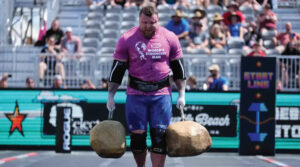
Strongman competitors face grip-intensive events like farmer’s walks, deadlifts without straps, and various implement carries. These athletes often train hand exerciser equipment alongside their event-specific grip work, ensuring their hands never become the limiting factor during competition. The best strongmen have legitimately frightening grip strength partly built through dedicated hand exercise training.
1. Musicians Benefiting from Hand Exerciser Training:
Guitar players, pianists, and other musicians build finger independence and hand strength through hand exerciser and finger-specific training tools. The increased strength and endurance allows playing for longer periods without hand fatigue affecting performance. I’ve read about professional musicians incorporating hand exercise work into their practice routines to maintain hand health and capability.
The injury prevention aspect particularly matters for professional musicians whose livelihoods depend on their hands functioning optimally. Balanced hand exerciser training that includes both flexion and extension work helps prevent common overuse injuries musicians often develop from repetitive practice.
2. Office Workers Preventing Repetitive Strain:
People who spend hours daily typing or using a mouse develop hand and forearm imbalances from constant repetitive flexion movements. Strategic hand exerciser training focusing heavily on finger extension work helps counteract these patterns, preventing or reducing carpal tunnel syndrome and similar issues. The strengthening and improved circulation from grip training appears protective against these common office-related problems.
I noticed my wrist discomfort from computer work decreased significantly once I started regular hand exercise training. The strengthened forearms and hands seemed more resilient to the repetitive stress, and I no longer get that nagging ache after long typing sessions.
Rehabilitation and Recovery Applications:
Physical therapists commonly prescribe hand exercise equipment for patients recovering from hand injuries, surgery, or stroke affecting hand function. The controllable resistance levels and simple movement patterns make hand exercise tools perfect for progressive rehabilitation. Patients can start with extremely light resistance and gradually progress as their strength and function returns.
Arthritis sufferers often find that appropriate hand exercise training helps maintain hand mobility and reduces pain over time. The movement and strength work appears to have therapeutic effects when dosed appropriately. Obviously anyone with medical conditions should consult their healthcare provider before starting hand exerciser training, but many find it genuinely helpful when properly applied.
Tendonitis in the hands and forearms sometimes improves with very light, high-rep hand exercise that promotes blood flow and healing without excessive stress. This almost seems counterintuitive—wouldn’t working an inflamed tendon make it worse? But apparently gentle, controlled loading actually aids tendon healing better than complete rest in many cases.
Working Around Hand Injuries:
If you’ve got an acute hand injury, obviously let it heal before attempting hand exercise training. But for minor strains or past injuries that have mostly healed, cautiously reintroducing grip work with very light hand exerciser resistance helps rebuild strength and confidence. Starting extremely easy and progressing slowly prevents re-injury while restoring function.
I strained a finger joint once being careless with heavy hand exercise resistance while fatigued. The healing process included weeks of complete rest followed by gradual reintroduction of light hand exerciser work, building back to full training over several months. Patience during rehabilitation prevented what could’ve become a chronic issue from rushing recovery.
Tracking Progress and Setting Hand Exerciser Goals:
Testing maximum grip strength periodically on a calibrated dynamometer provides objective progress measurement. I test quarterly at my gym, recording the numbers to track improvement over time. Watching those metrics climb confirms my hand exercise training is producing real strength gains beyond just feeling stronger subjectively.
Movement through progressively heavier hand exerciser resistance levels gives clear progression benchmarks. When you first close a new resistance level that previously seemed impossible, it’s incredibly satisfying and motivating. I remember the day I finally closed the Captains of Crush Number 1 for the first time—felt like a legitimate achievement after weeks of attempts.
Real-world functional improvements often matter more than test numbers or what hand exerciser resistance you can close. Opening jars effortlessly, carrying heavy objects comfortably, never worrying about handshakes—these practical benefits demonstrate that hand exercise training is genuinely improving your life beyond just numbers.
Setting Realistic Hand Exerciser Goals:
Building elite-level grip strength takes years of dedicated training. Setting reasonable intermediate goals prevents frustration from unrealistic expectations. Maybe your first goal is consistently closing a 100-pound hand exerciser for reps. The next goal might be closing 150 pounds for a single rep. Breaking the journey into achievable milestones maintains motivation through the long process.
My current goal is closing the Captains of Crush Number 1.5 (167.5 pounds) for a solid rep, which I’m probably two to three months away from achieving based on current progress. Once I hit that, I’ll set my sights on the Number 2 (195 pounds), though that’s likely a year-plus away still. Having these concrete hand exerciser targets keeps me training consistently.
Conclusion
Hand exercise training transformed my pathetically weak grip into legitimate strength that improves my gym performance, daily life, and confidence. The minimal time investment—just minutes daily with simple, inexpensive equipment—delivers disproportionate returns in both functional capability and physical development. Stop ignoring your hands and start building the grip strength you deserve through consistent hand exerciser work.
FAQs
What hand exerciser resistance level should beginners start with?
Most beginners should start with 60 to 100 pound resistance, allowing proper form practice while building foundational strength before progressing to heavier options.
How often should I train with a hand exerciser weekly?
Three to five sessions weekly provides excellent results for most people, though daily training with appropriate volume works fine due to quick recovery.
Can hand exercise training cause arthritis or joint problems?
Proper hand exercise training with appropriate resistance and technique actually improves joint health. Excessive force or poor form risks injury like any training.
Will hand exercise work make my forearms bigger?
Yes, consistent hand exercise training builds visible forearm muscle development, though genetic factors influence how dramatically your forearms grow visually.
How long until I see hand exercise strength improvements?
Most people notice functional strength gains within two to three weeks, with measurable improvements on testing within six to eight weeks consistently.
Summary
Hand exerciser training builds crucial grip strength affecting every physical activity while requiring minimal time and equipment investment. Consistent progressive training with quality hand exerciser equipment transforms weak, limiting grip into powerful, capable hands within months. Start squeezing today and experience the surprisingly profound benefits strong hands provide.