I used to do yoga and floor exercises on my carpet thinking I was saving money. Knees were constantly bruised, elbows hurt, and kept slipping during planks. Finally bought a proper mat last year. The difference was absolutely night and day. Can’t believe I suffered for so long unnecessarily.
Your workout surface matters way more than most people realize honestly. Trying to exercise on hard floors kills your joints. Using carpet or towels creates instability and slipping hazards. Quality exercise fitness mats provide the cushioning and grip you actually need for safe effective workouts. Not just for yoga either – any floor work benefits from a proper mat underneath you.
From push-ups to stretching to core work, having the right surface makes everything easier and safer. Plus your joints thank you for not destroying them on hard surfaces. Small investment that dramatically improves every single workout you do at home.
Why Your Workout Surface Actually Matters:
Hard floors like wood, tile, or concrete offer zero cushioning during floor exercises. Your knees, elbows, and spine take direct impact with nothing protecting them. This causes unnecessary pain and potential injury over time. Exercise fitness mats absorb shock protecting your body during movements. I didn’t realize how much damage I was doing until the bruising wouldn’t go away anymore.
Slipping during exercises is dangerous and ruins your form completely. Carpet might seem cushioned but provides zero grip for your hands and feet. During downward dog or plank position, your hands slide forward ruining the exercise and risking face-plants. Proper exercise fitness mats have textured surfaces preventing slips so you can focus on the actual workout instead of just not falling.
The psychological factor matters too honestly. Rolling out your mat creates a dedicated workout space mentally. Signals to your brain that it’s exercise time. This mental preparation improves focus and consistency. My workout space is tiny but unrolling my mat transforms it into my personal gym every single time.
Different Types of Mats Explained:
1. Standard Yoga Mats:
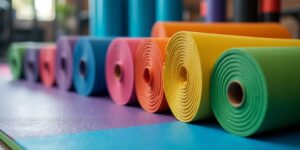
These are the thin mats you see everywhere, usually around 3-5mm thick. Work great for yoga, Pilates, and stretching. Lightweight and easy to roll up for storage or transport. However they don’t provide enough cushioning for high-impact exercises or people with joint issues. Exercise fitness mats like these cost anywhere from $15-50 depending on quality and brand.
I started with a basic yoga mat from Target. Served me fine for gentle yoga but felt way too thin for anything else. Knees still hurt during lunges and my tailbone ached during ab work. Great starting point but has limitations for varied workouts.
2. Thick Exercise Mats:
These mats are 10-15mm thick providing serious cushioning. Perfect for people with knee problems, joint pain, or anyone doing high-impact moves. The extra thickness absorbs way more shock protecting your body. Heavier and bulkier than standard mats but worth it if you need the cushioning. Exercise fitness mats in this category typically cost $30-80.
I switched to a thick mat after my knee started bothering me. Total game changer for real. Can do lunges, burpees modified, and floor work without any joint pain anymore. The thickness makes such a huge difference I can’t overstate it enough.
3. Extra-Large Mats:
Standard mats are usually 24 inches wide and 68 inches long. Extra-large versions go up to 48 inches wide and 84 inches long. Give you way more space to move around during workouts. Great for tall people or exercises requiring more room. Also work well for partner workouts. These exercise fitness mats cost $40-100 depending on thickness and quality.
My husband and I share an extra-large mat sometimes for couples yoga. Having the extra space means we’re not constantly bumping into each other or rolling off the edges. Worth the investment if you have room to store it.
4. Specialty Mats:
Some mats are designed for specific activities like hot yoga with extra grip when wet. Others have alignment lines printed on them for proper positioning. Eco-friendly mats use natural rubber or recycled materials. Foldable mats work better than roll-up versions for some people. Exercise fitness mats come in endless varieties for different needs and preferences.
I’m considering getting a hot yoga mat because my hands still slip a bit when I’m really sweating. The specialized grip would help during intense sessions. Haven’t pulled the trigger yet but it’s on my wish list.
Essential Features to Look For:
- Thickness between 6-15mm depending on your joint health and exercise type preferences
- Non-slip texture on both sides preventing mat from sliding on floor during workouts
- Adequate length for your height, taller people need longer mats obviously
- Easy to clean surface that wipes down quickly without absorbing sweat permanently
- Durable material that won’t tear, crack, or break down after regular use
- Portable if you plan to take it to gym, classes, or outdoor workouts
- Non-toxic materials without harmful chemicals especially if you have allergies or sensitivities
Material Options Compared:
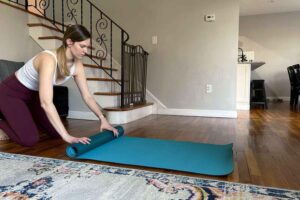
PVC mats are the most common and affordable option. Durable, easy to clean, provide good grip. Downside is they’re not eco-friendly and can have a chemical smell initially. Most standard exercise fitness mats use PVC because it works well and costs less to manufacture. I’ve used PVC mats for years without issues once the smell aired out.
TPE (thermoplastic elastomer) offers an eco-friendlier alternative to PVC. Biodegradable, non-toxic, and typically odor-free right out of the package. Slightly less durable than PVC but still lasts years with proper care. These exercise fitness mats cost a bit more but worth it if environmental impact matters to you.
Natural rubber provides excellent grip and cushioning. Completely eco-friendly and biodegradable. The best option environmentally but tends to be expensive and heavy. Also not suitable if you have latex allergies. Some people dislike the rubber smell though it fades over time with airing out.
1. Durability Considerations:
Cheap mats fall apart quickly with regular use. The surface peels, tears develop, cushioning compresses permanently. Spending a bit more upfront saves money long-term by lasting years instead of months. My first cheap mat lasted maybe four months before becoming unusable. My current quality mat is going strong after eighteen months.
Check reviews before buying any exercise fitness mats. Real user experiences reveal durability issues manufacturers won’t mention. Look for complaints about tearing, sliding, or falling apart. Consistent negative reviews about durability mean skip that mat regardless of price.
2. Grip Performance:
Grip matters more than thickness honestly for most exercises. A thin mat with great grip beats a thick mat you’re constantly slipping on. Textured surfaces provide better traction than smooth ones. Some mats have different textures on each side – smoother for lying down, textured for hands and feet.
Test grip before committing if possible. Do a downward dog or plank position on the mat in the store. Your hands and feet shouldn’t slide at all. If the store won’t let you test it, make sure their return policy allows returns. Exercise fitness mats without adequate grip are basically useless and dangerous.
3. Maintenance Requirements:
Some mats require special cleaners while others just need soap and water. High-maintenance mats get skipped and become gross quickly. Choose exercise fitness mats you’ll actually clean regularly. I spray mine with a vinegar-water solution after every workout and wipe it down. Takes thirty seconds and keeps it fresh.
Mats that absorb moisture become breeding grounds for bacteria and start smelling terrible. Closed-cell mats repel moisture, staying cleaner longer. Open-cell mats feel softer but absorb sweat requiring more frequent deep cleaning. Consider your sweat level and cleaning commitment when choosing materials.
Size Selection Guide:
1. Standard vs Extended Length:
Standard 68-inch mats work fine for people under 5’8″ typically. Taller folks need extended length mats to avoid hanging off the ends during exercises. Nothing more annoying than your head or feet extending past the mat. I’m 5’5″ so standard length works perfectly for me.
Extra length doesn’t hurt even if you’re shorter though. Gives more options for positioning during different exercises. The tradeoff is more bulk to store and carry around. Weigh your priorities between portability and extra space.
2. Width Considerations:
Standard 24-inch width is fine for most people doing typical exercises. If you’re larger-framed or do exercises requiring a wider stance, go for 30-36 inch width. Extra-wide exercise fitness mats accommodate bigger bodies comfortably without feeling cramped or hanging off the sides.
I find standard width perfectly adequate for everything I do. Saving the extra money and storage space makes sense for my situation. Assess your actual needs instead of just buying the biggest mat available.
3. Storage Space Reality:
Be honest about your storage situation before buying huge mats. Giant mats are awesome for working out but terrible if you’ve got nowhere to put them. They won’t get used if storing them is a huge hassle every time. My apartment is tiny so I specifically chose a mat that fits behind my bedroom door.
Foldable mats store more easily than roll-up versions in tight spaces. Consider your actual living situation when choosing exercise fitness mats. The best mat is the one you’ll actually use consistently because storing it isn’t a nightmare.
Price Ranges Explained:
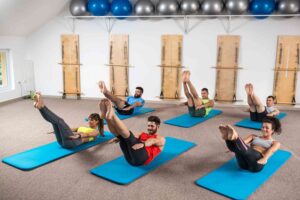
- Budget mats ($10-25): Basic functionality, won’t last long but fine for trying out home workouts
- Mid-range mats ($25-60): Good quality for regular use, balance of durability and affordability
- Premium mats ($60-100): Excellent materials and construction, last for years of heavy use
- Luxury mats ($100+): Top-tier materials and design, often eco-friendly with lifetime warranties
- Extra costs: Mat bags, cleaners, and accessories add to total investment realistically
- Sales and deals: Watch for discounts during New Year and Black Friday for best prices
Common Problems and Solutions:
Mats sliding on hard floors drive me absolutely crazy. Some floors are just slippery no matter what mat you use. Solution is getting a non-slip mat pad that goes underneath your exercise fitness mats. These thin grippy pads prevent sliding completely. Cost like $10-15 and totally worth it for peace of mind.
Chemical smell from new mats can be overwhelming. Air out new mats outside or in a garage for a few days before using them. The smell fades but some people are more sensitive than others. If smell persists after a week, that mat probably isn’t safe. Return it and find better quality exercise fitness mats without toxic materials.
Mats rolling back up during use are super annoying. Happens with mats stored rolled up for too long. Lay it flat for 24 hours before first use. Roll it in opposite direction overnight to flatten it out. Some mats just have shape memory issues. Using mat weights or water bottles on corners helps keep them flat during workouts.
1. Cleaning and Hygiene:
Dirty mats harbor bacteria and start smelling disgusting fast. Wipe down after every single workout without fail. Deep clean weekly with mat cleaner or mild soap solution. Let it air dry completely before rolling up or you’re creating a bacteria paradise.
Never put mats in washing machines unless specifically labeled machine washable. The agitation and heat can damage most exercise fitness mats permanently. Hand cleaning takes five minutes and preserves your mat way longer. I learned this expensive lesson destroying a nice mat in the washer.
2. Wear and Tear Management:
All mats eventually break down with regular use. Signs it’s time to replace include permanent indentations, surface tearing or peeling, loss of grip, or visible thinning. Don’t wait until it’s completely destroyed. Using damaged exercise fitness mats risks injury from inadequate cushioning or slipping.
Rotate your mat regularly if you always do workouts in the same position. This distributes wear more evenly extending lifespan. I rotate mine 180 degrees every few weeks so I’m not always putting weight on the same spots.
Specific Exercise Recommendations:
1. Yoga and Pilates:
Thinner mats work better for balance poses where you need to feel the floor. Too much cushioning makes balancing harder. Standard 3-5mm exercise fitness mats are ideal. Grip matters more than thickness for these practices. Your hands and feet need solid traction for holding poses safely.
I use my thin mat for yoga and my thick mat for everything else. Having two mats means always using the optimal surface for each workout type. Not necessary but makes a noticeable difference in performance.
2. High-Intensity Workouts:
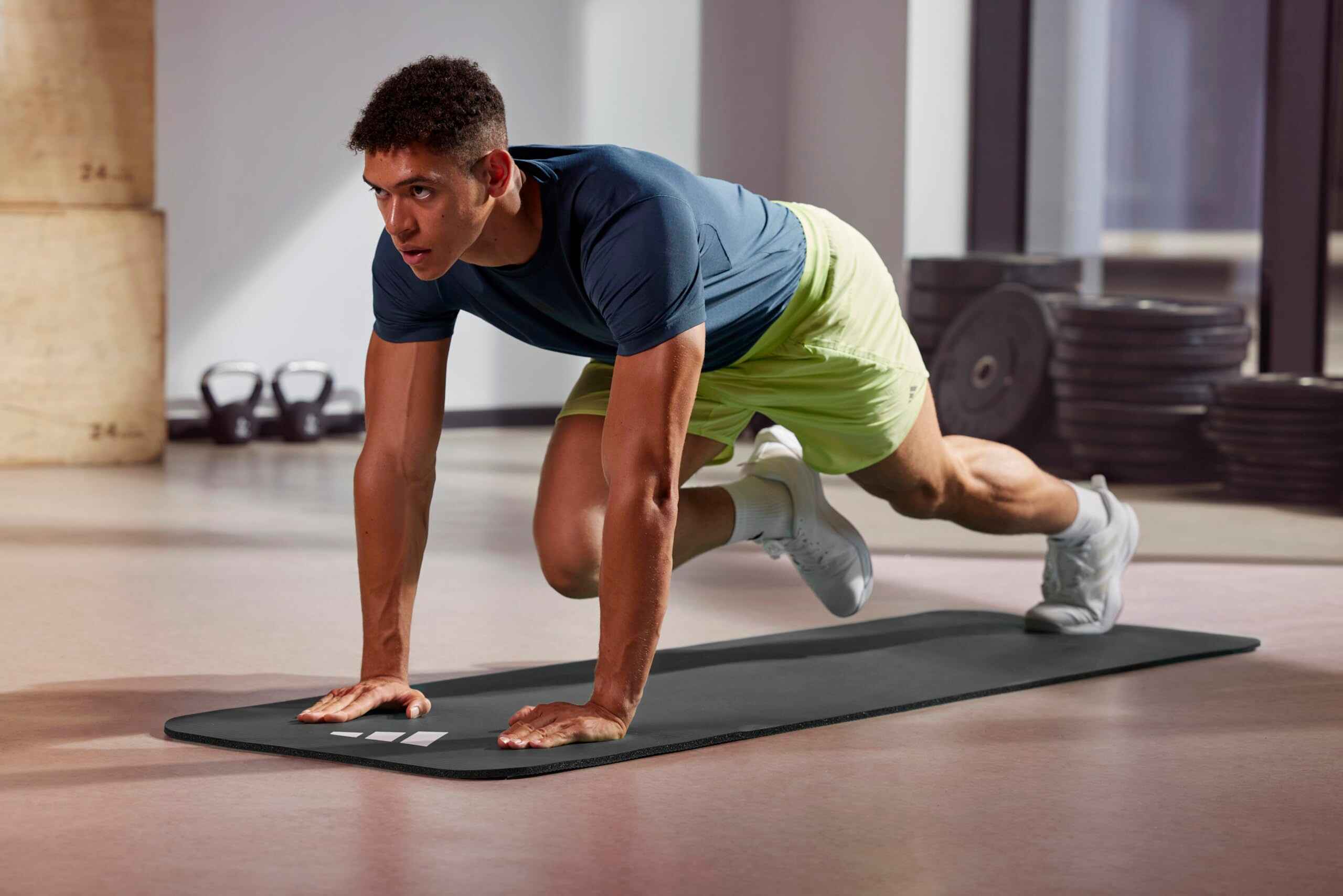
Thicker mats protect joints during burpees, mountain climbers, and jumping movements. Even modified low-impact versions benefit from extra cushioning. The repetitive impact adds up over time. Adequate padding prevents joint damage. Exercise fitness mats around 10mm thickness work great for these intense sessions.
Just be careful that super thick mats can feel unstable during certain moves. Find the balance between cushioning and stability that works for your body and workout style.
3. Strength Training:
Free weight exercises need firmer surfaces for stability. Too much cushioning makes you wobbly during standing exercises. However floor exercises like push-ups or core work benefit from padding. Consider where you’re doing most exercises. Exercise fitness mats around 6-8mm offer good compromise for mixed strength workouts.
I do most strength training standing so I use the thin mat just for push-ups and ab work. It’s not ideal but works for my limited space and budget currently.
Where to Buy Quality Mats:
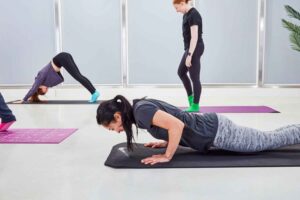
Sporting goods stores let you see and feel mats before buying. Can test thickness, grip, and size in person. Staff might offer helpful advice though don’t rely on them completely. I prefer buying in person when possible because photos online are deceiving about actual quality.
Online shopping offers way more variety and often better prices. Read tons of reviews from verified purchasers. Look for detailed reviews mentioning specific pros and cons. Exercise fitness mats are hard to judge from pictures alone so reviews become crucial for making informed decisions.
Big box stores carry basic options cheaply. Fine for beginners or casual users but serious exercisers need better quality. I bought my first mat at Walmart for $15. It sucked but helped me figure out what features actually mattered to me before investing more money.
Brand Recommendations:
Premium brands like Manduka and Liforme cost more but last forever. People rave about these mats lasting 5+ years with heavy daily use. The upfront cost hurts but long-term value is solid. I’m saving up for a Manduka because my current mat is wearing out.
Budget-friendly brands like Gaiam and AmazonBasics work fine for occasional use. Don’t expect years of durability but they serve their purpose. Good for testing out home workouts before committing to expensive exercise fitness mats.
Multi-Purpose Uses:
Exercise mats aren’t just for working out. Use them for stretching while watching TV. Kids love using them for tumbling and playing. Camping trips need something between you and the hard ground. Pet beds for dogs who need cushioning. I’ve used mine for all sorts of random purposes beyond just exercise.
The portability means taking workouts anywhere easily. Parks, beach, hotel rooms, friend’s houses. Having your own clean surface makes exercising away from home way more appealing. My mat has traveled with me on countless trips. Exercise fitness mats enable maintaining fitness routines regardless of location.
Investment Worth Consideration:
Quality exercise fitness mats cost $40-80 typically for good mid-range options. Seems like a lot upfront but breaks down to pennies per use over months and years. Compare that to gym memberships costing $30-100 monthly. The mat pays for itself incredibly fast if it enables consistent home workouts.
Think long-term value rather than just upfront cost. Cheap mats seem economical until you’re buying replacements every few months. Spending more initially for quality saves money over time. Plus better mats make workouts more enjoyable, increasing consistency. Exercise fitness mats are one of the smartest fitness investments you can make honestly.
Conclusion
Exercise fitness mats dramatically improve home workout quality and safety. Proper cushioning protects your joints while grip prevents dangerous slipping. Choose appropriate thickness, size, and material for your specific needs and budget. Invest in quality that lasts rather than replacing cheap mats constantly. Your body deserves a proper workout surface that makes exercise easier and safer always.
FAQs
1. What thickness is best for exercise fitness mats overall?
6-10mm works for most people, thicker for joint issues, thinner for yoga and balance work requiring ground feel.
2. How often should I replace my workout mat?
Generally every 1-3 years depending on usage frequency and quality, replace sooner if showing wear or losing grip.
3. Can I use exercise fitness mats on carpet?
Yes but thicker mats work better on carpet, thin mats disappear into carpet piles reducing their cushioning effectiveness.
4. Are expensive mats worth the extra money?
Usually yes, quality mats last significantly longer and perform better, saving money long-term compared to frequent cheap replacements.
5. How do I clean exercise fitness mats properly?
Wipe down after each use with gentle cleaner, deep clean weekly, always air dry completely before rolling or storing.
Summary
Exercise fitness mats provide essential cushioning and grip for safe effective home workouts. Choose appropriate thickness, size, and materials based on your exercise types and budget. Quality mats cost $40-80 typically but last year with proper care. Invest wisely in proper workout surfaces protecting your joints and enabling consistent training.