I joined a fancy gym three years ago with all the machines and equipment. I felt completely lost and intimidated by everything. Bought a pair of adjustable dumbbells for home instead. Best fitness decision I ever made honestly. Built more muscle and strength in six months at home than a year wasting time at that overwhelming gym.
Dumbbells are probably the most versatile piece of fitness equipment you can own. Work every single muscle in your body with just one set. No fancy machines needed, no complicated setups required. Dumbbell exercises provide everything you need for a complete workout whether you’re at home, traveling, or at the gym. From beginners to advanced lifters, dumbbells scale perfectly to any fitness level.
That simplicity is exactly why they’re so effective long-term. You can literally build an incredible physique with just dumbbells and dedication. No excuses about not having equipment or gym access anymore.
Why Dumbbells Beat Other Equipment:
Machines force you into fixed movement patterns that don’t match natural body mechanics. Your body moves in three dimensions but machines only allow movement in one or two. Dumbbell exercises let you move naturally following your body’s actual mechanics. This builds functional strength that transfers to real-world activities better than machine training ever could.
Each arm works independently with dumbbells preventing strength imbalances. My right arm was noticeably stronger than my left using barbells. Switched to dumbbell exercises and that imbalance disappeared within months. You can’t cheat using your stronger side when each arm handles its own weight separately.
Stabilizer muscles get worked hard with dumbbell exercises unlike machines that do the stabilizing for you. These smaller muscles matter enormously for injury prevention and overall strength. My shoulders and core got way stronger once I made dumbbells my primary training tool.
Essential Upper Body Movements:
1. Dumbbell Bench Press:
Lie on a bench with dumbbells in each hand. Press them up over your chest bringing them together at the top. Lower slowly until you feel a good stretch in your chest. This is one of the absolute best dumbbell exercises for building chest muscles. I do these every Monday and my chest development has been incredible.
The range of motion is better than barbell bench press. Can go deeper at the bottom stretching the chest more. Bring the dumbbells together at the top squeezing your chest hard. Start light learning proper form before adding weight. I rushed adding weight early on and my shoulder paid the price.
2. Shoulder Press:
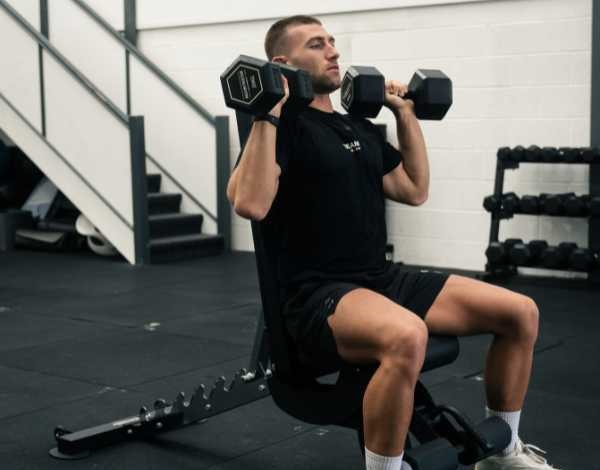
Sit or stand with dumbbells at shoulder height. Press them overhead until your arms are fully extended. Lower back to shoulders with control. Simple movement but absolutely brutal for building strong shoulders. These dumbbell exercises transformed my shoulder development completely.
Keep your core tight, preventing your back from arching excessively. Press straight up not forward or backward. I used to lean back too much causing lower back pain. Fixed my form and shoulders grew while back pain disappeared. Form matters way more than how much weight you’re using.
3. Bent-Over Rows:
Hinge forward at your hips with dumbbells hanging straight down. Pull them up to your sides squeezing your shoulder blades together. Lower with control and repeat. One of the most important dumbbell exercises for back thickness. My back completely transformed once I started doing these heavy and consistently.
Keep your back flat not rounded during the entire movement. Pull with your elbows not your hands. Took me forever learning this cue but it made all the difference. Feel the contraction in your back muscles, not just moving weight around mindlessly.
4. Bicep Curls:
Stand holding dumbbells at your sides with palms facing forward. Curl the weights up toward your shoulders keeping elbows stationary. Lower slowly and repeat. Classic dumbbell exercises that actually work despite being simple. Everyone wants bigger arms and these deliver when done properly.
Don’t swing the weight using momentum. Strict controlled reps build muscle better than sloppy heavy reps. I learned this the hard way getting zero results from swinging weights around. Slowed down, dropped the weight, and finally saw arm growth.
Lower Body Dumbbell Movements:
- Goblet squats holding one dumbbell at chest height, perfect for building quad and glute strength
- Romanian deadlifts with dumbbells hanging in front, absolutely incredible for hamstrings and lower back
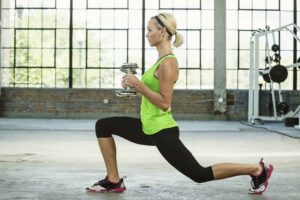
- Walking lunges holding dumbbells at sides, burns legs like nothing else while improving balance
- Bulgarian split squats with rear foot elevated, one of the best dumbbell exercises for leg development
- Calf raises standing on edge holding dumbbells, simple but effective for building lower leg muscles
- Step-ups onto box or bench with dumbbells, great functional movement working entire lower body
Core and Full Body Options:
Dumbbell exercises aren’t just for arms and legs. Your core gets hammered during most movements if you’re doing them right. Turkish get-ups with a dumbbell are incredibly challenging full-body movements. I attempted these and felt muscles I didn’t know existed. Humbling experience but amazing exercise.
Renegade rows in plank position holding dumbbells work your entire body simultaneously. Plank for core, rowing motion for back, stabilization throughout. These dumbbell exercises are exhausting but incredibly effective for building total body strength. Can only do maybe five per side currently but working on it.
Thrusters combining a front squat with overhead press demolish you quickly. Full body movement burning insane calories while building strength everywhere. I do these when short on time because they work everything efficiently. Twenty reps leaves me gasping for air every single time.
1. Farmer Carries:
Simply walk around holding heavy dumbbells at your sides. Sounds easy but it’s absolutely brutal. Grip strength, core stability, and mental toughness all get challenged. I do these at the end of workouts and they finish me off completely.
Start with moderate weight and walk for 30-60 seconds. Rest and repeat three to five times. The simplicity is deceptive because the difficulty is real. Best functional dumbbell exercises you can do for overall strength and conditioning.
2. Dumbbell Swings:
Similar to kettlebell swings but using a dumbbell works fine. Hip hinge movement generates power from your hips. Explosive movement that builds power and cardio simultaneously. These dumbbell exercises get your heart rate up fast while working posterior chain.
Focus on hip drive not arm strength. The weight should almost float up from the power generated by your hips snapping forward. Take practice getting the timing right. I sucked at these initially but they’re incredible once you learn proper technique.
3. Man Makers:
Combines push-up, row, and thruster into one hellish movement. Start in a push-up position holding dumbbells. Do a push-up, row each arm, jump feet forward, thrust overhead. That’s one rep and it’s absolutely exhausting. These dumbbell exercises work literally everything simultaneously.
Do these when you want to die apparently because they’re brutal. Five reps feels like running a marathon. Amazing for conditioning and full-body strength. I love and hate these exercises at the same time.
Building Your Home Gym:
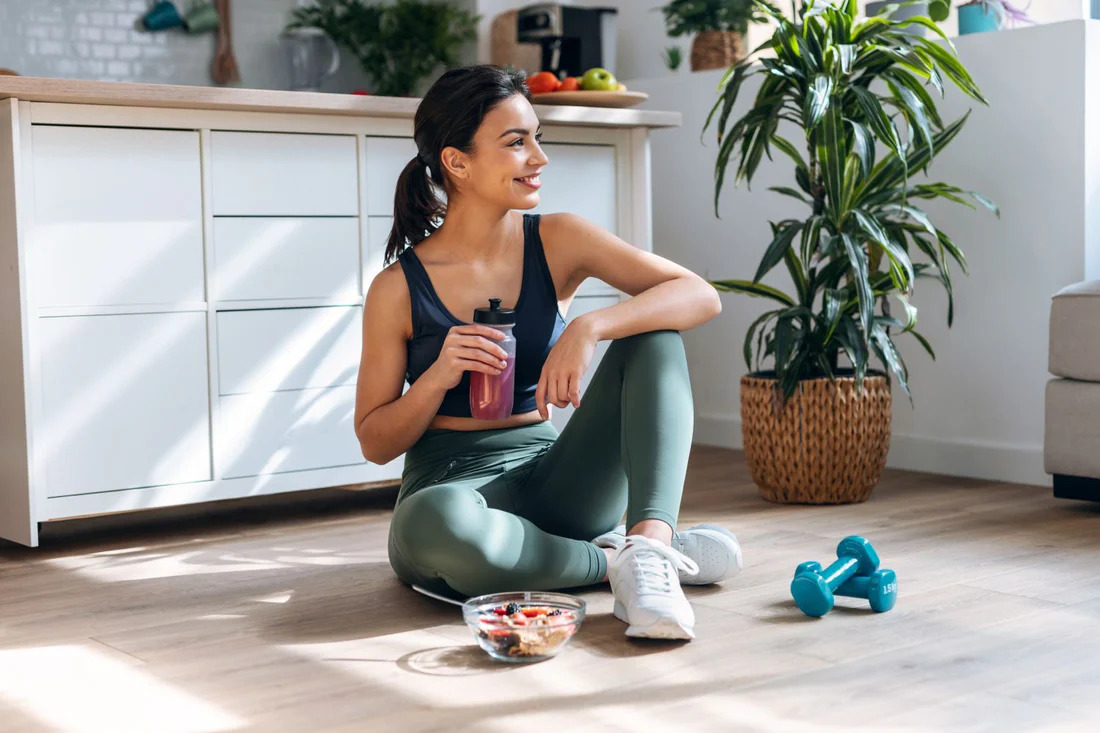
You don’t need much space for dumbbell exercises really. Just enough room to lie down with arms extended. My entire home gym fits in a corner of my bedroom. One set of adjustable dumbbells, a bench, and a mat. That’s literally everything needed for years of effective training.
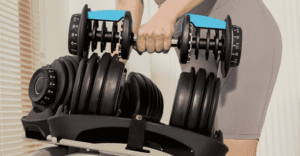
Adjustable dumbbells save massive amounts of space and money compared to full dumbbell sets. I use PowerBlock style dumbbells going from 5 to 50 pounds. Perfect range for basically everything. Fixed dumbbells would require an entire room and cost thousands more.
A quality adjustable bench adds tons of exercise variety. Incline, decline, and flat positions multiply your exercise options. I resisted buying one initially trying to save money. Finally got one and immediately regretted not buying it sooner. Game changer for dumbbell exercises variety.
1. Budget Considerations:
Start with just one pair of fixed dumbbells if budget is tight. Even 15-20 pound dumbbells allow dozens of effective exercises. I started with a single 25-pound pair from Walmart for $30. Worked great until I needed more weight. Something is always better than nothing.
Used equipment saves significant money if you’re patient. Check Facebook Marketplace and Craigslist regularly. I’ve found incredible deals on barely-used dumbbells. People buy fitness equipment with good intentions then never use it. Their loss is your gain literally.
2. Quality vs Price:
Cheap dumbbells work fine initially but quality ones last forever. I’ve had my adjustable set for three years with zero issues. Cheap ones I started with broke within six months. Spending a bit more upfront saves money long-term. These dumbbell exercises require reliable equipment that won’t fail mid-rep.
Hex dumbbells are more stable than round ones if you do exercises on the floor. The flat sides prevent rolling. I switched to hex dumbbells after mine rolled and nearly crushed my foot. Small detail that matters for safety and convenience.
Effective Training Programs:
1. Three-Day Full Body Split:
Monday trains everything hitting all major muscle groups. Do 2-3 dumbbell exercises per body part. Wednesday repeats with different exercise variations. Friday another full body session wrapping up the week. This frequency works perfectly for most people building strength and muscle.
I followed this split for my first year and made incredible progress. Simple structure that’s easy to follow consistently. Hit everything frequently without overtraining. Total workout time is maybe 45 minutes which fits any schedule. These dumbbell exercises don’t require hours at the gym.
2. Upper/Lower Split:
Monday and Thursday train upper body with various dumbbell exercises. Tuesday and Friday focus on lower body movements. This allows more volume per muscle group without excessive workout length. Currently using this split and loving the results.
The extra recovery time between training the same muscles helps me lift heavier. Upper body gets two full days recovering before training again. Same with lower body. Progress has been steady using this approach for six months now.
3. Push/Pull/Legs:
Monday does pushing movements – chest, shoulders, triceps. Wednesday is pulling – back and biceps using dumbbell exercises. Friday hammers legs with all the lower body work. My favorite split currently because it’s perfectly balanced and organized logically.
Each muscle group gets hit hard once weekly with proper recovery time. Can really push intensity knowing you’ve got a full week before training that muscle again. These dumbbell exercises provide enough variety preventing boredom with the same routine constantly.
Common Form Mistakes:
- Using momentum instead of controlled movements reducing effectiveness significantly
- Letting dumbbells drift too far apart losing tension on target muscles
- Rounding your back during bent-over movements risking serious injury over time
- Not going through full range of motion shortchanging muscle development potential
- Holding breath during reps instead of breathing properly reducing performance
- Training through sharp pain instead of backing off and fixing form issues
Progressive Overload Strategies:
Adding weight gradually is the most straightforward progression method. Once you hit your target reps easily, add 5 pounds next session. Simple but incredibly effective over time. I’ve added 15 pounds to most dumbbell exercises over six months using this approach. Slow steady progress beats rushing and getting injured.
Increasing reps before adding weight works great too. Maybe start with 3 sets of 8 reps. Build up to 3 sets of 12 reps. Then add weight and drop back to 8 reps. This double progression ensures you’re ready for heavier loads. Prevents jumping weight too fast and sacrificing form.
Adding sets increases training volume challenging your muscles more. Started with 2 sets of most dumbbell exercises. Gradually added a third set, then eventually a fourth. Volume increases drove significant muscle growth. Don’t underestimate the power of just doing more total work.
Tracking Your Progress:
Write down every workout in a notebook or phone app. Note weights used, reps completed, how it felt. This data guides your progression decisions. I can look back six months and see exactly how much stronger I’ve gotten. Motivating as hell seeing the numbers improve consistently.
Taking progress photos monthly reveals changes you can’t see daily. Stand in same spot, same lighting, same poses. Compare photos every 8-12 weeks. The visual progress proves dumbbell exercises work when you can’t always feel the changes happening gradually.
Measurements of arms, chest, waist, and thighs provide objective data. I measure monthly on the same day. Arms are up an inch, waist is down two inches. These numbers don’t lie and prove the effectiveness of consistent dumbbell training.
Avoiding Plateaus:
Plateaus happen when your body adapts completely to your routine. Variation prevents this. Switch exercises every 6-8 weeks keeping stimulus fresh. Maybe swap flat bench press for incline variation. Change bent rows to single-arm rows. Small changes make big differences preventing adaptation.
Varying rep ranges challenges your muscles differently. One training cycle emphasises heavy weight for 6-8 reps. Next cycle use moderate weight for 10-12 reps. Then try lighter weight for 15-20 reps. Different rep ranges build different qualities. These dumbbell exercises respond well to varied training stimuli.
Deload weeks every 6-8 weeks allow complete recovery. Reduce weight and volume by 50% for one week. Feels weird training lighter but you always come back stronger. I used to train hard constantly and plateaued repeatedly. Started taking deloads and progress became consistent.
Intensity Techniques:
Drop sets extend a set beyond failure by reducing weight immediately and continuing. Finish your set, grab lighter dumbbells, keep going. Brutal but effective for building muscle. I do these occasionally on last set of dumbbell exercises. They’re exhausting so don’t overuse them.
Rest-pause training involves taking short breaks during a set to squeeze out more reps. Do 8 reps, rest 15 seconds, do 3 more, rest again, do 2 more. One extended set that absolutely destroys the muscle. Use sparingly because recovery demands are high.
Recovery Between Sessions:
Muscles grow during rest, not during training. Adequate recovery determines your results more than perfect workouts. I train hard but prioritize recovery just as much. Sleep 8 hours minimum, eat enough protein, take rest days seriously. These boring fundamentals matter more than fancy dumbbell exercises or programs.
Soreness doesn’t necessarily indicate a good workout. You can make progress without being destroyed constantly. I used to think soreness meant success. Now I know consistent progressive training matters regardless of soreness levels. Don’t judge workout quality by how sore you are afterward.
Active recovery like walking or light stretching helps between hard sessions. Promotes blood flow aiding muscle repair without adding training stress. I walk daily and stretch at night. These simple habits significantly improved my recovery from dumbbell exercises over time.
Long-Term Consistency:
The best workout program is the one you’ll actually follow consistently. Fancy programs don’t matter if you quit after two weeks. Find dumbbell exercises you enjoy and a schedule that fits your life. I train 4 days weekly because that’s sustainable for me. Been consistent for three years now with incredible results.
Progress takes months and years not weeks. Setting realistic expectations prevents disappointment and quitting. I committed to one year before judging my results. That patience paid off with sustainable changes instead of quick fixes. Trust the process and keep showing up consistently.
Missing occasional workouts is fine and doesn’t ruin progress. Life happens – work gets crazy, you get sick, whatever. Just get back to it next session without guilt. I used to stress about missed workouts. Now I just move on and stay consistent long-term. That’s what actually matters for results.
Conclusion
Dumbbell exercises provide everything needed for building strength and muscle at home or anywhere. Master basic movements like presses, rows, and squats before adding complexity. Progressive overload through added weight, reps, or sets drives continuous improvement. Consistency over months and years matters more than perfect programming. Start with what you have, stay patient, and results will come guaranteed.
FAQs
1. Can you build serious muscle with just dumbbell exercises?
Absolutely yes, dumbbells provide sufficient stimulus for muscle growth when using progressive overload and eating adequate protein consistently.
2. What weight dumbbells should beginners start with?
Men typically start with 15-25 pound dumbbells, women with 5-15 pounds, adjust based on individual strength levels.
3. How many dumbbell exercises per workout is optimal?
Generally 6-8 exercises per session covering all major muscle groups provides sufficient volume without excessive fatigue.
4. Are adjustable dumbbells worth the extra cost?
Yes definitely, they save massive space and money long-term compared to buying entire sets of fixed dumbbells.
5. How long until seeing results from dumbbell exercises?
Noticeable changes appear in 8-12 weeks typically, significant transformation requires 6-12 months of consistent training.
Summary
Dumbbell exercises offer complete workout versatility for any fitness level or goal. Master fundamental movements, apply progressive overload, and train consistently. Build effective routines using splits that fit your schedule and recovery capacity. Quality equipment investment pays off over years of training. Patience and consistency produce dramatic results over time.