

Two years back, I couldn’t touch my toes without sharp pain shooting through my lower back and legs. My physiotherapist diagnosed tight, weak hamstrings causing everything. That diagnosis sent me on a journey discovering hamstring exercises that completely transformed my mobility.
Hamstring exercises strengthen the three muscles running along your thigh’s back side, connecting your hip to your knee joint. These often-neglected muscles control walking, running, jumping, and even simple standing movements we take completely for granted daily.
Weak hamstrings create imbalances causing lower back pain, knee injuries, poor posture, and limited athletic performance across virtually every physical activity imaginable.
Stop Ignoring Your Body’s Most Underrated Muscle Group:
Your hamstrings deserve attention they rarely receive in typical workout routines. Strong hamstrings prevent injuries, eliminate chronic pain, and unlock athletic potential you didn’t know existed. Let’s explore hamstring exercises that deliver real results instead of wasting time on ineffective movements.
Why Most People Have Dangerously Weak Hamstrings:

Modern lifestyle habits create the perfect storm for hamstring weakness and dysfunction. Sitting for eight hours daily at desk jobs keeps hamstrings in shortened positions, causing them to lose flexibility and strength simultaneously. I spent years sitting in office chairs, then sitting during my commute, then sitting on my couch evenings. My hamstrings basically forgot how to function properly.
The problem compounds because most popular exercises like squats and lunges emphasize quadriceps over hamstrings, creating muscular imbalances. Your quads get stronger while hamstrings lag behind, pulling your pelvis forward and straining your lower back. I noticed this imbalance in my own body—my quads looked developed while my hamstring area remained flat and weak. That visual difference should have warned me about the dysfunction developing beneath the surface.
Hamstring exercises specifically targeting these muscles reverse years of neglect and imbalance. When I finally started prioritizing hamstring work, my back pain decreased noticeably within three weeks. My posture improved without me consciously thinking about standing straighter. Athletic movements that previously felt awkward suddenly became smooth and powerful. The transformation convinced me that hamstring exercises deserve equal priority with more glamorous muscle groups everyone obsesses over.
The Anatomy Behind Effective Hamstring Exercises:
Understanding basic hamstring anatomy helps you perform hamstring exercises more effectively and avoid common mistakes that limit results. Your hamstrings actually consist of three separate muscles—the biceps femoris, semitendinosus, and semimembranosus. All three muscles work together during most movements, but emphasizing different angles and positions during hamstring exercises can target each muscle slightly differently.
These muscles cross both your hip and knee joints, meaning they perform two primary functions—extending your hip and flexing your knee. Effective hamstring exercises incorporate both movement patterns rather than focusing exclusively on one. I used to do only leg curls, which worked knee flexion but completely ignored hip extension. No wonder my results stayed mediocre despite consistent effort. Once I added exercises incorporating both functions, my hamstring development accelerated dramatically.
1. Romanian Deadlifts for Complete Hamstring Development:
Romanian deadlifts became my favorite among all hamstring exercises because they deliver comprehensive results through one movement. You hold weights in your hands, hinge forward at your hips while keeping your back straight, then return to standing position. The movement stretches your hamstrings under load, building both strength and flexibility simultaneously.
Starting with light weights prevents injury while you learn proper form. I began with just the barbell before adding plates. The movement felt awkward initially, but within two weeks it became natural. Now Romanian deadlifts anchor every lower body workout I do. My hamstrings gained visible size and my lower back pain vanished almost completely once I established consistency with this exercise.
2. Nordic Hamstring Curls for Eccentric Strength:
Nordic curls represent one of the most challenging hamstring exercises you’ll ever attempt. You kneel on a pad with someone holding your ankles, then slowly lower your torso toward the ground using only hamstring strength to control the descent. The eccentric loading creates incredible strength gains and injury prevention benefits that research consistently validates.
I couldn’t complete even one proper Nordic curl when I first tried. My hamstrings simply weren’t strong enough to control my body weight during that movement pattern. Using resistance bands for assistance helped me build up gradually. Three months of persistent practice and now I can perform multiple reps unassisted. These brutal hamstring exercises humbled me but delivered undeniable results.
3. Glute-Ham Raises for Athletic Power:
Glute-ham raises require specialized equipment but deliver exceptional results among hamstring exercises. You position yourself face-down on the machine, anchor your feet, and use hamstring and glute strength to raise your torso from hanging position to parallel with the floor. The movement builds explosive power that translates directly to sprinting, jumping, and athletic performance.
Finding a gym with proper glute-ham raise equipment proved challenging. Many facilities lack this machine despite its effectiveness. When I finally located one and started incorporating these hamstring exercises weekly, my vertical jump improved measurably within a month. The functional strength gains from glute-ham raises exceeded what isolated exercises delivered.
4. Single-Leg Deadlifts for Balance and Stability:
Single-leg deadlifts add balance challenges to traditional hamstring exercises while exposing strength imbalances between legs. You stand on one leg, hinge forward while extending the other leg behind you for counterbalance, then return to standing. The movement requires coordination, stability, and hamstring strength simultaneously.
My left hamstring was noticeably weaker than my right when I started single-leg variations. The strength discrepancy explained why I’d developed minor hip pain on one side. Addressing that imbalance through single-leg hamstring exercises eliminated the discomfort and improved my movement quality during bilateral exercises as well.
Essential Equipment for Hamstring Exercises at Home:
- Resistance bands provide variable tension for multiple hamstring exercises without expensive equipment
- Stability ball enables hamstring curls lying on your back with feet elevated on the ball
- Dumbbells or kettlebells work perfectly for Romanian deadlifts and single-leg variations at home
- Yoga mat cushions your knees during kneeling hamstring exercises like Nordic curls
- Towel or furniture sliders create friction for sliding hamstring curls on smooth floors
- Doorway anchor points allow resistance band attachments for standing hamstring exercises
- Foam roller aids recovery and addresses tightness between hamstring exercises sessions
Building Progressive Hamstring Exercises Programming:

Progressive overload matters enormously with hamstring exercises just like any other muscle group training. You can’t keep doing identical workouts expecting continuous improvement. Your body adapts to familiar stimuli, requiring increased challenge to keep developing. I made this mistake initially, performing the same hamstring exercises with identical weights and reps for months while wondering why progress stalled.
Several progression methods work effectively for hamstring exercises beyond just adding weight. Increasing repetitions builds muscular endurance before advancing resistance. Slowing down movement tempo, especially the lowering phase, increases time under tension dramatically. Adding pauses at peak contraction intensifies muscle activation. Decreasing rest periods between sets challenges muscular endurance and work capacity.
I now cycle through different progression strategies rather than relying exclusively on weight increases. Some weeks I focus on tempo, performing Romanian deadlifts with five-second lowering phases. Other weeks I emphasize volume, increasing total sets of hamstring exercises. This varied approach prevents plateaus and keeps training interesting rather than monotonous.
1. Beginner Hamstring Exercises Routine:
Beginners should start conservatively with hamstring exercises to avoid overwhelming muscles unaccustomed to direct training. Two sessions weekly provides adequate stimulus while allowing sufficient recovery. I recommend Romanian deadlifts, stability ball curls, and glute bridges as foundational movements covering different hamstring functions.
- Perform two sets of eight to twelve repetitions per exercise initially
- Focus entirely on movement quality rather than lifting heavy weights prematurely
- Rest at least forty-eight hours between hamstring-focused training sessions
- Record weights and repetitions to track progress objectively over weeks
- Add single set each week until reaching three to four sets per exercise
- Maintain this volume for four to six weeks before advancing difficulty
2. Intermediate Hamstring Exercises Programming:
Once basic movements feel comfortable and strength improves noticeably, advancing to intermediate hamstring exercises accelerates development. Nordic curls, single-leg Romanian deadlifts, and glute-ham raises provide increased challenge. Training frequency can increase to three sessions weekly if recovery remains adequate.
- Incorporate tempo variations like three-second eccentrics on Romanian deadlifts
- Add resistance bands to bodyweight exercises for progressive difficulty
- Begin implementing periodization, alternating heavier and lighter training weeks
- Include both bilateral and unilateral hamstring exercises each session
- Experiment with different rep ranges from five to twenty repetitions
- Pay attention to recovery indicators like soreness and sleep quality
3. Advanced Hamstring Exercises Techniques:
Advanced practitioners can utilize intensity techniques making hamstring exercises brutally effective. Drop sets, where you perform reps to failure then immediately reduce weight and continue, create significant metabolic stress. Supersets pairing hamstring exercises with opposing muscle group movements increase workout efficiency.
I periodically incorporate advanced techniques but avoid using them constantly. They’re genuinely exhausting and require extra recovery. During hypertrophy phases targeting muscle growth, I’ll add drop sets to my final exercise. During strength phases, I focus on heavier weights with longer rest, skipping intensity techniques entirely.
Common Mistakes Destroying Your Hamstring Exercises Results:
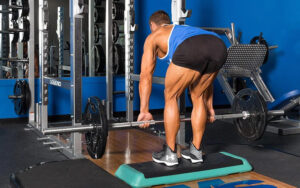
- Rounding your lower back during Romanian deadlifts transfers stress from hamstrings to spine dangerously
- Using momentum and swinging weights reduces muscle tension and increases injury risk significantly
- Neglecting eccentric phase by dropping weights quickly eliminates half the growth stimulus
- Training hamstrings only once weekly provides insufficient frequency for optimal development
- Ignoring unilateral work allows strength imbalances to persist and worsen over time
- Skipping warm-up sets increases injury likelihood especially with challenging hamstring exercises
- Progressing weight too aggressively before establishing proper movement patterns risks compensation and injury
Stretching and Mobility Work for Hamstring Health:
Hamstring exercises build strength, but complementary stretching maintains healthy muscle length and prevents the tightness that causes so many problems. I learned this lesson painfully after focusing exclusively on strengthening while ignoring flexibility work. My hamstrings grew stronger but simultaneously tighter, actually worsening my toe-touch ability and creating new discomfort.
Now I dedicate ten minutes after every lower body workout to hamstring stretching. Dynamic stretches before exercise prepare muscles for work ahead. Static stretches afterward, when muscles are warm and pliable, improve flexibility most effectively. This balanced approach builds hamstrings that are both strong and functional rather than just bulky and tight.
Effective Hamstring Stretching Techniques:
Standing hamstring stretches with one leg elevated on a bench provide controlled lengthening. I hold each stretch for thirty seconds, feeling gentle tension without pushing into pain. Seated forward folds stretch hamstrings while simultaneously addressing lower back tightness that often accompanies hamstring issues.
- Perform dynamic leg swings before hamstring exercises to prepare muscles actively
- Use yoga strap or towel for lying hamstring stretches that increase range safely
- Try pigeon pose for addressing hip flexors that influence hamstring function
- Incorporate foam rolling to release trigger points and adhesions limiting flexibility
- Hold static stretches thirty to sixty seconds without bouncing or forcing
- Stretch consistently several times weekly rather than sporadically
Nutrition Supporting Hamstring Exercises Recovery:
Proper nutrition accelerates recovery between hamstring exercises sessions and supports muscle development. Protein intake matters most—aim for point-seven to one gram per pound of bodyweight daily. I noticed recovery improved significantly when I increased protein from my previous inadequate intake. Muscle soreness decreased and strength gains came more consistently.
Carbohydrates replenish glycogen stores depleted during training, particularly important if you’re performing high-volume hamstring exercises. Healthy fats support hormone production necessary for muscle growth and recovery. Hydration affects everything from performance to recovery, yet most people chronically underdrink water throughout the day.
1. Pre-Workout Nutrition for Hamstring Training:
Eating balanced meals two to three hours before hamstring exercises provides energy without causing digestive discomfort. I prefer combining protein and complex carbohydrates—maybe chicken with rice or eggs with oatmeal. Light snacks thirty minutes before training work if you’re exercising early morning when full meals aren’t practical.
2. Post-Workout Recovery Nutrition:
Consuming protein within an hour after hamstring exercises maximizes muscle protein synthesis. I usually drink a protein shake immediately post-workout for convenience, then eat a proper meal later. The combination of quick-absorbing shake protein and slower-digesting whole food protein throughout the day supports optimal recovery.
Preventing Hamstring Injuries During Exercise:
Hamstring injuries range from minor strains to complete tears requiring surgery. Prevention beats treatment every single time. Proper warm-ups before hamstring exercises increase muscle temperature and prepare tissues for intense work. I spend five minutes doing light cardio then dynamic stretches targeting hamstrings specifically before every lower body session.
Listening to your body prevents many injuries that occur when we ignore warning signs. Sharp pain differs from normal muscle burn—stop immediately if something feels wrong. I’ve pushed through discomfort before and regretted it when minor issues became significant injuries requiring weeks of rest. Now I’m more cautious, backing off when my body signals genuine problems.
Recognizing Hamstring Strain Symptoms:
Sudden sharp pain during exercise suggests acute strain requiring immediate attention. Bruising, muscle weakness, and difficulty walking indicate potentially serious injury needing professional evaluation. I experienced a minor hamstring pull once from inadequate warm-up before sprinting. The pulling sensation was unmistakable and different from regular muscle fatigue.
- Stop activity immediately if you feel sharp, sudden hamstring pain during movement
- Apply ice for fifteen to twenty minutes several times daily during initial forty-eight hours
- Avoid stretching injured hamstring aggressively as this can worsen tissue damage
- Use compression wraps to control swelling and provide support during recovery
- Gradually reintroduce hamstring exercises starting with gentle movements and light resistance
- Consult sports medicine professional for injuries not improving within one week
Hamstring Exercises for Specific Athletic Goals:

Different sports and activities benefit from tailored hamstring exercises emphasizing relevant movement patterns. Sprinters need explosive hamstring power for acceleration and top-speed maintenance. I trained with a track athlete once who did exclusively fast, powerful hamstring exercises replicating sprint mechanics.
Powerlifters require tremendous hamstring strength for deadlifting variations. Their hamstring exercises emphasize heavy loading and hip extension patterns that directly transfer to competition lifts. Yoga practitioners need flexible hamstrings more than maximum strength, so their approach emphasizes lengthening under controlled tension.
1. Hamstring Exercises for Runners:
Runners experience frequent hamstring issues from repetitive strain and inadequate strength. Nordic curls prevent common running injuries by building eccentric hamstring strength that controls impact forces during landing. I’ve run casually for years and only started experiencing pain-free running after prioritizing hamstring exercises specifically.
2. Hamstring Exercises for Knee Pain Relief:
Knee pain often stems from hamstring weakness creating imbalanced forces across the joint. Strengthening hamstrings through terminal knee extension exercises and leg curls relieves pressure on knee structures. My occasional knee discomfort disappeared completely once my hamstrings developed adequate strength to share joint loads properly.
3. Hamstring Exercises for Lower Back Health:
Strong hamstrings support your pelvis properly, reducing excessive lumbar spine curvature that causes back pain. Romanian deadlifts and good mornings strengthen the posterior chain comprehensively. This was my primary motivation for starting hamstring exercises initially, and the back pain relief exceeded my expectations entirely.
Tracking Progress with Hamstring Exercises:
Objective progress tracking maintains motivation when subjective feelings fluctuate daily. I record every hamstring exercises session in my phone—exercises performed, weights used, repetitions completed. Reviewing this data monthly reveals progress that’s invisible week-to-week but significant over months.
Beyond tracking workout performance, monitoring functional improvements matters tremendously. Can you touch your toes now when you couldn’t before? Has your back pain decreased? Do stairs feel easier? These real-world improvements often matter more than gym performance numbers.
Measurable Hamstring Development Indicators
Taking photographs from consistent angles monthly documents visual changes that mirrors don’t reveal. Circumference measurements around your thigh track size increases from hamstring exercises. I measure monthly rather than weekly to avoid obsessing over tiny fluctuations.
Flexibility assessments like sit-and-reach tests quantify range of motion improvements. Athletic performance metrics like vertical jump height and sprint times show functional strength gains. I test my vertical jump quarterly, and it’s increased three inches since prioritizing hamstring exercises eighteen months ago.
Conclusion
Hamstring exercises transform your body’s foundation, eliminating pain, preventing injuries, and unlocking athletic potential you didn’t know existed. Consistent training with proper form, progressive overload, and adequate recovery builds hamstrings that support every movement you make. Start today with basic hamstring exercises and experience the difference strong, flexible hamstrings make in your life.
FAQs
How often should I perform hamstring exercises for optimal muscle development?
Two to three hamstring exercises sessions weekly provides adequate training stimulus while allowing necessary recovery time between workouts for most people’s strength goals.
Can hamstring exercises really eliminate chronic lower back pain?
Yes, strengthening hamstrings often reduces or eliminates back pain caused by muscular imbalances and poor posterior chain development affecting spinal positioning.
Which hamstring exercises work best for complete beginners?
Romanian deadlifts, glute bridges, and stability ball curls provide excellent starting points that teach proper movement patterns safely without requiring advanced technique.
How long until I notice results from consistent hamstring exercises?
Most people notice improved flexibility within two weeks and visible strength gains within four to six weeks of consistent hamstring exercises training.
Do I need gym equipment for effective hamstring exercises?
No, resistance bands, stability balls, and bodyweight exercises like Nordic curls provide effective hamstring training entirely at home without expensive equipment.
Summary
Hamstring exercises deserve priority in every fitness program for injury prevention, pain relief, and athletic performance enhancement. Whether you’re addressing existing problems or preventing future issues, strong hamstrings support better movement, reduced pain, and improved quality of life. Start incorporating these exercises today.