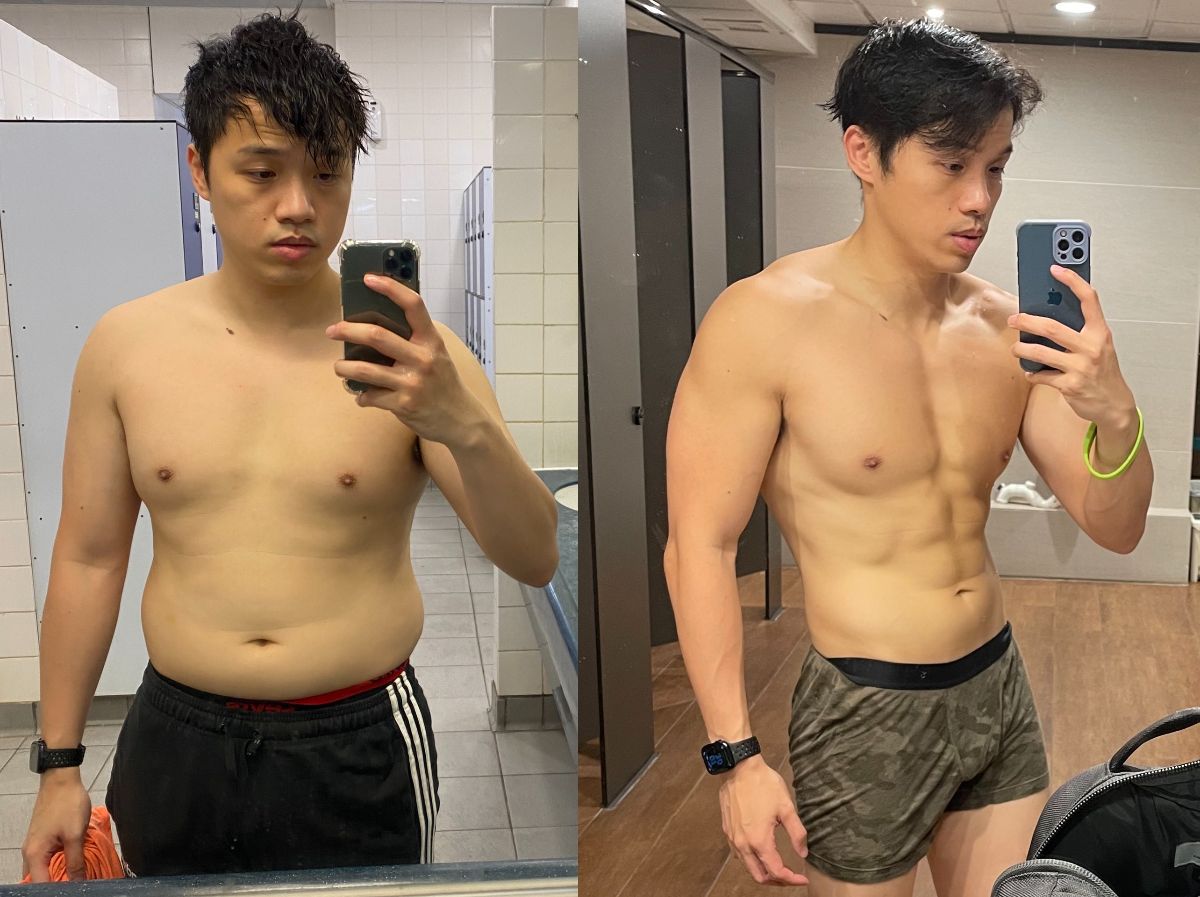
Three years back, I weighed 155 pounds at 5’10” and looked reasonably slim in clothes, but shirtless at the beach was a different story entirely. My stomach had this soft pouch, zero muscle definition anywhere, and I jiggled in places that shouldn’t jiggle. That’s when I learned the term “skinny fat” and realized I fit that description perfectly despite never being overweight.
Skinny fat strength training addresses the unique challenge of having low overall body weight but high body fat percentage with minimal muscle mass. You’re stuck in this frustrating middle ground where traditional weight loss advice doesn’t apply because you’re not overweight, yet you don’t look or feel athletic despite being thin. Building muscle through progressive resistance training while managing body composition becomes the solution, though the approach differs significantly from standard fitness advice given to either overweight people or natural athletes.
Stop running yourself into the ground hoping cardio will somehow create the body you want. Skinny fat strength training builds the muscle foundation you’re missing while simultaneously improving your metabolic health and body composition in ways endless treadmill sessions never will.
Why I Stayed Skinny Fat Despite Years of Exercise:

Looking back, I can see exactly where my approach went wrong for so long. I’d always focused on staying thin rather than building muscle, which meant tons of cardio and very minimal eating. My typical week included running four times, maybe some bodyweight exercises occasionally, and a diet that kept me perpetually in a caloric deficit because I was terrified of gaining any weight whatsoever.
This strategy kept me skinny but did absolutely nothing for the underlying problem—I had virtually no muscle mass to give my body any shape or definition. My body fat percentage was probably around 22 to 25 percent despite weighing so little, which explains why I looked soft and undefined. Without adequate muscle underneath, losing more weight would’ve just made me look sickly rather than athletic.
The turning point came when a trainer at my gym bluntly told me I needed to stop obsessing over the scale and start building actual muscle through proper skinny fat strength training. He explained that my fear of getting “bulky” from lifting weights was completely unfounded—I was so undermuscled that gaining 15 to 20 pounds of muscle would still leave me looking lean and athletic, just actually fit instead of just thin.
That conversation shifted my entire mindset from weight management to body composition improvement. I started following a structured skinny fat strength training program focused on compound movements with progressive overload. The first few months felt weird because the scale actually went up as I built muscle, but my body composition was clearly improving even though my weight increased from 155 to 165 pounds.
The Metabolic Nightmare of Being Skinny Fat:
Being skinny fat creates metabolic problems that most people don’t realize exist. Your body composition—high fat percentage with low muscle mass—means your resting metabolic rate is probably terrible compared to someone the same weight with more muscle. Muscle tissue burns calories even at rest, while fat tissue is metabolically inactive. Having so little muscle means your body burns fewer calories daily than it should for your size.
This metabolic disadvantage makes managing body composition incredibly frustrating without skinny fat strength training. You can’t eat very much without gaining fat because your metabolism is so slow. Trying to diet down reveals how little muscle you have underneath. It’s this terrible catch-22 where you’re trapped being perpetually hungry while still looking soft because you lack the muscle mass to support a higher caloric intake.
Skinny fat strength training breaks this cycle by building metabolically active muscle tissue that elevates your baseline calorie expenditure. As I added muscle over my first year of serious training, I could eat probably 400 to 500 more calories daily while maintaining or even improving my body composition. The muscle I built through skinny fat strength training literally fixed my broken metabolism.
1. Understanding Your Body Composition Reality:
Getting a proper body composition analysis was eye-opening and honestly pretty depressing initially. The scan showed I was 24 percent body fat at 155 pounds, meaning I had about 37 pounds of fat and only 118 pounds of lean mass including bones, organs, and muscle. For context, a reasonably fit male my height should be closer to 12 to 15 percent body fat with significantly more muscle mass.
Those numbers explained everything—why I looked soft despite being thin, why I had no strength or athletic ability, why my metabolism seemed so slow. Skinny fat strength training needed to add probably 20 to 25 pounds of muscle while reducing fat by 10 to 15 pounds to achieve the physique I wanted. That meant the scale would actually need to go up initially as muscle building outpaced fat loss.
2. The Psychological Challenge of Gaining Weight:
Accepting that effective skinny fat strength training might require gaining weight—even temporarily—was genuinely difficult psychologically. I’d spent my entire adult life proud of staying thin and terrified of getting fat. The idea of deliberately gaining 10 to 15 pounds, even as muscle, triggered all my anxieties about losing control of my weight.
My trainer helped me reframe this mentally by focusing on body composition metrics rather than scale weight. We tracked my body fat percentage, measurements, progress photos, and strength performance instead of obsessing over pounds. This shift let me embrace the muscle-building phase of skinny fat strength training without constant panic about the rising scale numbers.
3. Muscle Building as the Foundation:
Skinny fat strength training prioritizes building muscle as the primary goal, with fat loss being secondary or even intentional later. This approach feels backwards if you’re used to weight-loss-focused thinking, but it’s absolutely the right strategy. You need to build the muscle foundation first, which requires eating enough to support muscle growth, then you can cut fat later while preserving that hard-earned muscle.
I spent my first eight months in a slight caloric surplus, focusing entirely on progressive skinny fat strength training and maximizing muscle growth. My weight went from 155 to 172 pounds, which freaked me out initially, but my body composition was transforming. I was visibly more muscular in my arms, shoulders, and chest. My waist actually got slightly smaller despite gaining 17 pounds because the muscle I built improved my posture and core stability.
4. The Recomposition Alternative:
Some people pursue body recomposition—simultaneously building muscle and losing fat—rather than dedicated bulking and cutting phases. This approach works for skinny fat strength training but progresses more slowly than focusing on one goal at a time. You maintain calories around maintenance level, ensuring adequate protein, and let the progressive training drive gradual body composition improvements.
I tried recomposing briefly but found the progress frustratingly slow. Committing to a proper muscle-building phase with surplus calories accelerated my skinny fat strength training results significantly. I could add more weight to the bar each workout, recover better, and see visible muscle growth monthly rather than barely perceptible changes over many months.
Essential Skinny Fat Strength Training Exercises:

- Barbell squats build your entire lower body while creating massive metabolic demands that support fat loss
- Deadlifts develop your posterior chain comprehensively and add muscle to your back, glutes, and hamstrings
- Bench press or push-up variations build your chest, shoulders, and triceps for upper body development
- Overhead press strengthens shoulders and creates that athletic V-taper look skinny fat people lack
- Barbell or dumbbell rows balance your pushing movements and build upper back thickness
- Pull-ups or lat pulldowns create width in your back and develop your lats for improved physique
- Core work like planks and dead bugs builds the stability foundation supporting all other movements
Programming Your Skinny Fat Strength Training for Maximum Results:
Frequency matters enormously with skinny fat strength training—you need to hit each muscle group at least twice weekly for optimal growth. Training each body part only once weekly, like old-school bodybuilding splits, doesn’t provide enough stimulus frequency for beginners or intermediate lifters. I train using an upper/lower split four days weekly, hitting each muscle group twice with adequate recovery between sessions.
Progressive overload drives all strength and muscle gains from skinny fat strength training. You must consistently add weight, reps, or sets over time to force adaptation. I track every workout meticulously, ensuring I’m doing more this week than last week somehow. Even adding just one rep or five pounds to a lift represents progress that accumulates into significant changes over months.
The rep ranges I use for skinny fat strength training typically fall between 6 to 12 reps per set, which research shows optimally balances strength development and muscle growth. Some movements I go heavier (5 to 8 reps), others lighter (10 to 15 reps), but most working sets land in that moderate range where I’m challenging my muscles without compromising form.
1. Sample Weekly Skinny Fat Strength Training Split:
My current routine follows an upper/lower split with two days dedicated to each. Monday is lower body focused on squats and accessories. Tuesday hits the upper body with bench press and rowing variations. Thursday returns to the lower body emphasizing deadlifts. Friday finishes the week with the upper body focused on overhead pressing and pulling movements.
Each session lasts about 60 to 75 minutes including warm-up and cool-down. I’m not spending hours in the gym daily—just four focused skinny fat strength training sessions weekly with progressive intensity. The other three days I rest completely or do very light activities like walking. This balanced approach allows adequate recovery while providing enough training stimulus for consistent progress.
2. Progression Strategies That Actually Work:
Linear progression—adding small amounts of weight each session—works beautifully for beginners starting skinny fat strength training. I added five pounds to my squat every week for probably three months straight before that simple approach stopped working. Once linear gains stall, periodization strategies like alternating heavy, moderate, and light weeks keep progress coming.
Double progression works well too—once I can complete all prescribed sets and reps with good form, I add weight and work back up through the rep range. For example, if I’m doing 3 sets of 10 reps at 135 pounds and I hit all 30 total reps, next session I go to 140 pounds and might only get 8, 7, 7 reps. I work back up to 3 sets of 10 at that weight before adding more.
3. Deload Weeks for Recovery:
Every fourth or fifth week, I intentionally reduce volume and intensity about 40 percent to allow full recovery from accumulated fatigue. These deload weeks feel almost easy but serve crucial purposes—letting muscle damage heal, nervous system recovery, and preventing burnout. I always come back from deloads stronger than before, often hitting PRs the week after a deload.
I used to think deloads were for weak people until I experienced what happens without them. After about eight weeks of constant progressive skinny fat strength training, I’d inevitably hit a wall where everything felt heavy, my joints ached, and progress stalled. Incorporating planned deloads prevented these crashes and kept me progressing consistently long-term.
Nutrition Strategies for Skinny Fat Strength Training:

Protein intake absolutely makes or breaks your skinny fat strength training results. You need about 0.8 to 1 gram per pound of bodyweight daily to support muscle growth and recovery. At 170 pounds, I target roughly 150 to 170 grams of protein daily from chicken, fish, eggs, Greek yogurt, and protein powder when whole foods aren’t convenient.
Caloric intake depends on whether you’re prioritizing muscle building or fat loss during your skinny fat strength training phase. Building muscle requires a surplus—I ate about 300 calories above maintenance during my growth phase. Losing fat requires a deficit, though I keep mine modest (300 to 500 calories below maintenance) to preserve muscle while dropping fat.
Carbohydrates fuel your training performance and recovery. I eat most of my carbs around my workouts—before for energy and after for recovery. This nutrient timing probably makes a small difference, but total daily intake matters far more than perfect timing. I get roughly 250 to 300 grams of carbs daily during muscle-building phases.
1. Pre-Workout Nutrition for Better Performance:
Eating a balanced meal about 2 to 3 hours before skinny fat strength training provides steady energy without digestive discomfort. My typical pre-workout meal combines protein and carbs—maybe chicken and rice, or eggs with oatmeal. This fuels my training without leaving me feeling heavy or sluggish.
If I’m training early in the morning when full meals aren’t practical, I’ll have something lighter 30 to 45 minutes before—maybe a banana with protein powder, or toast with peanut butter. Even small amounts of food seem to improve my training performance compared to working out completely fasted.
2. Post-Workout Recovery Nutrition:
Getting protein within an hour or two after skinny fat strength training maximizes muscle protein synthesis. I usually drink a protein shake immediately after training for convenience, then eat a proper meal later. That combination of fast-digesting shake protein and slower whole food protein throughout the day supports optimal recovery.
Carbs post-workout replenish glycogen stores depleted during training. I’m not super strict about timing here—if I’m hungry after training, I eat; if not, I wait until my next scheduled meal. Consistency with total daily intake matters more than obsessing over precise timing windows.
Common Skinny Fat Strength Training Mistakes to Avoid:
Doing too much cardio alongside your skinny fat strength training sabotages muscle growth by burning calories you need for recovery and potentially interfering with strength adaptations. I dropped my cardio down to maybe 20 to 30 minutes of walking twice weekly during my muscle-building phase. Once I had more muscle base, I gradually added back some conditioning work.
Not eating enough is probably the single biggest mistake skinny fat people make with strength training. You’re so conditioned to restrict calories that you unconsciously undereat even when trying to build muscle. Track your intake honestly for a few weeks—you might be shocked how little you’re actually consuming relative to what your skinny fat strength training demands.
Chasing the pump and ignoring progressive overload wastes time on ineffective training. Yeah, getting a pump feels good and looks cool temporarily, but it doesn’t build muscle without progressive tension increases. I see skinny fat people doing the same weights for months, wondering why they’re not changing. Progressive skinny fat strength training means constantly challenging yourself with more resistance.
1. Program Hopping Prevents Progress:
Switching programs every few weeks prevents you from actually progressing on any particular routine. Skinny fat strength training requires consistency over months to see real changes. I stuck with my basic upper/lower split for over a year before making significant changes. That consistency let me progressively overload the key movements instead of constantly starting over with new exercises.
The temptation to try every new program or technique you see on social media is strong, but it destroys your results. Pick a solid skinny fat strength training program, commit to it for at least 12 weeks, and actually progress on the movements before declaring it doesn’t work.
2. Neglecting Recovery and Sleep:
Your muscles grow during recovery, not during training. The skinny fat strength training provides stimulus, but growth happens while resting. I prioritize 7 to 8 hours of sleep nightly because I’ve noticed my strength and recovery tank when sleep-deprived. Those late nights scrolling social media aren’t worth sacrificing the gains I’m working for.
Managing life stress also affects recovery from skinny fat strength training more than most people realize. High stress elevates cortisol, which interferes with muscle building and promotes fat storage. I can’t eliminate stress completely, but I try managing it through regular exercise, adequate sleep, and occasional breaks from intensity when life gets overwhelming.
Tracking Progress Beyond the Scale:
Body composition measurements provide way better feedback than scale weight for skinny fat strength training. I get scans every 8 to 12 weeks tracking my lean mass and body fat percentage separately. Watching lean mass increase while body fat decreases confirms my training is working even if scale weight barely changes.
Progress photos from consistent angles in similar lighting reveal visual changes the mirror doesn’t show you. I take photos monthly in the same spot, same time of day, same lighting. Comparing these over 6 to 12 months shows dramatic transformations that daily mirror checks completely miss because changes happen so gradually.
Strength progression indicates muscle building even when visual changes lag behind. My squat went from 95 pounds for shaky sets of 8 to 225 pounds for clean sets of 6 over my first year of skinny fat strength training. That strength increase absolutely correlates with muscle growth even before it was visually obvious.
Setting Realistic Expectations:
Building significant muscle takes years, not months. I gained maybe 8 to 10 pounds of muscle my first year of proper skinny fat strength training, which is actually excellent progress for a natural lifter. Year two I added another 5 to 6 pounds. Progress slows over time, which is normal—newbie gains don’t last forever.
Comparing yourself to enhanced athletes or genetic freaks just leads to disappointment and frustration. I set goals based on my own previous performance, trying to be slightly better than I was three months ago. That personal progression approach keeps me motivated instead of feeling inadequate chasing unrealistic standards.
Addressing Stubborn Fat Areas:
Lower belly fat and love handles tend to be the last places stubborn fat disappears during skinny fat strength training. These areas are unfortunately determined partly by genetics and hormone profiles. Building muscle throughout your body while gradually reducing overall body fat percentage eventually addresses these areas, though they require patience.
I still have some lower ab softness even after dropping from 24 percent to 14 percent body fat. Getting truly lean abs probably requires pushing down to 10 to 12 percent, which I’m working toward gradually. The key is continuing progressive skinny fat strength training while maintaining a modest caloric deficit until you reach your desired leanness.
Spot reduction doesn’t work—you can’t target fat loss from specific areas through exercise. Your body loses fat systemically based on genetics and hormones. All those targeted ab exercises won’t burn belly fat specifically, though they will strengthen your core muscles underneath. Focus on overall fat loss through diet and muscle building through skinny fat strength training rather than chasing spot reduction myths.
When to Cut vs. When to Build:
If you’re over 20 percent body fat (male) or 30 percent (female), starting with a fat loss phase makes sense before emphasizing muscle building in your skinny fat strength training. Getting leaner first improves insulin sensitivity and nutrient partitioning, making subsequent muscle-building phases more effective. I started at around 24 percent, so I spent my first 8 weeks in a moderate deficit dropping to about 20 percent before switching to muscle-building mode.
Once you’ve built a decent muscle base, strategic cutting phases reveal the physique you’ve developed. I bulked for 8 months, then cut for 3 months, and the muscle I’d built during the bulk created a dramatically different look once I leaned out. That muscle made all the difference between looking skinny fat and looking genuinely athletic.
Long-Term Skinny Fat Strength Training Lifestyle:
This isn’t a quick fix—skinny fat strength training becomes a lifestyle requiring years of consistent effort. I’m three years into this journey and still progressing toward my physique goals. The difference is now I actually look athletic and feel strong instead of just being thin and weak like before.
The good news is training becomes genuinely enjoyable once you’ve built some base strength and see results. I actually look forward to my workouts now instead of dreading them. Hitting new PRs, seeing muscle development, feeling capable in my body—these outcomes make skinny fat strength training intrinsically rewarding rather than just something I force myself through.
Building this foundation while you’re younger makes maintaining fitness so much easier as you age. The muscle I’m building now through skinny fat strength training will serve me for decades, keeping my metabolism elevated and protecting my long-term health. It’s an investment that pays dividends for life.
Conclusion
Skinny fat strength training transformed me from thin but weak and undefined to genuinely athletic with visible muscle development and functional strength. The journey required completely changing my mindset from weight management to body composition improvement, embracing muscle building despite initial weight gain, and committing to progressive training over years. Your skinny fat solution isn’t more cardio or eating less—it’s building muscle through intelligent strength training.
FAQs
How long until skinny fat strength training shows visible results?
Most people notice improved muscle tone within 8 to 12 weeks, with significant visible changes apparent after 6 months of consistent progressive training.
Should I cut or bulk first when starting skinny fat strength training?
If over 20 percent body fat, cut first. If leaner, focus on building muscle initially. Either way, prioritize progressive strength training throughout.
Can I do cardio while following skinny fat strength training programs?
Yes, but keep it moderate—maybe 2 to 3 sessions weekly of 20 to 30 minutes. Excessive cardio interferes with muscle building and recovery.
How much protein do I need for effective skinny fat strength training?
Target 0.8 to 1 gram per pound of bodyweight daily. For a 160-pound person, that’s roughly 130 to 160 grams of protein spread throughout the day.
Will skinny fat strength training make me bulky or too muscular?
No, building significant muscle takes years of dedicated effort. You’ll look athletic and defined, not bulky, especially as a natural lifter without performance enhancing drugs.
Summary
Skinny fat strength training solves the frustrating problem of being thin but soft through progressive resistance training that builds muscle while improving body composition. Focus on compound movements, adequate protein, modest caloric surplus during building phases, and patient consistency over years. Your transformation awaits through intelligent strength training, not endless cardio or starvation dieting.