My upper back and neck were constantly tight from desk work for years. Headaches almost daily, shoulders perpetually scrunched up to my ears. Started proper stretching of trapezius muscles every morning and evening consistently. Within two weeks the tension headaches stopped completely. The relief was honestly life-changing after suffering for so long unnecessarily.
Your trapezius muscles span from your neck down to your mid-back forming that diamond shape. Most people carry enormous tension here from stress, poor posture, and repetitive movements daily. Chronic tightness in these muscles causes headaches, neck pain, shoulder restrictions, and that constant feeling of carrying the world on your shoulders literally. Regular stretching of trapezius muscles releases this accumulated tension preventing pain and dysfunction.
Just ten minutes daily of targeted stretches transforms how your upper body feels. These seven techniques work when done correctly and consistently. Relief comes faster than most people expect from such simple movements honestly.
Why Your Trapezius Gets So Tight:

Modern life wreaks havoc on your trapezius through constant forward head posture. Looking down at phones and computers for hours daily overworks these muscles. They’re constantly fighting gravity trying to hold your head up. Proper stretching of trapezius muscles counteracts this chronic overuse preventing permanent dysfunction.
Stress manifests physically as elevated shoulders. Notice how you scrunch your shoulders when anxious or concentrating hard. This constant tension becomes your default position without you realizing it. Your trapezius stays contracted for hours creating chronic tightness and trigger points.
I carried ridiculous amounts of tension in my traps for years before addressing it. My shoulders were literally up by my ears constantly. The stretching of trapezius muscles combined with body awareness helped me recognize and release this habitual tension. Now I catch myself tensing up and can consciously relax.
The 7 Most Effective Stretching Techniques:
1. Upper Trap Stretch (Ear to Shoulder):
Sit or stand with good posture. Gently tilt your head bringing your right ear toward your right shoulder. Use your right hand to gently apply pressure on the left side of your head. Hold for 45 seconds feeling the stretch along the left side of your neck. This basic stretching of trapezius muscles works incredibly well despite being simple.
Don’t force the stretch aggressively. Gentle sustained pressure works better than yanking your head around. I used to pull too hard causing more tension. Once I relaxed into gentle stretches my traps actually released.
Keep your opposite shoulder down away from your ear during the stretch. The tendency is letting it creep up, reducing effectiveness. Actively depress that shoulder feeling a deeper stretch. This detail makes huge differences in how well the stretching of trapezius muscles works.
2. Levator Scapulae Stretch:
Turn your head 45 degrees to the right looking toward your armpit. Tilt your head down like you’re sniffing your armpit. Gently pull your head down with your right hand. Hold for 60 seconds then switch sides. This targets the upper trapezius and levator scapulae simultaneously.
This stretch feels weird initially but provides incredible relief. The angle specifically targets muscles that regular neck stretches miss. The stretching of trapezius muscles from this position releases tension causing most tension headaches.
I do this one multiple times daily especially after long computer sessions. Takes literally 30 seconds and prevents the buildup of tension. Consistency throughout the day matters more than one long stretching session.
3. Doorway Corner Stretch:
Stand in a doorway corner with forearms against each wall. Step forward with one foot until you feel a stretch across your chest and front of shoulders. Hold for 90 seconds breathing deeply. This indirectly helps by releasing tight chest muscles pulling your shoulders forward.
Tight pecs contribute to trapezius tension by pulling your shoulders into a rounded position. Your traps overwork trying to counteract this. The stretching of trapezius muscles works better when you also address the chest tightness contributing to the problem.
Don’t arch your lower back during this stretch. Keep your core engaged maintaining neutral spine position. The stretch should be in your chest and shoulders, not your lower back.
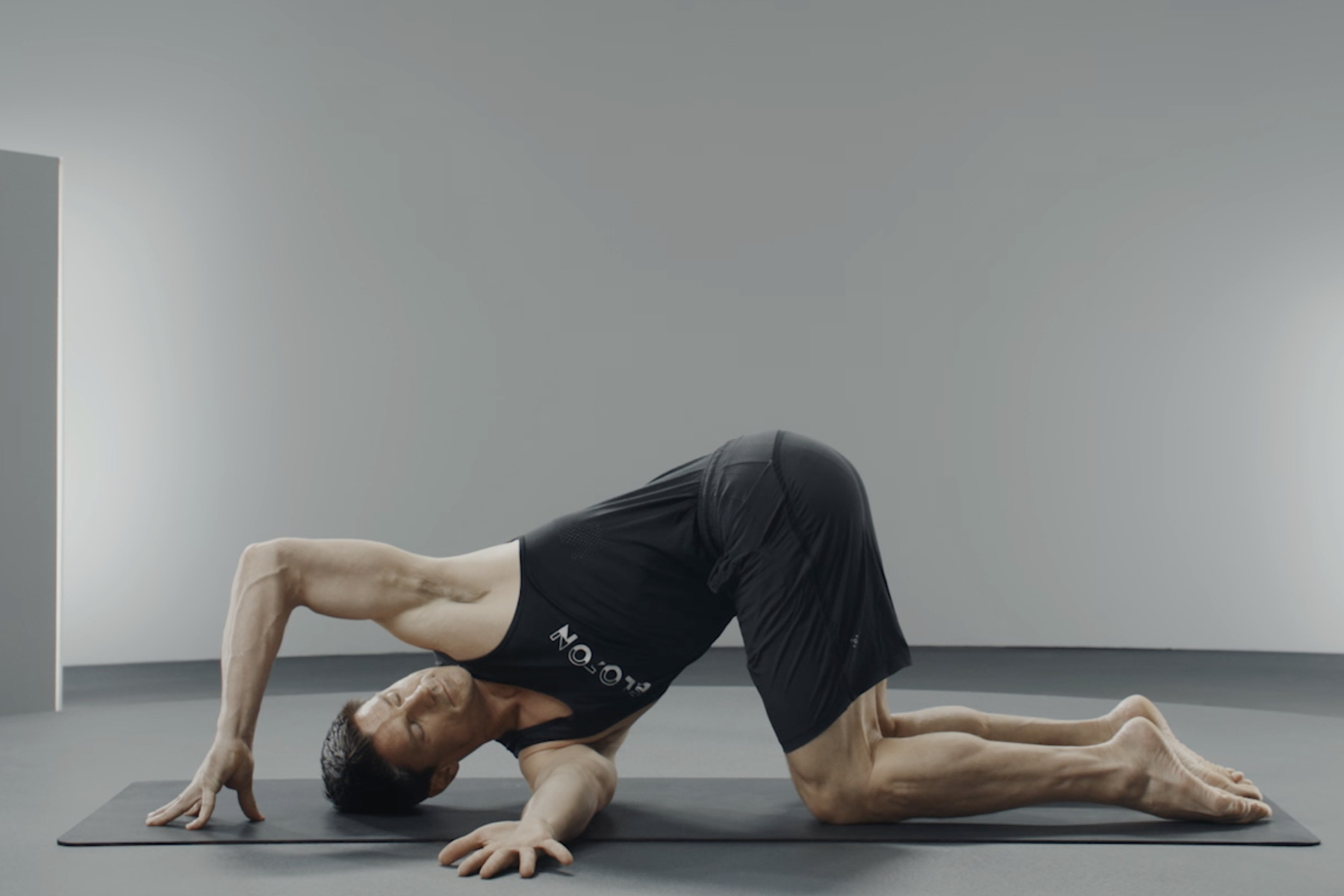
4. Thread the Needle:
Start on hands and knees. Reach your right arm under your body threading it through the space between your left hand and knee. Let your right shoulder and temple rest on the floor. Hold for 60 seconds then switch sides. This rotational stretching of trapezius muscles releases deep tension.
The twist component adds a dimension that static stretches can’t reach. I feel this deep in my upper back where tension hides. The stretching of trapezius muscles through rotation prevents compensatory tightness in surrounding areas.
Breathe deeply into the stretch. Each exhale allows you to sink slightly deeper into the position. Don’t force it aggressively. Let gravity and time do the work while you relax completely.
5. Seated Spinal Twist:
Sit with legs extended. Bend your right knee placing that foot outside your left thigh. Twist your torso to the right, hooking your left elbow outside your right knee. Hold for 60 seconds then switch sides. This full spine rotation includes stretching of trapezius muscles throughout their entire length.
The twist decompresses your spine while stretching your entire back. Upper, middle, and lower trapezius all get addressed. I notice immediate relief in my shoulders after holding this position properly.
Keep both sitting bones grounded throughout the twist. The tendency is lifting one side reducing the effectiveness. Stay grounded feeling the stretch radiate through your entire back and shoulders.
6. Child’s Pose Variation:
Kneel on the floor sitting back on your heels. Walk your hands forward extending your arms overhead. Let your forehead rest on the floor. Hold for 90-120 seconds breathing deeply. This gentle stretching of trapezius muscles provides relaxation and release simultaneously.
I do this stretch before bed every night. The combination of stretching and relaxation helps me sleep better. The stretching of trapezius muscles in this position releases the day’s accumulated tension completely.
Wider arm position targets different fibers. Experiment with arm placement finding what feels best. Sometimes I need my arms straight forward. Other times wider placement hits tight spots better.
7. Foam Roller Release:
Lie on your back with a foam roller perpendicular under your upper back. Cross your arms over your chest. Gently roll up and down massaging your trapezius and upper back. This isn’t stretching of trapezius muscles technically but releases trigger points preventing them from lengthening properly.
Tight knots in your traps prevent stretches from working fully. The roller breaks up these adhesions allowing better range of motion. I spend five minutes rolling before stretching. The combination works way better than stretching alone.
Don’t roll directly on your spine. Stay slightly off to each side targeting the trapezius muscles specifically. Rolling your spine feels weird and doesn’t help. Proper positioning targets the right tissues.
Daily Stretching Routine:
- Morning: Ear to shoulder stretch and Levator scapulae stretch taking 5 minutes after waking
- Mid-morning: Quick upper trap stretch at your desk during first break or coffee
- Lunch: Doorway stretch and Thread the needle for 5 minutes mid-day reset
- Afternoon: Seated twist between meetings or tasks preventing tension buildup throughout day
- Evening: Child’s pose and foam rolling for 10 minutes before bed winding down
- Post-workout: All stretching of trapezius muscles held 30-45 seconds after training sessions
- Minimum: At least two stretches held 60 seconds daily without exception ever
- Listen to your body adjusting which techniques you emphasize based on current tightness
Understanding Trapezius Anatomy:
Your trapezius has three distinct sections. Upper fibers elevate your shoulder blades. Middle fibers retract them. Lower fibers depress them. Each section gets tight from different activities requiring different stretching of trapezius muscles approaches.
Upper traps get the tightest from stress and forward head posture. This is where most people feel their tension. Middle traps tighten from rounded shoulders and poor sitting posture. Lower traps often weaken more than tighten, requiring strengthening alongside stretching.
I had massive upper trap tightness with weak lower traps. The imbalance caused chronic pain. Addressing both through targeted stretching of trapezius muscles and strengthening exercises fixed the problem completely.
1. The Postural Connection:
Your head position determines trapezius muscle activity. Forward head posture makes your traps work constantly fighting gravity. For every inch your head moves forward, your traps work exponentially harder. Proper stretching of trapezius muscles combined with postural awareness prevents chronic overuse.
I measured my head position using photos. My head was three inches forward of my shoulders. No wonder my traps were constantly tight. Correcting my posture reduced the workload allowing stretching of trapezius muscles to actually provide lasting relief.
2. Trigger Point Development:
Chronic tension creates trigger points in your trapezius. These are hyperirritable spots that refer to pain elsewhere. Upper trap trigger points cause headaches. Middle trap points cause shoulder blade pain. Understanding this helps you address the root cause through proper stretching of trapezius muscles.
I had a trigger point that caused headaches for years. Doctors couldn’t find the cause. The physical therapist identified it as trapezius referral. Specific stretching of trapezius muscles combined with trigger point release eliminated my chronic headaches completely.
3. The Breathing Connection:
Accessory breathing muscles include your upper trapezius. Chest breathing overuses these muscles creating chronic tightness. Proper diaphragmatic breathing reduces trapezius involvement. Learning to breathe correctly alongside stretching of trapezius muscles prevents the tension from returning.
I was a chronic chest breather without realizing it. This kept my traps constantly activated. Learning belly breathing relaxed my shoulders noticeably. The stretching of trapezius muscles became more effective once I fixed my breathing pattern.
Common Mistakes to Avoid:
- Forcing stretches aggressively causing muscle guarding instead of relaxation and release completely
- Holding breath during stretching of trapezius muscles reducing effectiveness by half at least
- Only stretching when pain is severe instead of maintaining daily preventive practice consistently
- Ignoring posture throughout the day undoing all the benefits from stretching sessions
- Comparing flexibility to others creating unrealistic expectations and unnecessary frustration always
- Expecting immediate permanent results rather than understanding this requires ongoing maintenance forever
Progressive Improvement:
Start with shorter holds if you’re extremely tight initially. Maybe 20-30 seconds per stretch building to 60-90 seconds gradually. Forcing long holds when you’re super tight just makes muscles tense more protectively.
I started barely tolerating 15 seconds per stretch. My traps were so tight it felt unbearable holding longer. Gradually increased duration as tension released. Now I can hold positions for several minutes comfortably. The stretching of trapezius muscles gets easier the more consistently you practice.
Track your progress by noting how positions feel week to week. What felt impossible last month might be comfortable now. I keep simple notes on my phone tracking my stretching of trapezius muscles practice and improvements.
1. Breathing Techniques:
Deep breathing enhances any stretch dramatically. Inhale slowly through your nose expanding your belly. Exhale slowly through your mouth allowing your body to relax deeper into the stretch. This breathing pattern during stretching of trapezius muscles produces better results than holding your breath.
I count breaths instead of seconds sometimes. Five deep breaths per stretch ensures I’m breathing properly while holding adequate duration. The combination of breath work and stretching of trapezius muscles creates profound relaxation.
2. Adding Gentle Movement:
Small movements within stretched positions can release tight spots static holds miss. Gently nod your head yes and no during neck stretches. This subtle movement during stretching of trapezius muscles finds and releases stubborn trigger points.
Don’t confuse this with aggressive bouncing. Tiny controlled movements exploring your range of motion work. Bouncing triggers protective tension defeating the purpose of the stretching of trapezius muscles completely.
3. Measuring Progress:
Take monthly photos in the same positions. Visual documentation reveals improvements you can’t feel daily. I look back at old photos shocked at how elevated my shoulders were. The gradual improvement from consistent stretching of trapezius muscles becomes obvious when comparing months apart.
Test your shoulder elevation by standing against a wall. Can both shoulder blades touch the wall comfortably? This benchmark shows upper back and trapezius flexibility. These markers improve measurably from dedicated stretching of trapezius muscles over time.
Integration with Strengthening:
Stretching alone creates flexible but potentially unstable shoulders. Combine stretching of trapezius muscles with exercises strengthening lower traps and serratus anterior. This balanced approach creates stable mobile shoulders instead of just loose ones.
I learned this lesson by getting shoulder impingement from weak lower traps. Had flexibility but not strength to control that range. Now I do prone Y raises and wall slides alongside my stretching of trapezius muscles routine. The combination prevents injuries.
Strong lower traps counterbalance tight upper traps. They work together maintaining proper shoulder blade position. Focusing only on stretching of trapezius muscles without strengthening antagonists leaves the imbalance partially addressed. Both components are necessary.
1. Exercise Selection:
Exercises that strengthen lower traps without overworking upper traps work best. Prone Y raises, scapular wall slides, and band pull-aparts all fit this criteria. Avoid exercises like shrugs that further tighten already overactive upper traps.
I do three sets of lower trap exercises most days. This strengthening paired with my stretching of trapezius muscles routine keeps everything balanced. My shoulders feel stable and strong instead of just flexible.
2. Posture Awareness:
Conscious posture throughout the day maintains benefits from stretching. Set hourly reminders checking your shoulder position. Are they creeping up toward your ears? Consciously relax them down. This awareness alongside stretching of trapezius muscles prevents tension from accumulating.
I use phone alarms every hour to check my posture. Takes five seconds but prevents hours of accumulated tension. The combination of stretching of trapezius muscles and postural awareness produces lasting results.
Desk Setup Optimization:
Your workspace setup dramatically affects trapezius tension. Monitor height, chair position, keyboard placement – all matter enormously. Proper ergonomics reduces the constant strain requiring less aggressive stretching of trapezius muscles to manage.
I raised my monitor to eye level and got an ergonomic chair. These changes reduced my trapezius tension by half. The stretching of trapezius muscles works better when you’re not constantly creating new tension through poor ergonomics.
Armrests supporting your elbows prevent shoulder elevation. Your arms weighing down without support makes your traps work constantly. This simple change made noticeable differences in my daily tension levels.
Stress Management Connection:
Physical tension and emotional stress feed each other. Tight trapezius makes you feel more stressed. Feeling stressed makes your trapezius tighter. Breaking this cycle requires both physical stretching of trapezius muscles and stress management techniques.
I notice my shoulders creeping up during stressful work periods. The stretching provides both physical and mental relief. The practice of stopping to stretch becomes a moment of mindfulness reducing overall stress levels.
Meditation or breathing exercises pair beautifully with stretching of trapezius muscles. The combination addresses both physical and mental components of chronic tension. I spend five minutes in a child’s pose focusing on breathing. Gets my body and mind both relaxed.
When to Seek Professional Help:
If stretching of trapezius muscles causes sharp pain instead of just discomfort, consult a professional. Some pain might indicate injury requiring different treatment than simple tightness. I’m not a medical professional just sharing what worked for me.
Physical therapists can assess your specific situation providing personalized guidance. They helped me understand my particular pattern of tightness and compensation. The few sessions I had were incredibly valuable for my recovery.
Persistent tension despite weeks of consistent stretching might indicate something beyond simple muscle tightness. Don’t ignore your body’s signals. Get professional evaluation if things aren’t improving after a month of dedicated stretching of trapezius muscles practice.
Long-Term Consistency:
Building sustainable habits matters more than intense short-term effort. I stretch my trapezius daily now without thinking about it. The habit formed through consistent practice over months. The stretching of trapezius muscles became as automatic as brushing my teeth.
Attach stretching to existing routines. I stretch after my morning coffee and before bed. These triggers ensure I never forget. The routine became automatic instead of requiring constant motivation.
Missing occasional days doesn’t ruin your progress. Life happens. Just resume your routine without guilt. I’ve missed plenty of days over the past two years. The overall consistency from regular stretching of trapezius muscles produces results despite imperfect adherence.
Conclusion
These seven methods for stretching of trapezius muscles address chronic upper back and neck tension when practiced consistently. Start with basic variations progressing gradually over weeks. Dedicate 10-15 minutes daily to trapezius stretching for optimal results. Combine stretching with lower trap strengthening for balanced shoulder function. Track progress noticing improvements over weeks and months. Your entire upper body functions better with healthy relaxed trapezius muscles.
FAQs
1. How long until stretching of trapezius muscles shows noticeable improvement?
Most people notice changes within 1-2 weeks of daily practice, significant tension reduction typically requires 4-8 weeks of consistency.
2. Should I stretch before or after workouts?
After workouts when muscles are warm, light dynamic stretching before training okay but save deep stretching of trapezius muscles afterward.
3. Can tight trapezius muscles really cause headaches?
Absolutely yes, upper trapezius trigger points are one of the most common causes of tension headaches in office workers.
4. How long should I hold each stretch position?
Beginners start with 20-30 seconds, work up to 60-90 seconds per stretch as tension releases over consistent weeks.
5. Is daily stretching of trapezius muscles necessary or excessive?
Daily practice is ideal for desk workers sitting hours daily, less sedentary people might maintain with 3-4 times weekly.
Summary
Seven essential methods for stretching of trapezius muscles target chronic upper back and neck tension when practiced consistently daily. Combine stretching with strengthening and postural awareness for optimal shoulder health. Start with modifications progressing to longer holds gradually. Benefits include reduced headaches, better posture, and eliminated chronic tension completely.