
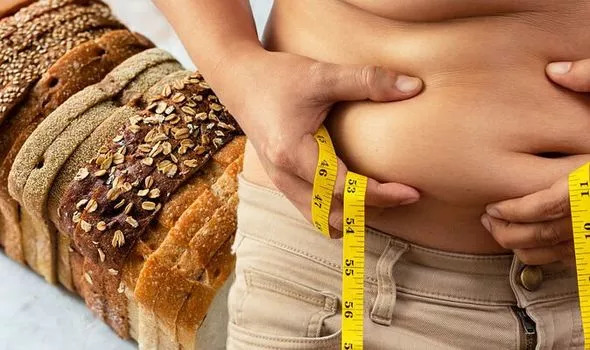
I switched from white bread to whole wheat thinking I’d lose weight automatically. Ate it with every meal for three months straight. I actually gained five pounds somehow. Turns out I was eating way too much and whole wheat bread isn’t the magic solution I thought it was.
Whole wheat bread gets marketed as the ultimate health food for fat loss. Walk into any grocery store and the packaging screams about fiber and whole grains helping you lose weight. But the relationship between whole wheat bread fat loss and reality is way more complicated than advertisers want you to believe. Some people successfully lose weight eating it daily. Others gain weight despite choosing whole wheat over white bread. The difference comes down to portion sizes, overall diet quality, and individual metabolism factors.
Understanding these seven truths helps you decide whether whole wheat bread fits your fat loss goals or sabotages them completely.
Why Bread Confuses Everyone:

Carbs got demonized so hard over the past decade. Low-carb diets, keto, paleo – everyone’s avoiding bread like it’s poison. Meanwhile other people eat bread daily and stay lean easily. The confusion around whole wheat bread fat loss stems from conflicting information and individual differences in how bodies process carbohydrates.
Your body needs carbohydrates for energy and brain function. Completely eliminating them isn’t necessary or sustainable for most people long-term. The quality and quantity of carbs matters way more than avoiding them entirely. Whole wheat bread provides better nutrition than white bread but that doesn’t automatically equal fat loss.
The 7 Truths You Need to Know:
1. Whole Wheat Bread Still Contains Significant Calories:
Two slices of whole wheat bread pack around 160-200 calories depending on the brand. Those calories count toward your daily total regardless of the fiber content. I was eating 4-6 slices daily thinking it was healthy. That’s 400-600 calories from bread alone before adding anything on top.
The fiber and nutrients don’t negate the calorie content. Your body stores excess calories as fat whether they come from whole wheat bread or junk food. Whole wheat bread fat loss only happens when your total calorie intake stays below what you burn. The bread itself doesn’t cause weight loss magically.
Many people eat whole wheat bread and add butter, mayo, cheese, or other high-calorie toppings. A healthy sandwich can easily hit 600-800 calories. Nothing wrong with that if it fits your calorie budget. But mindlessly eating it thinking it’s a free food sabotages fat loss completely.
2. Individual Insulin Response Varies Dramatically:
Some people’s blood sugar spikes hard after eating bread. Others have minimal response. This insulin sensitivity difference affects how your body handles carbs and stores fat. I discovered through tracking that bread makes me hungrier within two hours. My friend eats it and stays satisfied for hours.
If bread triggers increased hunger and cravings for you, whole wheat bread fat loss becomes much harder to achieve. You end up eating more overall throughout the day. Some people do better with lower carb approaches while others thrive eating carbs regularly including bread.
Testing your personal response is crucial. Eat whole wheat bread and track your hunger levels for the next few hours. Does it keep you satisfied or leave you searching for more food quickly? This individual response determines whether bread helps or hurts your fat loss efforts.
3. Not All Whole Wheat Bread Is Actually Whole Wheat:
Food manufacturers are sneaky with labeling honestly. “Whole grain” doesn’t necessarily mean 100% whole wheat. Some breads contain mostly refined flour with a bit of whole wheat for marketing purposes. Check the ingredients list – whole wheat flour should be the first ingredient listed.
Many commercial whole wheat breads include added sugars, high fructose corn syrup, or other unnecessary ingredients. These additions increase calories and reduce the nutritional quality. Reading labels carefully separates truly beneficial bread from glorified white bread dyed brown.
I thought all whole wheat bread was created equal. I discovered my “healthy” bread contained corn syrup and barely any actual whole wheat. Switched to a brand with simple ingredients and noticed better satiety. The quality of your bread affects whole wheat bread fat loss success significantly.
4. Portion Control Matters More Than Bread Type:
Eating six slices of whole wheat bread daily provides more calories than two slices of white bread. The math is simple but people ignore it choosing “healthy” options. I see people eating massive sandwiches thinking the whole wheat makes it fine. Portions still matter regardless of food quality.
Whole wheat bread fat loss requires controlling portions just like any other food. Measure your servings initially because bread slices vary in size. Some artisan whole wheat bread slices are nearly double the size of standard sandwich bread. That’s double the calories too.
I started weighing my bread realizing I was eating way more than I thought. Thick slices from the bakery were 100 calories each instead of the 80 I assumed. Those extra 20 calories per slice added up to 120 extra calories daily. Over a month that’s nearly a pound of potential fat gain.
5. Timing Carbs Around Activity Helps:
Eating whole wheat bread around workouts uses those carbs for energy instead of storage. Pre-workout bread provides fuel for training. Post-workout bread replenishes glycogen stores. Both scenarios make whole wheat bread fat loss more likely than eating bread before sitting on the couch for hours.
Your muscles are insulin-sensitive after exercise making them preferentially absorb carbs. This timing means less likelihood of fat storage from those carbs. I moved my bread consumption to breakfast before morning workouts and post-workout meals. Body composition improved without changing total calories.
Sedentary people might do better limiting bread and carbs generally. Active people training regularly can handle more carbs including whole wheat bread without negatively impacting fat loss. Match your carb intake to your activity level for best results.
6. Fiber Content Provides Real Benefits:
Whole wheat bread contains significantly more fiber than white bread. This fiber slows digestion keeping you fuller longer. The satiety benefit helps whole wheat bread fat loss by reducing overall calorie intake throughout the day naturally.
Fiber also feeds beneficial gut bacteria improving digestion and metabolism. Better gut health correlates with easier fat loss and weight maintenance. These benefits are real but don’t override excessive calorie intake from eating too much bread.
I noticed better digestion and less bloating after switching to quality whole wheat bread. The fiber definitely helped my gut health. But I still had to watch portions to actually lose fat. Fiber helps but isn’t magic that cancels out calories completely.
7. It’s Not Essential for Fat Loss:
Many successful fat loss stories never include bread at all. You absolutely can lose weight without eating any bread whatsoever. Whole wheat bread fat loss is one approach but not the only or necessarily best approach for everyone personally.
Some people find eliminating bread completely makes fat loss easier. Fewer decisions about portions, no temptation to overeat it, and natural calorie reduction. I experimented going bread-free for a month. I lost fat just fine and didn’t miss it as much as expected.
If you love bread and can control portions, include it. If bread triggers overeating or makes you feel sluggish, skip it. Personal preference and individual response should guide your decision. There’s no universal rule that bread must be included for successful fat loss.
Practical Implementation Strategy:
- Track calories honestly including all bread consumed daily without underestimating portions
- Weigh bread slices initially to understand actual portion sizes accurately
- Choose bread with whole wheat flour as first ingredient and minimal added sugars
- Limit bread to 2-3 slices daily maximum if actively pursuing fat loss goals
- Time bread consumption around workouts for better utilization of those carbs
- Monitor hunger and energy levels after eating bread noting individual responses
- Consider whole wheat bread fat loss as part of overall diet not isolated solution
Creating Calorie Deficit:

Whole wheat bread fat loss only happens within a calorie deficit. You must burn more calories than you consume regardless of food choices. Bread can fit into that deficit but doesn’t create it automatically. I learned this expensive lesson of gaining weight by eating “healthy” whole wheat bread in excess.
Calculate your maintenance calories using online calculators or tracking apps. Subtract 300-500 calories for sustainable fat loss. Decide how many of those calories you want to allocate to bread. Maybe that’s two slices daily, maybe it’s none. Either works if total calories stay in deficit.
Don’t waste calories on mediocre bread you don’t even enjoy. If you’re spending 160 calories on bread, make sure it’s delicious bread you actually want. I used to eat cardboard-tasting bread thinking I should. Now I buy quality bread I genuinely enjoy and account for those calories properly.
1. Protein and Satiety:
Pair whole wheat bread with protein sources for better satiety. Bread with turkey, eggs, or nut butter keeps you fuller than bread alone. This combination approach makes whole wheat bread fat loss more achievable by reducing overall hunger.
I make open-faced sandwiches using one slice instead of two. Top it with significant protein like chicken or eggs. Get the bread taste I want with half the calories and way better satiety. Small changes like this accumulate into significant calorie savings.
2. Meal Planning:
Plan when you’ll eat bread rather than randomly grabbing it. Morning toast with breakfast, lunch sandwich, or post-workout – pick your preferred times. This intentional approach prevents mindlessly eating bread throughout the day exceeding your calorie budget.
I designate bread for breakfast only. Two slices with eggs and avocado. That’s my bread for the entire day. Having this structure prevents impulsive extra slices that sabotaged previous whole wheat bread fat loss attempts.
3. Alternative Options:
Explore lower-calorie bread alternatives if you want to eat more volume. Some brands make 40-calorie slices instead of 80-100 calories. Lettuce wraps, portobello mushroom caps, or collard greens replace bread entirely for sandwiches. These alternatives help when you want the sandwich experience without as many calories.
I use lettuce wraps for lunch, saving 160 calories. Then enjoy real bread at breakfast when I want it most. Finding creative alternatives lets you reduce bread calories while still enjoying foods you love.
Common Mistakes People Make:
Assuming whole wheat automatically means low calorie or unlimited eating. The health halo around whole wheat bread makes people ignore portion sizes completely. I definitely fell into this trap initially thinking I could eat as much as I wanted.
Eating bread products marketed as healthy without reading nutrition labels carefully. Some whole wheat bread contains 120 calories per slice versus 80 for standard bread. That 40-calorie difference matters when eating multiple slices daily. Always read labels rather than trusting front-of-package marketing claims.
Not tracking bread calories because it seems insignificant individually. Those 80-100 calories per slice add up quickly across multiple slices. Six slices weekly equals 480-600 calories. Over a month that’s nearly 2000 calories potentially causing fat gain. Whole wheat bread fat loss requires accountability for every slice.
1. Ignoring Toppings:
The bread itself might be reasonable but the toppings tank your diet. Mayo, butter, cheese, and spreads add significant calories. I used to load sandwiches with mayo and cheese. The bread wasn’t the problem – the 400 calories of toppings were.
Measure condiments and toppings just like the bread itself. Those tablespoons of mayo add 100 calories easily. Mustard, hot sauce, or vinegar add flavor with minimal calories. Choose toppings that support your goals rather than sabotaging whole wheat bread fat loss efforts.
2. Believing Marketing Hype:
Food companies want you buying their products. They emphasize any potentially positive aspect while downplaying negatives. “Made with whole grains” might mean 10% whole wheat and 90% refined flour. Don’t believe packaging claims without verifying ingredient lists and nutrition facts.
I bought expensive “healthy” bread because the package looked wholesome. Turns out it was nutritionally identical to cheap white bread with brown coloring. Marketing worked on me until I started actually reading labels. Trust ingredients and nutrition facts, not marketing buzzwords.
Individual Metabolism Factors:
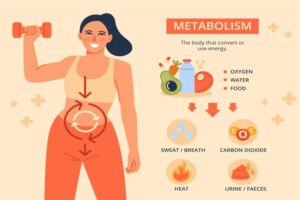
Your metabolism, insulin sensitivity, and gut bacteria all influence how you process bread. Some people’s bodies handle carbs efficiently. Others struggle with even small amounts. This isn’t about willpower or discipline but actual physiological differences affecting whole wheat bread fat loss.
I have friends who eat bread daily and stay lean effortlessly. Their bodies process carbs well. My metabolism is more sensitive, requiring careful carb management. Neither approach is better or worse – just different. Understanding your individual response guides your optimal strategy.
Genetics play a role in carbohydrate tolerance. Some populations evolved eating high-carb diets developing efficient carb metabolism. Others evolved on lower-carb diets and struggled with large carb loads. Your ancestry and genetics influence how bread affects your fat loss.
1. Gut Health Connection:
Your gut bacteria influence how you extract calories from food. Some bacterial profiles extract more calories from the same foods. Improving gut health through fiber, fermented foods, and a diverse diet helps overall metabolism. The fiber in whole wheat bread supports beneficial gut bacteria.
I added probiotics and fermented foods alongside eating whole wheat bread. My digestion improved and fat loss became easier. Gut health matters for whole wheat bread fat loss success. You can’t control genetics but you can optimize gut bacteria.
2. Metabolic Adaptation:
Long-term dieting slows metabolism through adaptation. Your body becomes efficient with fewer calories. This makes continued fat loss harder over time. Periodic diet breaks or refeeds help reset metabolism partially. Including carbs like whole wheat bread during refeeds can actually support continued fat loss.
I take two-week diet breaks every 12 weeks eating maintenance calories. Include bread and other carbs freely during these breaks. Metabolism rebounds and fat loss continues afterward better than dieting continuously. Strategic use of whole wheat bread during breaks supports long-term success.
Combining with Exercise:
Exercise increases your calorie burn creating more room for foods like bread. If you’re sedentary, bread takes up a larger percentage of your calorie budget. Active people can include bread more easily within their nutrition plan.
I train four days a week, burning an extra 400-500 calories per session. This allows me to eat bread without impacting whole wheat bread fat loss. The exercise creates deficit rather than food restriction alone. Finding this balance makes sustainable fat loss possible long-term.
Strength training builds muscle which increases resting metabolism. More muscle means you burn more calories at rest. This metabolic increase allows eating more overall including carbs like bread. Focus on building muscle alongside fat loss for better body composition.
1. Nutrient Timing:
Eating carbs like whole wheat bread pre-workout provides energy for training. Post-workout carbs replenish glycogen and support recovery. This strategic timing maximizes the benefits while minimizing fat storage risk. I eat most carbs surrounding training for optimal body composition.
2. Activity Level Matching:
Sedentary office workers need fewer total calories and carbs than construction workers or athletes. Match your bread intake to your activity level. Maybe that’s zero slices, maybe it’s six. Your daily movement and exercise dictate what’s appropriate for whole wheat bread fat loss.
Long-Term Sustainability:
Extreme restriction never works long-term. If you love bread and eliminate it completely, you’ll eventually binge on it. Including moderate amounts of whole wheat bread fat loss attempts are more sustainable than total restriction.
I tried going no-carb for months. I lost fat initially but felt miserable and obsessed about bread constantly. Eventually I binged eating half a loaf in one sitting. Now I include bread in controlled amounts staying sane and making progress. Sustainability matters more than temporary perfection.
Find your personal balance allowing both progress and enjoyment. Life’s too short being miserable about food. If bread makes you happy, include it reasonably within your calorie goals. If you don’t care about it, skip it completely. Either approach works when implemented consistently.
Conclusion
Whole wheat bread fat loss is possible but not automatic. Calories still matter regardless of choosing whole wheat over white bread. Individual responses vary based on metabolism and insulin sensitivity. Control portions carefully and track total daily calories. Pair bread with protein for better satiety. Consider timing around workouts for optimal utilization. Find your personal balance supporting both progress and sustainability.
FAQs
1. Does whole wheat bread cause fat loss or just prevent gain?
Neither automatically, it’s a food with calories that fits into fat loss diets when portions are controlled appropriately.
2. How many slices of whole wheat bread for fat loss daily?
Depends on total calories, activity level, and individual response, typically 1-3 slices maximum for active fat loss phases.
3. Is whole wheat bread better than white bread for losing fat?
Marginally due to higher fiber content providing better satiety, but calorie content is similar requiring portion control regardless.
4. Can I eat whole wheat bread every day and lose weight?
Yes if total daily calories remain in deficit, the bread itself doesn’t prevent fat loss when managed properly.
5. Should I eliminate bread completely for faster fat loss?
Not necessary unless bread triggers overeating, elimination helps some people but isn’t required for successful fat loss.
Summary
Whole wheat bread fat loss requires understanding seven key truths about calories, portions, individual response, and overall diet quality. Bread isn’t magic for fat loss nor does it prevent it automatically. Control portions, track calories, and assess your personal response. Combine bread with protein, time around activity, and maintain overall calorie deficit. A sustainable approach beats temporary restriction.