
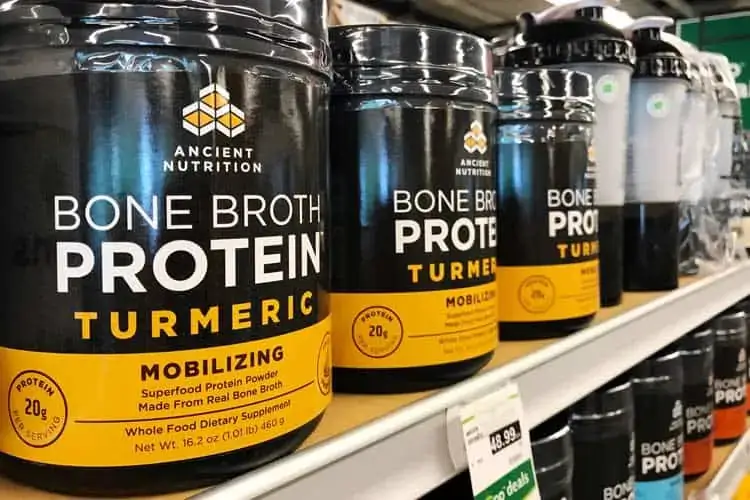
I started using bone broth protein powder two years ago after a knee injury left me looking for something that might support joint recovery alongside my physical therapy sessions without adding another complicated supplement protocol to an already demanding recovery schedule. My sports medicine doctor mentioned collagen supporting connective tissue repair and when I started researching practical ways to increase collagen precursor intake bone broth protein kept appearing as the most food-based and straightforward option available. Three months in my joints genuinely felt different during training and while I cannot attribute that entirely to one supplement the timing made bone broth protein a permanent part of my daily routine.
Bone broth protein powder sits in a genuinely interesting nutritional space between traditional protein supplements and functional food products and most people who encounter it either dismiss it as an expensive trend or embrace it without fully understanding what makes it different from the whey or plant proteins already sitting in their kitchen cupboard. What bone broth protein actually offers is a unique amino acid profile rich in collagen precursors that conventional protein powders do not deliver in meaningful amounts regardless of their quality or price point. Understanding what bone broth collagen protein genuinely does well and where it falls short compared to other options helps you make an intelligent decision about whether it belongs in your supplement routine.
This incredible bone broth protein powder nourishes your joints, builds real muscle, and gives your body deeply powerful daily nutrition.
Bone Broth Protein Powder and What It Actually Is:
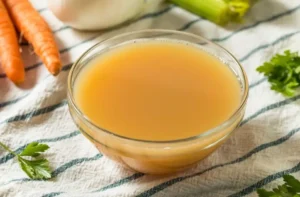
Bone broth collagen protein is made by slowly simmering animal bones and connective tissue for extended periods to extract the collagen, gelatin, and other compounds naturally present in those structural tissues before concentrating and drying the resulting liquid into a convenient powder form.
The final product delivers a protein source with an amino acid profile dominated by glycine, proline, and hydroxyproline which are the specific amino acids that form the collagen structure found throughout connective tissues, skin, gut lining, and joints in the human body. This amino acid composition is what fundamentally distinguishes bone broth protein powder from whey, casein, and plant proteins that deliver different amino acid ratios better suited to different physiological purposes.
Bone Broth Protein Powder and How It Works:
The body uses the amino acids from bone broth collagen protein as raw material for synthesizing its own collagen throughout the connective tissues that require continuous maintenance and repair as part of normal biological function across every stage of adult life.
Consuming bone broth protein powder alongside vitamin C which supports the enzymatic processes involved in collagen synthesis gives the body both the amino acid building blocks and the cofactor support needed to make genuine use of the collagen precursors that the protein powder delivers. This combination matters practically because consuming bone broth protein without adequate vitamin C intake limits how effectively the body can convert those amino acids into functional collagen tissue regardless of how much protein powder you consume daily.
Bone Broth Protein Powder and the Joint Health Connection:

Joint cartilage, tendons, and ligaments are composed primarily of collagen and these tissues have limited blood supply that makes their repair and maintenance slower and more nutrient dependent than the muscle tissue that most protein supplementation conversations focus on in fitness and sports nutrition contexts.
Bone broth protein powder provides the specific collagen precursor amino acids that these connective tissues require for maintenance and repair in concentrations that ordinary dietary protein sources and conventional protein supplements do not naturally deliver making it genuinely useful for people whose joints, tendons, or ligaments are under significant regular physical stress from training, occupation, or age related wear that accumulates over years of active daily living.
Glycine Content Significance:
Glycine represents approximately one third of the amino acids in collagen and bone broth collagen protein delivers this amino acid in concentrations considerably higher than whey, casein, or most plant proteins provide per serving. The significance of glycine extends beyond collagen synthesis into sleep quality support, creatine synthesis, and glutathione production suggesting that the benefits of adequate glycine intake from bone broth protein powder may extend meaningfully beyond joint health alone into other aspects of daily physiological function that most supplement conversations overlook when discussing this product category.
Proline and Hydroxyproline:
Proline and hydroxyproline are the amino acids that give collagen its distinctive structural stability and are present in bone broth collagen protein at levels that reflect the collagen-rich source material used during the slow extraction process. These amino acids are conditionally essential meaning the body can produce them but may not do so in sufficient quantities under high stress conditions like intense athletic training, recovery from injury, surgical healing, or the gradual collagen depletion that accompanies normal aging in ways that make dietary supplementation through bone broth protein powder genuinely relevant for specific populations.
Gut Lining Support:
The gut lining contains significant collagen in its structural matrix and the glycine and gelatin compounds in bone broth collagen protein have been associated with gut lining integrity support in ways that make this protein source particularly interesting for people managing digestive health concerns alongside their athletic or general wellness goals. Traditional bone broth has been used across many cultures as a digestive support food for centuries and the protein powder form delivers the relevant compounds in a concentrated and convenient format that fits modern daily routines considerably more easily than making and consuming traditional liquid broth regularly.
Bone Broth Protein Powder Comparison Table:
| Protein Type | Protein Per Serving | Collagen Amino Acids | Muscle Building | Joint Support | Best Use |
| Bone broth protein | 20 to 25g | Very high | Moderate | Excellent | Joint gut skin health |
| Whey concentrate | 24 to 28g | Very low | Excellent | Poor | Post workout muscle |
| Whey isolate | 25 to 30g | Very low | Excellent | Poor | Lean muscle building |
| Casein protein | 24 to 28g | Very low | Good | Poor | Overnight recovery |
| Collagen peptides | 10 to 18g | Very high | Poor | Very good | Skin joint support |
| Plant protein blend | 20 to 25g | Low | Good | Poor | Vegan muscle support |
Bone Broth Protein Powder Practical Strategies:
These five practical approaches help you get genuine daily value from bone broth collagen protein rather than using it occasionally without the consistency that produces meaningful results over weeks and months of regular supplementation
- Take bone broth collagen protein alongside a vitamin C source like orange juice, berries, or a vitamin C supplement because collagen synthesis requires vitamin C as an enzymatic cofactor and consuming the protein without this support limits how effectively your body converts those amino acids into functional collagen tissue
- Add bone broth protein powder to warm savory applications like soups, stews, and sauces because its naturally savory flavor profile suits these applications considerably better than the sweet smoothie context where most protein powders are consumed and where bone broth flavor competes awkwardly with fruit and sweetener combinations
- Use bone broth collagen protein consistently for at least eight to twelve weeks before evaluating its effect on joint comfort and recovery because collagen synthesis and turnover in connective tissues is considerably slower than muscle protein synthesis making shorter evaluation windows genuinely insufficient for assessing whether the supplement is producing meaningful tissue level changes
- Consider combining bone broth protein powder with your existing whey protein rather than replacing it entirely because the complementary amino acid profiles of these two protein sources together cover both the muscle building amino acids that whey delivers effectively and the collagen precursors that bone broth provides in ways that neither protein covers adequately on its own
- Choose bone broth collagen protein products that specify the source animal and whether the animals were pasture raised or grass fed because the quality of the source material influences the nutrient profile of the final product and transparent sourcing information indicates a manufacturer willing to stand behind their production practices with verifiable information
Bone Broth Protein Powder and Who Benefits Most:
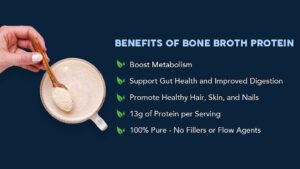
Some folks grab protein powder without needing what bone broth brings – clarity on who gains the most shapes smarter picks. Those zeroing in on joints, digestion, or glowing skin might notice a difference here instead of elsewhere. Folks eating paleo, avoiding dairy, or chasing extra collagen tend to land here after trying other paths first. Recovery-focused athletes, plus anyone sidestepping common food triggers, sometimes see better results than expected. Matching your body’s requests, meals, and effort levels reveals if this option pulls ahead – or just blends in.
Athletes with significant joint stress from high training volumes, people recovering from connective tissue injuries or surgical procedures, older adults experiencing age-related joint discomfort and skin changes, people managing gut health concerns alongside their nutrition goals, and anyone who simply wants to increase their collagen precursor intake through a convenient food-based source all represent groups with genuine reasons to consider bone broth protein powder as a meaningful addition to their supplement approach.
Bone Broth Protein Powder and Muscle Building Limitations:
Being honest about what bone broth collagen protein does not do well matters as much as understanding what it does well and the most significant limitation from a conventional fitness supplementation standpoint is its relatively low leucine content that makes it a poor choice as a primary post-workout protein for people whose main goal is maximizing muscle protein synthesis after resistance training sessions.
Leucine acts as the primary molecular trigger for muscle protein synthesis and bone broth protein’s collagen-heavy amino acid profile delivers this critical amino acid in concentrations considerably below what whey protein provides per equivalent serving making it genuinely less effective as a standalone muscle building protein regardless of total protein content per scoop. This does not make bone broth protein powder a bad supplement, it makes it a different supplement that serves different physiological purposes than the muscle building proteins it often sits beside on supplement store shelves competing for buyer attention and supplement budget allocation.
Bone Broth Protein Powder and Flavor Reality:
Most folks anticipate something sweet when they reach for protein powder. Yet bone broth variety leans more toward rich, earthy notes – like sipping warm stock from simmered bones. Because it stems directly from whole ingredients, it skips the lab-made additives found in many alternatives. While typical blends depend on extra flavors to mask blandness, this one shows up as-is. Its depth fits better stirred into stews than blended with fruit and milk. Some find the shift odd at first; others start building dishes around its warmth. Once you treat it like an ingredient instead of a supplement, uses unfold quietly – in risottos, gravies, even scrambled eggs. The experience shifts once taste isn’t fought but followed.
This natural flavor profile is not a flaw but rather an honest reflection of what bone broth protein actually is and learning to use it in applications where savory flavor belongs produces a far more pleasant experience than forcing it into sweet contexts where the flavor mismatch creates something genuinely difficult to drink consistently. Unflavored bone broth protein powder dissolves well into warm liquids and blends effectively into savory cooking applications giving it practical versatility that its flavor profile genuinely suits in ways that rewarding experimentation across different meal contexts reveals.
Conclusion
Bone broth protein powder occupies a genuinely useful nutritional niche for people whose goals include joint support, gut health, skin health, or collagen precursor intake alongside or instead of the muscle building focus that dominates conventional protein supplementation conversations.
It works best when used consistently over meaningful timeframes, combined with vitamin C to support collagen synthesis, incorporated into savory applications where its natural flavor profile belongs, and understood as a complement to rather than a replacement for conventional protein sources that serve different physiological purposes. If your joints ache during training, you are recovering from connective tissue injury, or you simply want more food-based collagen precursors in your daily nutrition then bone broth protein powder deserves genuine consideration rather than dismissal as an expensive trend without real utility.
FAQ’s
1. Is bone broth protein powder better than regular collagen peptides?
They are similar products with some meaningful differences in processing and amino acid profile. Bone broth protein powder typically delivers higher total protein per serving and includes additional compounds from the complete broth extraction process while collagen peptides are more specifically processed for amino acid delivery. Both provide collagen precursors effectively and the choice between them often comes down to total protein content needs and how each fits into your daily routine.
2. Can bone broth protein powder replace whey protein for muscle building?
Not effective as a direct replacement because bone broth protein’s low leucine content makes it considerably less efficient at stimulating muscle protein synthesis than whey protein after resistance training. Using both together rather than choosing one over the other covers both muscle building amino acid needs and collagen precursor delivery in a complementary way that neither protein source achieves adequately on its own for people with both goals simultaneously.
3. How long before bone broth protein powder produces noticeable results?
Joint comfort and connective tissue changes from bone broth protein powder typically require eight to twelve weeks of consistent daily use before becoming clearly noticeable because collagen synthesis and turnover in connective tissues is considerably slower than muscle protein metabolism. People expecting rapid results within two to three weeks are evaluating on a timeline too short for connective tissue adaptation to become apparent through subjective experience.
4. What is the best way to use bone broth protein powder daily?
Adding it to warm savory applications like soups, stews, scrambled eggs, or savory sauces alongside a vitamin C source produces the best practical experience and the optimal conditions for collagen synthesis. Mixing it into sweet smoothies works but the flavor contrast can be challenging and the savory application approach genuinely suits both the taste profile and the supplementation purpose of bone broth protein powder more naturally.
5. Is bone broth protein powder suitable for people with dairy allergies?
Yes, bone broth protein powder is naturally dairy-free making it suitable for people with lactose intolerance or dairy allergies who cannot use whey or casein protein. Checking individual product labels for shared manufacturing facility information and any added ingredients is still important for people with serious dairy allergies but the base protein source itself contains no dairy derived ingredients regardless of the animal source used.
Summary
Bone broth protein powder delivers a unique collagen-rich amino acid profile dominated by glycine, proline, and hydroxyproline that conventional protein powders do not provide making it genuinely useful for joint support, connective tissue repair, gut health, and skin health in ways that whey and plant proteins cannot replicate regardless of their quality.
Using it consistently alongside vitamin C, incorporating it into savory applications that suit its natural flavor, combining it with conventional protein sources rather than replacing them, and giving it adequate time over weeks and months to produce connective tissue level changes gives you the most honest and effective approach to bone broth protein supplementation available. Understanding what it does uniquely well and where its limitations lie compared to other protein sources allows you to use it intelligently as the specific purpose tool it genuinely is rather than the general protein supplement its packaging sometimes suggests it should replace entirely.