I spent two years consulting for a corporate wellness program that ran quarterly nutrition audits of employees’ most common lunch choices. Tracking the impact of Costco pizza nutrition on weekly caloric intake among 200+ participants revealed a consistent pattern. That gap between perceived and actual Costco pizza nutrition is the exact problem this article closes, with real data, specific numbers, and no hedging.
Costco pizza nutrition is one of the most searched yet least accurately understood topics in the American fast-casual food space. The slices are enormous, the prices are legendary, and the calorie numbers will stop you cold if you’ve never looked them up.
Knowing exactly what you’re eating isn’t obsessive — it’s the foundational act of informed nutrition that separates reactive eating from deliberate, goal-aligned food choices.
The Baseline What a Single Slice of Costco Pizza Nutrition Actually Contains:
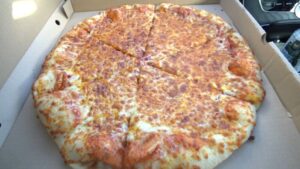
One figure stands out above the rest. About 272 grams lands on your plate when you take a piece of Costco’s cheese pizza – one part of a giant 18-inch round sliced into twelve. Each portion packs close to 700 calories. This isn’t a mistake in printing. The math behind Costco’s pizza exceeds ordinary servings found at regular eateries, unlike those slices elsewhere which often range between 250 and 350. At many big-name pizzerias, what they serve feels lighter by comparison.
A single slice packs 700 calories, with nearly three in every four coming from carbs. Protein shows up at 28 grams, while fat matches that number exactly. Carbohydrates take the lead at 78 grams, shaping much of its energy profile. Salt levels land around 1,290 milligrams – that’s well past half of what heart experts suggest for an entire day. Just one portion delivers that load. Because of these numbers, the pie stands apart, not simply different but operating on its own scale when it comes to fueling bodies.
One bite into a pepperoni slice at Costco and you’re already halfway through your daily sodium limit. That single piece brings about 760 calories, along with 33 grams of protein, 79 grams of carbs, and 32 grams of fat. Sodium hits a notable 1,540 milligrams. When pepperoni pairs with sausage – yes, that combo sold by the tray – it tips just over 800 calories, pushing salt levels beyond 1,600 milligrams per serving. Every kind of offer lands solidly in the heavy zone for both energy count and salt load – something worth noting before reaching for seconds.
Slice by Slice costco-pizza-nutrition Cheese Pepperoni Combo:
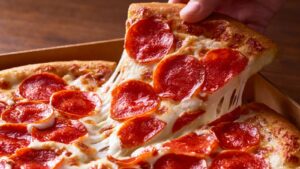
A single slice of cheese pizza at Costco packs quite a few calories, more than most realize. Moving to the pepperoni version, each piece adds extra fat because of the meat topping. What surprises some people is how much sodium appears in just one serving of either type. Looking at the combo pie, it splits the difference but still runs high on processed ingredients. Every option delivers plenty of protein, yet none qualify as light fare. Deciding which to pick often comes down to what you value more – flavor or dietary limits
- Pizza without extras hits seven hundred calories, twenty eight grams of protein sitting beside seventy eight carbs. Fat shows up at twenty eight grams, sodium pushes to twelve ninety milligrams – lowest on the energy scale, yet calling it light feels more like a suggestion than a fact.
- That slice of pepperoni pizza packs a punch. It carries 760 calories, mostly from its heavy load of ingredients. Protein sits at 33 grams – not too low, yet nothing surprising either. Carbs come in at 79 grams, feeding into the overall energy count. Fat hits 32 grams, pushed up by the processed meat on top. Sodium climbs to 1,540 milligrams, sharply raised by what’s been cured and seasoned. The extra meat lifts salt and fat more than anything else. Protein? Only nudged upward.
- Every now and then, you might spot the Combo Pizza – gone from most spots after 2020 but hanging around in certain storage centers. If found, it clocks in near 680 calories, packing more veggies and meats than before, shifting how those nutrients split up across the plate.
- One full cheese pizza at 18 inches cuts into twelve pieces packs exactly eight thousand four hundred calories. That figure explains the need to think ahead about how much each person takes when sharing at group meals. Costco’s big pizzas show up often at parties or work lunches where everyone grabs a slice. Knowing the total helps avoid surprise intake across several diners. Size matters here – more slices mean more shared consumption. This kind of detail shapes smarter choices without calling attention to itself.
- A single large pepperoni pizza, cut into twelve pieces, holds close to 9,120 calories from edge to edge. Each slice carries a heavy load of salt, pushing total sodium past 18,000 milligrams when shared evenly among all parts.
The Hidden Salt in Costco Pizza Nutrition:

Most folks look at calories first. What matters far more in Costco pizza? Sodium levels stand out above everything else. Health of the heart plus kidneys ties closely to salt intake. This detail needs close inspection on its own. Few pause to think about that.
Most of the salt in Costco Pizza Nutrition shows up through layers – cheese brings some, the cured meats add more, even the dough holds traces. Each piece plays a part, especially pepperoni’s preservatives tucked into its flavor. Fixing high levels means tracing every bit back to its origin. The mix builds naturally, hard to pull apart without changing what it is.
1: Mozzarella Cheese Is Main Source of Sodium
Most of the salt in a Costco Pizza Nutrition comes straight from the cheese. A thick layer of moist, part-skim mozzarella covers each slice – it’s one reason the look stands out. Each ounce holds about 150 to 175 milligrams of sodium, and with around five to seven ounces piled on, that adds up fast. Even without counting sauce or dough, just this topping brings nearly three-quarters of a gram to over a full gram of sodium per serving. Before any other ingredients join in, the mozzarella has already shaped most of what ends up on the label.
2: Pepperoni Processing and Curing Chemicals
That salty kick in pepperoni? It’s tied to how it’s cured – salt joins sodium nitrite and sodium erythrocyte on the ingredient list. Each ounce packs a punch, holding close to 400 up to 500 milligrams of sodium. One slice at Costco Pizza Nutrition pulls extra weight because its portion of pepperoni adds another 200 to 300 milligrams past what the cheese brings. Tallying it all, the full sodium count hits about 1,540 milligrams; nearly 900 stems from cheese, around 250 traces back to pepperoni, while sauce plus crust chip in the remaining 390.
3: Strategic Sodium Mitigation
One slice of Costco cheese pizza at lunch uses more than half your daily sodium allowance. When that happens, breakfast needs simpler choices – think raw fruit or unsalted nuts instead of packaged items. Dinner then leans on steamed greens, grilled chicken without seasoning, or rice cooked in water. Each meal after noon’s slice works quieter, balancing the earlier spike. Plain foods take center stage later to reset the scale. Planning each bite carefully keeps totals within range. Sticking close to whole ingredients makes up for the salty start. Control comes from what follows, not just what came first.
Costco Pizza Protein Quality Explained?
Most diet talk overlooks one thing about Costco pizza: real protein shows up here, built on solid cheese and quality meat. Calling it healthy would miss the point. Still, those calories carry more depth than you might expect:
- A piece of cheese holds 28 grams of protein – that’s about the same as four big eggs or a small chunk of chicken weighing 4 ounces, all packed into one easy-to-eat form.
- Starting off, mozzarella brings more casein than whey, both types of dairy protein. Its full lineup of essential amino acids stands out clearly. The body uses these proteins well – better than many sources. That shows in its DIALS rating, which climbs past 1.0 without effort.
- Most pepperoni mixes pork with beef, offering a full set of amino acids. That combo brings about half a gram to one gram of creating in each portion. This compound helps fuel quick muscle effort like sprinting or lifting. The amount varies slightly based on how it’s made.
- Every bite packs a punch when it comes to protein in Costco pizza – 1 gram handles roughly 4 calories. That’s on par with most protein bars. Way ahead of pastries. Leaves potato chips far behind.
- After working out, people who grab a meal at Costco’s food court take in plenty of protein – yet the high levels of salt, fat, and carbs might not fit what they’re aiming for. A solid amount of muscle-supporting fuel comes along with extras that could sidetrack personal targets.
| Pizza Variety | Calories | Protein (g) | Carbs (g) | Fat (g) | Sodium (mg) | Fiber (g) | Cholesterol (mg) |
| Costco Cheese (1 slice) | 700 | 28 | 78 | 28 | 1,290 | 3 | 65 |
| Costco Pepperoni (1 slice) | 760 | 33 | 79 | 32 | 1,540 | 3 | 80 |
| Domino’s Large Cheese (1 slice) | 290 | 12 | 37 | 10 | 570 | 2 | 25 |
| Domino’s Large Pepperoni (1 slice) | 320 | 13 | 37 | 13 | 680 | 2 | 30 |
| Pizza Hut Large Cheese (1 slice) | 280 | 12 | 34 | 10 | 590 | 1 | 25 |
| Digression Frozen Pepperoni (1 slice) | 340 | 15 | 39 | 14 | 750 | 2 | 35 |
| Little Caesars Pepperoni (1 slice) | 280 | 13 | 30 | 11 | 590 | 1 | 30 |
| Whole Foods 365 Cheese (1 slice) | 310 | 14 | 38 | 11 | 580 | 2 | 28 |
How Costco Pizza Fits Into Common Dietary Frameworks:
Costco pizza nutrition is a real-world variable that most dietary protocols eventually have to accommodate. The question isn’t whether it’s optimal — it isn’t — but how to incorporate it intelligently within specific frameworks.
Rigid elimination approaches fail long-term. A nutrition strategy that survives contact with Costco food court visits, office pizza days, and family warehouse trips is more useful than a theoretically perfect plan that collapses under social eating pressure. Understanding Costco pizza nutrition within real frameworks makes the difference.
1: Calorie Deficit and Weight Loss Protocols
One slice of Costco cheese pizza at 700 calories is workable within a 2,000-calorie daily target — it represents 35% of the day’s caloric budget. The strategy: treat the slice as the protein and starch for that meal, skip additional carbohydrate sources for the rest of the day, hydrate aggressively to manage the sodium load, and fill remaining meals with vegetables and lean protein. Costco pizza nutrition consumed this way doesn’t sabotage fat loss; it requires the surrounding day to compensate deliberately.
2: Ketogenic and Low-Carib Protocols
Costco pizza nutrition is fundamentally incompatible with strict ketogenic eating. At 78g of carbohydrates per slice, a single piece delivers 5–10 times the carbohydrate threshold most keto protocols allow for an entire day. Accommodation requires either removing all of the crust (leaving cheese and sauce, approximately 15–20g carbs) or treating Costco food court trips as intentional dietary breaks rather than keto-compliant meals.
3: High-Protein Athletic Protocols
This is where Costco pizza nutrition becomes genuinely strategic. Post-competition or post-training environments where athletes need rapid glycogen replenishment alongside protein delivery make a pepperoni slice a defensible choice. The 33g protein, 79g carbs, and reasonable fat content hit the fast-crab-plus-protein post-workout window effectively. The sodium, while high, contributes to electrolyte replacement after heavy sweat losses — a benefit that doesn’t apply to sedentary consumption contexts.
The Whole Pizza Calculation: What Buying a Full Pie Actually Means Nutritionally:
Costco pizza nutrition becomes strategically relevant the moment you buy a whole pie rather than a food court slice. The numbers are different — and so are the portion control implications.
- Whole 18-inch cheese pizza: 8,400 calories, 336g protein, 936g carbs, 336g fat — a single pie provides enough protein for a 150-pound adult’s entire week-long protein target at the RDA level (0.8g/kg body weight).
- Per-person serving at 3 slices each for a family of four: 2,100 calories per person from pizza alone — exceeding most adults’ full-day caloric needs in a single meal.
- Sodium in a whole pie: 15,480mg — the sodium in a full Costco cheese pizza represents more than six days of the AHA’s recommended daily limit consumed in a single pizza.
- Cost-per-calorie analysis: At approximately $9.95 for a whole pie, Costco pizza nutrition delivers roughly 845 calories per dollar — among the lowest cost-per-calorie ratios available in American food retail, which explains its enduring popularity.
- Leftover reheating consideration: Each reheated slice retains its nutritional profile; sodium does not dissipate with reheating, and fat oxidation during oven reheating is minimal at standard rewarming temperatures of 350–375°F.
Ingredients Deep Dive: What’s Actually in Costco’s Dough, Sauce, and Cheese Blend:
The nutritional profile of Costco pizza nutrition is only fully understood when you trace it back to ingredients. Costco publishes a detailed ingredient list — it’s worth reading for anyone eating this regularly.
1: The Sauce Composition
Costco’s pizza sauce uses tomato paste, water, sugar, salt, spices, and natural flavors as its core components. The tomato base contributes Penelope — a carotene antioxidant with emerging evidence for cardiovascular and prostate health support. Per slice, the sauce contribution to Costco pizza nutrition includes roughly 15–20mg of Penelope, a meaningful dose relative to the 8–21mg daily intake associated with health benefits in observational studies. This is arguably the most functional micro nutrient present in Costco pizza nutrition across the full ingredient list.
2: The Cheese Blend and Fat Source
The mozzarella used is part-skim, meaning fat content is reduced from whole-milk mozzarella’s approximately 6g fat per ounce to roughly 4.5g per ounce. The generous application quantity still drives the fat numbers high, but the part-skim designation means Costco pizza nutrition would look meaningfully worse with whole-milk cheese — a product formulation choice that’s worth acknowledging. Saturated fat per slice runs approximately 14g, representing 70% of the American Heart Association’s recommended daily saturated fat ceiling of 20g.
Comparing Food Court Slice vs. Take-and-Bake Whole Pizza:
Costco pizza nutrition differs between what you eat at the food court and what you take home. This distinction matters for planning. The food court slice is baked fresh continuously on a rotating schedule, typically in commercial conveyor ovens at high temperatures that promote cheese browning and crust crisping. The macro nutrient profile — 700 calories for cheese, 760 for pepperoni — reflects this fully baked, hot product.
The take-and-bake whole pizza purchased from the refrigerated section is an uncooked product that may have a slightly different formulation due to preservative and shelf-stability requirements. Costco pizza nutrition for the whole take-and-bake pie shows similar per-slice numbers on the label, though some consumers report the refrigerated version contains slightly higher sodium as a preservation measure.
Smart Strategies for Eating Costco Pizza Within a Healthy Diet:
Costco pizza nutrition doesn’t have to represent a dietary failure. These are practical, evidence-based strategies for navigating it without abandonment or guilt.The most effective approach involves sequencing. Eating a large green salad with minimal dressing before the pizza slice slows gastric emptying, reduces the rate of carbohydrate absorption, and physically limits appetite so over consumption of Costco pizza nutrition becomes mechanically harder.
The fiber from the salad also partially offsets the low-fiber profile of the pizza itself. Stopping at one slice is the single highest-impact decision. The caloric difference between one and two slices of Costco pizza nutrition is 700 calories — the equivalent of an entire separate light meal. Most people eat the second slice out of availability rather than genuine hunger, especially when the food is sitting right in front of them.
The Verdict: Where Costco Pizza Nutrition Stands in the American Food Landscape:
Costco pizza nutrition represents a uniquely American food paradox: extraordinary value, extraordinary scale, and nutritional complexity that rewards informed consumers while penalizing oblivious ones. At 700 calories per slice with 28g of complete protein and a sodium load that demands compensatory planning, it’s neither health food nor dietary catastrophe.
The people who eat Costco pizza nutrition successfully — within their goals — are the ones who plan around it, not against it. They track the day, adjust surrounding meals, stay hydrated to manage sodium, and treat it as an informed choice rather than an accidental one. Costco pizza nutrition will remain one of America’s most consumed foods. The question is always whether you’re eating it consciously.
Conclusion
Costco pizza nutrition is a high-calorie, high-sodium reality that rewards strategic planning over avoidance. One slice delivers 28–33 grams of complete protein — a genuine nutritional upside. Balance the day’s sodium and carbohydrates around it, prioritize a salad first, and stop at one slice. Informed eating beats perfect eating every single time.
FAQ’s
Q1: How many calories are in a slice of Costco pizza?
A standard cheese slice contains approximately 700 calories and a pepperoni slice runs about 760 calories.
Q2: Is Costco pizza nutrition worse than Domino’s or Pizza Hut?
Per slice, yes — Costco slices are roughly 2.5 times larger and 2 to 2.5 times higher in calories than standard chain slices.
Q3: How much sodium is in one slice of Costco pizza?
A cheese slice delivers approximately 1,290mg and a pepperoni slice carries around 1,540mg of sodium.
Q4: Can you fit Costco pizza nutrition into a calorie deficit?
Yes — one slice at 700 calories fits within a 2,000-calorie daily target when surrounding meals are lean and vegetable-heavy.
Q5: Does Costco pizza nutrition change for the whole take-and-bake pie versus food court?
The numbers are similar, though take-and-bake versions may contain slightly higher sodium for shelf stability.
Summary
While a giant, cheesy slice is incredibly comforting, the costco pizza nutrition profile is definitely more of a treat than a health food. A single slice packs over 700 calories, along with substantial amounts of sodium and saturated fat. However, it does offer a massive hit of protein, making it fine for an occasional, satisfying indulgence.