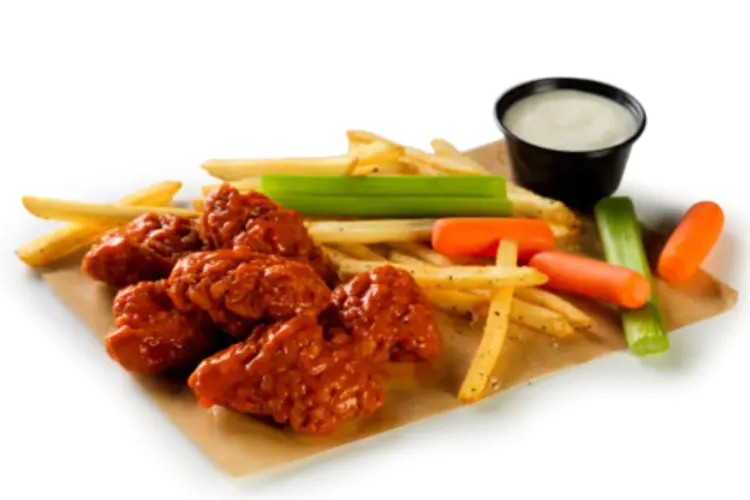
Buffalo wings are popular for their flavor, but their nutrition can vary significantly depending on cooking method, sauce, and serving size.
Wild buffalo wings nutrition data gets buried under restaurant marketing and portion-distorted menu descriptions that leave calorie-conscious diners making uninformed choices.
Understanding wild buffalo wings nutrition can help you make better choices about calories, protein, fat, carbohydrates, and sodium.
Nutrition Per Standard Buffalo Wings Serving:
A typical 6-piece serving contains roughly 400 calories and provides a generous amount of protein while remaining relatively low in carbohydrates. The exact nutrition depends on wing size, cooking method, and the amount of sauce added after cooking. For most people, The sauce often contributes more variation than the chicken itself. Many people are surprised to learn that traditional buffalo wings contain very few carbohydrates unless they’re breaded.
Traditional wings without breading are low-carb by any reasonable definition — a detail that makes this food relevant for ketogenic and carbohydrate-restricted diets when ordered correctly. Larger wings naturally contain more meat than smaller wings, so nutrition varies slightly between restaurants. Wing size varies between restaurants, so published nutrition values can differ.
Five Macronutrient Facts About Buffalo Wings:
These numbers draw from USDA data, restaurant nutrition disclosures, and independent food lab analyses of bone-in, traditionally fried preparations:
- Protein: A 6-piece traditional order delivers 32–42 g complete protein, making buffalo wings a legitimate high-protein meal option rather than purely indulgent eating.
- Carbohydrates: Bone-in wings with classic buffalo sauce average just 2–6g net carbs per 6-piece serving — breading, dipping sauce, and celery are the primary contributors when carbs do appear.
- Calories: Expect 65–80 calories per individual bone-in wing before sauce; sauce additions contribute 15–45 additional calories per wing depending on style and application volume.
- Sodium:it is often one of the most overlooked nutrients in buffalo wings. A 6-piece order routinely contains 1,100–1,800 mg sodium…
- Total Fat: A typical 6-piece serving contains around 22–34 g of fat. Most comes from the chicken skin and frying process, while richer sauces can increase the total even further.
Protein Quality of Buffalo Wings: What the Data Shows:
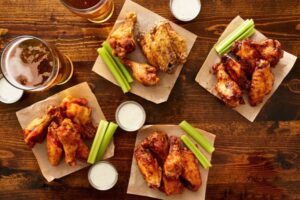
The protein in buffalo wings is often overlooked because many people think of wings only as fast food. That label contradicts biochemical reality.Understanding the amino acid profile of buffalo wings helps explain why chicken is commonly recommended as a protein source for athletes.
1: Amino Acid Profile of Chicken Wing Protein
Chicken wing meat contains all nine essential amino acids, qualifying it as a complete protein source in nearly all standard preparations. A serving of chicken wings provides enough leucine to support muscle protein synthesis after a meal. This is one reason chicken remains a popular protein source among athletes and active adults because the amino acid leucine helps stimulate muscle protein synthesis. Research suggests this amount of leucine is enough to effectively stimulate muscle protein synthesis after a meal.
2: Biological Value Compared to Other Protein Sources
Chicken protein carries a BV (Biological Value) of approximately 79, compared to whey protein’s 104 and egg white’s 88. Roughly 79% of nitrogen from chicken protein gets retained for tissue synthesis — a strong retention rate for any whole food consumed in a restaurant environment. This number validates wings as a serious protein delivery vehicle when both quantity and protein quality matter simultaneously.
3: Skin-On vs. Skin-Off Protein Density
Removing wing skin drops total calories by 25–30% while barely affecting protein content — skin contributes fat mass, not measurable protein. Athletes can remove part of the skin to reduce calories while keeping most of the protein. A practical modification that measurably improves the protein-to-calorie ratio of buffalo wings nutrition without sacrificing the sauce flavor experience in any practical way.
How Different Sauces Change Buffalo Wings Nutrition:
Sauce is where things get complicated fast — and where most diners unknowingly stack on significant calories without registering the macro nutrient shift at all:
- Traditional Buffalo Sauce: Butter and cayenne-based, adding 70–110 calories per 6-piece order; the butter component elevates saturated fat but keeps carbohydrates near zero — a naturally low-carbohydrate profile.
- Honey BBQ: Adds 120–180 calories primarily from sugar, pushing carbohydrates from under 5g to 20–28g per serving — a significant shift that disrupts ketosis and blindsides most calorie-tracking diners.
- Mango Habanero: High-sugar tropical sauces add 140–200 calories per 6-piece order at major chains, with some variants containing 18–24 g added sugar per portion before any sides are ordered.
- Dry rubs are generally among the lowest-calorie sauce options available.
- Garlic Parmesan: Cream and cheese-based sauces add 150–220 calories per serving with elevated saturated fat — the single most calorie-dense sauce category that most dramatically alters the complete nutritional picture per order.
Where the Fat in Buffalo Wings Comes From:
Fat is the primary calorie source in buffalo wings, yet most diners treat it as one undifferentiated number rather than a composite of three distinct sources. Chicken skin, frying oil, and sauce each behave differently biochemically — and each responds to different management strategies at the point of ordering.
1: Chicken Skin Fat Contribution
A single chicken wing with skin contains approximately 4–6g fat in the skin layer alone before any cooking occurs. For a 6-piece order, skin-derived fat contributes 24–36 g before cooking fat absorption is even calculated. Most fat comes from a mixture of saturated and unsaturated fats naturally found in chicken skin.
2: Frying Oil Absorption Rates
Proper frying temperatures help reduce oil absorption. At the recommended frying temperature, wings absorb considerably less oil than when cooked at lower temperatures. Under-temperature frying, a common occurrence during peak restaurant service hours, pushes oil absorption to 18–25%, adding 40–80 extra calories per 6-piece order purely from cooking fat. This is one reason nutritional values vary between restaurants.
3: Butter-Based Buffalo Sauce Fat
Traditional buffalo sauce emulsifies hot sauce and butter, applied at roughly 1–2 tablespoons per 6-piece serving. That butter contribution adds 10–20g fat and 90–180 calories, primarily saturated. Restaurants advertising a “lighter” buffalo sauce typically reduce butter ratio or substitute margarine —a change that alters the fatty acid profile without reducing calorie count as substantially as most customers assume when making that substitution.
How Many Wings Count as One Serving?
One serving of buffalo wings is not always the same across restaurants. Most nutrition labels use 6 traditional bone-in wings as a reference serving, while some restaurants calculate nutrition using 5, 8, or even 10 wings depending on wing size. Boneless wings are also different because each piece is smaller and breaded.
Before comparing nutrition facts, check whether the values apply to the number of wings you actually plan to eat. Eating 10 wings instead of the listed 6-serving increases calories, fat, protein, and sodium by roughly two-thirds.
Important Micronutrients in Buffalo Wings:
Beyond macros, the micro nutrient profile carries genuine clinical value — these five compounds get skipped in almost every standard wing nutrition conversation:
- Niacin (Vitamin B3): Supports energy metabolism.
- Selenium: Helps support immune function.
- Phosphorus: Important for bones and teeth.
- Zinc: Supports immune health and tissue repair.
- Choline: Helps with liver function and normal brain function.
Buffalo Wings Nutrition Reference Table:
Values below are approximate averages compiled from USDA FoodData Central, published restaurant nutrition information, and other publicly available nutrition databases. Actual values vary by recipe, cooking method, serving size, and sauce.
| Metric | Bone-In Fried (6 pc) | Boneless Fried (6 PC) | Grilled Bone-In (6 PC) | Air-Fried Home (6 pc) |
| Calories | 420–460 | 470–520 | 320–360 | 290–340 |
| Protein | 34–40 g | 26–32 g | 36–42 g | 32–38 g |
| Total Fat | 26–32 g | 22–28g | 16–22g | 14–20g |
| Saturated Fat | 8–12 g | 6–10g | 4–7g | 3–6g |
| Net Carbohydrates | 2–6g | 18–26 g | 2–5g | 2–4g |
| Sodium | 1,100–1,600 mg | 900–1,400mg | 800–1,200 mg | 600–900 mg |
| Niacin (B3) | 8–11 mg | 6–9 mg | 9–12 mg | 8–10mg |
| Selenium | 22–28 mcg | 18–22 mcg | 24–30 mcg | 20–26 mcg |
| Zinc | 2.0–3.0 mg | 1.5–2.5 mg | 2.2–3.2 mg | 2.0–2.8 mg |
| Leucine | 2.8–3.4 g | 2.2–2.8 g | 3.0–3.6 g | 2.8–3.2 g |
| % Calories from Fat | 55–65% | 40–50% | 45–55% | 43–53% |
Values are approximate averages compiled from USDA FoodData Central, restaurant nutrition information, and published nutrition databases.
How Cooking Methods Affect Buffalo Wings Nutrition:
Cooking method and preparation style can noticeably change the calories, fat, carbohydrates, protein, and sodium in buffalo wings. Comparing bone-in, boneless, grilled, fried, and homemade wings makes it easier to choose the option that best fits your nutrition goals.
1: Traditional Bone-In vs. Boneless Wings
This comparison is commonly misunderstood. Boneless wings are typically made from breaded pieces of chicken breast — higher in lean protein per ounce of actual meat, but heavily battered, which adds 15–22g carbohydrates per serving and increases calorie count by 60–80 calories on average. Bone-in buffalo wings deliver a better protein-to-calorie ratio at the cost of slightly more skin fat — a trade off that clearly favors bone-in for low-carb goals and high-protein-density dietary frameworks alike.
2: Fried vs. Grilled Preparation
Grilling reduces total fat by approximately 30–40% compared to deep frying by rendering skin fat into the cooking surface rather than into a frying medium. Protein content remains virtually identical across both methods. Grilled buffalo wings generally retain slightly more heat-sensitive B vitamins than deep-fried wings.
3: Restaurant vs. Homemade Buffalo Wings
Home preparation can be one of the most effective ways to improve the nutritional profile of buffalo wings. You control oil type, sauce quantity, butter ratio, and exact portion size — variables that collectively determine 60–70% of the final caloric and fat outcome. An air fryer at 400°F for 22–25 minutes achieves comparable skin crispiness to deep frying at 40–50% fewer fat calories, no special culinary skill required.
How Buffalo Wings Fit Different Fitness Goals:
One-size-fits-all nutrition advice fails because individual goals create entirely different evaluation criteria for identical foods. A hypertrophy athlete, a fat-loss client, and an endurance runner each need a different interpretive framework when assessing the nutritional value of buffalo wings — collapsing those three contexts into the same generic advice serves none of them.
1: Muscle Building and Hypertrophy
For athletes targeting muscle growth, a 10–12 piece order can provide around 55–70 g of protein, making it a practical choice for meeting daily protein goals. The ideal portion still depends on your total calorie needs and overall nutrition plan.
The fat content slows gastric emptying and absorption speed — irrelevant for muscle building, where total daily protein intake dominates the outcome over weeks rather than the timing of any single restaurant meal.
2: Fat Loss and Body Re composition
A 6-piece bone-in portion at 420–460 calories fits most fat-loss caloric budgets as a complete meal paired with non-starchy vegetables. The protein content drives strong satiety through CCK and GLP-1 hormonal signaling pathways. Sodium is the primary management variable — wings produce water retention that distorts scale-based progress tracking for 24–48 hours following a high-sodium restaurant meal, causing unnecessary frustration for clients who don’t understand the temporary, reversible mechanism behind it.
3: Performance Nutrition for Endurance Athletes
A standard 6-piece order contributes insufficient carbohydrate for post-training glycogen replenishment after sustained aerobic work. Endurance athletes need 1–1.5g carbohydrate per kilogram body weight post-workout — wings supply negligibly toward that target. Smart positioning means pairing them with a dedicated carbohydrate source — rice, sweet potato, or a honey BBQ sauce selection — or eating wings on rest days when protein prioritization is more appropriate than aggressive carbohydrate replenishment.
Sodium in Buffalo Wings: The Most Overlooked Nutrient:
A 6-piece traditional order routinely delivers 1,100–1,800 mg sodium — representing 48–78% of the American Heart Association’s 2,300 mg daily recommended ceiling in a single appetizer. At full entree portions of 10–12 wings, sodium intake from buffalo wings can easily exceed the entire day’s recommended intake before accounting for beverages, sides, or any other meal that day.
Sodium comes from several sources, including seasoning, brining, and the buffalo sauce itself. In many restaurant orders, The sauce is often one of the largest contributors to total sodium.
Requesting sauce on the side directly targets the largest single contributor. For individuals managing hypertension, cardiovascular risk, or kidney function, these specific ordering modifications preserve the protein and micronutrient benefits while removing the primary dietary liability without requiring complete avoidance of a nutrient-dense food.
Cooking Buffalo Wings at Home for Better Nutrition:
Preparing wings at home gives you full control over ingredients, cooking method, and portion size.
Air frying at 400°F for 22–25 minutes — flipping once at the 12-minute mark — produces skin crispiness comparable to deep frying at approximately 220–280 calories per 6-piece serving before sauce. That’s roughly 150–180 fewer calories than restaurant-fried equivalents. Fat content drops from 26–32 g to 10–16 g because skin fat renders into the air fryer basket rather than absorbing cooking oil.
Making buffalo sauce at home with 1 tablespoon of butter and Frank’s Red Hot per 6-wing batch reduces sauce calories from 90–180 to 45–60. The complete profile for a home air-fried 6-piece serving: approximately 290–310 calories, 33–38 g protein, 14–18g fat, and 650–900 mg sodium — a result that outperforms every restaurant equivalent on protein density and caloric efficiency by a significant, measurable margin.
Conclusion
Buffalo wings provide high-quality protein along with several beneficial vitamins and minerals. By choosing sensible portions, lighter sauces, and healthier cooking methods, you can enjoy them while keeping calories and sodium under better control.
FAQ’s
Q1: How many calories are in a standard 6-piece bone-in buffalo wing order?
A 6-piece bone-in order ranges from 380 to 460 calories depending on wing size and sauce type.
Q2: Are traditional bone-in wings keto-friendly at restaurants?
Yes — classic buffalo sauce bone-in wings average just 2–6g net carbs per 6-piece serving.
Q3: How does bone-in compare to boneless for protein per calorie?
Bone-in wings consistently deliver 20–30% more protein per calorie than breaded boneless restaurant alternatives.
Q4: What is the single biggest sodium concern when ordering buffalo wings?
Buffalo sauce alone contributes 600–900 mg sodium per 6-piece serving — always requested on the side.
Q5: Does home air frying significantly improve the calorie and fat content?
Yes — Air frying removes a substantial amount of cooking fat while still producing crispy skin. Compared with deep frying, it generally results in a noticeably lighter meal.
Summary
Navigating the wild buffalo wings profile requires a careful balance between intense flavor and your daily fitness goals. Traditional fried wings pack a heavy punch of calories, sodium, and saturated fats, primarily from the rich sauces and deep-frying. However, choosing grilled options or dry rubs drastically cuts down the fat while still delivering a massive dose of high-quality protein.