Adopting a healthy lifestyle helped me feel more energetic and active throughout my daily routine. I started eating healthier meals, exercising regularly, and improving my sleep habits. Over time, these simple changes made me feel stronger, more confident, and happier with my overall well-being.
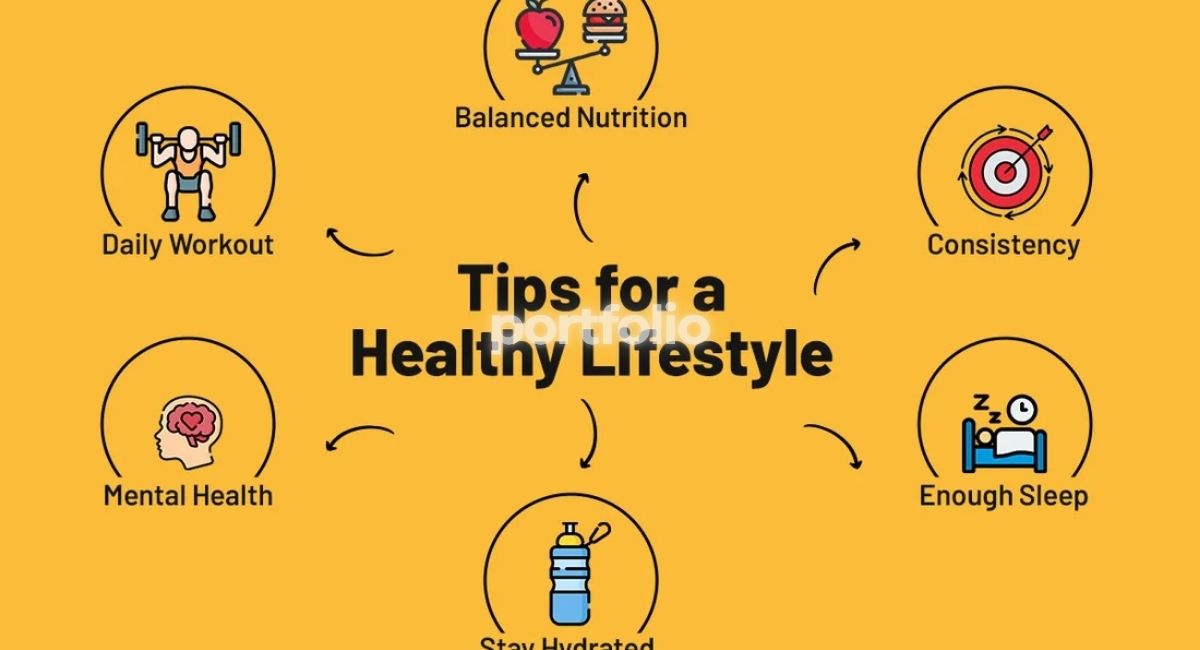
A healthy lifestyle means making positive choices that support your physical health, mental well-being, and daily energy. Eating nutritious foods, staying active, getting enough sleep, and managing stress are important parts of healthy living. By building simple and consistent healthy habits, you can improve your overall well-being and enjoy a more balanced life.
Stay tuned with us as we discuss healthy lifestyle tips, fitness ideas, wellness habits, nutritious choices, and simple ways to live healthier.
What Is a Healthy Lifestyle?

A healthy lifestyle is a way of living that supports your physical and mental well-being through positive daily habits. These habits can include eating nutritious foods, staying physically active, getting enough sleep, drinking adequate fluids, managing stress, and maintaining healthy relationships. There is no single healthy lifestyle that works perfectly for everyone. People have different schedules, responsibilities, fitness levels, food preferences, and health needs. Therefore, a good healthy lifestyle should be realistic, flexible, and sustainable.
For example, one person may enjoy running, while another may prefer walking or cycling. Someone may prepare meals at home every day, while another person may need simple meal options because of a busy schedule. Both can make healthy choices.
Why Is a Healthy Lifestyle Important?
Your daily habits can influence how you feel and function. When you consistently make healthier choices, you give your body the support it needs to perform everyday tasks.
A healthy lifestyle can help support:
- Physical fitness
- Healthy body weight
- Energy levels
- Sleep quality
- Mental well-being
- Stronger everyday habits
- Better stress management
- Overall quality of life
Healthy living is also about prevention. Building positive habits early can help you maintain your health as you get older. However, it is important to understand that lifestyle habits cannot guarantee that someone will never develop an illness. Genetics, environment, age, medical conditions, and many other factors also influence health.
The Main Components of a Healthy Lifestyle
A balanced approach to health involves more than just diet and exercise. Several areas work together to create a healthy lifestyle.
The most important components include:
- Balanced nutrition
- Regular physical activity
- Quality sleep
- Proper hydration
- Stress management
- Mental and emotional well-being
- Healthy social connections
- Personal hygiene
- Avoiding harmful habits
- Regular health care and preventive checkups
Let’s explore each of these areas in detail.
Eat a Balanced and Nutritious Diet
Healthy eating is one of the foundations of a healthy lifestyle. Food provides your body with energy and essential nutrients needed for everyday functions. A balanced diet should include a variety of foods rather than focusing on one particular food group.
Include More Fruits and Vegetables
Fruits and vegetables provide important vitamins, minerals, fiber, and other beneficial compounds. Try adding different colors and varieties to your meals. For example, you can include leafy greens, carrots, tomatoes, apples, bananas, oranges, berries, and other seasonal produce. You do not need to make every meal perfect. Simply increasing the variety of nutritious foods in your diet can be a useful step toward healthier eating.
Choose Whole Grains
Whole grains can provide fiber and nutrients. Examples include oats, brown rice, whole-grain bread, barley, and whole-grain cereals. When possible, choose whole-grain options instead of highly refined grains.
Include Protein-Rich Foods
Protein is an important nutrient that helps support many functions in the body. Protein can come from both animal and plant sources.
Examples include:
- Eggs
- Fish
- Chicken
- Beans
- Lentils
- Chickpeas
- Yogurt
- Milk
- Nuts
- Seeds
- Tofu
Choose protein sources that fit your dietary preferences and needs.
Include Healthy Fats
Not all fats are the same. Foods such as nuts, seeds, avocados, and certain oils can provide unsaturated fats. The goal is not to eliminate fat from your diet but to focus on balanced food choices and appropriate portions.
Limit Highly Processed Foods
Highly processed foods can sometimes contain large amounts of added sugar, sodium, or unhealthy fats. This does not mean you can never eat them. A sustainable healthy lifestyle allows flexibility. Instead, try to make nutritious foods the foundation of your regular meals.
Practice Portion Awareness
Healthy eating is not only about what you eat but also how much you eat. Portion needs differ from person to person based on factors such as age, activity level, body size, and individual health goals. Eating slowly and paying attention to hunger and fullness can help you become more aware of your eating habits. Avoid the idea that you must completely avoid your favorite foods. A balanced approach is generally easier to maintain than extreme restriction.
Drink Enough Water
Hydration is another important part of healthy living. Water supports many functions in the body and is generally a simple choice for staying hydrated. Your fluid requirements can vary depending on weather, physical activity, diet, and individual circumstances. A practical habit is to keep a water bottle nearby and drink regularly throughout the day. If you exercise or spend time in hot weather, you may need more fluids.
Make Regular Exercise Part of Your Routine
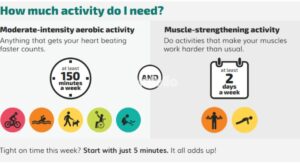
Physical activity is one of the most important healthy lifestyle habits. Exercise can improve physical fitness and support muscles, bones, cardiovascular health, mobility, and overall well-being. You do not have to start with an intense workout routine. Begin with activities you enjoy.
Walking
Walking is one of the easiest ways to become more active. You can walk outdoors, around your neighborhood, at a park, or even indoors. If you currently have a sedentary lifestyle, start with short walks and gradually increase your activity.
Strength Training
Strength training can help develop muscular strength and support physical function.
Exercises can include:
- Squats
- Push-ups
- Lunges
- Rows
- Planks
- Resistance-band exercises
- Weight training
Beginners should focus on proper technique and gradually increase difficulty.
Cardiovascular Exercise
Cardio activities increase your heart rate and can improve cardiovascular fitness.
Examples include:
- Brisk walking
- Running
- Cycling
- Swimming
- Dancing
- Hiking
- Sports
Choose activities that you enjoy so exercise feels less like a chore.
Stretching and Mobility
Flexibility and mobility exercises can help you move comfortably. Gentle stretching can be included before or after physical activity depending on the type of exercise. Mobility exercises can also be useful for maintaining comfortable movement.
Create a Sustainable Workout Routine
One common mistake is starting with an unrealistic exercise plan. Someone who has not exercised regularly may suddenly decide to work out intensely every day. This can be difficult to maintain and may increase the risk of injury. Instead, create a routine that fits your schedule.
For example, you might start with:
- Walking several days a week
- Two or three strength-training sessions
- Short stretching sessions
- Active hobbies during weekends
The exact routine should depend on your current fitness level and individual needs.
Get Enough Quality Sleep
Sleep is an essential part of a healthy lifestyle. Your body needs adequate rest to recover from daily activities. Poor sleep can affect energy, concentration, mood, and daily performance.
Build a Consistent Sleep Schedule
Try to go to bed and wake up at approximately the same time each day. A consistent schedule can help establish a predictable sleep routine.
Create a Relaxing Bedtime Routine
Activities such as reading, gentle stretching, relaxation exercises, or quiet music may help you transition into bedtime. Try to make your bedroom comfortable, quiet, and suitable for sleep.
Reduce Screen Distractions
Phones, computers, and other devices can make it tempting to stay awake longer than planned. Consider creating a period before bedtime with fewer digital distractions. If you regularly have difficulty sleeping despite making changes, speaking with a healthcare professional can be helpful.
Manage Stress in Healthy Ways
Stress is a normal part of life. Work, education, finances, relationships, and everyday responsibilities can all create stress. The goal is not to eliminate every source of stress but to develop healthy ways of responding to it.
Exercise
Physical activity can be a useful part of a stress-management routine. A walk, workout, bike ride, or recreational sport can provide an opportunity to move your body and take a break from daily responsibilities.
Practice Relaxation
Deep breathing, meditation, mindfulness, and other relaxation techniques may help some people manage stress. Even a few quiet minutes during a busy day can provide an opportunity to reset.
Spend Time on Hobbies
Hobbies can provide enjoyment and a break from work or responsibilities. Reading, photography, cooking, gardening, music, sports, gaming, and creative activities can all be part of a balanced lifestyle.
Take Care of Your Mental Well-Being
A healthy lifestyle should include mental and emotional health, not just physical fitness. Pay attention to how you feel and give yourself time to rest and recover. Maintaining relationships with supportive people can also contribute to emotional well-being. If you experience ongoing emotional difficulties that interfere with daily life, consider speaking with a qualified mental health professional.
Build Healthy Social Connections
Humans need social connection. Family, friends, classmates, coworkers, and community groups can all contribute to a sense of connection. Try to make time for meaningful interactions. A healthy lifestyle does not mean spending every hour exercising or preparing healthy meals. Social activities, laughter, conversations, and shared experiences are also important parts of a balanced life.
Avoid Harmful Habits
Healthy living also means reducing behaviors that can negatively affect health. Smoking, recreational drug use, and other harmful habits can create significant health risks. If you have a harmful habit that you want to change, do not assume you must do everything alone. Professional support can make the process easier.
Maintain Good Personal Hygiene
Personal hygiene is another important part of healthy living.
Simple habits include:
- Washing your hands regularly
- Brushing your teeth
- Showering or bathing regularly
- Keeping clothes clean
- Maintaining oral hygiene
- Keeping your living environment clean
These habits can support cleanliness and everyday well-being.
Healthy Lifestyle for Beginners

Starting a healthy lifestyle can feel overwhelming if you try to change everything at once. Instead, focus on a few basic habits.
Start With Small Goals
Rather than saying, “I will completely change my diet,” choose a specific goal such as adding one serving of vegetables to a meal. Instead of deciding to exercise for an hour every day, begin with a manageable walking routine. Small goals are easier to track and maintain.
Focus on Consistency
You do not need to be perfect. Missing a workout or eating a less nutritious meal does not erase your progress. Return to your routine and continue.
Track Your Progress
You can track simple habits such as:
- Daily steps
- Workout sessions
- Water intake
- Sleep schedule
- Fruit and vegetable intake
Tracking can help you identify patterns and stay motivated.
Healthy Lifestyle and Weight Management
Maintaining a healthy body weight can be part of a healthy lifestyle, but health is about much more than the number on a scale. Healthy weight management generally involves balanced nutrition, regular physical activity, adequate sleep, and sustainable habits. Avoid extreme diets that promise dramatic results in a very short period. If you have specific weight-management goals or medical concerns, a qualified healthcare professional or registered dietitian can provide individualized guidance.
Healthy Lifestyle for Students
Students often have busy schedules, irregular routines, and limited budgets. These challenges can make healthy living difficult. However, simple habits can help.
Choose nutritious meals when possible, drink water regularly, remain physically active, and try to maintain a consistent sleep schedule. Even a short walk between study sessions can help break up long periods of sitting.
Planning meals and keeping simple healthy snacks available can also make better choices easier.
Healthy Lifestyle for Busy People
A busy schedule does not mean you have to abandon healthy habits. Try combining healthy activities with things you already do.
For example:
- Walk while making phone calls.
- Use stairs when practical.
- Prepare simple meals in advance.
- Keep water nearby.
- Schedule workouts like appointments.
- Take short movement breaks during work.
- Maintain a consistent bedtime.
The key is to make healthy choices convenient.
Healthy Lifestyle on a Budget
Healthy living does not always require expensive products or supplements. Many nutritious foods can be affordable, including:
- Beans
- Lentils
- Chickpeas
- Eggs
- Seasonal vegetables
- Seasonal fruits
- Oats
- Rice
- Potatoes
- Whole grains
- Yogurt
Planning meals, buying seasonal foods, and preparing meals at home can help manage costs. You do not need expensive fitness equipment either. Walking, bodyweight exercises, running, and home workouts can provide effective ways to stay active.
Healthy Lifestyle at Home
Your home environment can make healthy habits easier. Keep nutritious foods accessible and limit the availability of foods you tend to overeat. Create a small area where you can exercise or stretch.
You can perform many basic exercises without equipment, including squats, lunges, push-ups, planks, and mobility exercises. Even a few minutes of movement can be useful when you have limited time.
How to Stay Motivated
Motivation naturally changes. You may feel highly motivated when starting a new routine but lose motivation after several weeks. This is normal. Instead of relying entirely on motivation, build habits into your daily schedule.
Set Realistic Goals
Create goals that are specific and achievable. For example, instead of saying “I want to become fit,” create a goal such as “I will walk for 30 minutes four days this week.”
Celebrate Progress
Recognize improvements, even when they are small. You might notice that you have more energy, walk farther, sleep more consistently, or find exercise easier. These changes can help reinforce healthy habits.
Find Activities You Enjoy
Exercise does not have to mean traditional gym workouts. Try different activities until you find something you enjoy. Sports, cycling, hiking, dancing, swimming, walking, and home workouts can all contribute to physical activity.
Common Healthy Lifestyle Mistakes
Even people with good intentions can make mistakes. Trying to Change Everything Overnight Making too many changes at once can become overwhelming.
Start with one or two habits and gradually add more. Following Extreme Diets Very restrictive diets can be difficult to maintain and may not provide balanced nutrition. Focus on sustainable eating habits instead.
Exercising Too Much
More exercise is not always better. Your body needs recovery. Allow appropriate rest and avoid suddenly increasing exercise intensity.
Ignoring Sleep
Some people focus heavily on diet and exercise while treating sleep as optional. Sleep should be considered an important part of your overall routine.
Expecting Immediate Results
Healthy lifestyle changes often take time. Focus on long-term progress rather than immediate transformation.
How to Build a Daily Healthy Lifestyle Routine
A simple daily routine might look like this:
Morning
Start your day with hydration and a nutritious breakfast if breakfast fits your eating routine. Add some light movement or a short walk when possible.
Afternoon
Choose a balanced lunch and take short movement breaks if you spend much of the day sitting. Stay hydrated throughout the day.
Evening
Enjoy a balanced dinner and spend some time relaxing. A short walk after dinner can be an easy way to add movement.
Night
Reduce unnecessary distractions and prepare for sleep. Try to maintain a consistent bedtime. Remember that this is only an example. Your routine should fit your personal schedule and needs.
Healthy Lifestyle and Long-Term Habits
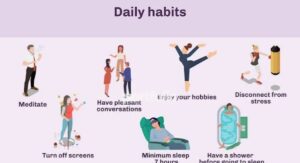
The biggest benefit of a healthy lifestyle comes from consistency. Think about healthy living as a long-term journey rather than a temporary challenge. You might have days when you do not exercise, eat your favorite treat, sleep later than planned, or miss another healthy habit. That is part of life. The important thing is to avoid turning one unhealthy choice into a long-term pattern. Return to your normal routine and keep going.
The Importance of Balance
A truly healthy lifestyle should leave room for enjoyment. You can enjoy your favorite foods occasionally. You can take rest days. You can spend time with friends. You can relax without feeling guilty. Balance makes healthy living more sustainable. Instead of asking, “How can I be perfect?” ask, “What healthier choice can I make today?” That simple change in mindset can make healthy living much easier.
When to Seek Professional Advice
General health information cannot replace personalized medical advice. If you have a medical condition, take medications, are pregnant, have specific nutritional needs, or are planning a major change to your exercise routine, consider discussing your plans with an appropriate healthcare professional. A qualified professional can help you create recommendations based on your individual circumstances.
Conclusion
A healthy lifestyle is built from everyday choices. You do not need to completely transform your life to become healthier. Start by improving one habit at a time, whether that means eating more nutritious foods, walking regularly, drinking more water, improving your sleep routine, or finding healthier ways to manage stress. Remember that progress is more important than perfection. Your lifestyle should be realistic enough to maintain during both good and difficult days. By creating sustainable habits and giving your body and mind the care they need, you can build a healthier and more balanced approach to everyday life. The best time to start is not tomorrow or next month—it is with the small choices you can make today.
FAQ’s
1. What is the best way to start a healthy lifestyle?
Start with small and realistic changes. Focus on nutritious food, regular physical activity, adequate sleep, hydration, and stress management. Add new habits gradually instead of changing everything at once.
2. What are the five main parts of a healthy lifestyle?
Five important areas are balanced nutrition, regular physical activity, quality sleep, stress management, and avoiding harmful habits. Hydration and social well-being are also important parts of overall health.
3. Can I live a healthy lifestyle without going to the gym?
Yes. You can stay physically active through walking, cycling, running, sports, home workouts, dancing, swimming, and bodyweight exercises. A gym is not required for healthy living.
4. What should I eat for a healthy lifestyle?
Focus on a variety of nutritious foods, including vegetables, fruits, whole grains, protein-rich foods, and sources of unsaturated fats. Limit highly processed foods and excessive added sugar and sodium.
5. How much exercise should I do?
Exercise needs vary between individuals. Adults are generally encouraged to include regular aerobic physical activity and muscle-strengthening activities each week. If you are currently inactive, start gradually and build up over time.
6. How can I make healthy habits last?
Make your goals realistic, start small, track your progress, and choose activities you enjoy. Building habits into your normal daily schedule can make them easier to maintain.
7. Is healthy eating expensive?
Not necessarily. Foods such as beans, lentils, eggs, oats, rice, seasonal vegetables, and seasonal fruits can be affordable options. Meal planning and cooking at home can also help reduce costs.
8. How does sleep affect a healthy lifestyle?
Sleep supports physical and mental well-being. Getting enough quality sleep can help you feel more rested and prepared for daily activities.
9. Can a healthy lifestyle reduce stress?
Healthy habits such as physical activity, adequate sleep, relaxation techniques, hobbies, and social connection can help support stress management. Persistent or severe stress may require professional support.
10. Do I need to follow a strict diet to be healthy?
No. A healthy lifestyle does not require perfection or extreme restriction. A balanced and sustainable eating pattern is generally more practical for long-term healthy living.
Summary
A healthy lifestyle combines balanced nutrition, regular physical activity, adequate sleep, hydration, stress management, mental well-being, healthy relationships, personal hygiene, and avoidance of harmful habits. Healthy living does not require perfection. Small, consistent, and realistic changes can help create sustainable habits that support physical fitness, energy, and overall well-being over the long term.