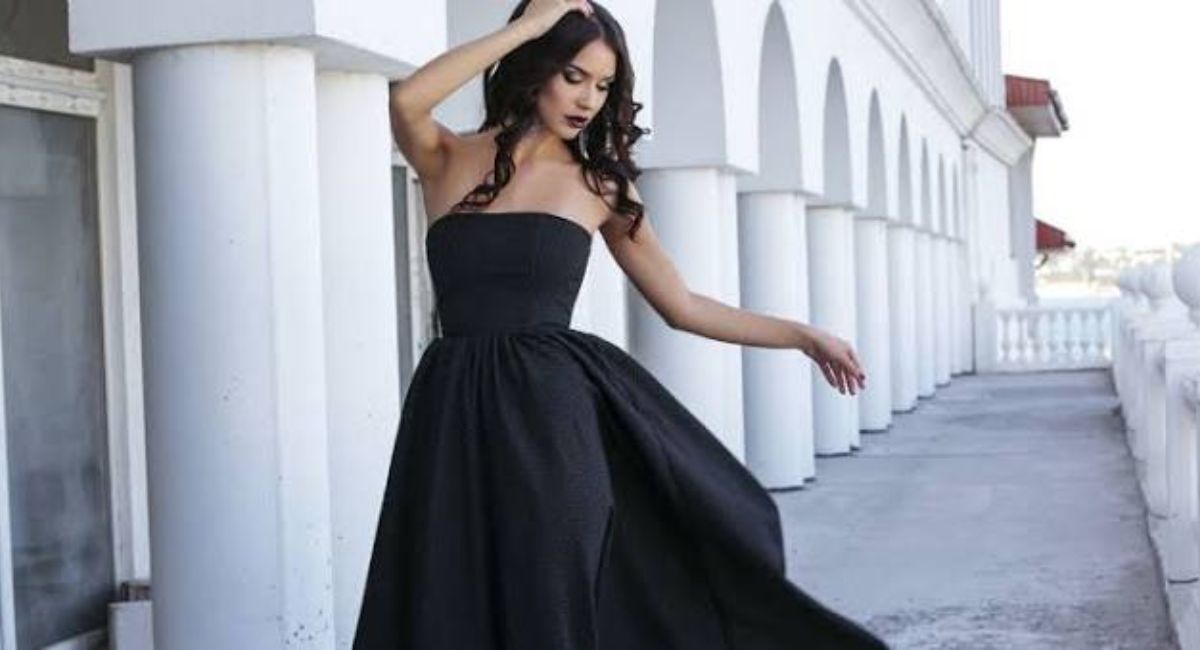
The first time I saved up for a designer bag, I remember hesitating at checkout for a good ten minutes, wondering if it was really worth it. Two years later, I still use it almost daily, and it still looks the way it did on day one — no peeling, no loose stitching, nothing. That’s when I finally understood why people talk about designer pieces as investments rather than just purchases.
Designer fashion refers to clothing, footwear, and accessories crafted by renowned designers or fashion houses, known for premium materials and expert craftsmanship. Unlike fast fashion, it prioritizes lasting quality and timeless style over quick trends, often holding or increasing in value. It’s ideal for anyone seeking durable, well-made pieces that reflect personal style.
Stay tuned as we explore Designer Fashion further — styling tips, trends, and insights to help you shop smarter and dress confidently.
What Do We Even Mean By “Designer Fashion”?
At its core, designer fashion is clothing, shoes, and accessories made by known designers or fashion houses — think Gucci, Prada, Chanel, Louis Vuitton, Dior, Versace, along with a growing list of smaller independent names making waves on their own terms. These pieces aren’t just generic products with a fancy logo slapped on. There’s usually a real process behind them: sketching, sourcing the right fabric, fittings, adjustments, and often, deliberately small production runs.
Fast fashion works the opposite way. Trends get spotted online, copied fast, and rushed into stores within weeks using the cheapest materials that’ll get the job done. Designer fashion just doesn’t move at that pace. It’s slower, more deliberate, built around detail and craftsmanship rather than speed. That’s honestly the whole reason the price tags look so different.
One thing worth mentioning — designer fashion isn’t all one thing. It ranges from more affordable diffusion lines all the way up to haute couture pieces that take hundreds of hours to sew by hand. Not everything “designer” is unreachable, and not everything pricey is automatically good quality. Knowing the difference is half the battle.
Why People Keep Coming Back to It
It lasts longer. A good leather jacket, a proper wool coat, well-built shoes — these can outlast years of trend-chasing purchases. The seams hold. The fabric doesn’t fall apart after a few washes.
It can actually hold its value. Some pieces, certain handbags especially, go up in value over time. That’s almost unheard of for clothing, where most things lose worth the moment you walk out of the store.
The fit is just better. There’s more precision in how designer pieces are cut. The way a blazer sits on your shoulders, how trousers actually fall — small things, but they change how an outfit feels on you.
It feels more personal. For a lot of people, it’s less about showing off and more about owning something that feels chosen rather than just bought. Ten cheap tops you’ll toss within a year versus two solid pieces you keep reaching for — it’s a different relationship with your clothes entirely.
Sometimes, it means better practices too. Not across the board, but more established houses are putting real effort into transparent sourcing and fairer labor conditions than the fastest end of fast fashion. Still worth checking brand by brand though, not assuming.
What’s Actually Trending Right Now
A few things have stuck around longer than a passing season:
- Quiet luxury — barely-there branding, all the quality. Plain cashmere over logo-splashed hoodies
- Sustainable materials — recycled fabrics, honest sourcing, smaller collections released less often.
- Archive revivals — brands digging back into their own history and bringing old silhouettes back.
- Gender-neutral pieces — collections that don’t box things into strict “menswear” or “womenswear.”
- Bold accessories — one great bag or a standout pair of sunglasses carrying a simple outfit on its own.
A Few Things I’d Tell Anyone Shopping Designer
- Buy from official retailers or trusted resale platforms — fakes are everywhere, and even people who know what they’re doing get caught out.
- Start with the basics that’ll actually get worn — a good blazer, a solid bag, classic shoes — before chasing whatever’s trending.
- Don’t rule out pre-owned. Certified platforms sell authentic pieces of action of retail,or for and it’s honestly a smarter, more sustainable way to shop.
- Pay attention to the small stuff — stitching, how heavy the hardware feels, the lining. That’s usually where quality (or lack of it) shows up first.
- Buy for the life you actually live, not the one you picture in your head. A piece is only worth its price if it gets worn.
Designer vs. Fast Fashion, Side by Side
| Designer Fashion | Fast Fashion | |
| Materials | Carefully sourced, premium | Budget, hit-or-miss |
| Price | Higher upfront | Cheaper short-term |
| Lifespan | Years, sometimes decades | Often a season or two |
| Resale value | Can hold or grow | Usually next to nothing |
| Availability | Limited, more exclusive | Everywhere, mass-produced |
| Pace | Slow and deliberate | Fast and reactive |
FAQ’s
1. Is designer fashion actually worth the price?
For stuff you’ll wear a lot — coats, bags, everyday shoes — yeah, usually. The cost-per-wear ends up lower than replacing cheap versions over and over, even if the sticker price feels steep at first.
2. How do I know if a designer piece is real?
Look closely at the stitching, how heavy the hardware feels, the material itself, and any serial numbers or authenticity cards. Sticking to official stores or verified resellers is your safest bet.
3. Is second-hand designer fashion actually a good idea?
Pretty much always, yes. Certified pre-owned platforms sell the real thing for less, and it stretches out the life of the garment — better for your wallet and the planet.
4. What’s the real difference between “designer” and “luxury”?
They blur together a lot. “Luxury” tends to describe the whole brand experience and price tier, while “designer” points more specifically to pieces tied to one designer’s actual creative vision.
5. Do designer clothes genuinely outlast fast fashion?
In most cases, yes. Better materials, tighter construction, and more careful quality control mean they simply hold up better as the years go on.
Conclusion
Designer fashion was never about spending big just to prove it. It’s about choosing pieces made with intention — things that last and feel good to wear. As sustainability shapes how we think about clothes, “buy less, buy better” makes more sense. Even one well-chosen piece can change how you dress.