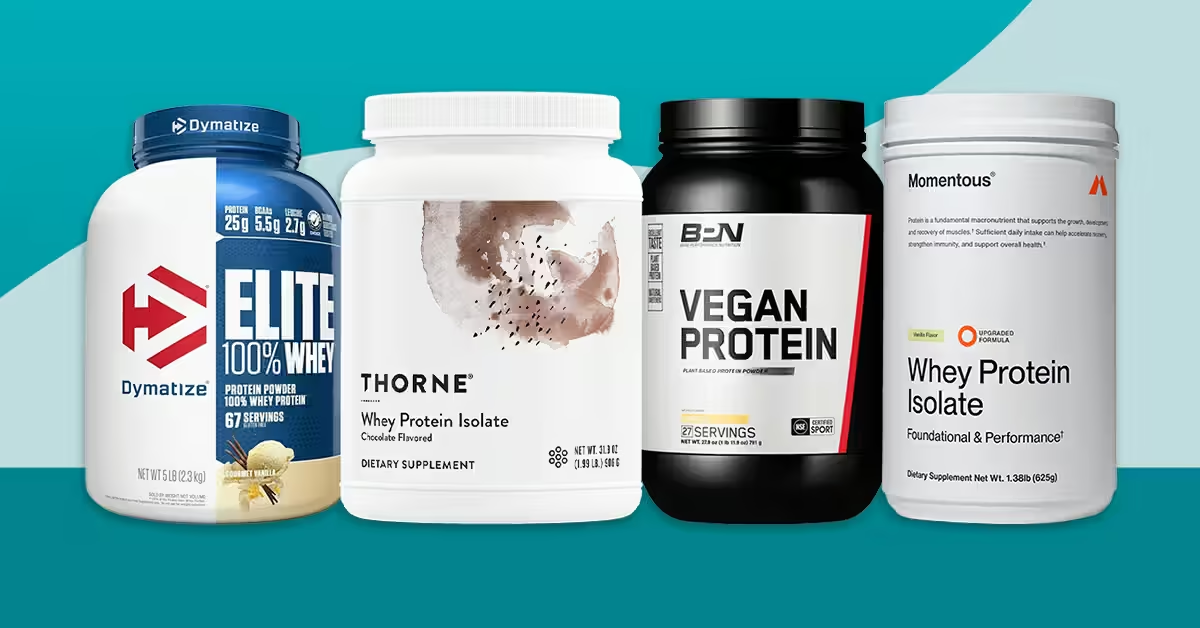
That Sunday afternoon, standing in the supplement aisle overwhelmed by rows of flavored protein products, was the moment I began questioning whether dessert-like options were truly supporting my training goals. I wondered if the flavorings, sweeteners, and additives came at the expense of nutritional quality despite their premium price tags. My sports nutritionist had recommended unflavored protein powder for months, but I resisted, assuming tasteless meant unpleasant. Eventually, I realized simplicity often delivers better consistency, making it easier to build a sustainable daily nutrition habit that genuinely supports long-term fitness progress.
Tried unflavored protein powder for two weeks out of curiosity more than conviction. The flexibility of adding it to meals, smoothies, soups, and sauces without altering the flavor profile of those foods was something the flavored alternatives had been making impossible for the entire period I had been using them without ever considering what I was actually giving up by locking myself into the dessert flavoring that the majority of the protein supplement market defaults to as its primary appeal to the consumer base it is specifically designed to attract through taste rather than nutritional quality and ingredient transparency.
This clean unflavored protein powder mixes perfectly into anything you want and helps your body build real serious muscle fast.
What Unflavored Protein Powder Actually Does:
Most people approaching protein supplementation for the first time focus almost entirely on the flavor and mixability of the products they are considering without giving adequate thought to what is actually in those products beyond the protein content that the front of label marketing highlights while the back of label ingredient list quietly tells a different and sometimes considerably less appealing story about the artificial sweeteners, colors, flavors, and fillers that make the product taste the way it does rather than the way protein actually tastes in its natural state.
Unflavored protein powder delivers the same amino acid profile, muscle protein synthesis support, and satiety benefits as any flavored alternative without the additives that flavored products require to mask the natural taste of the protein source being used in the formulation. The absence of those additives is not a feature that requires compensation. It is a feature that reflects the nutritional confidence of a product that does not need to hide behind flavoring because the protein quality and amino acid profile speak for themselves without the sensory distraction that flavored products rely on to create the purchasing decision that repeat buying specifically depends on throughout the sustained use period.
The Earliest Signs You Need Unflavored Protein Powder:
These patterns appear consistently in people whose flavored protein supplementation is creating problems that the unflavored alternative specifically solves through its ingredient simplicity and culinary versatility that flavored products cannot match regardless of how many different flavor options the brand offers across its product range.
Digestive Issues Persisting:
Consistent bloating, gas, or digestive discomfort after consuming flavored protein products almost always reflects a sensitivity to one or more of the non-protein ingredients that the flavoring requires rather than a sensitivity to the protein source itself. Unflavored protein powder removes the artificial sweeteners including sucralose and acesulfame potassium, the artificial flavors, and the sugar alcohols including xylitol and erythritol that are the most common culprits behind the digestive symptoms that people attribute to protein supplementation generally rather than to the specific additive ingredients that plain protein powder specifically excludes from its formulation throughout.
Flavor Fatigue Setting In:
The specific kind of supplement fatigue that comes from consuming the same chocolate or vanilla protein product twice daily for several months is one of the most common reasons people abandon protein supplementation entirely rather than exploring the unflavored alternative that would allow them to integrate the protein into their actual meals and beverages without the flavor conflict that a chocolate protein powder creates when added to a savory meal or a fruit smoothie that the flavor is actively competing with rather than complementing throughout the daily eating pattern being maintained across the sustained supplementation period.
Cooking and Baking Limitations:
Trying to incorporate flavored protein powder into savory cooking, overnight oats, soups, or protein enriched sauces consistently produces the flavor conflict that undermines the culinary application the person was attempting to achieve through the protein enrichment approach. Unflavored protein powder dissolves invisibly into virtually any food or beverage without altering the intended flavor profile of the meal being prepared allowing the protein content to be increased across the full range of daily meals rather than only the sweet beverages and dessert style foods that the flavored alternatives are specifically formulated to complement through their deliberately chosen flavor profiles and sweetness levels.
How Flavored Protein Powders Create Hidden Problems:
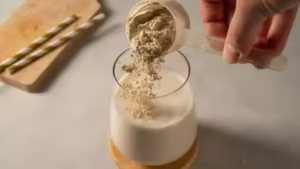
The ingredient lists of most flavored protein powders contain considerably more than the protein source and the natural or artificial flavor that the branding emphasizes as the primary selling proposition of the product being marketed to the consumer making the purchasing decision based primarily on taste preferences and brand familiarity rather than the nutritional and ingredient quality assessment that the sustained daily use of a protein supplement specifically warrants from the person investing in it for the extended supplementation period that achieving meaningful training and nutrition outcomes requires.
Artificial sweeteners used in flavored protein products to achieve the dessert like taste profile without the caloric cost of actual sugar have been linked in growing research to alterations in the gut microbiome composition that reduce the diversity and functionality of the bacterial communities whose metabolic activity directly influences the protein absorption efficiency, insulin sensitivity, and systemic inflammation that body composition and training performance both depend on being optimized rather than inadvertently compromised through the daily artificial sweetener exposure that flavored protein supplementation consistently delivers to the gut environment.
Unflavored Protein Powder Across Different Goals:
Unflavored protein powder serves meaningfully different purposes depending on what the specific training and nutritional goal requires and what the individual’s dietary preferences and culinary habits practically allow for in terms of consistent daily integration throughout the sustained supplementation period.
Muscle Building Goal:
For people pursuing muscle development the most relevant unflavored protein powder options are whey isolate for its complete amino acid profile and rapid absorption characteristics that make it particularly effective in the post-training window when muscle protein synthesis elevation makes protein delivery most productive, and casein for its slow release amino acid profile that provides sustained overnight protein availability during the extended recovery period following the day’s training sessions when muscle tissue repair and remodelling are occurring at the highest rate in response to the mechanical stimulus applied during the training sessions attended throughout the week.
Fat Loss With Muscle Preservation:
For people pursuing fat loss while preserving muscle tissue the most relevant unflavored protein powder options are those that deliver maximum protein per calorie without the additional sweetener driven appetite stimulation that the dessert flavored alternatives can produce through the cephalic phase insulin response that sweet tastes reliably trigger regardless of whether the sweetness comes from sugar or from the artificial sweeteners that flavored protein products use to replicate the sensory experience of consuming something sweet without the caloric cost that actual sugar would add to the daily macronutrient totals being carefully managed throughout the fat loss phase of the training and nutrition programme.
Culinary Protein Enrichment:
For people wanting to increase the protein content of their existing meals and recipes without altering the flavor of those meals unflavored protein powder is the only format of protein supplementation that achieves the protein enrichment objective without the flavor interference that would make the enriched food less palatable or less appropriate for the culinary context in which it is being prepared and consumed.
Adding unflavored whey or casein to soups, sauces, baked goods, overnight oats, smoothies, and even scrambled eggs increases the protein content of those foods without any perceptible change in flavor or texture that the person consuming the enriched food would notice if they were not specifically aware that the protein content had been intentionally increased through the unflavored supplement addition to the preparation of the meal being consumed.
5 Signs Your Protein Supplement Needs Changing to Unflavored:
These specific patterns indicate the current flavored protein approach is creating problems that switching to unflavored protein powder would specifically resolve through its ingredient simplicity and culinary flexibility that the flavored alternatives cannot match regardless of the brand quality or the specific flavor being consumed throughout the daily supplementation routine.
- Persistent digestive discomfort after every serving suggests artificial sweetener sensitivity that unflavored powder specifically eliminates.
- Flavor fatigue causing skipped servings means the flavored format is undermining the supplementation consistency results depend on.
- Inability to use protein powder in savory cooking limits the daily integration opportunities that unflavored powder specifically enables.
- Ingredient label containing more than five non-protein ingredients suggests additive load that unflavored powder avoids entirely.
- Bloating correlating specifically with protein powder consumption rather than other foods points to additive rather than protein sensitivity.
Unflavored Protein Powder: Complete Product Guide
| Product Type | Protein Per Serving | Best Application | Absorption Rate | Key Benefit |
| Whey Isolate Unflavored | 25g to 30g Per Serving | Post Training and Smoothies | Fast Within One Hour | Complete Amino Profile Pure |
| Casein Unflavored | 24g to 28g Per Serving | Overnight and Baking | Slow Four to Six Hours | Sustained Release Satiety |
| Egg White Unflavored | 24g to 26g Per Serving | Cooking and Savory Meals | Moderate Two to Three Hours | Dairy Free Complete Protein |
| Pea Protein Unflavored | 20g to 24g Per Serving | Plant Based Applications | Moderate Two to Three Hours | Vegan Complete Amino Profile |
| Rice and Pea Blend | 20g to 25g Per Serving | All Purpose Daily Use | Moderate Two to Three Hours | Full Spectrum Plant Amino Acids |
What Works Best Alongside Unflavored Protein Powder:
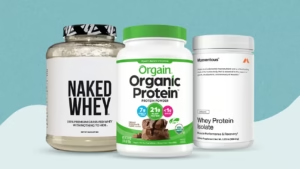
plain protein powder performs better alongside whole food nutrition than as a replacement for whole food meals because the amino acid delivery it provides requires the surrounding dietary and lifestyle variables to be adequate for the protein to translate into the muscle development and recovery outcomes the supplementation is supposed to support through the combination of training stimulus, protein availability, and recovery environment working together rather than independently of each other across the weekly training and nutrition cycle.
Progressive resistance training three to four times weekly provides the muscle building stimulus that directs the protein from unflavored protein powder toward muscle repair and development rather than simply meeting the metabolic protein requirements of non-training days when the anabolic signal for the protein to be allocated toward new tissue development is absent from the biological environment surrounding the protein delivery that the supplementation is providing throughout the daily routine.
5 Daily Habits That Maximize Unflavored Protein Powder Results:
These habits create the daily environment allowing the protein delivery from plain protein powder to actually produce the muscle development, recovery, and body composition outcomes it is capable of generating when every surrounding variable supports rather than undermines the process consistently throughout the sustained supplementation period.
- Adding unflavored protein powder to morning oats or eggs front loads the daily protein intake before appetite suppression peaks.
- Using unflavored protein in post-training smoothies captures the muscle protein synthesis window without flavor competition issues.
- Incorporating unflavored protein into soups and sauces at dinner distributes protein delivery across the full daily meal structure.
- Sleeping seven to nine hours allows the growth hormone release that the protein from unflavored powder drives tissue building toward.
- Tracking weekly protein totals confirms the unflavored approach is consistently meeting the muscle building threshold required.
How Training Quality Determines Unflavored Protein Powder Outcomes:

Plain protein powder delivers the amino acid availability that muscle building requires but the training stimulus determines whether that availability produces lean mass development or simply meets the baseline protein requirements of a body that has received no specific signal to allocate additional amino acids toward new tissue construction.
Progressive overload in compound movements provides the mechanical tension signal that tells the body to build new contractile tissue from the amino acids being delivered by the unflavored protein powder rather than using those amino acids for general metabolic maintenance that does not produce the visible body composition improvements that the protein supplementation was specifically intended to support through the combination of adequate protein availability and adequate training stimulus working together consistently throughout the full development timeline.
The Three Phases of Unflavored Protein Powder Integration:
Understanding how plain protein powder integration moves through distinct phases prevents the most common mistake of abandoning the approach during the initial adjustment period before the culinary habits and daily routine integration that makes the supplementation sustainable long term have been fully established through the consistent practice that new dietary habits require before they become the automatic and effortless daily behaviours that sustained protein supplementation specifically depends on for the consistent amino acid delivery that muscle development and recovery require across every day of the training programme.
Initial Integration Phase:
The first two to three weeks of switching to unflavored protein powder involve discovering the specific applications within the existing daily meal structure where the protein integrates most naturally without requiring the significant meal restructuring that a less versatile supplement format would demand from the person attempting to incorporate it into the established daily eating pattern. Most people find two to three specific daily applications during this phase that become the default integration points for the plain protein powder going forward rather than the broader experimental approach of the initial discovery period when the full culinary versatility of the unflavored format is being explored across the full range of meals and beverages that comprise the daily eating pattern.
Active Optimisation Phase:
From week three or four onward the consistent protein delivery through the established daily integration points combines with progressive training stimulus and adequate recovery to produce the weekly body composition improvements that become measurable in training performance, body measurements, and the visible changes in muscle definition and fat mass that the consistent protein availability the unflavored powder is providing is specifically facilitating through the combination of adequate amino acid delivery and the mechanical stimulus that the training programme is applying to the muscle tissue being developed across the active phase of the body composition improvement programme being pursued seriously throughout.
Long Term Mastery Phase:
After six to eight weeks of consistent unflavored protein powder integration the approach transitions from conscious daily management of the protein supplementation routine into the automatic dietary habit that sustainable long term protein adequacy requires from any supplementation approach that is genuinely going to support the training goals being pursued across the extended development timeline that meaningful body composition improvement requires from the person committed to applying the full framework of adequate training, protein adequacy, recovery quality, and the gut health support that allows every gram of protein consumed from any source to actually reach the tissue requiring it most urgently throughout the sustained programme period.
Conclusion
Unflavored protein powder is the most nutritionally honest, ingredient clean, and practically versatile format of protein supplementation available and the transition from flavored alternatives to unflavored powder is one of the most consistently positive nutritional decisions that people who make it report in terms of digestive comfort, culinary flexibility, and the confidence that comes from knowing exactly what is in the supplement being consumed daily without the additive uncertainty that flavored products consistently introduce through the sweeteners, flavors, and fillers that make them taste the way they do rather than the way the protein they are supposed to be delivering actually tastes in its natural state.
FAQ’s
1. Does unflavored protein powder taste bad?
Honestly the taste concern is almost always worse in your head than reality. Unflavored protein powder has a mild neutral profile that disappears completely when mixed into smoothies, oats or anything with its own strong flavor. Most people who finally try it admit the worry that delayed their switch was genuinely exaggerated compared to the actual experience.
2. Can plain protein powder be used in cooking and baking?
This is actually where unflavored protein powder genuinely shines over flavored alternatives. Scrambled eggs, soups, pancake batter, muffins, overnight oats and pasta sauces all work beautifully without any flavor conflict. Casein handles heat better making it the smarter choice for baked recipes while whey works best in cold no heat preparations consumed throughout the day.
3. Is unflavored protein powder better for digestive health?
For anyone experiencing bloating or discomfort with their current supplement switching to unflavored protein powder almost always helps significantly. Artificial sweeteners, sugar alcohols and artificial flavors are the most common culprits behind digestive complaints and unflavored options eliminate all of them completely through ingredient simplicity that makes them genuinely the most gut friendly format available.
4. How do I make unflavored protein powder taste better?
Stop drinking it alone and start mixing it into foods that bring their own flavor. Banana berry smoothies, chocolate overnight oats, Greek yogurt with honey or savory soups all carry unflavored protein powder effortlessly without any unpleasant taste coming through. The surrounding food does all the heavy lifting and the protein simply disappears into it.
5. Is unflavored protein powder more expensive than flavored options?
Actually the opposite is usually true. Unflavored protein powder typically costs less per gram of protein than flavored alternatives because manufacturing without flavoring, sweetening and coloring systems genuinely reduces production costs. High quality unflavored whey isolate from reputable suppliers consistently delivers better value per gram than equivalent quality flavored products from the same tier.
Summary
Unflavored protein powder supports muscle building, recovery, and body composition improvements when used consistently within a well-structured daily nutrition plan. Its benefits appear when protein intake aligns with training demands, providing amino acids at key recovery periods after workouts and throughout the day. Effective results also depend on progressive training that stimulates muscle growth, quality sleep that supports overnight recovery, and strong digestive health for proper absorption. Because unflavored protein powder contains fewer additives, it can promote better digestion, allowing the body to efficiently use protein for repair, strength development, and long-term fitness progress.