Chicken Salad Chick offers dozens of chicken salad varieties, but the nutrition differences between them are larger than many customers expect. Understanding calories, protein, fat, carbohydrates, and sodium before ordering makes it easier to choose meals that fit different dietary goals.
Chicken Salad Chick publishes nutrition information that many customers never review before ordering. The differences between its menu items can be significant, making the difference between a lighter lunch and a much higher-calorie meal than many people expect.
Understanding Chicken Salad Chick nutrition information before ordering can help you choose meals that better match your calorie and nutrition goals.
What Chicken Salad Chick Nutrition Actually Looks Like Per Serving:
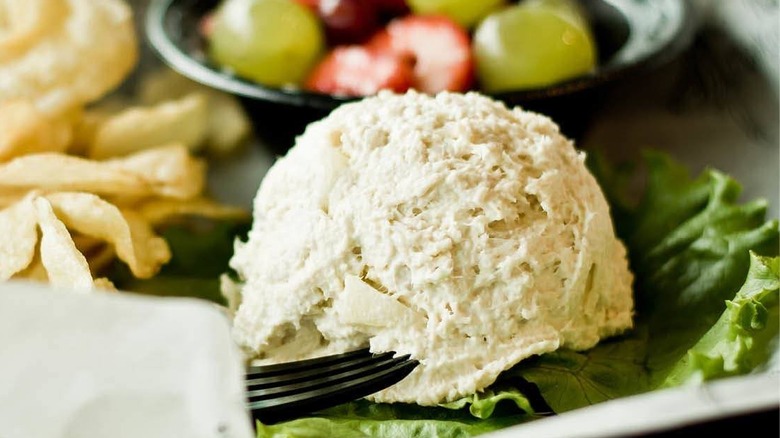
Every nutrition decision at Chicken Salad Chick starts with the regular scoop, which weighs about 5 ounces. Knowing the nutrition of one scoop makes it much easier to compare menu items and build a meal that fits your goals.
A regular scoop of Classic Carol contains about 350 calories with 22 grams of protein. Most of its calories come from mayonnaise, which explains the higher fat content. If you’re looking for a filling, low-carbohydrate lunch, it’s a better choice than ordering the same scoop on a croissant.
What surprises most people when they examine the nutrition facts is how dramatically those numbers shift the moment you select a serving vehicle. That same Classic Carol scoop, placed on a croissant, pushes calories to approximately 680 calories, increasing the total by roughly 90% compared with ordering the scoop alone. Add chips and a sweet tea and the meal climbs toward 1,100 calories, rivaling most full fast-food combo meals. The scoop itself isn’t the problem. The packaging around it is precisely where caloric decisions get made and where the nutrition information becomes especially useful for anyone eating here regularly.
Five Macro nutrient Realities That Define Chicken Salad Chick Nutrition:
These figures are drawn from the chain’s publicly available nutrition disclosures for standard regular scoop servings:
- Calories per scoop: Regular scoops range from 330 to 420 calories across flavors — Fancy Nancy, with grapes and pecans, sits at the upper end, while lighter herb-forward flavors trend toward the lower boundary.
- Protein range: Most classic flavors deliver 20–24 g protein per regular scoop, making the menu a competitive protein-per-calorie option compared with many fast-casual lunch choices.
- Fat composition: Total fat per scoop runs 27–34 g, predominantly from mayonnaise — the singular ingredient that defines flavor, texture, and calories across every variety on the menu.
- Carbohydrates: Standalone scoop servings average just 2–12 g carbohydrates depending on add-ins — grapes and dried fruit flavors sit higher, plain savory flavors sit near the lower boundary.
- Sodium load: Most scoops contain between 450 and 650 milligrams of sodium. That isn’t necessarily a concern for everyone, but people following a lower-sodium diet may want to pay closer attention to both their flavor choice and side dishes.
Protein and Fat Distribution in Popular Menu Varieties:
Breaking down the protein and fat across the menu requires more granularity than a simple macros summary provides. The meaningful differences between flavor profiles — driven by add-ins like pecans, grapes, and dill — create measurably distinct protein and fat distributions worth understanding before committing to any regular order.
1: Classic and Original Flavors — Protein Per Scoop
Classic Carol and its closest relatives — savory, mayonnaise-based, no add-ins beyond seasoning — deliver one of the best balances of protein, fat, and carbohydrates on the menu for protein-focused diners. At approximately 22 grams of protein per 350 calories, Classic Carol offers a good amount of protein for its calorie level. The chicken itself is shredded white meat, with no filler starches diluting protein density per ounce — a practical advantage over processed sandwich proteins.
2: Fat Sources and Fatty Acid Composition
Mayonnaise is the dominant fat source in every flavor, providing primarily oleic acid (monounsaturated) and linoleic acid (polyunsaturated) from soybean or canola oil bases. A regular scoop contains approximately 3–5g saturated fat from the chicken base and any egg yolk present in the mayo formulation. For perspective, the saturated fat per scoop is lower than a single serving of most full-fat cheeses — a comparison that reframes how the fat profile functions within a balanced eating day.
3: How Mayonnaise Affects the Complete Fat Profile
Full-fat commercial mayonnaise accounts for roughly 60–70% of the total calories in a plain chicken salad scoop. Flavors like Fancy Nancy that incorporate pecans layer additional fat from tree nuts — predominantly polyunsaturated and monounsaturated — on top of the mayo base. What this means is simple: choosing a nut-inclusive flavor adds 4–8g fat per scoop while simultaneously improving the fatty acid distribution and contributing fiber that plain mayo-only scoops don’t provide.
Five Ways Menu Variety Affects Your Meal:
The 30-plus flavor lineup creates a wide nutritional spectrum. Knowing which categories to navigate changes outcomes measurably:
- Fruit-inclusive flavors (Fancy Nancy, Kicking’ Kay Lynne): These add 8–18g carbohydrates per scoop from grapes, raisins, and seasonal fruit — meaningful for keto dieters who incorrectly assume all of the chicken salad chick nutrition menu is inherently sugar-free.
- Nut-inclusive flavors: Pecans and walnuts add 40–80 calories per scoop while improving the polyunsaturated fat ratio — while increasing the proportion of unsaturated fats. Many dietary guidelines recommend replacing some saturated fats with unsaturated fats as part of a balanced diet.
- Spicy flavors (Jalapeno Holly, Sassy Scott): These typically add minimal calories beyond the base, making spicy varieties among the smartest calorie-per-scoop choices anywhere on Chicken Salad Chick’s menu for calorie-managed diners.
- Croissant vs. whole wheat bread: Switching from a croissant (280–320 calories) to whole wheat bread (160–180 calories) saves well over 100 calories per meal with no change whatsoever to the chicken salad itself — one of the simplest ways to reduce calories available.
- Side dish impact: A side of chips adds 150–180 calories; a side of fruit salad adds 60–80 calories. That 90–120 calorie difference across five weekly visits produces a 450–600 calorie weekly variance driven by one single side dish decision.
Carbohydrates, Fiber, and the Low-Carb Appeal of This Menu:
The restaurant’s carbohydrate information doesn’t get enough attention — most people ordering here assume the chicken base is low-carb, and the scoop itself largely is. But vehicle choices, side dishes, and specific flavor add-ins collectively create carbohydrate ranges that span from under 5g to over 50 g per meal.
1: Net Carbohydrate Range Across All Flavor Profiles
Among the chain’s classic savory flavors, net carbohydrates per regular scoop range from 2–5g — genuinely compatible with strict ketogenic protocols capping daily carbs at 20–25 g. Olivia’s Old South adds sweet pickle relish, pushing net carbs to approximately 8g per scoop. Fancy Nancy, with grapes and raisins, reaches 12–15g net carbs. Understanding this variability makes chicken salad chick nutrition easier to manage for low-carb dieters without requiring blanket restriction of the entire menu across every flavor category.
2: Bread and Croissant — Where Carbohydrates Actually Come From
For sandwich orders, the serving vehicle is responsible for approximately 85–95% of total meal carbohydrates. A croissant contributes 28–32 g carbohydrates; white sandwich bread contributes 22–26 g; whole wheat adds 24–28g with the compensating benefit of 2–3 g additional dietary fiber. Lettuce wrap orders eliminate the bread variable entirely, dropping meal carbohydrates to the scoop’s native 2–15g depending purely on flavor selection.
3: Fiber Content and Digestive Health Implications
A plain chicken salad scoop contributes minimal dietary fiber — typically 0–1 g per serving depending on flavor. This is one of the genuine nutritional limitations for regular consumers relying heavily on this meal as a daily lunch staple. Pairing a scoop with a green side salad adds about 3–4 grams of fiber. Choosing a nut-inclusive flavor contributes a small amount of additional fiber, although it also increases calories because of the added nuts. Diets that include unsaturated fats are generally associated with better heart health when they replace saturated fats
Although the calorie difference between flavors is modest, choosing lower-calorie options consistently can reduce your weekly calorie intake without changing portion size.
Five Sodium and Micronutrient Facts About the Menu:
These data points round out the full micronutrient picture beyond macros:
- Sodium per scoop: Ranges 450–650 mg per regular scoop — placing a single scoop at 20–28% of the 2,300 mg daily American Heart Association ceiling before sides or beverages add their contributions to the total.
- Calcium content: Minimal per scoop — approximately 2–4% of daily value — confirming this chain doesn’t function as a meaningful calcium source despite its high protein density per meal.
- Iron contribution: Each scoop delivers approximately 4–6% of daily iron requirements from the chicken white meat base — a modest but real contribution for non-heme iron targets in plant-limited diets.
- Vitamin B3 (Niacin): Chicken white meat is a genuinely strong niacin source, with each scoop providing an estimated 30–40% of the daily recommended intake — a micronutrient the calorie conversation consistently overlooks.
- Selenium: Each scoop provides roughly one-quarter of the recommended daily selenium intake. Selenium is an essential mineral involved in normal thyroid function and antioxidant processes.
Chicken Salad Chick Nutrition — Comprehensive Data Reference Table:
| Menu Item | Calories | Protein | Total Fat | Net Carbs | Sodium |
| Classic Carol (Regular Scoop) | ~350 | 22g | 29 g | 3 g | 480mg |
| Fancy Nancy (Regular Scoop) | ~390 | 21 g | 31 g | 12 g | 490 mg |
| Jalapeno Holly (Regular Scoop) | ~370 | 22g | 29 g | 5g | 530 mg |
| Olivia’s Old South (Regular Scoop) | ~370 | 22g | 28g | 8g | 620 mg |
| Sassy Scott (Regular Scoop) | ~380 | 21 g | 30 g | 6g | 560 mg |
| Classic Carol on Croissant | ~680 | 26 g | 48 g | 33g | 730 mg |
| Classic Carol on Wheat Bread | ~530 | 28g | 31 g | 28g | 700 mg |
| Classic Carol — Lettuce Wrap | ~360 | 23 g | 30 g | 4g | 490 mg |
| Classic Carol on Crackers (5 crackers) | ~430 | 23 g | 31 g | 22g | 620 mg |
| Side Fruit Salad | ~70 | 1 g | 0 g | 17 g | 5 mg |
| Side Chips | ~165 | 2 g | 10g | 20g | 180 mg |
| Side Green Salad (no dressing) | ~25 | 1 g | 0 g | 4g | 35 mg |
As the table shows, Classic Carol provides a good amount of protein while remaining relatively low in carbohydrates. The main nutritional trade-off is its higher fat content from mayonnaise. If your goal is weight management, paying attention to bread choices will usually have a bigger impact than changing chicken salad flavors.
How Chicken Salad Chick Compares With Other Fast-Casual Chains:
Comparing the restaurant’s nutrition information with other fast-casual chains converts abstract numbers into meaningful context for anyone deciding where their lunch dollar and dietary goals are best served. The comparisons across calories, protein, sodium, and fat reveal where this chain genuinely excels and where alternatives better serve specific dietary goals.
1: Calories and Protein Versus Panera, Subway, and Chick-fil-A
Chick-fil-A’s Grilled Nuggets (8 count) provide 200 calories and 25 grams of protein. They offer more protein for fewer calories than a regular scoop, although the higher fat content of chicken salad may help some people feel full for longer.
2: Sodium Comparison Across Fast-Casual Chains
Sodium is one area where the restaurant’s menu is less competitive relative to lighter chains. At 450–650 mg per scoop before vehicle or sides, and 700–800 mg in sandwich format, the sodium levels exceed a Subway 6-inch Turkey Breast (570 mg) and approach a Chick-fil-A Grilled Chicken Sandwich (760 mg). For individuals managing blood pressure or following a sodium-restricted medical diet while examining chicken salad chick nutrition, this is not a casual data point — it is an important factor to consider before ordering
3: Fat and Carbohydrate Profiles Head-to-Head
The scoop format’s high-fat, low-carbohydrate profile is one of the biggest differences between this menu and many competing fast-casual restaurants. A scoop meal at 29–34 g fat and 3–12 g net carbs compares starkly with a Panera You Pick Two combination averaging 40–60 g carbohydrates and 15–20g fat — essentially the opposite macronutrient profile. For people following a low-carbohydrate or ketogenic eating pattern, the scoop format may be easier to fit within their daily carbohydrate goals.
Five Evidence-Based Strategies to Optimize Your Chicken Salad Chick Nutrition:
Each strategy below is specific, actionable, and grounded in the chain’s verified nutritional data rather than generic dietary advice:
- Always order the scoop, never the croissant: The croissant nearly doubles the calories of the meal while adding much less protein than the chicken salad itself, making it one of the biggest factors affecting the overall nutrition.
- Choose spicy or herb-forward flavors for lowest carbs: Jalapeno Holly and Dilly Sally both deliver the chain’s lowest carbohydrate counts per scoop, making them the default choice for anyone actively managing blood glucose or macro-level carbohydrate targets.
- Pair your scoop with the green side salad: The green side salad adds fiber, micro nutrients, and food volume at approximately 25 calories without dressing — the highest nutritional value add-on available for improving the total meal profile per calorie spent.
- Request all dressings on the side: Standard dressings add 130–200 calories per serving when kitchen-applied; side dressing application typically reduces consumption by about half, recovering 50–120 calories per meal without eliminating the flavor contribution.
- Order two scoops instead of one sandwich: Two scoops provide roughly 45 grams of protein, which is enough to make a substantial contribution toward many adults’ daily protein needs.
Choosing Menu Items for Different Dietary Goals:
Individual fitness goals determine whether these meals fit your eating plan or make it harder to reach your goals. Weight-loss, muscle-building, and ketogenic frameworks each apply entirely different criteria when evaluating the same scoop of chicken salad — and understanding those differences can help people make more informed ordering decisions that silently sabotage meaningful progress.
1: For Weight Loss and Sustained Caloric Deficit
The regular scoop at 350–390 calories delivers genuine satiety through protein and fat, making these meals a practical option for people managing calories when ordered in scoop format on greens or a lettuce wrap. The primary risk for weight management clients is caloric inflation from sides and beverages — a caramel swirl iced coffee or full sweet tea adds 150–250 calories in liquid form, converting a well-managed 370-calorie scoop meal into a 600-plus calorie lunch without a single additional food item appearing on the tray.
2: For High-Protein and Muscle-Building Protocols
Athletes chasing 150–200 g daily protein find that this chain contributes meaningfully but not dramatically to total daily targets. Two scoops deliver 44–48 g protein — a solid single-meal contribution. The limiting factor is fat-to-protein ratio: at approximately 1.3 g fat per gram of protein, the macro nutrient composition skews high-fat compared to pure lean protein sources like grilled chicken breast or low-fat Greek yogurt. For bulk phases with flexible caloric headroom, this ratio is entirely acceptable; for calorie-restricted cutting phases, leaner protein sources more efficiently serve the goal.
3: For Low-Carb and Ketogenic Lifestyles
Keto dieters may find this chain represents one of the most restaurant-friendly options available in the fast-casual category when ordered correctly. A plain Classic Carol or Jalapeno Holly scoop at 3–5g net carbs fits comfortably within a 20g daily carbohydrate ceiling with significant headroom remaining. The critical caveat: fruit-inclusive flavors at 12–15g net carbs per scoop can consume a substantial portion of the daily keto carb budget in a single meal if the flavor variable isn’t tracked specifically.
Can This Menu Fit a Weight Management Plan?
The satiety research on high-protein, high-fat meal combinations directly supports the role of chicken salad chick nutrition in weight management protocols that prioritize hunger suppression over strict caloric minimization alone. Meals containing protein and fat may help some people feel full for longer than meals that are primarily refined carbohydrates.
Data from Chicken Salad Chick’s published nutrition information shows that scoop-only meals are typically high in fat, moderate in protein, and low in carbohydrates, especially the classic savory flavors. Research suggests that higher-protein meals may help increase feelings of fullness for some people, making them a practical option within a calorie-controlled eating plan. If you eat at Chicken Salad Chick several times a week, one of the simplest ways to reduce your weekly calorie intake is to order a scoop instead of a croissant sandwich. This change lowers calories while keeping the main source of protein the same.
Making Chicken Salad Chick-Style Recipes at Home — Nutritional Benefits:
Home preparation delivers complete control over the three variables that most affect the final outcome: sodium content, fat type, and total calorie density per serving. The standard recipe framework — shredded rotisserie chicken breast, full-fat or light mayo, seasoning, and flavor-specific add-ins — is straightforward to replicate without specialized equipment or advanced cooking skill.
Swapping full-fat mayonnaise for a 50/50 blend of full-fat mayo and plain Greek yogurt reduces total fat per serving by approximately 8–10g while adding 3–5g protein — precisely the macro nutrient shift someone trying to make a lighter version at home would specifically want from a home preparation investment. At-home preparation also eliminates the sodium loading that commercial production introduces — a home-prepared scoop using reduced-sodium mayo and fresh-cooked chicken can run 200–280 mg sodium per serving versus the 450–650 mg in restaurant versions, a 200–370 mg reduction that matters significantly across a week of regular consumption.
Conclusion
Chicken Salad Chick can be a practical choice for people looking for a protein-rich meal, but the overall nutrition depends on how you build your order. While the regular scoops are relatively low in carbohydrates and provide a good amount of protein, they are also high in fat because mayonnaise is the main ingredient. Bread choices, side dishes, dressings, and sweet drinks often have a bigger impact on the total calories and carbohydrates than the scoop itself.
If your goal is weight management, choosing a scoop with a green side salad or lettuce wrap can help keep the meal balanced. Taking a few moments to compare the nutrition information before ordering makes it easier to select menu items that fit your calorie, protein, carbohydrate, and sodium goals without giving up the flavors you enjoy.
FAQ’s
Q1: What is the lowest-calorie scoop option at Chicken Salad Chick?
Classic herb and savory flavors without fruit or nut add-ins average the lowest counts, typically 330–350 calories per regular scoop.
Q2: Is Chicken Salad Chick food compatible with a ketogenic diet?
Yes — plain savory scoop flavors deliver 3–5g net carbs per regular scoop, fitting comfortably within a standard keto ceiling.
Q3: How much protein does a regular scoop typically contain?
Most regular scoop flavors deliver 20–24 g complete protein from shredded white meat chicken per serving.
Q4: Which bread vehicle adds the fewest calories to a scoop order?
Whole wheat sandwich bread adds approximately 160–180 calories, making it the lowest-calorie bread option on the standard menu.
Q5: Does Chicken Salad Chick offer options for gluten-sensitive diners?
Yes — lettuce wrap and cracker-based serving formats accommodate gluten-sensitive ordering when explicitly requested at the counter.
Summary
Chicken Salad Chick offers fresh, scratch-made options tailored to various diets. Classic scoops like Classic Carol provide high protein (20–24 g) and low carbohydrates, making them ideal for keto or low-carb preferences. However, because they use a mayonnaise base, these salads are relatively high in fat and calories, typically ranging from 350 to 430 calories per serving.
References
- USDA FoodData Central
- Chicken Salad Chick Official Nutrition Information
- American Heart Association – Dietary Sodium Recommendations
- U.S. FDA Daily Value Guide