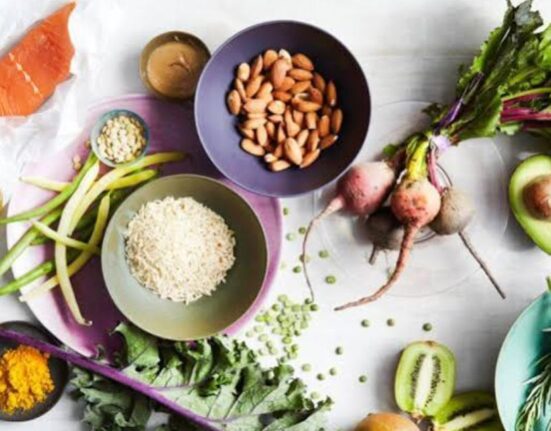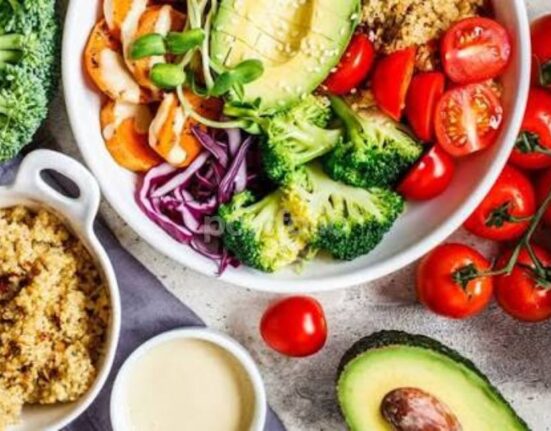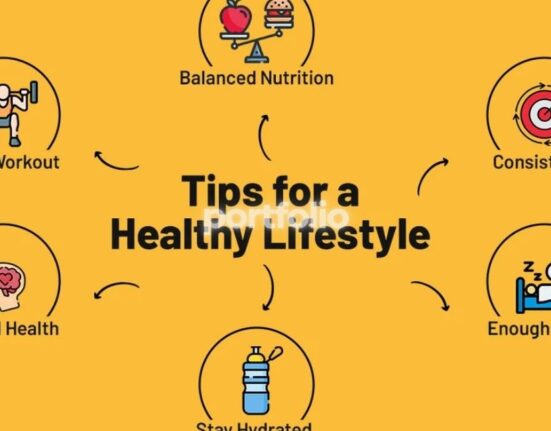
I slowly incorporated more healthy foods into the day (fruit and vegetables, eggs and whole grains). Eventually, I found that eating healthier foods meant extra energy and better focus during the day. In my experience a few wise tweaks to your diet can transform healthy eating from an exercise in willpower into the most satisfying and enjoyable of activities.
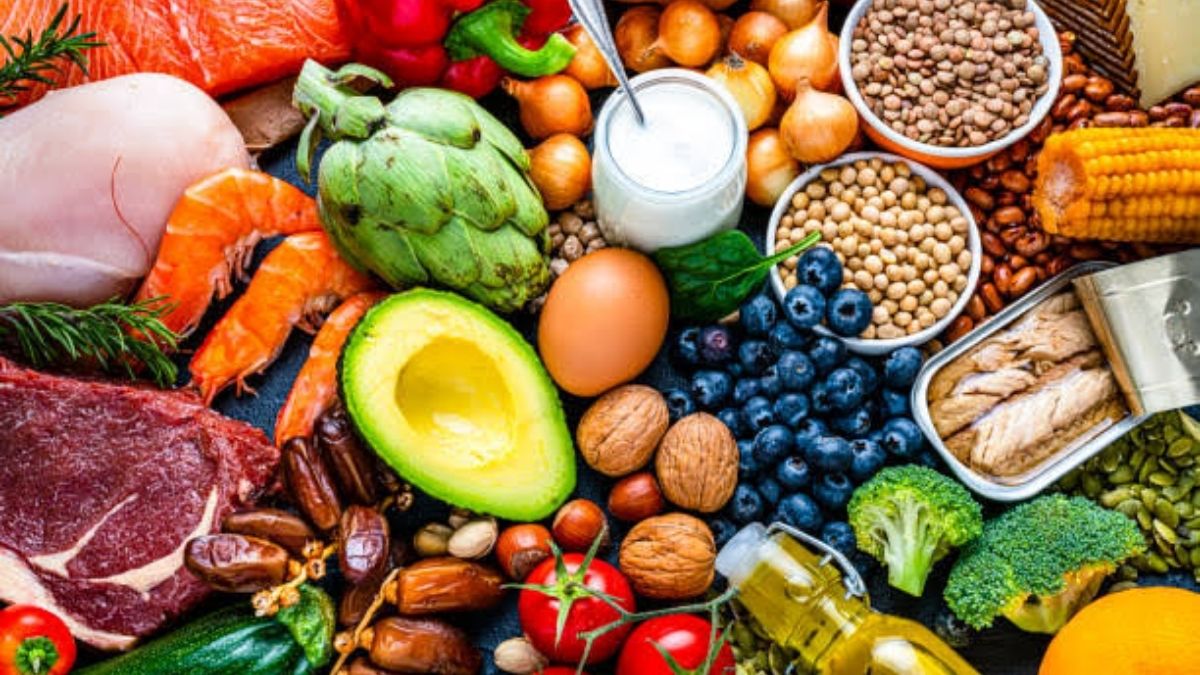
In contrast, Healthy Foods provide vitamins, minerals, protein, fiber and healthy fats that are the basic building blocks of good health. Many foods such as fruits, vegetables, whole grains, beans, eggs, fish, nuts and seeds may help us maintain a good diet and healthy lifestyle in the future. Consuming nutrient-dense foods on a daily basis can improve energy, support digestion and promote overall wellness.
Let me take you on a journey where I will educate you about Healthy Foods, benefits of healthy foods, nutritional content and simple ways to incorporate some of them into your everyday diet.
What Are Healthy Foods?
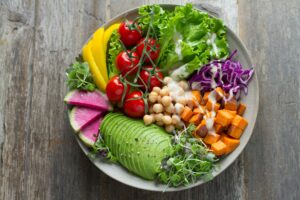
Functional foods are nutrient-dense foods that contain vitamins, minerals, protein, fiber, unsaturated fats and carbohydrates. These nutrients support normal bodily functions while providing energy throughout the day. An overall healthy diet is not based on one food. Instead, it is about creating a healthy eating pattern with a variety of nutritious foods that can be enjoyed regularly.
8 Healthy Foods You Should Be Eating
Fruits
Fruits are an excellent source of vitamins, minerals, fiber and other plant compounds that support good health. Apples, bananas, oranges, berries, mangoes, pomegranates and guava are some fruits that you can easily add to your daily diet. Instead of eating highly processed sweets, try fresh fruit for breakfast or as a snack.
Vegetables
Vegetables are great for helping you feel full because they contain fiber and many other nutrients. Leafy greens, carrots, tomatoes, broccoli, cucumbers, peppers and cauliflower can add variety to meals while providing important nutrients. Try to eat a variety of colorful vegetables because different colors can provide different beneficial plant compounds.
Whole Grains
Whole grains contain all of the major parts of the grain, while refined grains have some natural components removed. Examples include brown rice, whole-wheat bread, oats and barley. Choosing whole grains instead of refined grains can increase your dietary fiber intake and improve the overall quality of your diet.
Beans and Lentils
Beans, chickpeas, legumes and lentils are affordable sources of plant protein and fiber. These foods can be used in soups, salads, curries and many other dishes. Legumes are versatile ingredients that can easily be added to everyday recipes to create filling and nutritious meals.
Eggs
Eggs are a good source of protein and other important nutrients. They can be prepared in several simple ways, including boiled, scrambled or cooked with vegetables. A nutritious breakfast can include eggs with vegetables and whole-grain toast.
Fish
Fish is an excellent source of protein, and many types of fish also provide omega-3 fatty acids. Salmon, sardines and trout are examples of nutritious choices. Try baking, grilling or steaming fish instead of frequently choosing fried preparations.
Nuts and Seeds
Nuts and seeds contain healthy fats, protein, fiber, vitamins and minerals. Adding almonds, walnuts, peanuts, chia seeds, flaxseeds and pumpkin seeds to meals and snacks can increase their nutritional value. Moderation is important because nuts and seeds are relatively high in calories.
Dairy and Other Calcium-Rich Foods
Dairy products such as milk, yogurt and cheese can provide protein and calcium. Unsweetened yogurt can be a convenient snack, while milk can be added to breakfast or smoothies. If you avoid dairy, fortified alternatives can provide similar nutrients, depending on the product.
Benefits of Eating Healthy Foods
A wholesome and balanced diet can support your health in many ways. Choosing a variety of Healthy Foods can help provide essential nutrients that your body needs every day.
Macronutrients: Carbohydrates, fats and proteins are three macronutrients that provide energy and support important body functions.
Help with digestion: Foods high in fiber can help digestion.
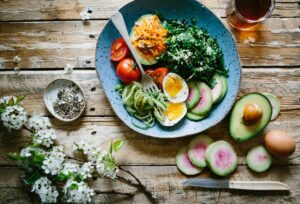
A balanced diet also provides vitamins and minerals that support normal immune system function.
Support maintaining a healthy weight: Consuming nutrient-rich foods can help you feel satisfied after meals.
Benefit Heart Health: Consuming plenty of vegetables, fruits, whole grains, legumes, nuts and other nutritious foods can support cardiovascular health.
Strong Bones: Calcium, vitamin D, protein and other nutrients can help support strong bones.
Healthy Foods for Breakfast

Breakfast does not have to be complicated. Consider options such as:
Oatmeal with fruit and nuts
Eggs (with veggies and whole-wheat toast on the side)
Fruits and seeds with natural yogurt
1 portion of wholegrain cereal with milk and fruit
A fruit and yogurt smoothie
So instead of going for highly processed breakfast foods, reach for a plate that contains two or three different food groups combined. Including Healthy Foods at breakfast can help you start the day with a balanced and satisfying meal.
Healthy Foods, Lunch And Dinner

Prepare a healthy lunch and dinner.
Lunch or Dinner: Build your plates around a protein source and a base of vegetables and other whole or minimally processed carbohydrate sources.
Just opt for grilled chicken, vegetables and brown rice or lentils with curry and whole-wheat roti. The foods you put on the table may depend on taste, culture, budget and nutritional needs. Choosing Healthy Foods does not mean giving up traditional meals; instead, you can make balanced choices using familiar ingredients.
Healthy Snacks
Healthy snacking can help you maintain balanced eating habits throughout the day. Some simple choices include:
Fresh fruit
A small handful of nuts
Plain yogurt
Carrot or cucumber sticks
Roasted chickpeas
Fruit with unsweetened yogurt
Choosing Healthy Foods for snacks can be a simple way to replace highly processed options with more nutritious alternatives.
Foods to Limit
Healthy eating does not mean completely avoiding your favorite foods. However, foods and drinks that are high in free sugars, excess sodium, saturated fats and highly processed ingredients are generally best consumed less often.
Limit the intake of sugary beverages, ultra-processed snacks, fried foods and foods with high amounts of added sugar or salt. Instead, focus more often on nutritious options and a variety of Healthy Foods.
HEALTH FOOD HACKS — EASY TIPS GET POSITIVE FOOD INTO YOUR DIET MORE
You train your nutrition by simplifying.
Vegetables should be a large part of your main meals.
Eat whole fruits instead of fruit-flavored sugary snacks.
Drink Water A LotSweet And Fat Reduce
Ensure that your meals have some kind of protein source.
Choose whole grains when possible.
Home Snacks Availability
When purchasing packaged foods, read the nutrition labels carefully.
Make gradual and sustainable changes that you can maintain for life.
Adding more Healthy Foods to your regular meals does not have to be difficult. Small, consistent changes can make healthy eating easier and more enjoyable.
Conclusion
Healthy food supports growth, repair and many essential processes in the human body. Include fruits and vegetables, whole grains, beans and legumes such as chickpeas or kidney beans, eggs, fish, nuts and seeds in your diet. This is why extreme diets should generally be avoided in favor of a varied eating pattern that considers portions, nutritional needs and consistent food choices over time.
The goal is not perfection but balance, variety, moderation and consistency. By making gradual changes to your daily routine, you can develop healthier eating habits and enjoy more Healthy Foods as part of your lifestyle.
FAQ’S
Daily Weight Loss Diet Plan: What To Eat Every Day?
A balanced diet can contain fruits, vegetables, whole grains, beans and lentils, nuts and seeds, and appropriate sources of protein. Your individual nutritional needs can vary, so a qualified professional can provide personalized guidance.
Should you eat fruits on a daily basis?
Yes. Whole fruits can be part of a healthy eating pattern because they provide fiber, vitamins, minerals and beneficial plant compounds. Including fruits among your Healthy Foods can add natural sweetness and variety to your meals.
What foods to limit?
You should generally limit foods and drinks that are high in added sugars, excess sodium and unhealthy fats. Highly processed snacks, sugary drinks and frequent fried foods can be replaced with more nutritious choices.
What are health-enhancing foods?
A variety of nutrient-dense foods such as vegetables, fruits, whole grains and protein-rich foods can support a balanced diet. These Healthy Foods can help provide important nutrients while keeping meals flavorful and satisfying.
How to Start Eating Healthy
Start small by adding more vegetables, choosing whole-grain bread instead of white bread, drinking more water and replacing highly processed snacks with nutritious alternatives. Gradually increasing Healthy Foods in your daily routine can make healthy eating easier to maintain.
Summary
Healthy eating is an essential part of living a sustainable life. Eating a variety of foods including fruits, vegetables, whole grains, legumes such as lentils and beans, protein sources such as seafood and poultry, nuts and seeds can support overall health. Do not seek perfection; focus on balance, variety, moderation and consistency.