

I visited a dentist because my gums were bleeding every time I brushed my teeth. After an examination, I learned it was caused by gum inflammation and started the recommended treatment. Within a few weeks of following the dentist’s advice and improving my oral hygiene, the bleeding had stopped.
Bleeding gums are often an early sign of gum disease or poor oral health and should not be ignored. Visiting a dentist promptly can help identify the underlying cause and prevent more serious dental problems.
Bleeding gums are your mouth’s warning sign to visit a dentist before the problem gets worse.
Dentist for Bleeding Gums
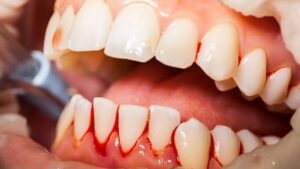
Bleeding gums are one of the most common dental problems affecting people of all ages. While many individuals assume occasional bleeding during brushing or flossing is normal, healthy gums should not bleed regularly. Persistent bleeding is often an early warning sign of gum disease or another oral health issue that requires professional attention.
Ignoring bleeding gums may allow minor inflammation to develop into a more serious condition, potentially resulting in gum recession, loose teeth, bone loss, and even tooth loss. Fortunately, early diagnosis and proper treatment can reverse many gum problems before they become severe. If you’re searching for a dentist for bleeding gums, you’re already taking the right first step toward protecting your oral health. A qualified dentist can determine the underlying cause, provide effective treatment, and recommend preventive strategies to keep your gums healthy.
This comprehensive guide explains everything you need to know about bleeding gums, including common causes, symptoms, diagnosis, treatment options, home care, prevention, and frequently asked questions.
What Are Bleeding Gums?
Bleeding gums occur when the soft tissues surrounding your teeth become irritated or inflamed, causing them to bleed during brushing, flossing, eating, or sometimes even without contact.
Healthy gums are typically pink in color, firm and tight around the teeth, free from swelling, and resistant to bleeding. If your gums bleed frequently, it usually indicates that bacteria and plaque have irritated the gum tissue. In many cases, this is the earliest stage of gum disease, known as gingivitis. The good news is that gingivitis is reversible when treated early by a dentist.
Common Causes of Bleeding Gums
Several factors can contribute to bleeding gums. Poor oral hygiene is one of the most common causes, as inadequate brushing and flossing allow plaque to accumulate along the gumline. This plaque contains bacteria that trigger inflammation, leading to redness, swelling, and bleeding. Over time, plaque hardens into tartar, which requires professional cleaning.
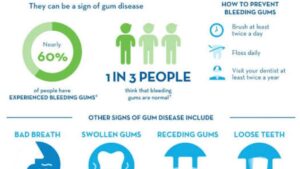
Gingivitis is another major cause and represents the earliest stage of gum disease. It is characterized by bleeding while brushing, puffy gums, redness, mild tenderness, and bad breath. If treated early, gingivitis is completely reversible through professional cleaning and improved oral hygiene.
If gingivitis is left untreated, it can progress into periodontitis, a more advanced form of gum disease that damages gum tissue, tooth-supporting ligaments, and even the jawbone. This condition may lead to deep gum pockets, gum recession, loose teeth, and persistent bleeding, and requires specialized dental treatment.
Aggressive brushing can also cause bleeding gums. Brushing too hard or using a toothbrush with stiff bristles can injure gum tissue, even though many people mistakenly believe harder brushing is more effective. Gentle brushing with a soft-bristled toothbrush is much safer and more effective.
Starting flossing again after a long break can also lead to temporary bleeding, but this usually improves as the gums become healthier. Smoking and tobacco use significantly weaken gum health by reducing blood flow and increasing the risk of infection and slow healing.
Nutritional deficiencies, especially in vitamin C, vitamin K, calcium, and vitamin D, may also contribute to gum problems. A balanced diet plays an important role in maintaining healthy gums. Hormonal changes during pregnancy can increase gum sensitivity, often leading to pregnancy gingivitis.
Certain medications, including blood thinners, aspirin, some blood pressure medications, and anti-seizure drugs, can increase the likelihood of gum bleeding. In some cases, underlying medical conditions such as diabetes, blood clotting disorders, or immune system issues may also be responsible and should be evaluated by a healthcare professional.
Symptoms That Require Immediate Dental Attention
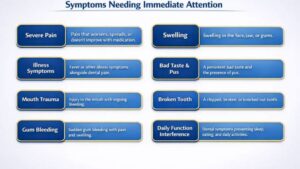
You should visit a dentist if bleeding continues for more than a week, or if you experience swollen or painful gums, persistent bad breath, pus around the teeth, loose teeth, receding gums, tooth sensitivity, difficulty chewing, or gum abscesses. These symptoms may indicate a more advanced gum condition that requires prompt treatment.
Why Visiting a Dentist Is Important
Many people try to manage bleeding gums using mouthwash or home remedies, but these only provide temporary relief. They do not remove tartar or treat underlying gum disease. A dentist can identify the exact cause, remove harmful plaque and tartar, prevent tooth loss, detect early gum disease, and recommend personalized treatment. Professional care is essential for long-term oral health.
What Happens During Your Dental Appointment?
During a dental appointment, your dentist first reviews your medical history, including medications, existing health conditions, smoking habits, and previous dental treatments. Then a thorough oral examination is performed, including inspection of the teeth, gums, tongue, cheeks, jaw, and bite alignment.
The dentist may measure gum pocket depth using a periodontal probe. Healthy gum pockets typically measure between one to three millimeters, while deeper pockets may indicate gum disease. Dental X-rays may also be taken to detect bone loss, hidden decay, or infections. Based on these findings, a personalized treatment plan is created.
Treatment Options for Bleeding Gums
Treatment depends on the severity of the condition. Professional dental cleaning is often used for mild gingivitis to remove plaque and tartar, reduce inflammation, and improve gum health. In more advanced cases, scaling and root planing may be performed to clean below the gumline and help gums reattach to the teeth.
Dentists may also prescribe antibiotics such as antibacterial mouthwash, gels, or oral medications to control infection. In severe cases, periodontal treatments such as laser therapy, flap surgery, bone grafting, or tissue grafting may be necessary. Patients are also guided on proper brushing, flossing, and oral hygiene techniques.
Home Care for Bleeding Gums
Good home: care is essential for recovery.
Brush twice: daily with a soft-bristled toothbrush and fluoride toothpaste, using gentle circular motions for at least two minutes to help maintain gum health.
Floss daily: to remove plaque from areas that a toothbrush cannot reach.
Using an antibacterial mouthwash can help reduce bacteria, while staying hydrated supports saliva production and oral cleansing. A healthy diet rich in leafy greens, citrus fruits, dairy, fish, nuts, and lean proteins supports gum healing. Avoiding tobacco use significantly improves gum recovery and long-term health.
Can Bleeding Gums Heal?
- Bleeding gums can heal, depending on the underlying cause.
- Mild gingivitis can improve within 1–2 weeks with proper oral hygiene and professional cleaning.
- Moderate gum disease may require ongoing treatment over several weeks or months.
- Severe periodontitis can be managed, but it is not fully reversible if bone loss has occurred.
- Early diagnosis and treatment provide the best outcomes and help prevent further gum damage.
How to Prevent Bleeding Gums
Preventing bleeding gums involves maintaining consistent oral hygiene by brushing twice daily, flossing once a day, visiting the dentist every six months, eating a balanced diet, avoiding smoking, staying hydrated, replacing toothbrushes regularly, managing chronic illnesses, and reducing sugar intake.
Risks of Ignoring Bleeding Gums
Ignoring bleeding gums can lead to chronic infections, severe gum disease, tooth loss, bone deterioration, gum abscesses, persistent bad breath, and difficulty chewing. In advanced cases, it may also increase treatment costs and impact overall oral health.
Choosing the Right Dentist for Bleeding Gums
When selecting a dentist, consider their experience in gum disease treatment, patient reviews, use of modern technology, preventive care approach, transparent pricing, and emergency availability. In severe cases, a periodontist may be required for specialized treatment.
Conclusion
Bleeding gums should never be ignored, as they are often an early warning sign of gum disease. Visiting a dentist for bleeding gums allows for accurate diagnosis, effective treatment, and proper prevention strategies. With good oral hygiene, a balanced diet, and regular dental visits, most gum problems can be prevented or reversed, helping you maintain a healthy smile for the long term.
FAQS
1. What causes bleeding gums?
Bleeding gums are most commonly caused by plaque buildup leading to gum inflammation, often known as Gingivitis. Poor brushing habits, flossing incorrectly, smoking, or vitamin deficiencies can also contribute.
2. When should I see a dentist for bleeding gums?
You should visit a dentist if your gums bleed regularly during brushing or flossing, or if the bleeding continues for more than a week. Early treatment helps prevent progression to Periodontitis, a more serious gum disease.
3. How does a dentist treat bleeding gums?
A dentist may perform a professional cleaning (scaling and polishing) to remove plaque and tartar. In more severe cases, deep cleaning (scaling and root planing) or medication may be recommended.
4. Can bleeding gums be reversed?
Yes, in early stages like gingivitis, bleeding gums can usually be reversed with proper oral hygiene and regular dental cleanings. However, advanced gum disease may require ongoing treatment.
5. How can I prevent bleeding gums at home?
Brush twice daily with a soft-bristled toothbrush, floss gently once a day, use an antibacterial mouthwash, and maintain regular dental checkups every 6 months. A balanced diet also helps keep gums healthy.
Summary
A dentist for bleeding gums diagnoses and treats gum inflammation, often caused by Gingivitis. Treatment includes professional cleaning and oral hygiene guidance. Early care helps prevent progression to Periodontitis, a more serious gum condition. Regular brushing, flossing, and dental checkups are essential for maintaining healthy gums and preventing bleeding.