
I’ve eaten at Panda Express enough times to know the menu by heart, but I also care about what these meals are actually doing to my body. Over the last few years, I’ve tracked my orders, logged calories, and compared sodium levels, and I’ve learned exactly which dishes fit a healthier lifestyle and which ones are better off as occasional treats. This isn’t just another quick list of “healthy” items; it’s a practical, no‑fluff guide that walks you through Panda Express nutrition in a way that makes sense for real life.
If you’re the kind of person who wants to enjoy flavorful fast food without completely derailing your health goals, this article is for you. You’ll get clear breakdowns of calories, protein, carbs, fat, and sodium for major dishes, plus simple swaps and order‑hacks that make Panda Express work better for weight management, blood sugar control, and even heart‑health. By the end, you’ll feel confident picking plates that taste good and still fit your daily nutrition plan.
Discover Panda Express nutrition facts, healthy picks, and smart order hacks to enjoy your favorite meals without wrecking your diet.
How Panda Express Nutrition Really Works
Panda Express positions itself as “fast food” with simple Chinese-style dishes, but its nutrition profile is a mix of convenience and hidden pitfalls. Most entrées are protein-heavy, built around chicken, beef, or shrimp paired with fried rice, chow mein, or vegetables in thick sauces. On paper, that sounds balanced; in practice, many plates end up high in calories, sodium, and refined carbs, especially when you order extras like appetizers or extra rice. Understanding Panda Express nutrition helps diners avoid meals that quietly become calorie bombs.
Calorie counts at Panda Express range widely. Basic sauced-chicken entrées like Orange Chicken or Teriyaki Chicken can hit around 400–500 calories per regular serving, while sides like fried rice and chow mein add another 300–350 calories each. If you stack an entrée, rice, and an appetizer like egg rolls, you can easily break 1,000–1,300 calories in one meal. That’s more than half the daily calories for many adults who are trying to manage weight. Tracking Panda Express nutrition before ordering can make a major difference in long-term eating habits.
Sodium is another big concern. Many standard plates sit in the 1,500–2,200 mg range for sodium, which is close to or over the maximum recommended daily limit for most adults. High-sodium meals can contribute to higher blood pressure, bloating, and water retention. That’s why understanding Panda Express nutrition isn’t just about calories; it’s about controlling sodium, choosing better carbs, and prioritizing protein without turning every trip into a health disaster. More people are now paying attention to Panda Express nutrition because of growing awareness around fast-food health risks.
People often assume all Chinese-style fast food is unhealthy, but Panda Express nutrition varies dramatically depending on what you order. Some meals are surprisingly balanced while others are overloaded with sugar and sodium. Learning how Panda Express nutrition works allows you to build smarter meals that support your goals instead of sabotaging them. Checking Panda Express nutrition information online before visiting the restaurant can help reduce impulsive choices. This strategy is especially useful for anyone trying to lose weight, improve heart health, or maintain stable blood sugar levels. Using official Panda Express nutrition tools also helps you compare calories, carbs, and sodium between menu items more effectively.
Top Nutrient-Rich Picks at Panda Express
If you want to eat Panda Express more often without wrecking your health, you need a short list of reliably better-for-you options. The easiest wins are dishes that are naturally high in protein, moderate in fat, and relatively lower in sodium and refined carbs. These plates still taste satisfying but fit better into a balanced diet than the heaviest, sauciest options. Smart use of Panda Express nutrition data can help identify which dishes are worth ordering regularly.
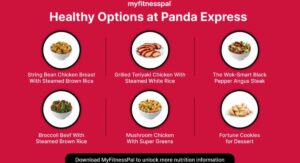
One of the strongest choices is Black Pepper Angus Steak. This dish delivers solid protein from quality beef, with a moderate amount of sauce and a straightforward flavor profile. Pair it with Super Greens instead of rice or chow mein and you’ve got a meal that’s rich in protein, fiber-rich vegetables, and a much lower calorie total than most combo plates. The sodium might still be noticeable, but it’s usually far below heavier fried-rice-heavy combos. For people focused on healthier eating, Panda Express nutrition guides often recommend vegetable-heavy combinations like this.
Another solid pick is Grilled Teriyaki Chicken. It swaps out the deep-fried coating and gooey sauce for a leaner, grilled-style protein with a lighter glaze. Grilled Teriyaki Chicken is usually lower in saturated fat and overall calories than Orange Chicken or Honey Walnut Shrimp, and it still gives you a decent dose of protein. Combine it with brown rice when available or half-rice, half-greens, and you create a more balanced plate that supports fullness and steady energy. Many fitness-conscious customers rely on Panda Express nutrition charts to find high-protein options that fit their macros.
Steer Clear of the Worst‑Offenders
Some Panda Express dishes are delicious but nutritionally brutal if you eat them regularly. Knowing which items push calories, sodium, and refined carbs through the roof lets you keep them as occasional treats instead of everyday staples. Honey Walnut Shrimp is one of the heaviest plates on the menu. Sweet, crunchy, and decadent, it combines fried shrimp with a sugary‑sweet glaze and candied walnuts. The calorie and sugar load per serving can approach or exceed 500 calories, and the dish is high in added sugars and refined carbs from the batter and coating. It also tends to be higher in saturated fat due to frying, which makes it hard to fit into a heart‑healthy or weight‑loss plan.
Crispy Almond Chicken with Broccoli is another high‑calorie option. The chicken is battered and fried, then smothered in a sweet‑salty sauce topped with fried garlic and crunchy almonds. Extra rice or chow mein turns this into a meal that can top 900–1,000 calories with sky‑high sodium. These entrées are fine once in a while, but they should be exceptions, not your default Panda Express nutrition strategy.
| Item | Why It’s a Problem (Panda Express Nutrition) | When to Order It |
| Honey Walnut Shrimp | Deep‑fried shrimp coated in a sugary glaze and candied nuts; very high in calories, sugar, and saturated fat. | Only as a rare treat, not a regular choice. |
| Orange Chicken (with fried rice or chow mein) | Bone‑in, deep‑fried chicken in a sweet‑salty sauce; when paired with fried rice or noodles, the combo can hit ~1,000 calories and 1,600+ mg sodium. | Occasionally, and skip the second starch or appetizer. |
| Crispy Almond Chicken with Broccoli | Battered, fried chicken smothered in a heavy sauce and fried garlic, plus fried nuts and white rice; high in calories, sodium, and refined carbs. | Every‑once‑in‑a‑blue‑moon meal, not a default. |
| Beijing Beef | Thin beef strips in a sweet‑sour‑salty sauce, usually served with white rice; high sugar and sodium with moderate calories. | If you crave it, pair it with Super Greens and skip fried sides. |
| Egg Rolls (appetizer) | Fried, oil‑rich shell stuffed with cabbage and other fillings; high in calories and fat for a small side, with little protein. | Save for shared orders or special days, don’t add them to every meal. |
Use the Wok Smart Menu Strategically
Panda Express introduced its Wok Smart line specifically to appeal to people who care about nutrition. These dishes are designed to be under 250–300 calories per serving, with more vegetables, lean protein, and fewer heavy sauces. When used correctly, they can be a lifesaver if you’re trying to keep your Panda Express nutrition in check. Understanding Panda Express nutrition can help you make smarter fast-food choices and avoid meals overloaded with sodium and refined carbs.
The key is to treat Wok Smart as a base, not a side-note. Instead of ordering a regular high-sodium, fried-rice-heavy plate and then adding a Wok Smart item as a guilt-free garnish, build your meal around the Wok Smart option. For example, choose a Wok Smart chicken or beef plate and pair it with a half-portion of brown rice or a small side of steamed Super Greens. This structure keeps total calories lower and helps you stay within a reasonable sodium and carb range while improving your overall Panda Express nutrition strategy.
It’s also worth noting that “lower-calorie” doesn’t automatically mean “low-sodium.” Some Wok Smart dishes still pack a punch in salt, especially if they use soy-based sauces or seasonings. If you’re sensitive to sodium, check the nutrition tool on Panda Express’s website or a third-party nutrition calculator before finalizing your order. Many people underestimate how important Panda Express nutrition information really is when trying to eat healthier.
Smart Order-Hacking Tips
You can dramatically improve Panda Express nutrition without changing what you eat, just how you order it. Small tweaks add up over time, especially if Panda Express is part of your regular routine. The goal is to keep flavor while dialing back excess calories, sodium, and refined carbs. Checking Panda Express nutrition facts before ordering can reduce excess calories and help you avoid hidden sugars.
Here are five simple hacks to implement next time you visit:
- Swap fried rice for brown rice or Super Greens to cut calories and add fiber.
- Cut entrée portions in half and add an extra side of vegetables instead of a heavy starch.
- Ask for sauce on the side so you can control how much you actually use.
- Skip appetizers like egg rolls or crab-rangoon and save them for real “treat” days.
- Share entrees with a friend or colleague to cut calories and sodium without feeling deprived.
The best way to improve your diet is by learning more about Panda Express nutrition and making gradual adjustments to your regular orders.
Calories, Protein, and Carbs Breakdown
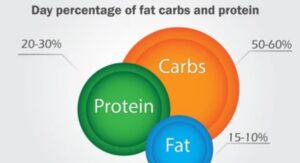
If you want to optimize Panda Express nutrition, you need to understand how its dishes stack up in terms of calories, protein, and carbs. This isn’t just about “eating less food”; it’s about choosing plates that give you satisfying protein and reasonable carbs without unnecessary sugar and fat. Athletes often review Panda Express nutrition details to track protein intake while managing calorie goals.
Most standard entrées land in the 400–550 calorie range for a regular serving, before adding sides. Protein typically ranges from 20–30 grams per entrée, which is decent but not exceptional. Carbs, however, climb quickly because of rice, chow mein, and sugary sauces. A typical plate with fried rice can have 70–90 grams of carbs, with a big chunk coming from refined sources and added sugars. Weight-loss plans become easier when you understand Panda Express nutrition and portion sizes.
Sides also play a huge role. Fried rice adds roughly 300–350 calories and 50–60 grams of carbs, while chow mein sits in a similar range. Steamed rice and Super Greens are much gentler, usually under 150–200 calories and significantly lower in sodium. If you’re watching carbs for blood-sugar reasons or weight loss, swapping out fried rice for Super Greens or a small portion of steamed rice can cut your plate’s carb load by 30–50%. Comparing menu items using Panda Express nutrition tools helps avoid hidden sodium and unnecessary calories.
Sodium and Heart-Health Considerations
High sodium is one of the biggest nutritional downsides of eating at Panda Express regularly. Many standard combo plates easily hit 1,500–2,200 mg of sodium, which is more than the recommended daily limit for most adults. Over time, consistently high sodium intake can contribute to elevated blood pressure, fluid retention, and increased strain on the heart. One major advantage of tracking Panda Express nutrition is better portion control and sodium awareness.
Sodium creeps in from multiple places: soy-based sauces, marinated meats, fried rice, chow mein, and even some vegetable sides. The sauces are especially tricky because they’re often salty and sweet at the same time, which makes them more addictive but also more dangerous for people watching blood pressure or heart-health. Restaurant regulars should pay close attention to Panda Express nutrition values to avoid excessive daily sodium intake.
If heart-health is a priority, focus on dishes that come with lighter sauces or are naturally lower in salt. Grilled proteins, Wok Smart options, and vegetable-heavy plates tend to be better choices. Avoid extra soy sauce from the condiment area, and ask for less sauce on your entrée if the restaurant allows it. Even small reductions in sodium can make a noticeable difference over weeks and months of regular Panda Express visits. Balanced eating starts with understanding Panda Express nutrition facts and serving sizes.
How to Build a Balanced Panda Express Plate
Building a balanced plate at Panda Express means balancing protein, vegetables, and carbs in a way that feels satisfying without blowing your daily nutrition budget. You don’t have to turn every meal into a mini workout-fuel-session; you just need a structure that keeps calories reasonable and nutrients decent. Online calculators make reviewing Panda Express nutrition simple and convenient before you place an order.
Here’s a simple template:
- Protein: Choose one entrée that’s grilled or lean, like Grilled Teriyaki Chicken or Black Pepper Angus Steak.
- Vegetables: Opt for Super Greens or a Wok Smart vegetable side instead of piling on fried rice.
- Carbs: If you want rice, take only half a portion; if possible, choose brown rice over white.
- Extras: Skip appetizers and sugary sauces, and avoid doubling up on fried-food sides.
This approach typically keeps a single meal around 600–800 calories with a better protein-to-carb ratio and much lower sodium than the heaviest combo plates. Fitness enthusiasts often search for high-protein Panda Express nutrition options to support training and recovery goals.
To make Panda Express work for your desk‑job days, choose grilled proteins, extra vegetables, and smaller portions of rice. Avoid heavy fried options and sugary sauces, and skip the appetizers entirely. If your office run usually includes a group‑style order, you can still enjoy a small portion of a favorite dish while loading up the rest of your plate with Super Greens. Another smart move is to bring your own water or unsweetened drink instead of relying on soda or sweetened tea. This removes a major source of empty calories and sugar from your lunch.
How to Track Panda Express Nutrition Long‑Term
If you eat at Panda Express regularly, tracking its nutrition over time can help you stay in control of your health and weight. You don’t need to log every bite, but being aware of patterns makes it easier to adjust before things get out of hand. Start by picking two or three “default” plates that fit your goals and using them as your go‑to orders. For example, keep Grilled Teriyaki Chicken with Super Greens as your main combo and fall back on that unless you’re genuinely treating yourself. This consistency simplifies tracking and reduces guesswork.
You can also use a nutrition calculator or app to log your Panda Express meals and get a rough idea of your daily calorie, sodium, and carb intake. Even if the numbers are estimates, they help you notice when you’re consistently going over limits. Over time, you’ll learn which plates align with your goals and which ones you should order less often.
Comparing Panda Express to Other Fast‑Food Chains

Panda Express isn’t the only fast‑food option, and it’s worth understanding how its nutrition stacks up against other chains. In many ways, it’s a middle‑ground option: not the healthiest, but also not the worst, especially if you choose wisely. Compared to burger‑and‑fry‑centric chains, Panda Express often delivers more vegetables and more protein per meal, especially when you include Super Greens or other vegetable sides. However, sodium levels can be comparable or even higher, depending on the plate you choose. The biggest advantage is flexibility: you can build lighter, vegetable‑heavy plates more easily than at a typical burger joint.
That said, strictly nutrition‑focused chains or meal‑prep services still beat Panda Express in terms of overall balance, portion control, and ingredient quality. If your goal is optimal health, Panda Express works best as an occasional option within a broader, mostly home‑cooked diet.
Reading Panda Express Nutrition Labels
Panda Express publishes nutrition information online, and learning how to read it helps you make smarter choices in real time. The labels show calories, protein, total fat, saturated fat, cholesterol, sodium, total carbs, fiber, sugars, and sometimes added sugars for each menu item.
When you look at the labels, focus on calories, sodium, and added sugars first. If a dish is extremely high in sodium or sugars, it’s a red flag unless you’re intentionally treating yourself. Then check the protein and fiber content: higher protein and fiber usually mean you’ll feel fuller longer. Avoid dishes that are high in calories but low in both protein and fiber. It also helps to compare similar items side‑by‑side. For example, look at Orange Chicken versus Grilled Teriyaki Chicken, or fried rice versus Super Greens. The differences in calories, sodium, and fat can be dramatic and make it easier to justify sticking with the healthier pick.
Conclusion
Panda Express can fit into a healthy lifestyle if you treat it like a tool, not a free‑for‑all. Focus on grilled proteins, load up on Super Greens, cut back on fried rice and heavy sauces, and use the official nutrition info to guide your choices. Over time, small, consistent tweaks make it possible to enjoy Panda Express without wrecking your goals.
Frequently Asked Questions About Panda Express Nutrition
1. Is Panda Express generally healthy?
Panda Express isn’t inherently “healthy” by default, but it can be part of a balanced diet if you choose wisely. Many standard combo plates are high in calories, sodium, and refined carbs, while some lighter options like Wok Smart dishes, grilled proteins, and Super Greens are significantly better nutritionally. The key is to limit fried and extra‑saucy items and build plates around protein and vegetables.
2. What is the lowest‑calorie option at Panda Express?
Among the main dishes, Super Greens is typically one of the lowest‑calorie options, often sitting around 90–130 calories per serving depending on how it’s prepared. It’s mostly steamed vegetables and a lighter sauce, which makes it ideal if you’re trying to keep calories low while still getting some flavor and nutrients.
3. How can I reduce sodium at Panda Express?
You can cut sodium by choosing lighter dishes and skipping extra sauces. Opt for grilled proteins, Wok Smart options, and vegetable‑heavy plates instead of fried‑rice‑heavy combos. Ask for sauces on the side and use only part of it, and avoid extra soy sauce or salty condiments at the table.
4. What Panda Express meal is best for weight loss?
A strong weight‑loss‑friendly plate is Grilled Teriyaki Chicken or Black Pepper Angus Steak with Super Greens and a small portion of brown rice when available. This combo keeps calories in check, delivers solid protein, and limits refined carbs and heavy sauces. Avoid fried sides, appetizers, and sweet‑glazed dishes if you’re actively trying to shed pounds.
5. Can I eat Panda Express on a low‑carb diet?
You can adapt Panda Express for a low‑carb approach, but it takes effort. Stick to grilled or lean‑protein entrées, load up on Super Greens or Wok Smart vegetable sides, and skip rice and chow mein. These plates still have some carbs from sauces and vegetables, but they’re much lower than typical combo plates.
6. How much sodium is in a typical Panda Express plate?
A typical loaded plate with an entrée, fried rice, and a side can sit in the 1,500–2,200 mg sodium range, which is very close to or over the daily recommended limit for many adults. Lighter plates built around grilled proteins and vegetables usually fall below that, but you still need to be mindful of hidden salt.
7. Are the vegetables at Panda Express healthy?
The vegetables themselves are nutritious, but the way Panda Express prepares them matters. Super Greens are one of the better options, featuring steamed mixed vegetables with a light sauce. Many other vegetable sides are stir-fried in oil and salty sauces, which adds calories and sodium. If you can, prioritize steamed or lightly sauced vegetable dishes.
8. Can I make Panda Express heart‑friendly?
Yes, you can make it more heart‑friendly by choosing grilled proteins, limiting fried items and sugary sauces, and watching sodium. Go for dishes like Black Pepper Angus Steak, Grilled Teriyaki Chicken, or Wok Smart options, and pair them with Super Greens instead of fried rice. Avoid extra soy sauce and fried sides, and keep portion sizes reasonable.
9. How accurate are Panda Express nutrition facts?
Panda Express nutrition facts are generally accurate as official estimates, but real‑world portions can vary slightly by location and preparation. Sauce amounts, rice portions, and oil used in frying may differ enough to shift calories and sodium a bit. For the most precise tracking, use the official nutrition tool or a reputable third‑party calculator and treat the numbers as a solid guideline rather than an exact science.
Summary
Panda Express nutrition doesn’t have to be a trap if you know what you’re doing. By choosing grilled proteins, loading up on Super Greens, cutting back on fried rice and heavy sauces, and using the official nutrition tools, you can enjoy Panda Express regularly while still supporting your health goals. The key is to be strategic, not perfect, and make choices that work for how you actually live.
Expert Tips for Using Panda Express Nutrition
Build your Panda Express meals around a simple formula: high‑protein entrée, plenty of vegetables, and minimal fried or sugary extras. Use the online nutrition calculator before you order so you don’t end up blindsided by hidden sodium and calories. Stick to one “fun” or fried dish per meal and let the rest be grilled proteins and veggies. Update your default order every few months so you don’t accidentally slide into a permanent high‑sodium pattern.
Keep drinks simple—water, unsweetened tea, or black coffee—and skip the soda and sweetened drinks that quickly turn a moderate plate into an over‑the‑top calorie bomb. When you’re treating yourself, treat yourself fully: order the entrée or dessert you really want, but shorten the side‑item list so your overall meal stays more balanced. If you follow these tips consistently, Panda Express can be a convenient, enjoyable part of your routine instead of a nutrition disaster.