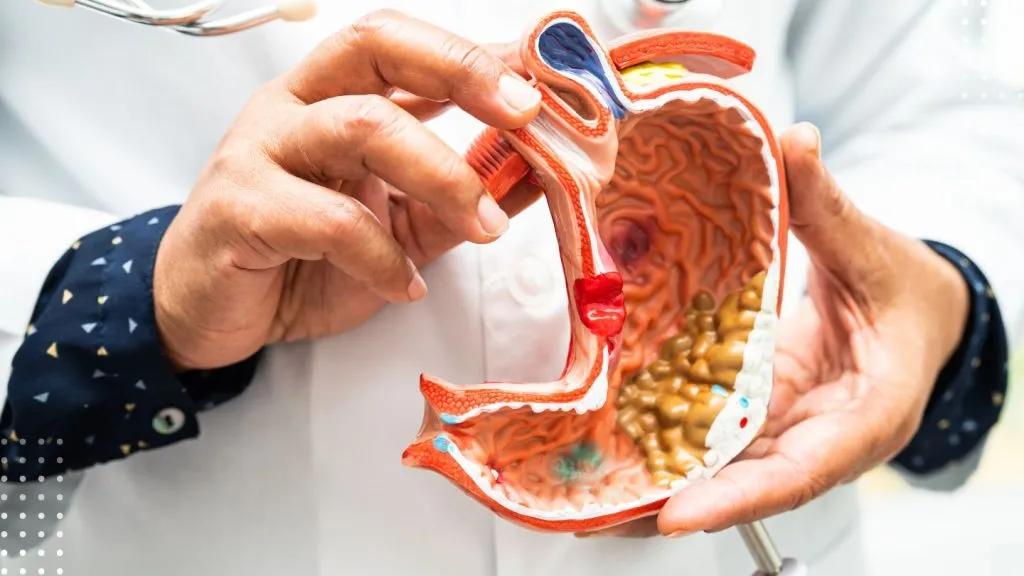
The answer isn’t the same for everyone, but research and long-term clinical data provide a realistic picture of what most patients can expect after gastric sleeve surgery.
Average weight loss with gastric sleeve is one of the most common questions people ask before considering bariatric surgery. Understanding realistic expectations can help you prepare for your weight-loss journey and the long-term lifestyle changes that follow.
Wondering how much weight you can lose after gastric sleeve surgery? Discover realistic results, timelines, and success factors.
What These Weight-Loss Numbers Actually Mean:
You’ll often see different numbers online about gastric sleeve weight loss. That’s because studies use different ways of measuring success. In online forums , YouTube videos , and indeed medical websites . But averages are statistical averages, but they don’t capture the wide differences between individual patients.
The most commonly cited benchmark is 60–70% of excess body weight lost within the first 12 to 18 months. Some studies report 70–80% excess weight loss ( EWL) in high- compliance patients at the two-year mark . Others show patients hitting only 40 – 50 EWL due to physiological differences, starting BMI, comorbidities, and adherence post-operative dietary guidelines.
Someone with 200 pounds of excess weight may lose 120–140 pounds. Although the percentage is the same, the total number of pounds lost is much higher.
Doctors use two measurements: total body weight loss (TBWL) and excess weight loss (EWL). They describe the same results in different ways, which is why percentages may look different between studies.
What Real Progress Looks Like After Gastric Sleeve:
Many patients focus too much on daily weight fluctuations. The smarter move is understanding the overall pattern — what each phase actually delivers and why it behaves the way it does.
-
Months 4–6: Steady Weight Loss Phase By this stage, weight loss usually becomes more gradual than during the first few months. Many patients lose around 1–2 pounds per week, although results vary based on starting weight, eating habits, and physical activity. Hunger may slowly begin to return, making it more important to follow protein goals, stay hydrated, and remain physically active. Even though the pace slows, this is still a period when many patients make significant progress toward their long-term weight-loss goals.
-
Months 7–12: Plateau Phase .This is the stage where many patients worry that their progress has stalled . By month 12, many patients have lost more than 50% of their excess body weight, especially when they closely follow their treatment plan.
- Month 13 – 18 Stabilization and body composition . Some patients gain back 5 – 10 pounds; others continue slow descent. Maintaining muscle mass becomes possible with proper protein input and resistance training.
- Beyond 18 months The maintenance phase . Long-term weight loss usually remains around 50–65% excess weight loss (EWL) in patients who maintain healthy lifestyle habits.
How Gastric Sleeve Causes Weight Loss:

Sleeve gastrectomy changes several hormones involved in hunger and blood sugar regulation, especially ghrelin, which helps reduce appetite after surgery.
One thing that surprises many patients is how quickly their appetite changes after surgery. This isn’t just because the stomach is smaller. The procedure also reduces the production of ghrelin, the hormone that signals hunger. — the region most responsible for producing ghrelin, the hunger- stimulating hormone. That is the real key reason then, and it’s one that distinguishes the sleeve from older restrictive procedures.
1: Ghrelin Reduction and Appetite Suppression
Within days of surgery, ghrelin levels drop significantly . patients describe not feeling empty in the traditional sense — a phenomenon that surprises the most of them because they anticipated hunger to be the biggest battle. Lower ghrelin levels help many people feel less hungry after surgery, making it easier to eat smaller portions.
Patients who consistently eat enough protein and perform resistance training often maintain more muscle and achieve better long-term weight-loss outcomes. After that, partial recovery of ghrelin signaling explains why some patients experience what feels like a” return of hunger.”
2: Metabolic Rate Adaptation
Post-sleeve, After surgery, your metabolism gradually slows as you lose weight because your body requires fewer calories. . As weight drops, resting metabolic rate( RMR) decreases proportionally, because there’s lower body mass to maintain. This is frequently misconstrued as a” broken metabolism.” It’s normal physiology.
The clinical recommendation is that patients must increase protein intake and resistance exercise to preserve lean muscle mass , which directly protects RMR. Patients who consistently follow these recommendations often achieve better results at the 24-month mark than those who remain sedentary.
3: Insulin sensitivity and Type 2 Diabetes remission
Within weeks — frequently before significant weight loss has passed — numerous Type 2 diabetic patients see dramatic advancements in blood glucose regulation. This is one reason many patients experience significant weight loss beyond simple calorie restriction.
Studies show Type 2 diabetes remission rates of 50 – 80 following sleeve gastrectomy, Some researchers point to rapid-fire calorie restriction , others to the gut- brain hormonal axis.
BMI, Starting Weight, and How They Shift the Outcome:
Not everyone starts in the same place, and the data support that easily. Weight-loss results are closely linked to your starting BMI, but not in a simple way.
- BMI 35 – 39.9 patients in this range tend to achieve the highest percentage of excess weight loss — frequently 70 – 80. Absolute pounds lost are lower, but the body has lower redundancy to remove.
- BMI 40 – 49.9 This is the sweet spot for noticeable physical changes Average loss frequently exceeds 80 – 100 pounds in absolute terms with good compliance.
- BMI 50 People with a higher starting BMI often lose more pounds overall, although their percentage of excess weight loss may be lower. but lower percentage of excess weight loss Super-obese patients ( BMI 50) may lose 100 – 150 pounds yet still fall suddenly off the 60 EWL standard.
-
Age factor: Patients under 40 constantly outperform aged cohorts. Younger adults often recover faster after surgery, which may contribute to slightly better weight-loss results. However, people of all ages can achieve excellent outcomes when they follow their treatment plan.
-
Sex Differences Men generally lose weight briskly in the first six months; women frequently catch up and maintain better at the 2- time mark.
The Role of Diet Phases in Hitting Your Numbers:
Surgery is the tool. Diet is the operating manual. Successful weight loss depends on following each stage of the post-surgery diet carefully.
Getting this right requires more than willpower. It requires understanding what each phase is designed to accomplish metabolically and mechanically, and why skipping ahead or back-sliding carries real consequences.
1: Phase 1: Clear Liquid Stage (Days 1–7)
This phase is purely protective. The newly formed sleeve is a surgical wound. Clear liquids — broth, water, diluted juice — protect the staple line while beginning the process of caloric restriction. Average weight loss with gastric sleeve starts here, primarily through fluid and glycogen shifts.
2: Phase 2: Full Liquids and Purees (Weeks 2–4)
Protein shakes become the cornerstone. The target: 60–80 grams of protein daily, spread across 5–6 small “meals.” Hitting this target consistently during this phase preserves lean muscle, which directly impacts long-term metabolic rate and overall long-term outcomes
3: Phase 3: Soft Foods (Weeks 4–8)
Eggs, fish, soft-cooked vegetables, Greek yogurt. The stomach is slowly being trained to handle texture. Eating too fast at this stage triggers dumping-like symptoms — sweating, nausea, cramping — which, though uncomfortable, are useful biofeedback mechanisms.
4: Phase 4: Regular Diet (Week 8 Onward)
“Regular” is a misnomer. This isn’t the pre-surgery diet reinstated. It’s a permanent restructuring: high protein first, vegetables second, complex carbs last, simple sugars and slider foods largely eliminated. Patients who slide back into processed, high-calorie foods undermine the average weight loss with gastric sleeve, regardless of their surgical outcome.
Exercise, Muscle Mass, and the Numbers Behind Both:
Patients who perform strength training two or more times per week often achieve better long-term results than those who remain sedentary .Most research supports this finding, yet exercise is still the most underemphasized variable in standard bariatric aftercare.
Here’s the core problem: in the early months post-op, patients are calorically starved. Exercise feels brutal at 600–800 calories a day. Many stop entirely. This is one of the most common reasons weight loss slows during recovery.
The recommendation from the American Society for Metabolic and Bariatric Surgery (ASMBS) is clear: 150 minutes of moderate activity weekly, beginning with walking as early as 2–4 weeks post-op, transitioning to resistance training by weeks 6–8. Patients who follow this protocol preserve more lean mass, keep RMR higher, and consistently show superior long-term outcomes at the 12-month benchmark.
A patient losing 60 pounds but retaining lean muscle looks and performs entirely differently from one losing 60 pounds with 20 of those being muscle. Body composition tests such as DEXA scans can show whether the weight lost comes from fat or muscle.
Gastric Sleeve Weight Loss: Key Data Reference Table:
| Metric | 3 Months | 6 Months | 12 Months | 24 Months |
| Average % Excess Weight Lost (EWL) | 35–45% | 50–60% | 60–70% | 55–65% |
| Average % Total Body Weight Lost (TBWL) | 12–18% | 20–25% | 25–30% | 22–28% |
| Average Absolute Pounds Lost (100 lbs excess) | 35–45 lbs | 50–60 lbs | 60–70 lbs | 55–65 lbs |
| Ghrelin Reduction vs. Baseline | ~60–70% | ~50–65% | ~40–55% | ~30–45% |
| Type 2 Diabetes Remission Rate | 30–40% | 50–65% | 60–80% | 55–75% |
| Hypertension Improvement Rate | 25–35% | 40–55% | 50–65% | 45–60% |
| Average Weekly Weight Loss | 3–5 lbs | 1.5–3 lbs | 0.5–1.5 lbs | <0.5 lbs |
| Recommended Daily Protein Intake | 60–80g | 70–90g | 80–100g | 80–100g |
| Minimum Exercise (ASMBS Guidelines) | Walking daily | 150 min/week | 150–200 min/week | 200+ min/week |
| Risk of Weight Regain (non-compliant) | Low | Low–Moderate | Moderate | Moderate–High |
Data aggregated from ASMBS clinical guidelines, JAMA Bariatric Surgery studies, and multi-center outcome reports (2019–2024).
Why Some Patients Don’t Hit the Average — And What Separates Them:
These average results are not a guarantee for every patient. Roughly half of all sleeve patients fall below it. Understanding why isn’t about blame — it’s about identifying the modifiable variables before they become entrenched patterns.
The sleeve has real limitations. It doesn’t address the psychological relationship with food. It doesn’t fix binge-eating disorder. It doesn’t account for food addiction. Patients with untreated binge-eating disorder tend to find high-calorie slider foods — ice cream, chips, protein bars — that bypass the reduced stomach capacity entirely. the stomach stretches over time with these behaviors, and long-term weight-loss results often decline.
1: Slider Foods and Sleeve Stretching
Slider foods are calorically dense, low-viscosity foods that pass through the sleeve quickly without triggering satiety signals. Crackers, chocolate, ice cream, nut butters — all of these deliver hundreds of calories with virtually no feeling of fullness . This appears to be one of the main reasons behind long-term weight gain.
Understanding which foods are slider foods — and building a hard personal rule around them — is arguably Understanding which foods are slider foods—and avoiding them—is one of the most effective ways to maintain long-term success after gastric sleeve surgery.
2: Emotional Eating and Addiction Transfer
Addiction transfer is a well-documented phenomenon in bariatric populations. Patients who used food to self-regulate emotion pre-surgery don’t lose that impulse. Without active therapeutic intervention, the behavior migrates — to alcohol, shopping, gambling, or hypersexuality. Long-term weight-loss success often depends on how well these emotional and behavioral issues are addressed.
Comparing Gastric Sleeve to Other Bariatric Options:
The average weight loss with gastric sleeve is strong — but is it the best option available? That question depends entirely on the patient’s starting point, anatomy, and comorbidities.
- Gastric bypass (Roux-en-Y): Typically produces 70–80% EWL at 12 months, outpacing the sleeve in head-to-head studies. More effective for GERD and Type 2 diabetes remission, but carries higher surgical complexity and long-term nutrient malabsorption risk.
- Gastric sleeve: patients typically lose around 60–70% of their excess weight , with a simpler surgical profile, no rerouting of intestines, and lower long-term complication rates. The go-to for most first-time bariatric patients.
- Lap-band (adjustable gastric band): Once dominant, now largely abandoned. EWL rarely exceeds 40–50%, and long-term complication rates — slippage, erosion, access port issues — are prohibitively high.
- Duodenal switch: Aggressive malabsorptive procedure reaching 80–90% EWL. Reserved for BMI 50+ patients. High efficacy, high complication risk, demanding lifelong supplementation protocol.
- Endoscopic sleeve gastroplasty (ESG): Non-surgical option. gastric sleeve generally produces greater weight loss than ESG — roughly double the EWL. ESG suits lower-BMI patients unwilling to undergo surgery.
Long-Term Maintenance: What 5-Year Data Actually Shows:
The two-year mark is where most bariatric studies end. The five-year data is rarer, harder to collect, and far more honest about what the average weight loss with gastric sleeve looks like over a meaningful timeframe.
The Swedish Obese Subjects study and the STAMPEDE trial — two of the longest-running bariatric outcome studies — both show a consistent pattern: weight nadir is typically reached between 12 and 24 months, followed by partial regain in a significant percentage of patients.
1: Five-Year EWL Benchmarks
At the five-year mark, studies show patients usually maintain EWL of approximately 50–60% — down from the 60–70% peak at 12–18 months. This partial regain of 10–20 pounds is not surgical failure. It is a normal adjustment in the body’s weight regulation
2: Preventing Regain After Year Two
Patients who keep most of the weight off after five years usually have similar habits. They continue eating enough protein, exercise regularly, monitor their weight, and attend follow-up appointments. These aren’t optional add-ons. They are the mechanism of maintenance.
3: The Role of GLP-1 Medications Post-Sleeve
One of the most significant recent developments in bariatric medicine: GLP-1 receptor agonists (Semaglutide, tirzepatide) used adjunctively after sleeve gastrectomy for patients experiencing significant regain. Combining gastric sleeve surgery with GLP-1 medications may help some patients lose additional weight or reduce weight regain. can effectively reset the weight-loss progress for patients who’ve plateaued or regained.
Nutritional Deficiencies That Silently Derail Weight Loss:
Long-term weight loss can be affected by vitamin and mineral deficiencies. The reduced food intake post-op, combined with altered gastric acid production, creates conditions ripe for deficiency — and deficiency, paradoxically, can stall weight loss and worsen body composition.
The most clinically significant deficiencies seen post-sleeve include iron (particularly in premenopausal women), vitamin B12, vitamin D, zinc, and folate. Protein deficiency — not technically a micronutrient issue but equally devastating — manifests as hair thinning at months 3–6 post-op and signals that lean mass loss is outpacing fat loss.
The solution is not complex: comprehensive labs at 3, 6, and 12 months post-op; a high-quality bariatric multivitamin twice daily; calcium citrate (not carbonate) in split doses; and B12 either sublingually or by injection. Patients who skip labs skip the early warning system. By the time symptoms are visible, deficiency is already entrenched.
Psychological Factors: How Mental Health Can Affect Long-Term Weight Loss:
Every outcome study on research on gastric sleeve outcomes eventually reaches the same conclusion : the numbers don’t fully explain the variance. Patient psychology, mental health history, trauma, and support systems fill that gap.
Body dysmorphia post-surgery is a real and underreported phenomenon. Patients who’ve lost 80+ pounds still see a heavy person in the mirror. This disconnect isn’t vanity — it’s a a delay between physical changes and how patients perceive their bodies. and internal body image. Without therapeutic support, it can trigger behaviors that actively undermine the average weight loss with gastric sleeve: over exercise, extreme restriction, or a complete abandonment of health behaviors born from despair.
Bariatric surgery programs that mandate pre-op psychological evaluation and offer post-op behavioral health access — group support, individual therapy, online peer networks — consistently outperform programs that treat surgery as a purely physical event. Research consistently shows better long-term results for patients who receive ongoing psychological support.
How to Improve Your Weight-Loss Results After Gastric Sleeve:
Knowing what most patients typically lose is useful context . Exceeding it is possible. What follows are the specific, evidence-based behaviors that consistently separate high performers from average outcomes in bariatric populations.
Track protein consistently for the first six months — not calories, protein. Hit 80–100 grams daily before you worry about anything else. Every gram of preserved muscle is a gram of metabolic protection. Walk within 24 hours of surgery. Not far, not fast — but moving. Resistance train by week eight. Not cardio, resistance. Build the muscle that will carry your metabolism for decades.
Weigh yourself weekly, not daily. Daily fluctuations are physiologically meaningless and psychologically corrosive. Weekly trends are actionable. Keep a 90-day food journal. Not forever — just the first 90 days when habits are forming. Find a bariatric dietitian and see them quarterly for two years. Their return on investment, measured in better long-term weight maintenance, is among the highest of any post-op intervention.
Eliminate alcohol entirely for at least one year. The liver needs it. Your gut microbiome needs it. And your dopamine system, freshly recalibrated by surgical ghrelin reduction, does not need a new chemical shortcut. Many patients achieve even better results by staying consistent with healthy eating, exercise, and regular follow-up care.
Summary
Average weight loss with gastric sleeve surgery is typically significant, with many patients losing about 50% to 70% of their excess body weight within the first 12 to 18 months after the procedure. Results vary depending on starting weight, dietary habits, physical activity, and adherence to post-surgery guidelines. While the surgery reduces stomach size and helps control hunger, long-term success depends on maintaining healthy lifestyle changes, regular exercise, and consistent medical follow-up.
FAQ’s
Q1: What is the typical average weight loss with gastric sleeve in the first year?
Most patients lose around 60–70% of their excess body weight during the first 12–18 months after gastric sleeve surgery. Individual results vary depending on starting weight, diet, physical activity, and adherence to follow-up care.
Q2: Does the average weight loss with gastric sleeve include water weight?
Yes. During the first few weeks after surgery, part of the weight loss comes from water and glycogen stores. As recovery continues, fat loss becomes the primary contributor to ongoing weight reduction.
Q3: Can the average weight loss with gastric sleeve be improved with exercise?
Absolutely — resistance training preserves lean muscle, which protects metabolic rate and improves long-term outcomes.
Q4: How does starting BMI affect average weight loss with gastric sleeve ?
Higher starting BMI predicts greater absolute loss but lower percentage EWL; lower BMI patients often hit higher EWL percentages.
Q5: What causes weight gain after hitting peak average weight loss with gastric sleeve ?
Slider foods, hormonal adaptation , untreated emotional eating, and declining physical activity are the primary drivers.
Conclusion
The average weight loss with gastric sleeve is not a guarantee but a realistic benchmark based on clinical evidence and long-term patient outcomes. While many people lose a significant amount of excess weight during the first 12 to 18 months, individual results vary depending on starting weight, dietary habits, physical activity, and adherence to follow-up care. Following your surgeon’s recommendations, eating a protein-rich diet, staying physically active, and attending regular follow-up appointments can help improve long-term results and support lasting weight management.