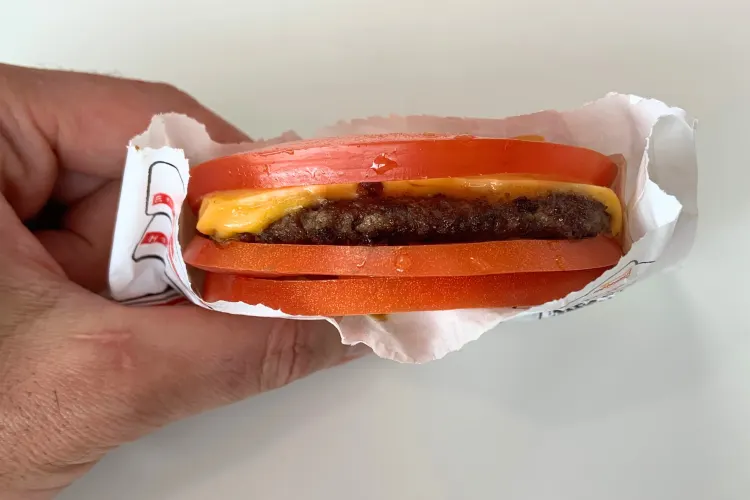
In-N-Out publishes detailed nutrition information that allows customers to compare calories, protein, fat, carbohydrates, sodium, and sugar across its menu. This guide summarizes those values and explains what they mean for different dietary goals.
West Coast fast food loyalists swear by In-N-Out, but very few of them have actually studied the restaurant’s nutrition information before placing an order. The numbers behind the menu — calories, sodium, protein, sugar — tell a story that’s more nuanced than the cult-favorite reputation suggests.
Once you understand In-N-Out’s nutritional values at a granular level, you can make smarter choices without abandoning a restaurant you genuinely love.
Why In-N-Out’s Nutrition Information Matters More Than the Menu Suggests:
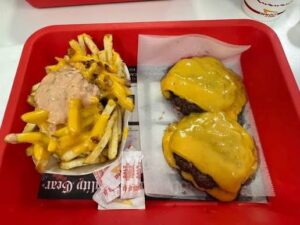
On the surface, In-N-Out looks basic enough. Just four burgers, a couple of sides, plus milkshakes and sodas. There are no limited-time specials, nothing that changes with the season, none of those giant menus full of choices. Because it seems so stripped down, people tend to think counting calories or tracking ingredients would be straightforward – but right there, they’re already off track.
Comparing the nutrition values across the menu shows how many calories can vary between items.Swap the bun for lettuce on a hamburger? You land at 240 calories instead. Try the Double-Double with its classic roll and suddenly it’s 670 – no sides yet.Replacing the bun with lettuce reduces the calorie count by about 430 calories compared with a standard Double-Double.
Unlike many fast-food chains, In-N-Out does not prominently display nutrition information at the ordering counter. Customers usually need to visit the company’s website to view calories, fat, sodium, carbohydrates, protein, and sugar before ordering. Checking this information in advance makes it easier to compare menu items and choose an option that fits your dietary goals.
The Highest-Calorie Items at In-N-Out:
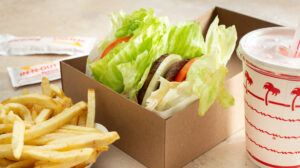
Some In-N-Out menu items contain significantly more calories than many customers expect. Most folks walking in every day have no idea about these five highest ones:
- Double-Double: It clocks in at 670 calories, packs 41 g of fat, and delivers 1,440 mg of sodium.Many customers consider it a standard order, but its calorie and sodium content are higher than many people realize.
- 3×3: The 3×3 is an unofficial menu item made with three beef patties and three slices of American cheese. Although it does not appear on the standard menu, customers can request it by name.
- 4×4: The 4×4 includes four beef patties and four slices of American cheese. It contains approximately 1,050 calories, 69 grams of fat, and 1,380 mg of sodium, making it one of the highest-calorie options available.
- Chocolate Shake: A large Chocolate Shake packs 610 calories, 33 grams of fat, and a full 81 grams of sugar – topping the lineup when it comes to sweetness. Most people skip counting this one in their usual In-N-Out nutrition check
Double-Double Nutrition Breakdown:
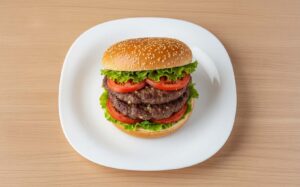
The Double-Double is In-N-Out’s signature burger and one of its most popular menu items. Understanding its nutrition profile provides a useful reference point because many customers order it regularly.
1: Double-Double Nutrient Split
That burger packs 670 calories, yet offers 37 grams of protein – hard to beat for the price when measuring protein value. Forty-one grams of fat show up on the label, nearly half from the 18 grams of saturated kind. The body gets hit with 1,440 milligrams of sodium in just one serving, well past most daily limits suggested by health authorities. Sugar slips in around 10 grams, mostly hiding in the bread and sauce, while carbs sit at 39 grams overall.
2: Double-Double versus single and hamburger
Looking at In-N-Out burgers side by side reveals clear differences. At 390 calories, the plain hamburger packs 8 grams less fat than its cheesy sibling. Sodium hits a notable 650 milligrams, something to keep in mind. Protein stands at 22 grams – solid but not extreme. Slide up to the Cheeseburger, you gain 60 extra calories along with an added chunk of fat weighing in at 5 grams.
Compared with the Hamburger and Cheeseburger, the Double-Double provides more protein, but it also contains substantially more calories, saturated fat, and sodium. Whether it is the better choice depends on your overall nutrition goals.
3:How the Signature Spread Affects Nutrition
In-N-Out’s signature spread adds approximately 80 calories and 9 grams of fat to each burger. Removing it is one of the simplest ways to reduce calorie and fat intake without changing the rest of the meal.
Five Secret Menu Items With Estimated Nutrition:
Out back at In-N-Out, some folks know about the hidden options – none of it shows up in official nutrition details. Numbers here come straight from ingredient-by-ingredient info the chain releases:
- Wrapped in lettuce instead of bread, the Protein-Style Double-Double hits 520 calories. That swap slashes carbs from 39 grams down to just 11. For anyone watching carb intake, nothing else comes close in effect
- The Flying Dutchman consists of two beef patties and two slices of American cheese without a bun or toppings. It contains approximately 430 calories, 34 grams of fat, 30 grams of protein, and very few carbohydrates, making it a popular option for low-carb diets.
- Animal Style adds extra spread, mustard-grilled patties, and grilled onions to a standard burger. Based on ingredient estimates, it increases the calorie content by roughly 120 calories.
- The Grilled Cheese is the main vegetarian menu item at In-N-Out. It contains two slices of American cheese, lettuce, tomato, spread, and a toasted bun, providing approximately 380 calories.
- The Neapolitan Shake combines chocolate, vanilla, and strawberry flavors. Although In-N-Out does not publish separate nutrition information for this item, its nutrition is expected to be similar to the standard shakes.
In-N-Out Fries — The Nutrition Reality Behind the Freshness Claim:
In-N-Out is famous for cutting their fries fresh from whole Kennewick potatoes in the restaurant. That freshness claim is real. What it doesn’t necessarily mean is that the fries are nutritionally superior to frozen competitors. The nutrition information for In-N-Out fries tells a specific story.
Understanding In-N-Out fry nutrition requires separating what freshness actually affects — ingredient quality and absence of preservatives — from what it doesn’t affect, which is the fundamental macro nutrient math of fried potatoes in oil.
1: Standard Fries Nutrition Numbers
A regular order of In-N-Out fries contains 395 calories, 18g fat, 54 g carbohydrates, and 520 mg sodium. A large order (not officially listed but available upon request) runs approximately 550 calories. Compared to McDonald’s medium fries (320 calories, 15g fat) and Chick-fil-A’s medium waffle fries (420 calories, 20g fat), In-N-Out’s regular fries are nutritionally mid-range — not dramatically better or worse than the competitive set despite the fresh-cut premium.
2: Animal-Style Fries: What Goes Into Them
Animal-style fries layer the standard fries with In-N-Out spread, two slices of melted American cheese, and extra grilled onions. In-N-Out does not publish an official calorie count for this item, which is a notable gap in the in n out nutrition facts landscape. Based on published per-ingredient data — spread (80 cal), two cheese slices (each approximately 60 cal), grilled onions (negligible) — animal-style fries add roughly 200 calories over the standard order, landing the full item in the 590–750 calorie range depending on portion size.
3: Are Well-Done Fries a Nutrition Factor?
A common In-N-Out modification is ordering fries “well done” — cooked longer for extra crispness. Well-done fries lose more moisture during cooking, which slightly concentrates their caloric density per gram, though the total calorie count remains approximately the same since the portion weight decreases proportionally. No separate nutrition information is published for well-done versus standard fries.
4: How In-N-Out Shakes Fit Into the Full Nutrition Picture?
Shakes are the most nutritionally overlooked category in in n out nutrition facts discussions. Customers who carefully moderate their burger choice often don’t apply the same scrutiny to the shake they add to the order — and that’s where the most significant caloric additions happen.
In-N-Out offers chocolate, vanilla, strawberry, and Neapolitan shakes in one standard size (approximately 15 oz). They’re made with real ice cream — another genuine differentiation from fast food competitors who use soft-serve mixes or dairy substitutes.
Complete In-N-Out Nutrition Chart:
| Menu Item | Calories | Total Fat (g) | Sat. Fat (g) | Sodium (mg) | Carbs (g) | Protein (g) | Sugar (g) |
| Hamburger | 390 | 19 | 5 | 650 | 39 | 22 | 10 |
| Cheeseburger | 480 | 27 | 10 | 1,000 | 39 | 22 | 10 |
| Double-Double | 670 | 41 | 18 | 1,440 | 39 | 37 | 10 |
| Protein-Style Double-Double | 520 | 39 | 17 | 1,160 | 11 | 33 | 5 |
| 3×3 (secret menu) | 800 | 52 | 24 | 1,160 | 39 | 52 | 10 |
| 4×4 (secret menu) | 1,050 | 69 | 32 | 1,380 | 39 | 67 | 10 |
| Flying Dutchman | 430 | 34 | 17 | 630 | 1 | 30 | 0 |
| Grilled Cheese | 380 | 22 | 9 | 680 | 36 | 11 | 8 |
| French Fries (Regular) | 395 | 18 | 3 | 520 | 54 | 5 | 0 |
| Chocolate Shake | 610 | 29 | 18 | 350 | 74 | 13 | 65 |
| Vanilla Shake | 580 | 28 | 18 | 350 | 73 | 13 | 63 |
| Strawberry Shake | 690 | 33 | 21 | 380 | 91 | 13 | 81 |
| Lemonade (Regular) | 180 | 0 | 0 | 5 | 44 | 0 | 44 |
| Hot Cocoa | 395 | 15 | 9 | 280 | 55 | 12 | 52 |
Protein Style and Other Ways to Reduce Calories:
Protein-style ordering is the most transformative single modification available within In-N-Out’s nutrition guide. Swapping the bun for a lettuce wrap cuts 140 calories and 28g of carbohydrates from any burger on the menu. For customers managing blood sugar, following low-carb protocols, or simply trying to reduce refined grain intake, this modification delivers real dietary impact without compromising the fundamental flavor experience.
Some menu modifications have a meaningful effect on nutrition, while others change flavor more than nutritional value.
1: Modifications That Meaningfully Reduce Calories
Removing spread saves approximately 80 calories per sandwich. Protein-style (no bun) saves 140 calories and 28g carbs. Ordering a single patty instead of double cuts roughly 200 calories and halves the sodium and saturated fat load. Choosing water or unsweetened iced tea over a shake saves 610 calories per visit — the highest-impact single substitution among all menu modifications
2: Modifications With Minimal Nutritional Impact
Ordering “extra toast” on the bun adds negligible calories. Substituting grilled onions for raw onions changes nothing nutritionally meaningful. Requesting mustard instead of spread saves approximately 40 calories per application. These are flavor modifications, not nutritional ones, and conflating them with meaningful dietary changes is a common mistake customers make when trying to “eat healthier” at In-N-Out.
3: Animal Style — The Modification That Adds the Most
Animal style is the most calorie-additive modification available. It adds spread (80 cal), mustard-grilled patties (minimal cal change), and extra grilled onions. Understanding Animal Style nutrition orders is particularly important for frequent visitors.
How In-N-Out Compares With Other Fast-Food Chains:
Benchmarking in n out nutrition facts against Shake Shack, Five Guys, and McDonald’s reveals where In-N-Out lands in the fast food nutrition landscape. The comparisons aren’t always flattering — or what fans expect.
- Protein benchmark: In-N-Out Double-Double (37 g protein, 670 cal) vs. Five Guys Double Burger (43 g protein, 897 cal) — In-N-Out wins on protein-to-calorie efficiency
- Sodium comparison: In-N-Out Cheeseburger (1,000 mg sodium) vs. McDonald’s Quarter Pounder with Cheese (1,110mg) — comparable, with In-N-Out slightly lower
- Fat content: Shake Shack’s Shack Burger delivers 44 g fat at 570 calories vs. In-N-Out’s Double-Double at 41 g fat and 670 calories — Shake Shack is slightly denser per calorie
- Sugar in shakes: In-N-Out Strawberry Shake (81 g sugar) vs. McDonald’s Medium Strawberry Shake (73 g sugar) — In-N-Out’s real ice cream base actually produces higher sugar counts than McDonald’s dairy blend
- Vegetable content: In-N-Out’s standard toppings (fresh tomato, lettuce, onion) provide marginally better micronutrient profiles than competitors who use processed toppings — a small but real advantage in the overall nutrition profile
Best In-N-Out Options for Different Dietary Needs:
The menu’s nutrition information accommodates several dietary frameworks with varying degrees of success. Knowing where the menu genuinely works — and where it requires heavy modification — prevents the frustration of showing up with dietary restrictions and improvising on the spot. One advantage of In-N-Out’s simple menu is that customers can easily estimate how modifications affect nutrition.
1: Keto and Low-Carb Ordering
The Flying Dutchman (two patties, two cheese slices, no bun or toppings) at approximately 430 calories and 1 g carbohydrate is one of the most legitimately keto-compatible items at any fast food chain. Protein-style ordering brings any burger under 15g net carbs. Avoid fries, shakes, and lemonade entirely — these three categories account for all significant carbohydrate exposure in the in n out nutrition facts framework.
2: High-Protein Ordering Strategies
A Double-Double protein-style with water delivers 33g protein at 520 calories — a protein-to-calorie ratio competitive with many meal prep strategies. Adding a second patty (ordering a 3×3 protein-style) pushes protein to roughly 52 g while keeping carbs under 15g. Most folks have no idea of strength athletes who use In-N-Out nutrition data to fit fast food into structured programs.
3: Vegetarian Options and Their Limitations
In-N-Out’s vegetarian options are limited but real. The Grilled Cheese (380 calories, no meat) is the primary vehicle. Protein-style Grilled Cheese reduces carbs to approximately 8g. The limitation: In-N-Out does not offer a plant-based patty, and their fryers are shared with meat products, which creates cross-contact concerns for strict vegetarians or vegans. The nutrition profile for vegetarian ordering is simple — but the menu architecture isn’t designed around that use case.
The Sodium Problem at In-N-Out— What No One Talks About:
Sodium is the most under-discussed element of in n out nutrition facts. Customers obsess over calories and protein. They ignore sodium — and at In-N-Out, that’s a genuine oversight.
The American Heart Association recommends no more than 2,300 mg of sodium daily, with an ideal target of 1,500 mg for most adults. A Double-Double alone delivers 1,440 mg — 96% of the recommended daily limit in a single sandwich. Add regular fries (520 mg) and you’ve hit 1,960 mg before touching a drink. Add a shake (350 mg) and you’re at 2,310mg from one meal.
This isn’t unique to In-N-Out — sodium loads at comparable fast food chains are similar. But discussions about In-N-Out nutrition almost always focuses on calories and protein, leaving sodium as a blind spot that matters particularly for customers managing hypertension, kidney health, or cardiovascular risk.
How Frequently Eating at In-N-Out Affects Weekly Nutrition Totals:
Eating at In-N-Out once is a data point. Eating there three times per week — as many West Coast residents do — is a dietary pattern with real cumulative consequences that the individual nutrition values numbers don’t communicate on their own.
Three Double-Double meals per week (no sides, no shakes) add 2,010 calories, 123 g fat, and 4,320 mg of sodium to weekly intake from fast food alone. That sodium figure represents nearly two full days of sodium budget consumed across three meals in a seven-day period. Viewed weekly rather than per-visit, the in n out nutrition facts take on significantly different weight.
The modification that changes this calculus most efficiently: ordering Hamburgers instead of Double-Doubles on two of those three visits cuts weekly fast food sodium exposure by approximately 1,580 mg and reduces caloric contribution by 560 calories — without requiring any other dietary changes.
Conclusion
Understanding In-N-Out’s nutrition information before ordering helps customers make more informed choices. Protein Style, removing the spread, and skipping shakes are three of the most effective ways to reduce calories and fat without completely changing your meal.
FAQ’s
Q1: What is the lowest-calorie item at In-N-Out?
A Hamburger protein-style with no spread is approximately 240 calories — the lightest option on the full menu.
Q2: Do the in n out nutrition facts include secret menu items?
No — In-N-Out only publishes official data for standard menu items; secret menu nutrition requires per-ingredient calculation.
Q3: Is In-N-Out healthier than McDonald’s based on nutrition facts?
They’re comparable — In-N-Out edges McDonald’s on ingredient quality but matches or exceeds it on sodium in most burger comparisons.
Q4: Which modification reduces calories the most at In-N-Out?
Ordering protein-style (lettuce wrap instead of bun) saves 140 calories and 28g of carbohydrates on any burger.
Q5: Does In-N-Out use real dairy in their shakes?
Yes — In-N-Out shakes are made with real ice cream, which is why sugar counts run higher than most fast food shake competitors.
Summary
Reviewing the official in n out nutrition facts shows that balancing flavor and fitness comes down to how you customize your order. A signature Double-Double delivers 670 calories, but you can easily lighten the load. Choosing “Protein Style” replaces the bun with crisp lettuce, drastically cutting down the carbohydrates and making it a much friendlier option for your macros.